
Emsella Chair at the Ultimate Health Clinic. ..
Blog
-
 15/04/2024 0 CommentsHealing in the LightRead More
Step into the rejuvenating world of Red Light Therapy, where cellular energy thrives.
-
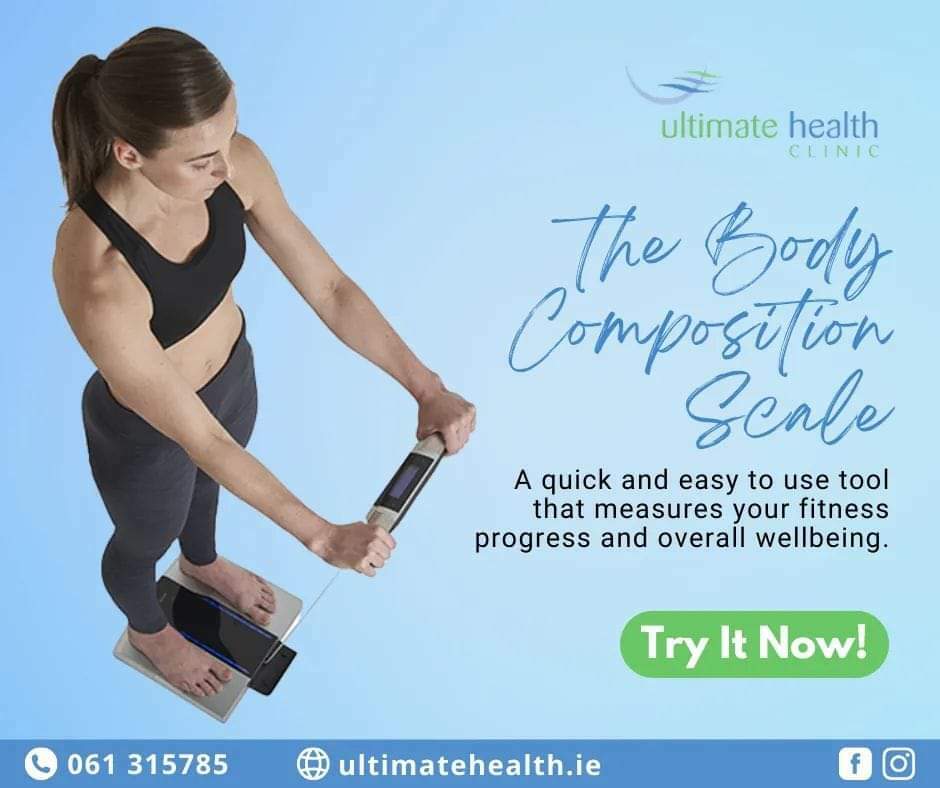 02/04/2024 0 CommentsKnow exactly where your fitness level stands.Read More
Our Body Composition Scale is here to help 👍!
-
 02/04/2024 0 CommentsHealthy digestive systemRead More
A healthy digestive system is the foundation for everything else that makes us feel good 😉.
-
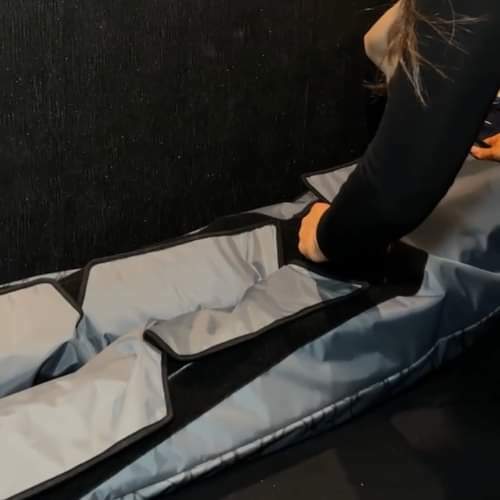 02/04/2024 0 CommentsRevitalise Your BodyRead More
Experience the rejuvenating power of Lymphastim Therapy.
-
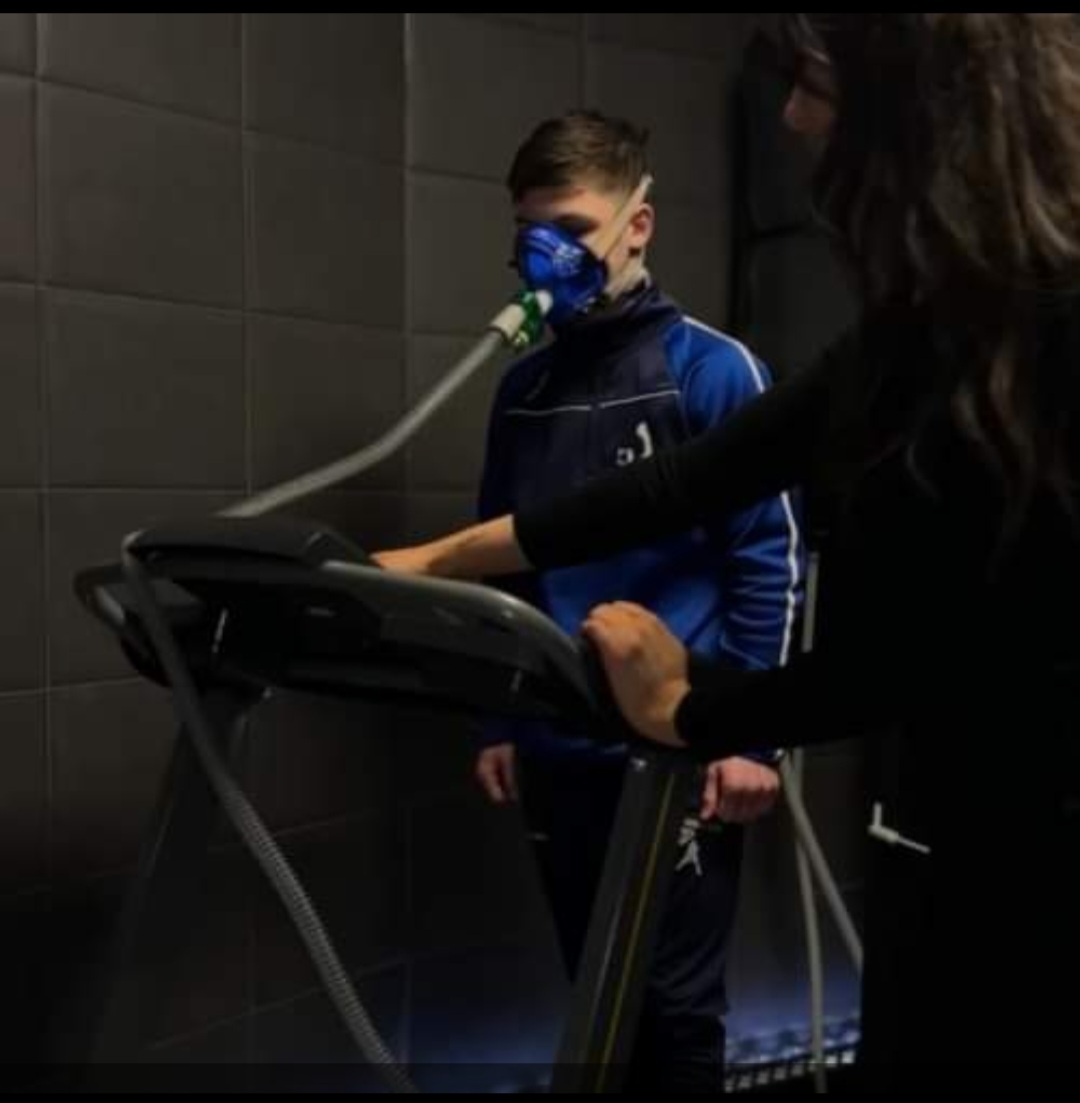 02/04/2024 0 CommentsRecovery ChampionRead More
Are you recovering from surgery, injury, or illness?
-
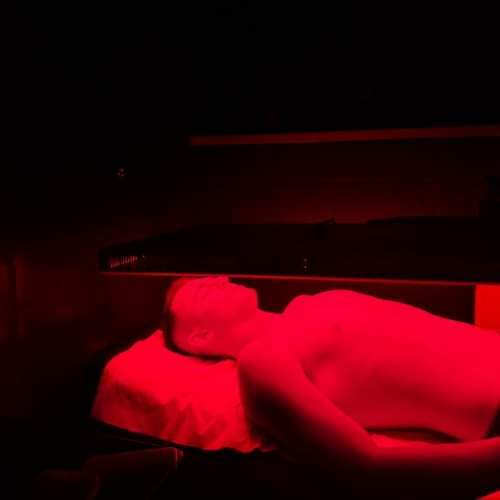 13/03/2024 0 CommentsReady to Rejuvenate?Read More
If you're seeking a non-invasive way to revitalise your skin and alleviate pain,
-
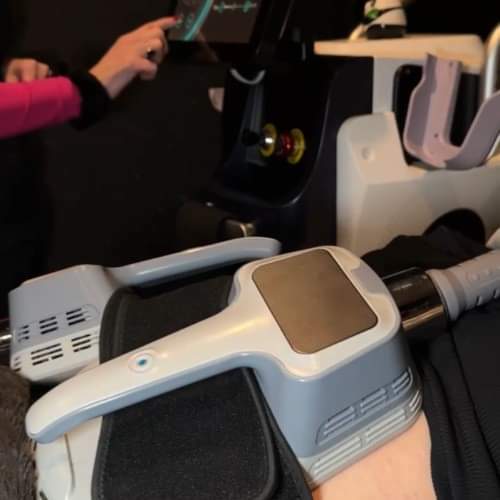 13/03/2024 0 CommentsReady for Transformation?Read More
The ideal candidate for Ultimate Sculpt is anyone desiring a well-defined body without surgery.
-
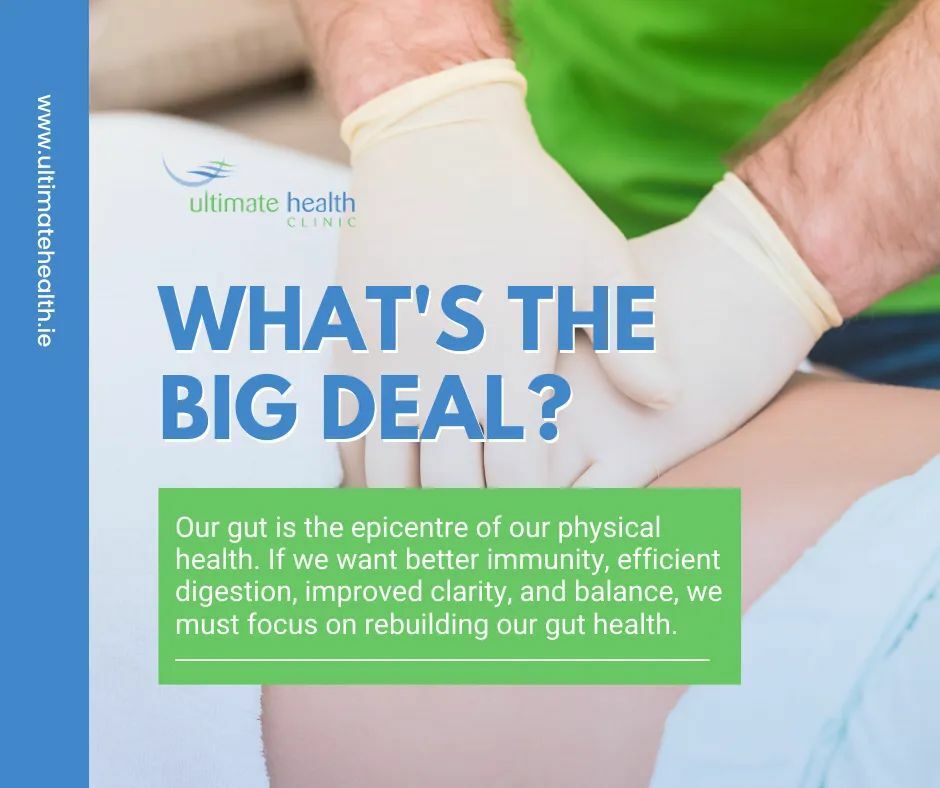 13/03/2024 0 CommentsWhat's the big deal?Read More
We all know that our gut health is important, but why focus on it 🤔?
-
-
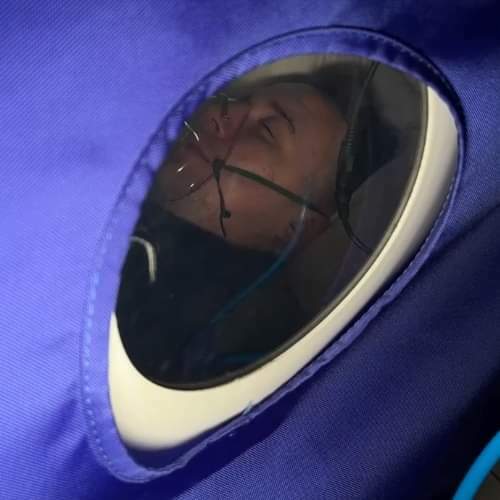 13/03/2024 0 CommentsOxygen, ElevatedRead More
Elevate your well-being with Hyperbaric Oxygen Therapy (HBOT) at Ultimate Health Clinic.
-
 31/01/2024 0 CommentsDo you have mysterious reactions to certain types of food?Read More
Then why not head to Ultimate Health Clinic and see how our allergy testing services can help?
-
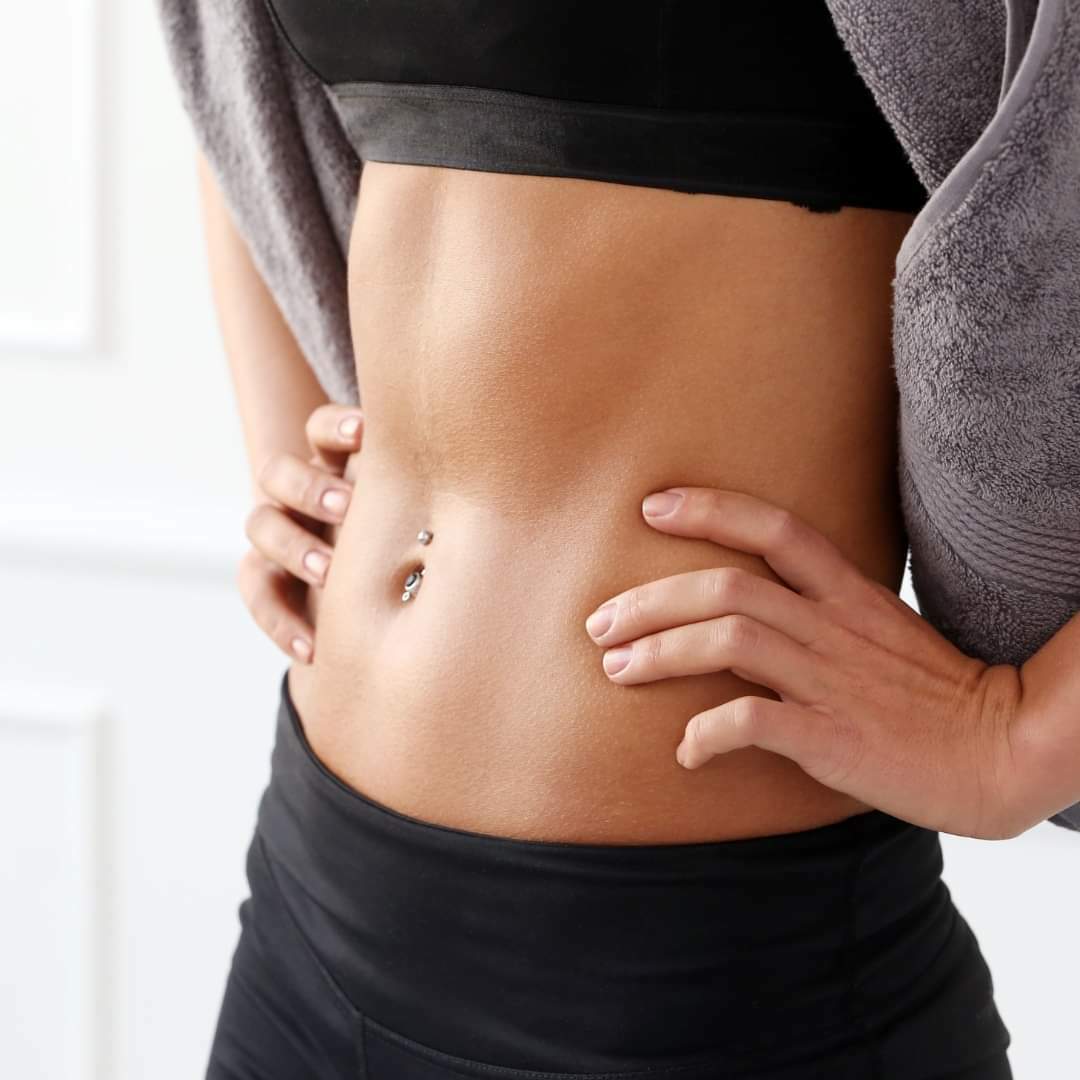 17/01/2024 0 CommentsLooking to add more tone and definition to your body?Read More
Well an Ultimate Sculpt treatment could be right for you!
-
 17/01/2024 0 CommentsWas one of your new year's resolutions to lose weight?Read More
Well if you're looking for professional help to start your weight loss journey on the right track,
-
 17/01/2024 0 CommentsWhat is it about Ultimate Health Clinic that makes us worth visiting?Read More
We can help with a huge variety of issues; IBS, muscle pain, stress, asthma, dermatitis and lots more!
-
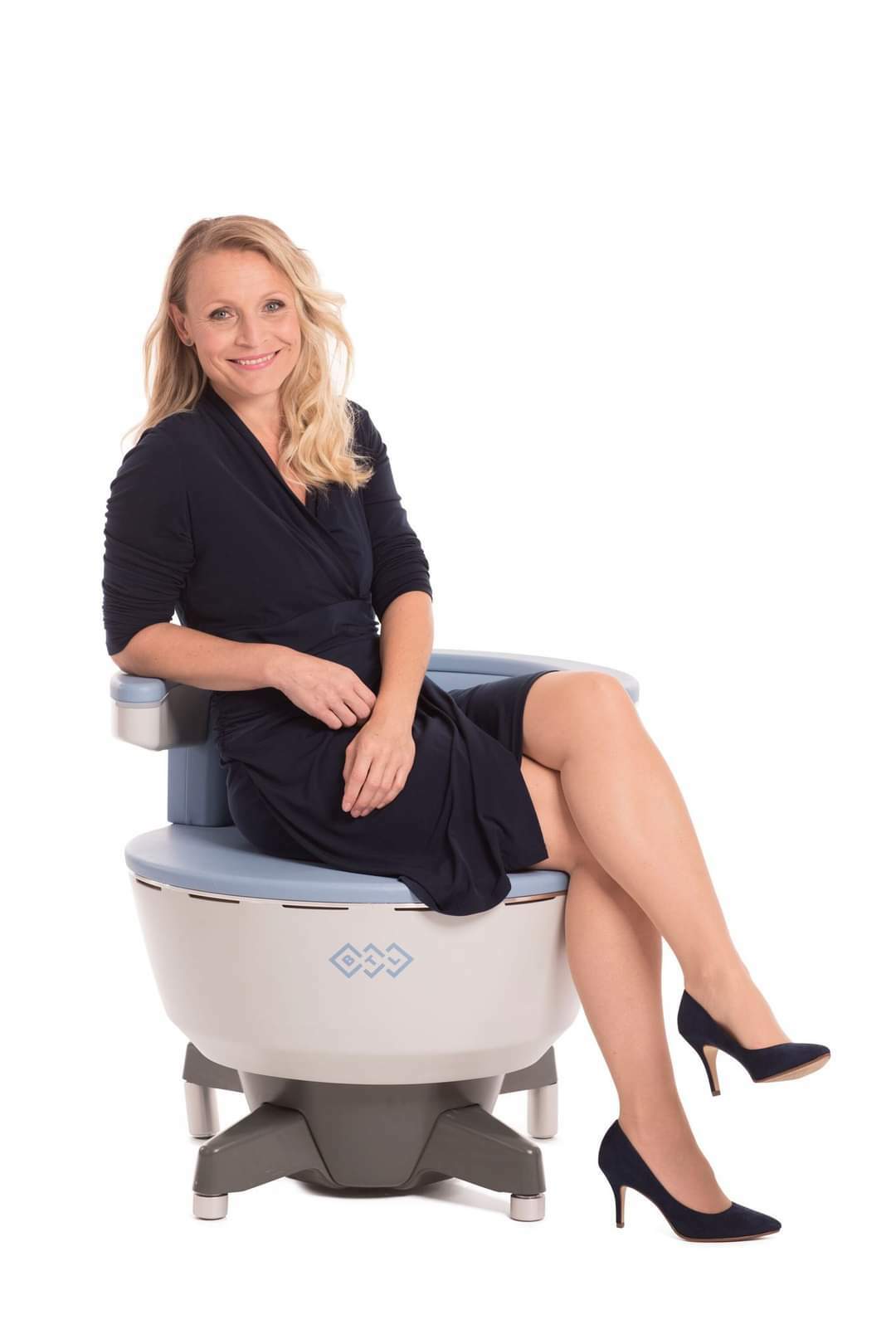 22/12/2023 0 CommentsDo you find pelvic floor exercises difficult?Read More
Well, the Esmella Chair treatment could be for you!
-
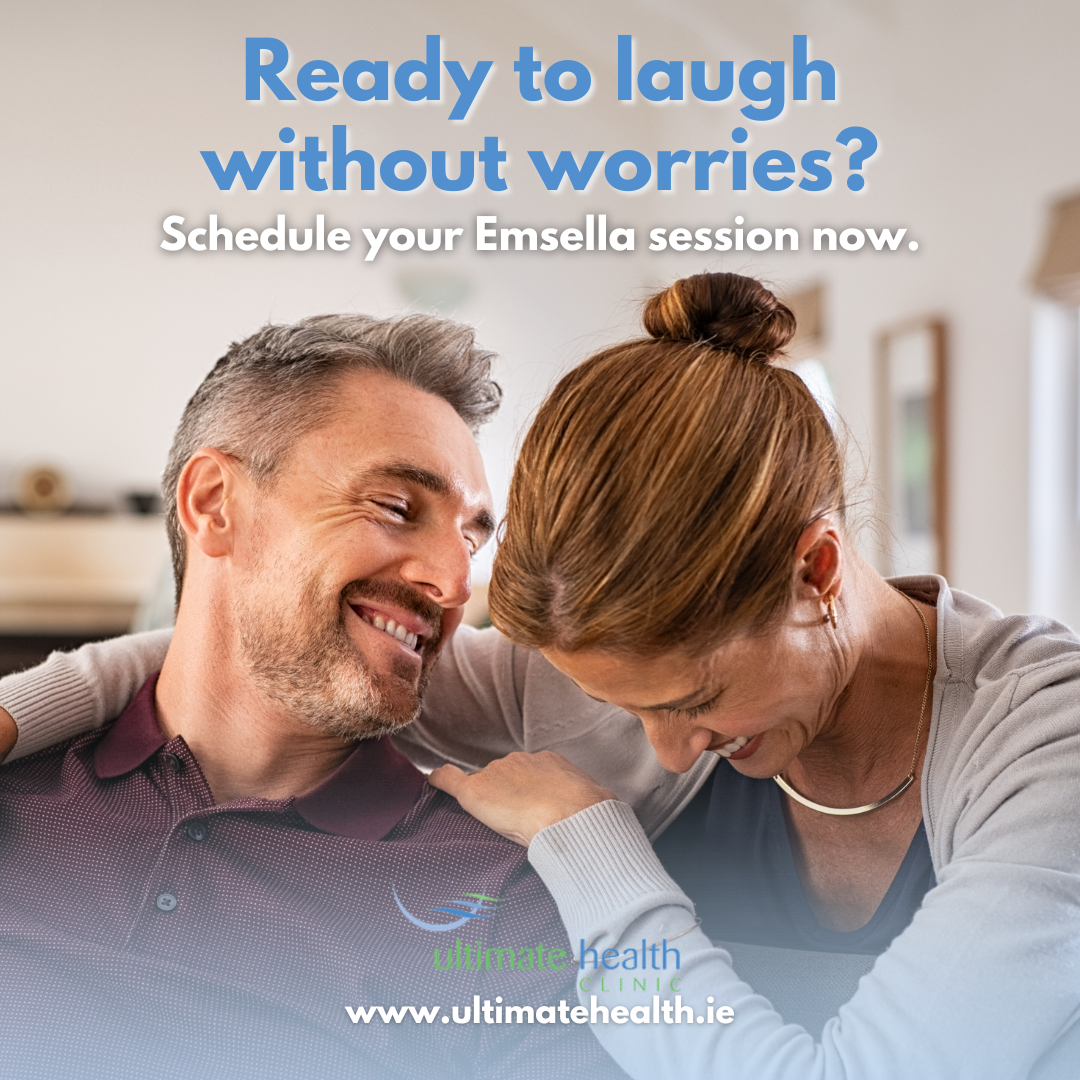 12/12/2023 0 CommentsExperience a New Level of Confidence with the Emsella Chair at Ultimate Health ClinicRead More
Have you ever found yourself holding back a laugh or a sneeze due to concerns about incontinence?
-
 12/12/2023 0 CommentsDon't let food allergies be the Grinch this Christmas! 🚫Read More
Dive into the holiday spirit with confidence by booking a Food Allergy Testing here at Ultimate Health Clinic.
-
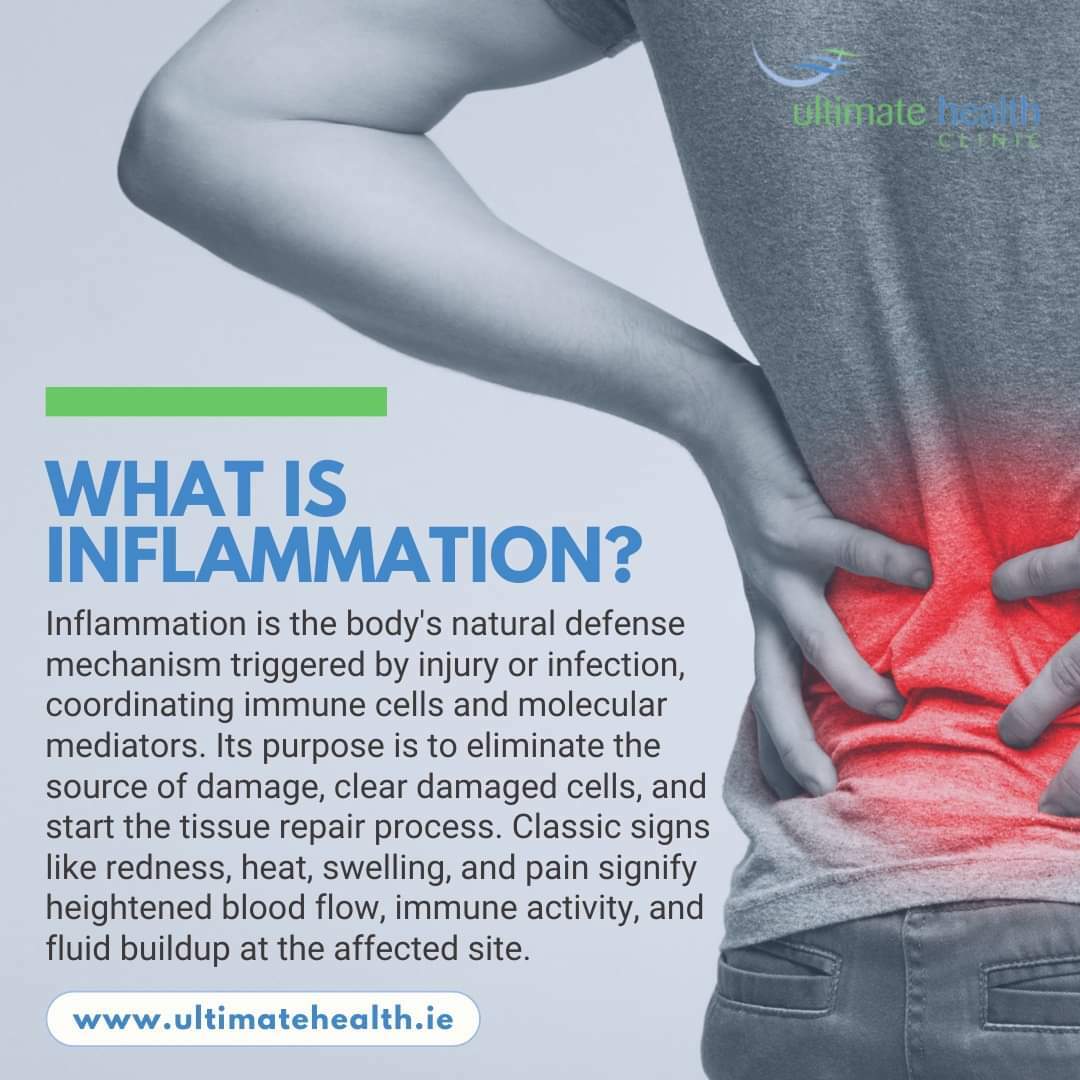 12/12/2023 0 CommentsWhat is Inflammation?Read More
It's your body's red flag signaling something's not right.
-
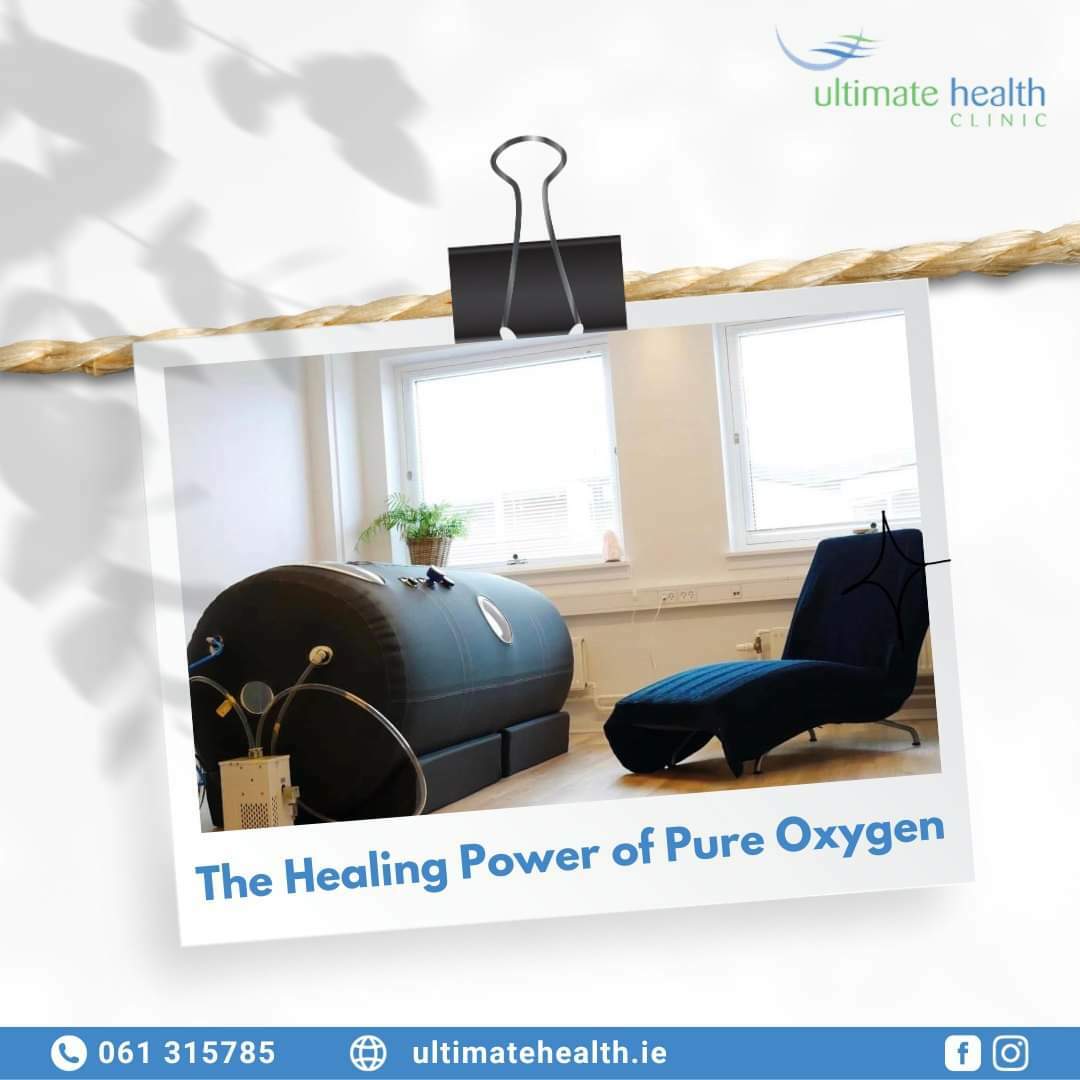 06/12/2023 0 CommentsExperience the transformative benefits of Hyperbaric Oxygen Therapy here at Ultimate Health Clinic!Read More
Step into our Hyperbaric Oxygen Chamber and immerse yourself in an environment where pure oxygen reaches every cell in your body.
-
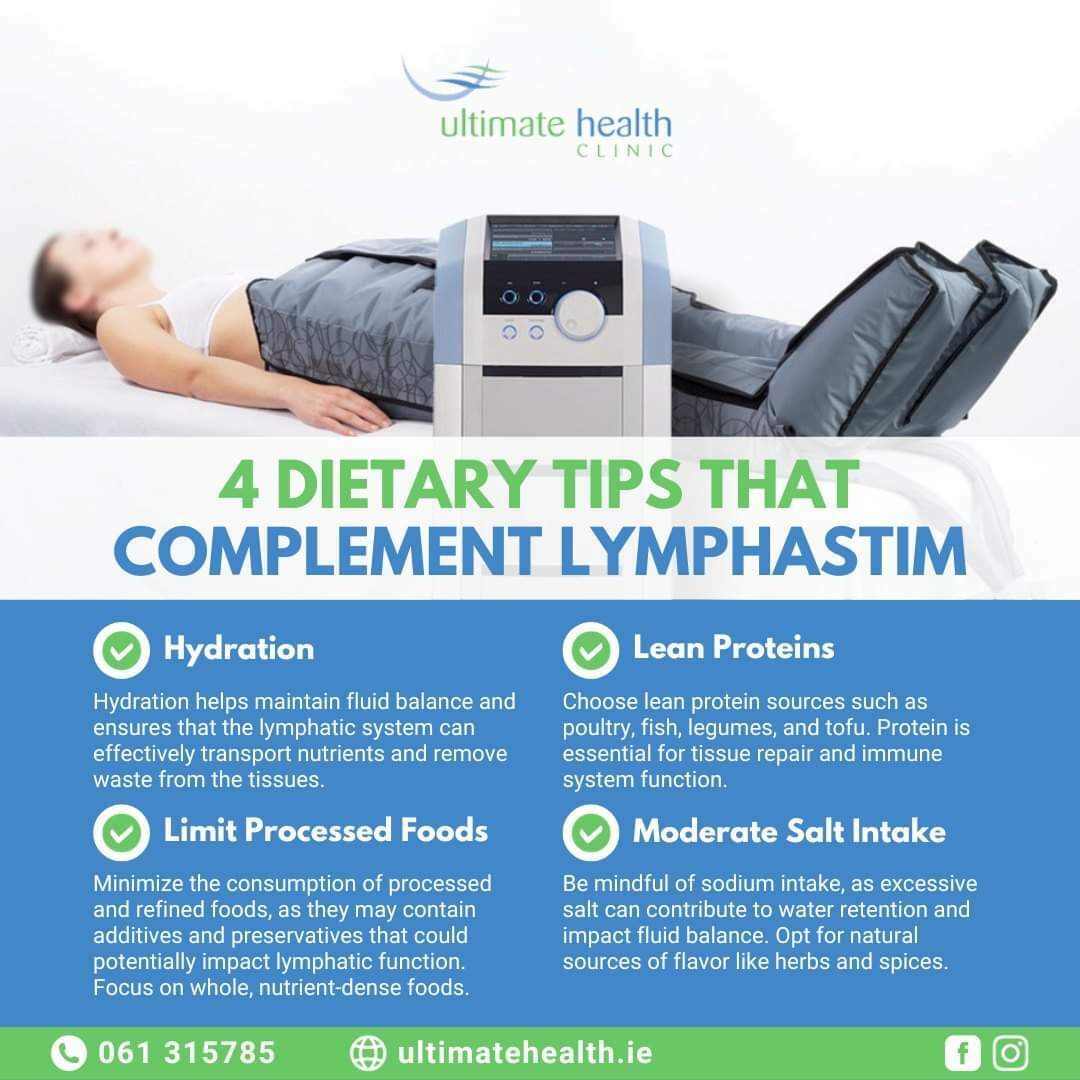 06/12/2023 0 CommentsNourish Your Body, Elevate Your Lymphatic Health!Read More
Here are 4 dietary tips that perfectly complement your Lymphastim journey:
-
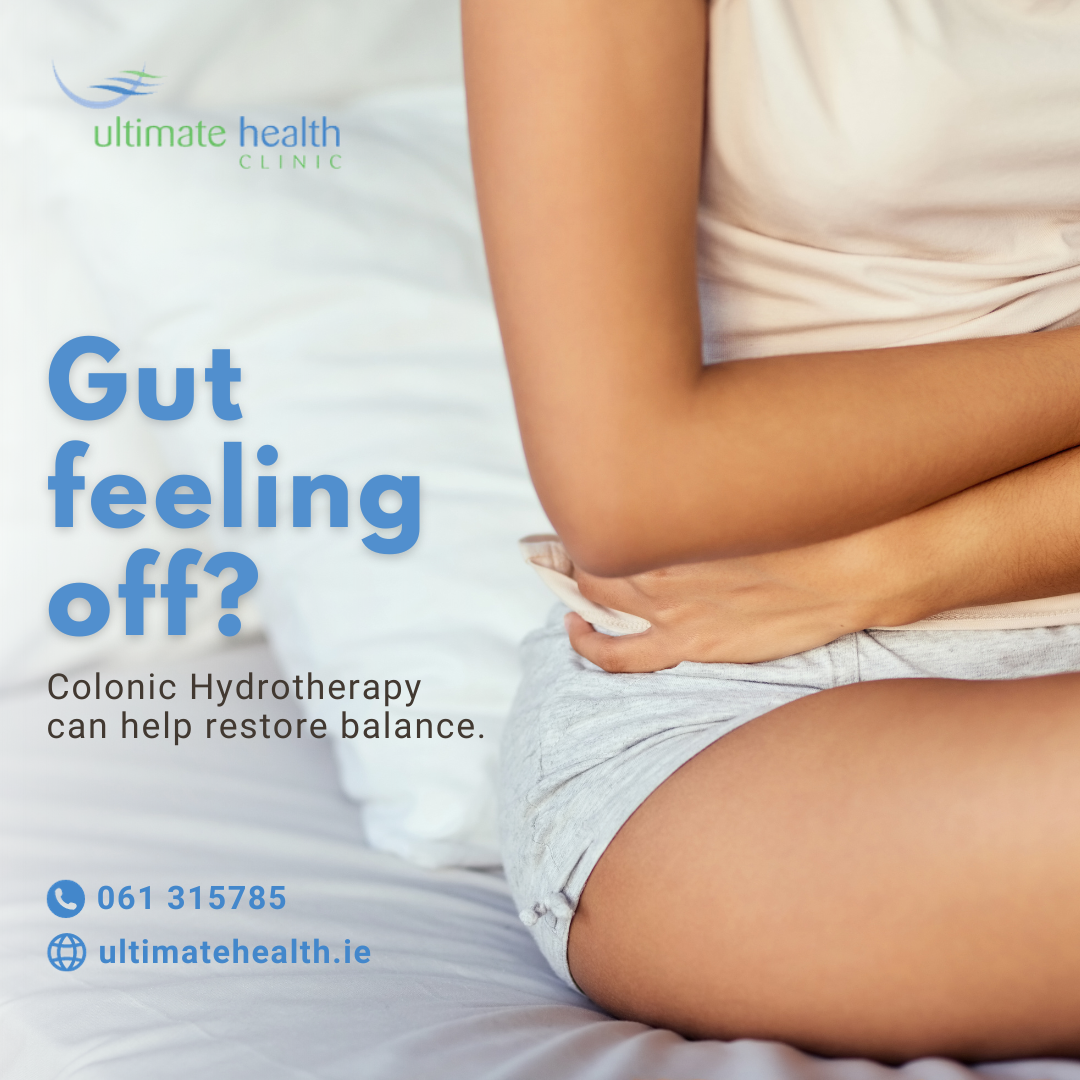 06/12/2023 0 CommentsRestore Your Gut Health with Colonic Hydrotherapy at Ultimate Health ClinicRead More
Have you been experiencing discomfort or a sense that something isn't quite right with your gut health? It's not uncommon, and often, our gut is the first to tell us when our body is out of balance.
-
 06/12/2023 0 CommentsDive into the ultimate experience of renewal, refreshment, and rejuvenation with Colonic Hydrotherapy.Read More
Why Colonic Hydrotherapy?
-
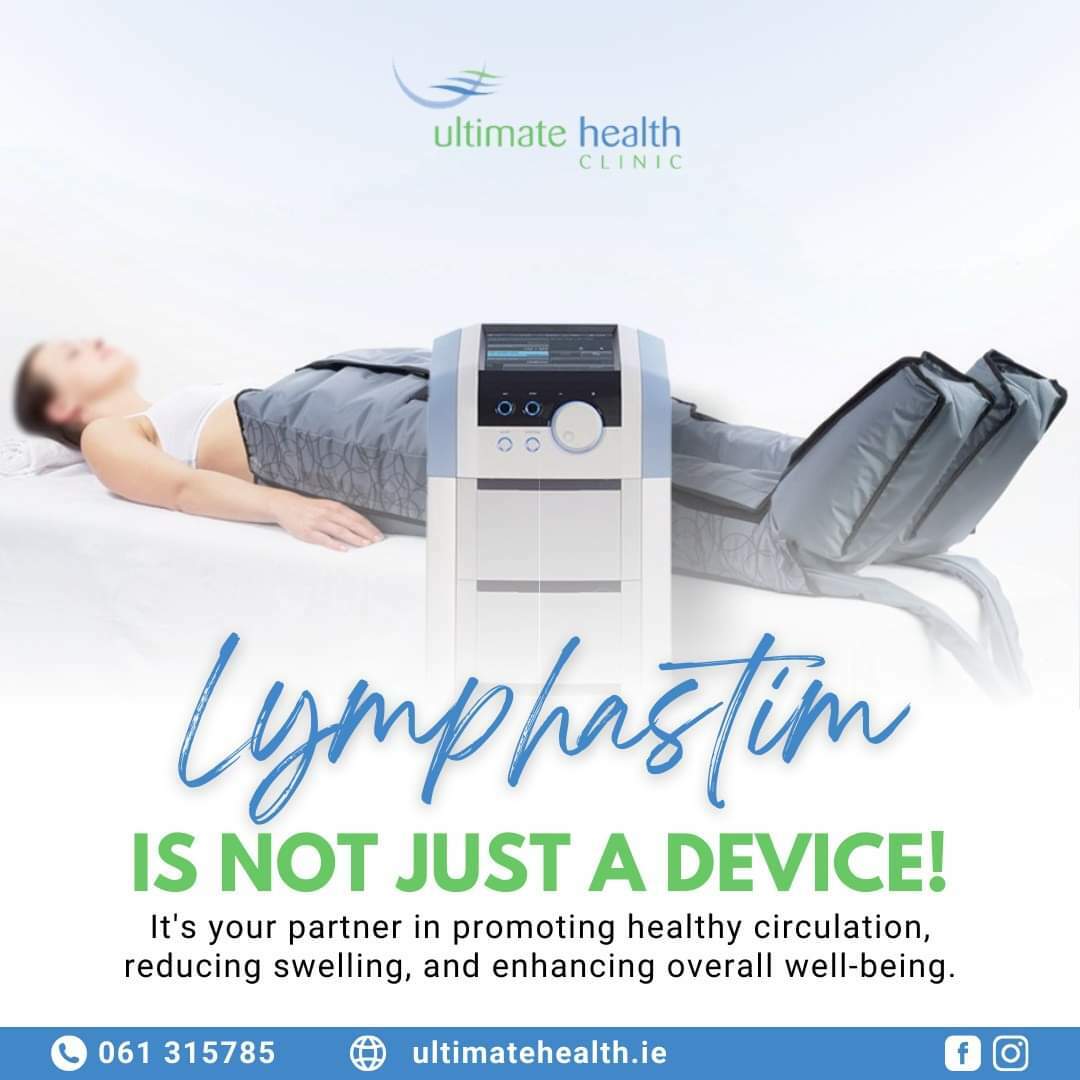 06/12/2023 0 CommentsMeet your new wellness partner – more than just a device, it's a game-changer!Read More
Lymphastim is here to support you on your journey to healthy circulation, reduced swelling, and overall enhanced well-being.
-
 06/12/2023 0 CommentsExperience muscle sculpting with Ultimate Body Sculpt.Read More
This state-of-the-art, innovative device utilises high-intensity focused electromagnetic (HIFEM) energy,
-
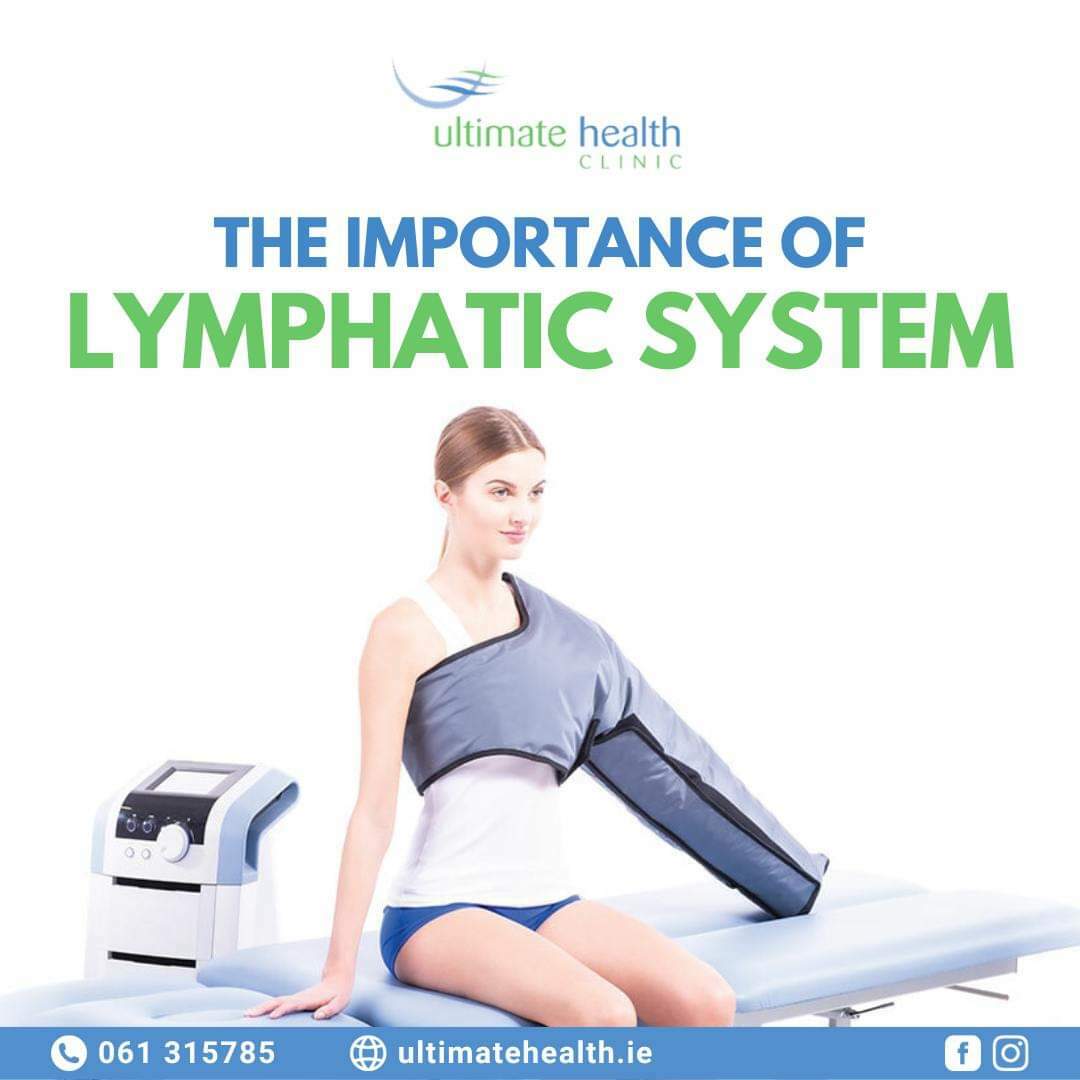 06/12/2023 0 CommentsDid you know your lymphatic system is a key player in immune health and detoxification?Read More
A well-functioning lymphatic system results in improved immune support, reduced inflammation, and overall vitality.
-
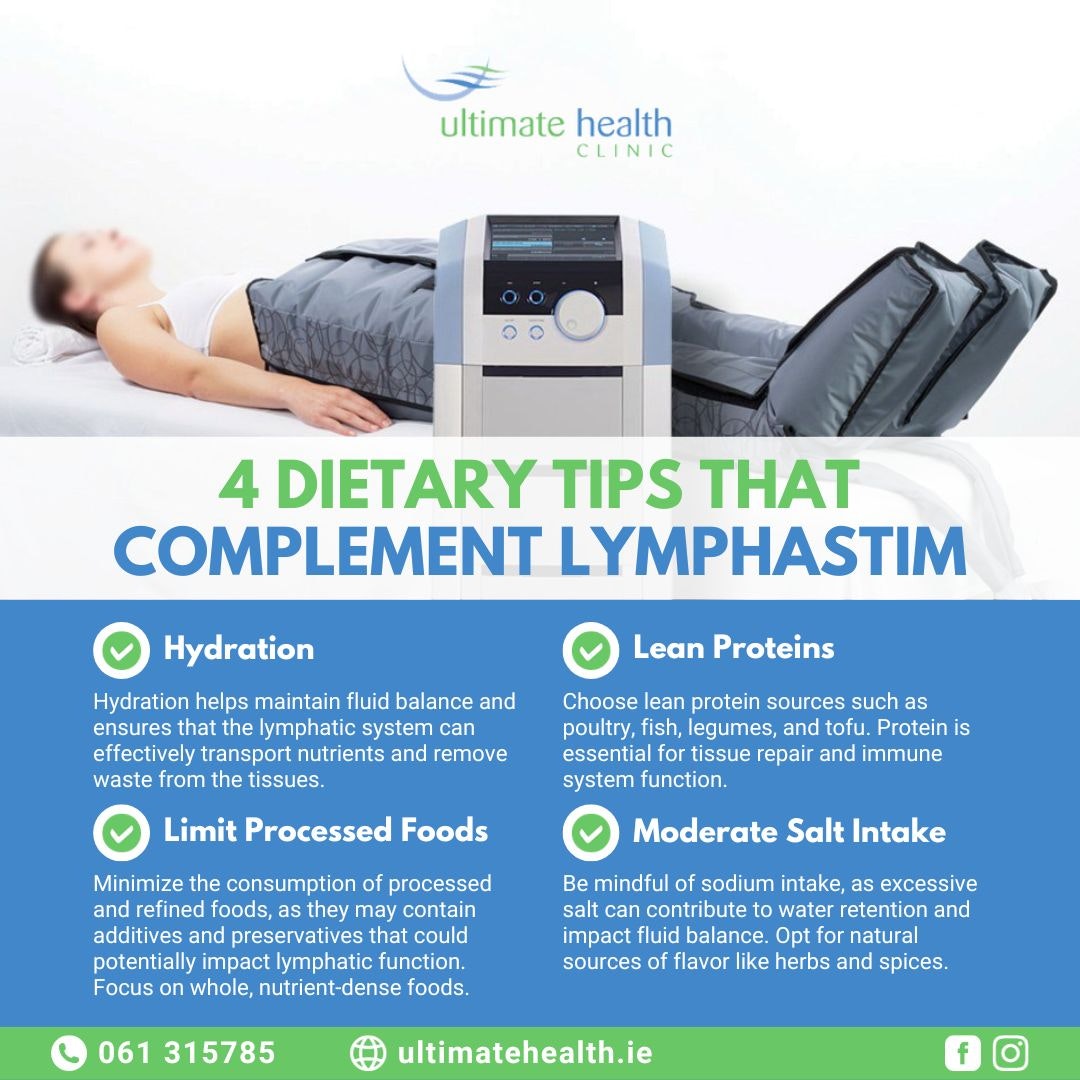 06/12/2023 0 CommentsMaximize Your Lymphastim Results with Essential Dietary TipsRead More
At Ultimate Health Clinic, we are committed to ensuring that you receive the full benefits of your Lymphastim therapy.
-
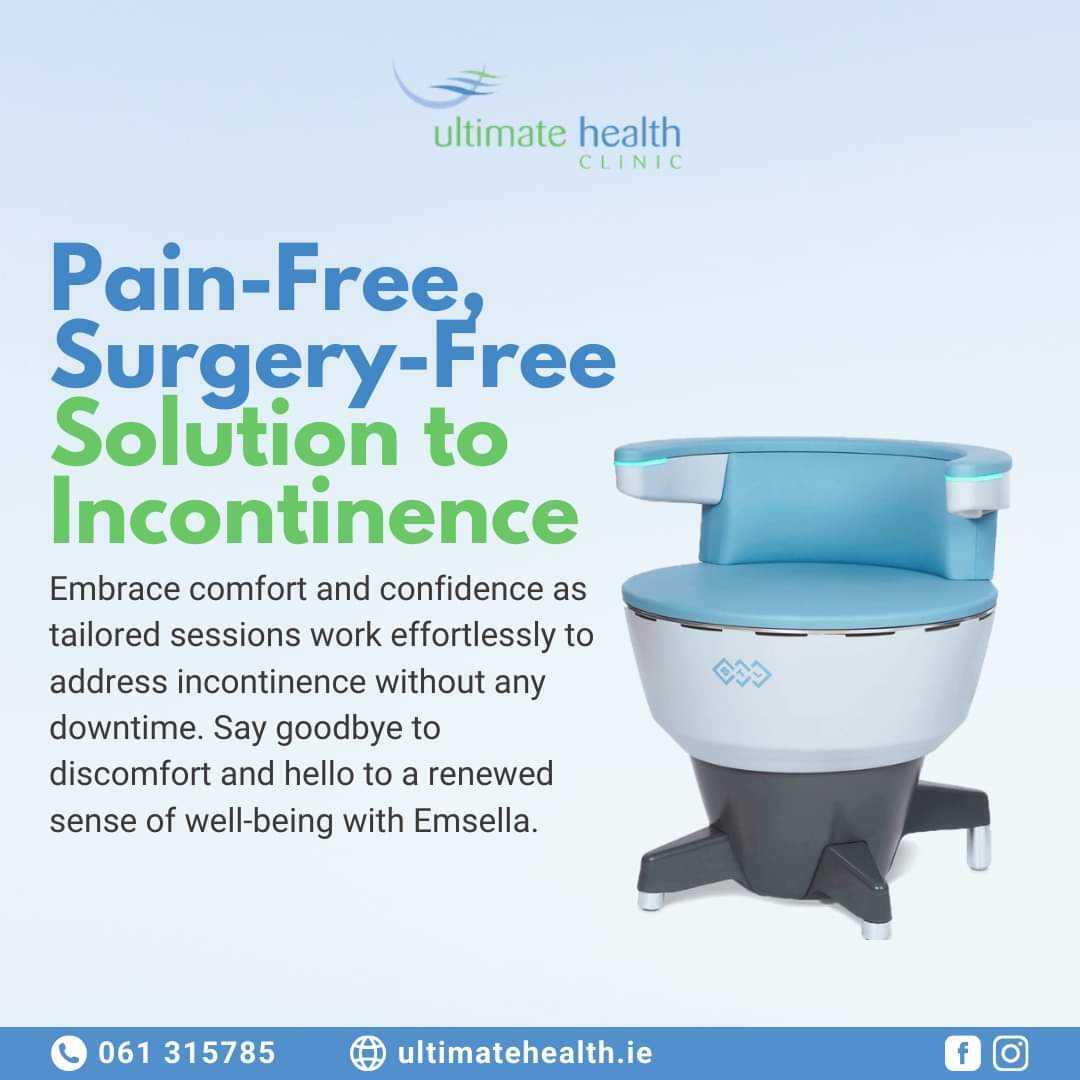 06/12/2023 0 CommentsSay goodbye to discomfort and hello to confidence!Read More
Introducing Emsella, the pain-free, surgery-free solution to incontinence
-
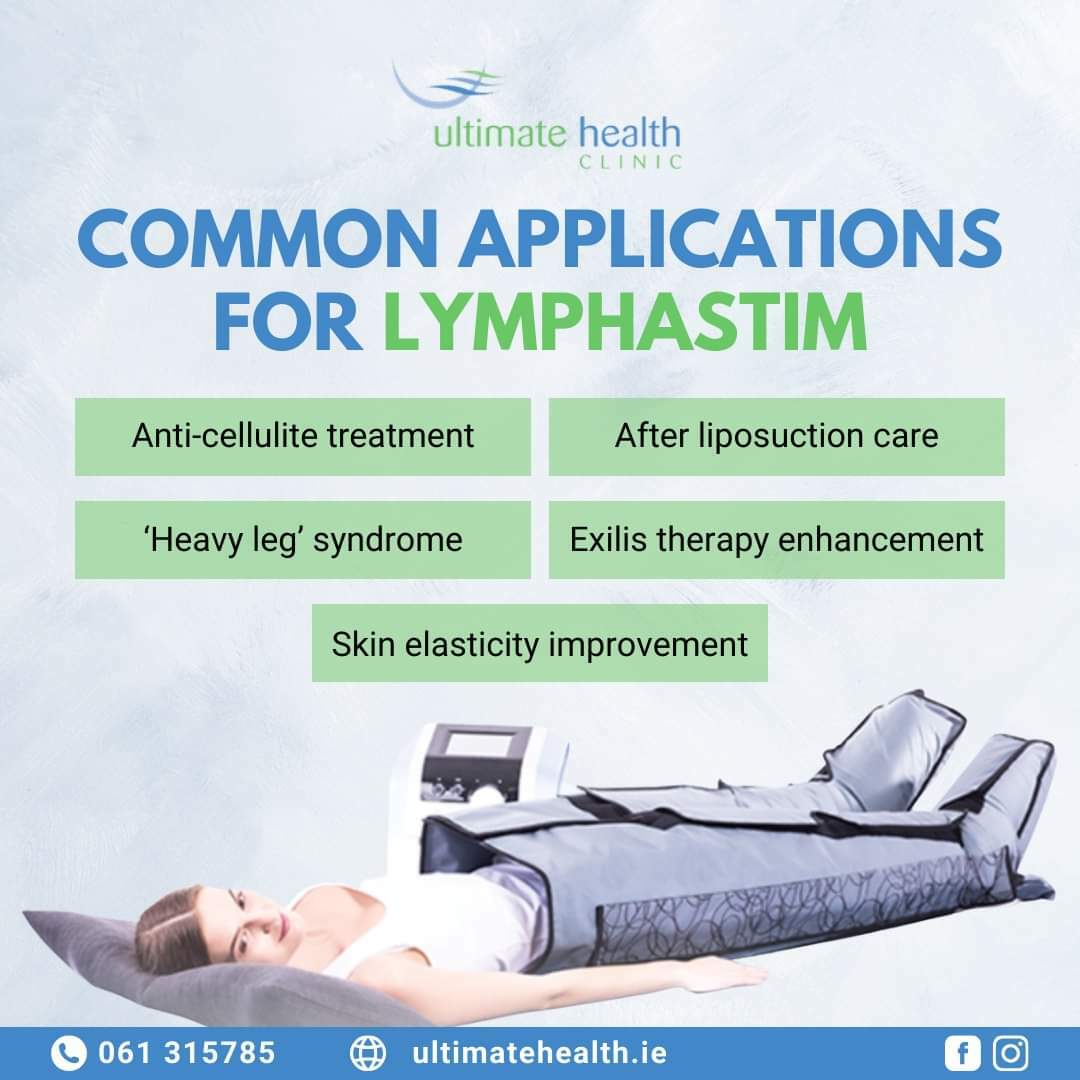 06/12/2023 0 CommentsDiscover the Awe-Inspiring Applications of Lymphastim!Read More
Lymphastim is a pneumatic compression therapy system designed to improve lymphatic circulation and enhance overall wellness.
-
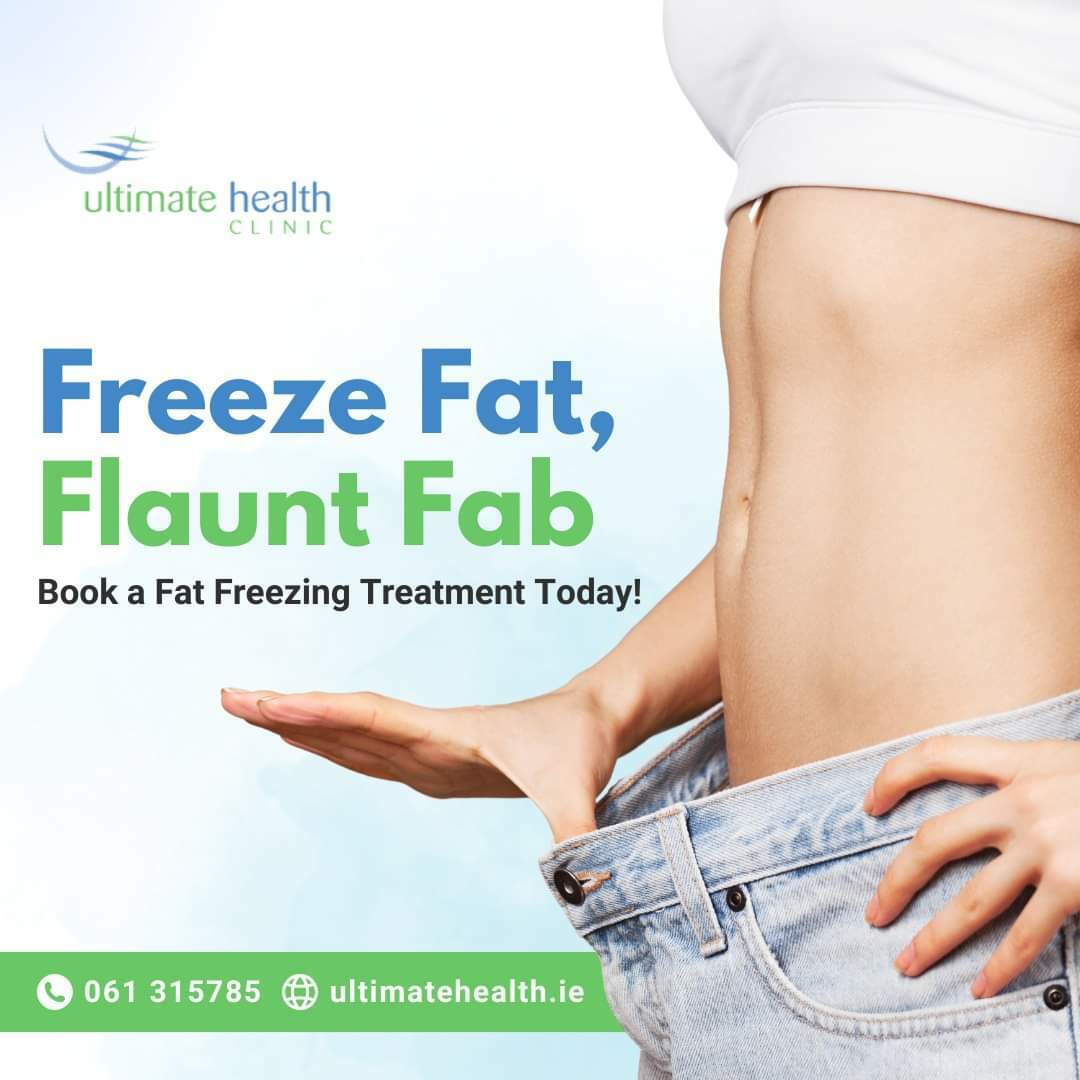 06/12/2023 0 CommentsFlaunt Fab with Fat Freezing! ✨Read More
Say goodbye to stubborn pockets and hello to body confidence. Freeze the fat away and unleash your inner glow!
-
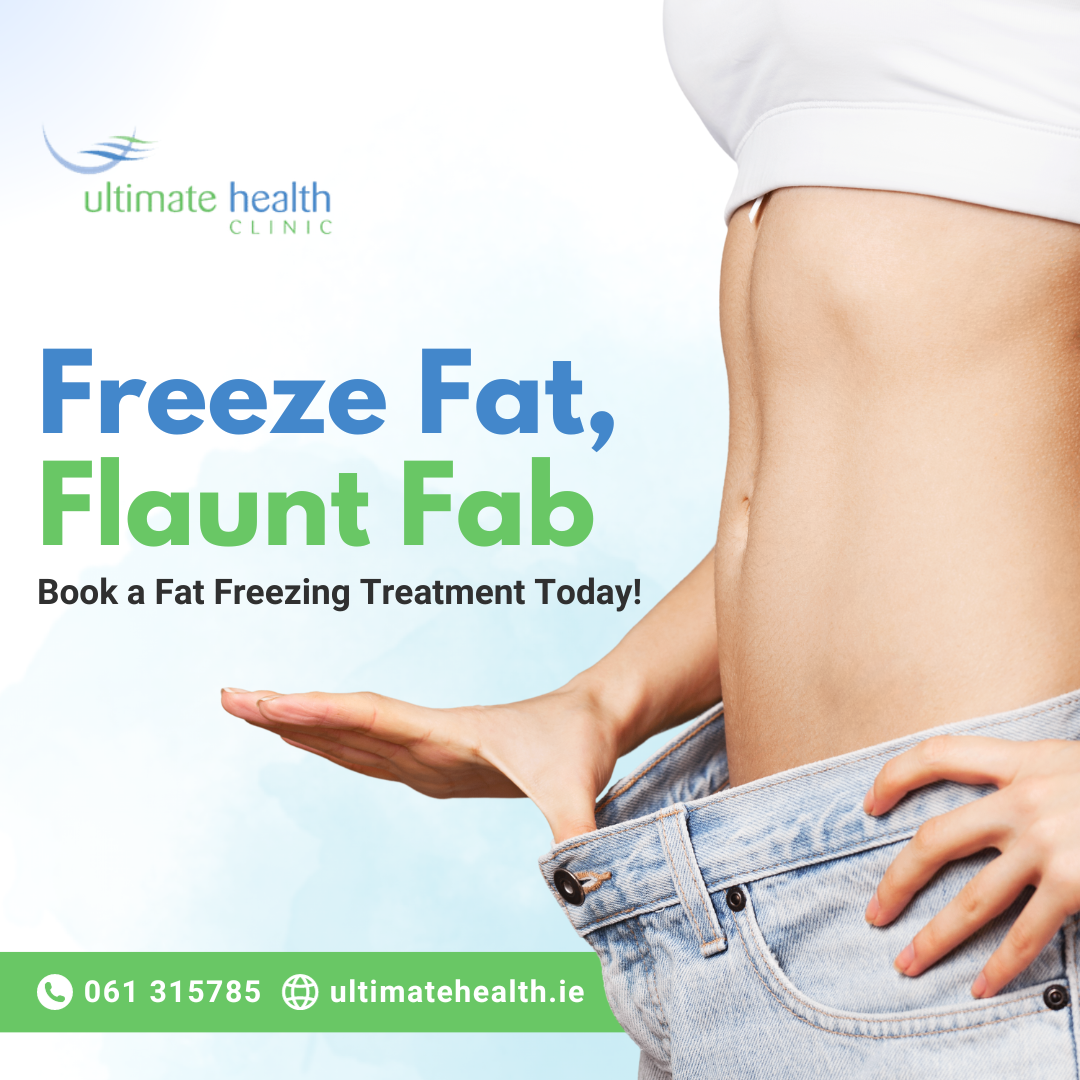 22/11/2023 0 CommentsSay Goodbye to Stubborn Fat with Our Fat Freezing Treatment!Read More
Are you tired of struggling with stubborn pockets of fat that just won't budge, no matter how hard you work out or diet?
-
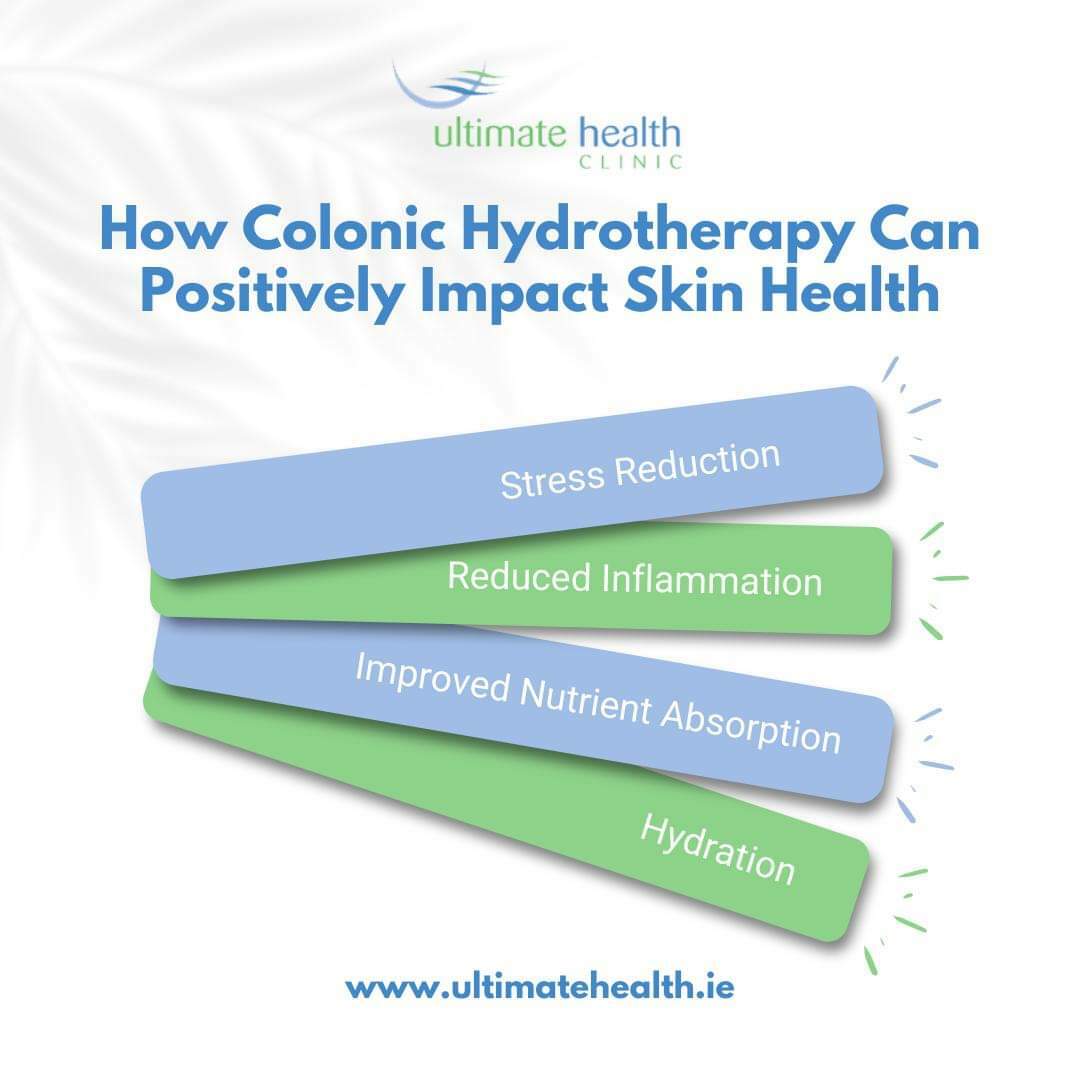 22/11/2023 0 CommentsColonic Hydrotherapy is the wellness wonder that goes beyond the surface, nurturing your skin from within.Read More
In today's post, let's dive into how this holistic therapy positively impacts your skin health and appearance:
-
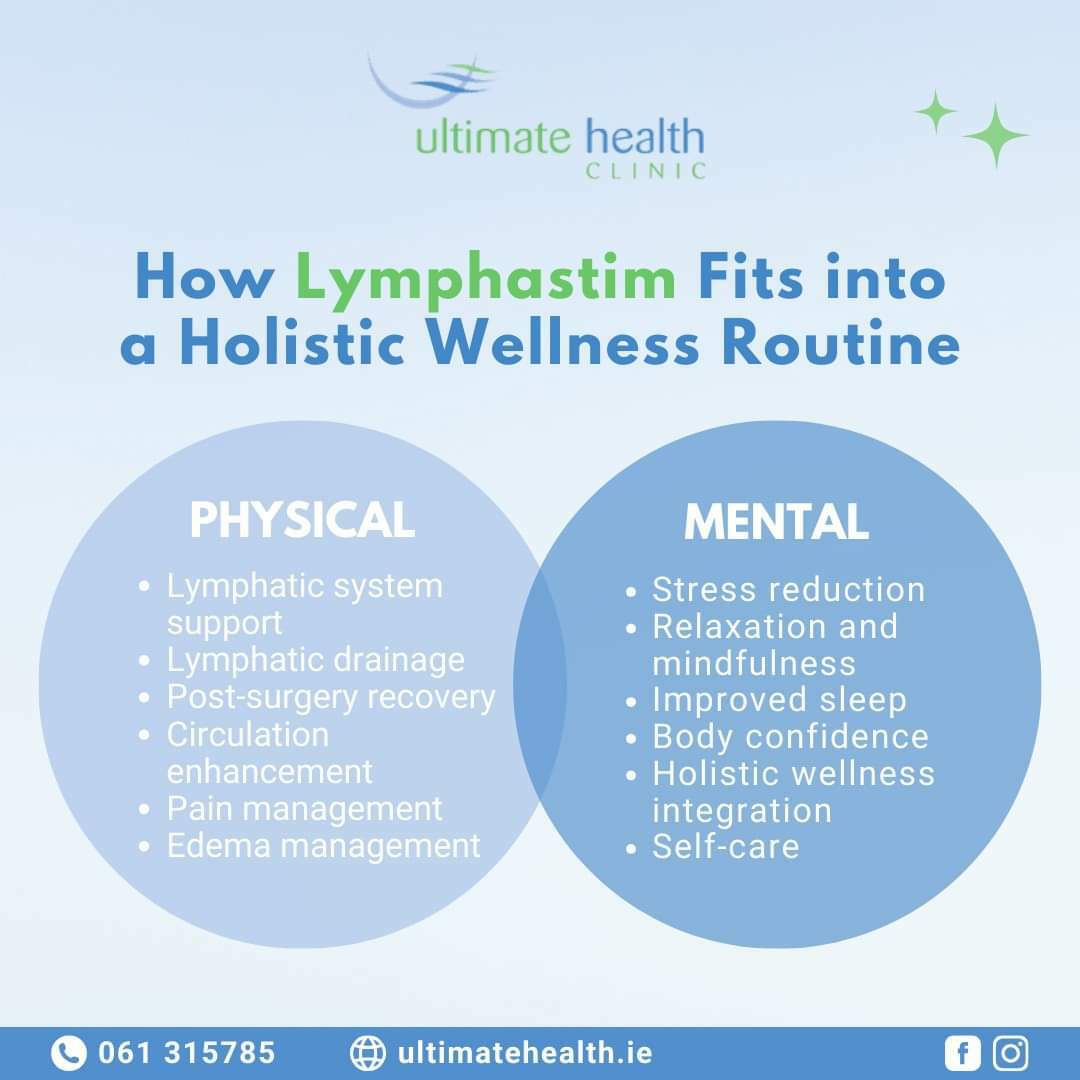 22/11/2023 0 CommentsLymphastim isn't just a therapyRead More
Lymphastim isn't just a therapy; it's a key player in your holistic wellness routine.
-
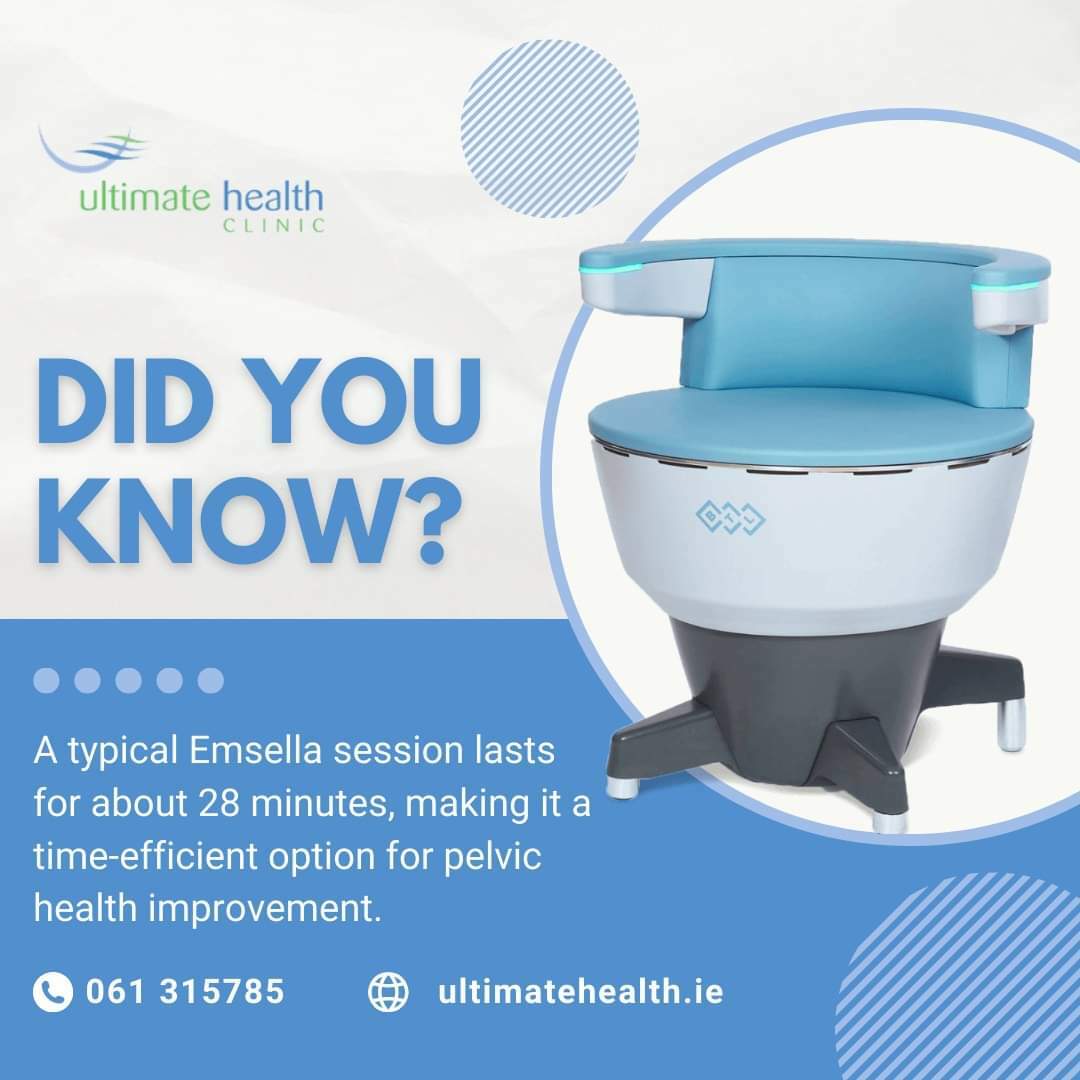 22/11/2023 0 CommentsDid you know that a typical Emsella session is a quick 28 minutes?Read More
In the hustle and bustle of life, finding time for self-care is a challenge. But did you know that a typical Emsella session is a quick 28 minutes?
-
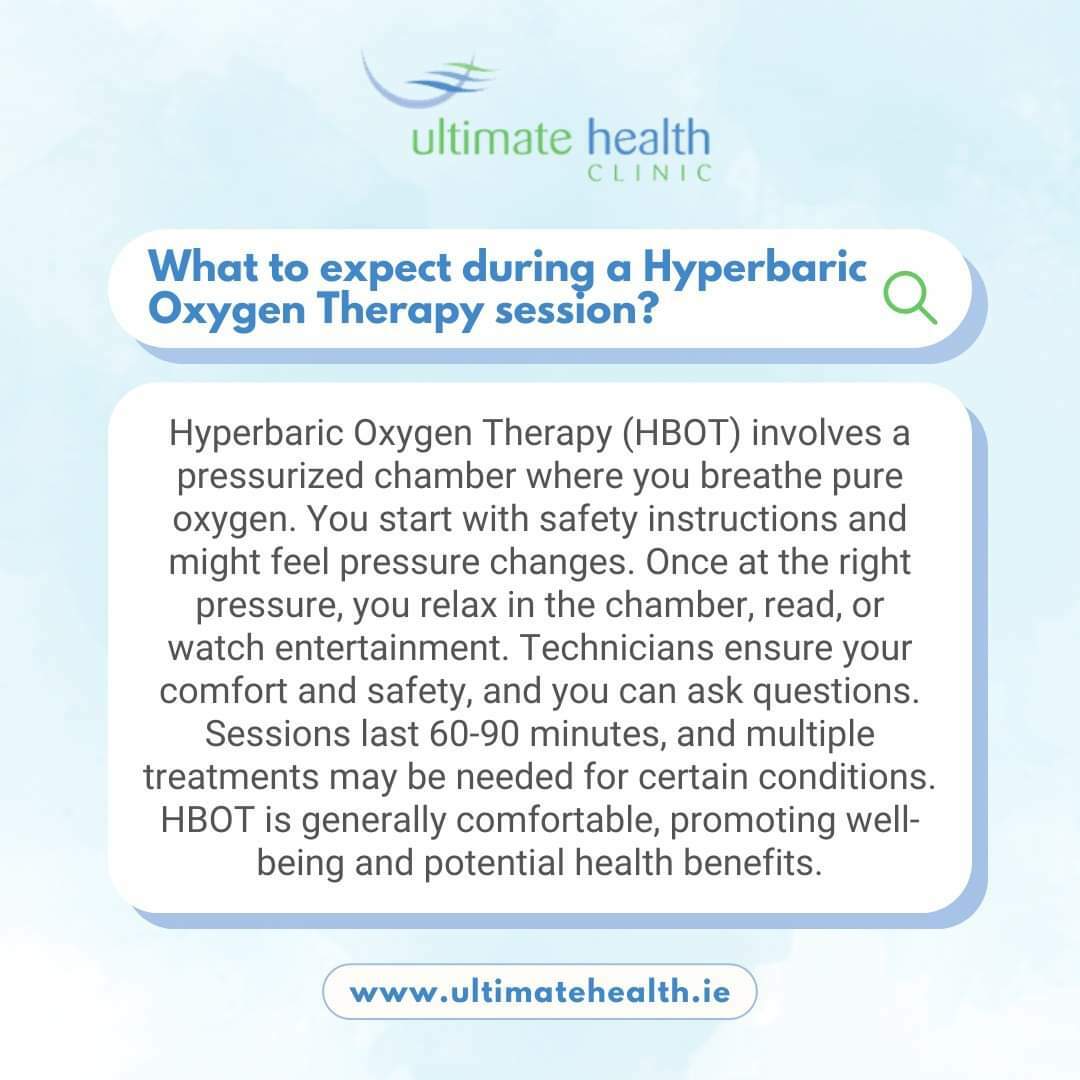 22/11/2023 0 CommentsReady for Hyperbaric Oxygen Therapy? Here's What to Expect!Read More
Hyperbaric Oxygen Therapy (HBOT) is a pressurized chamber where you breathe pure oxygen.
-
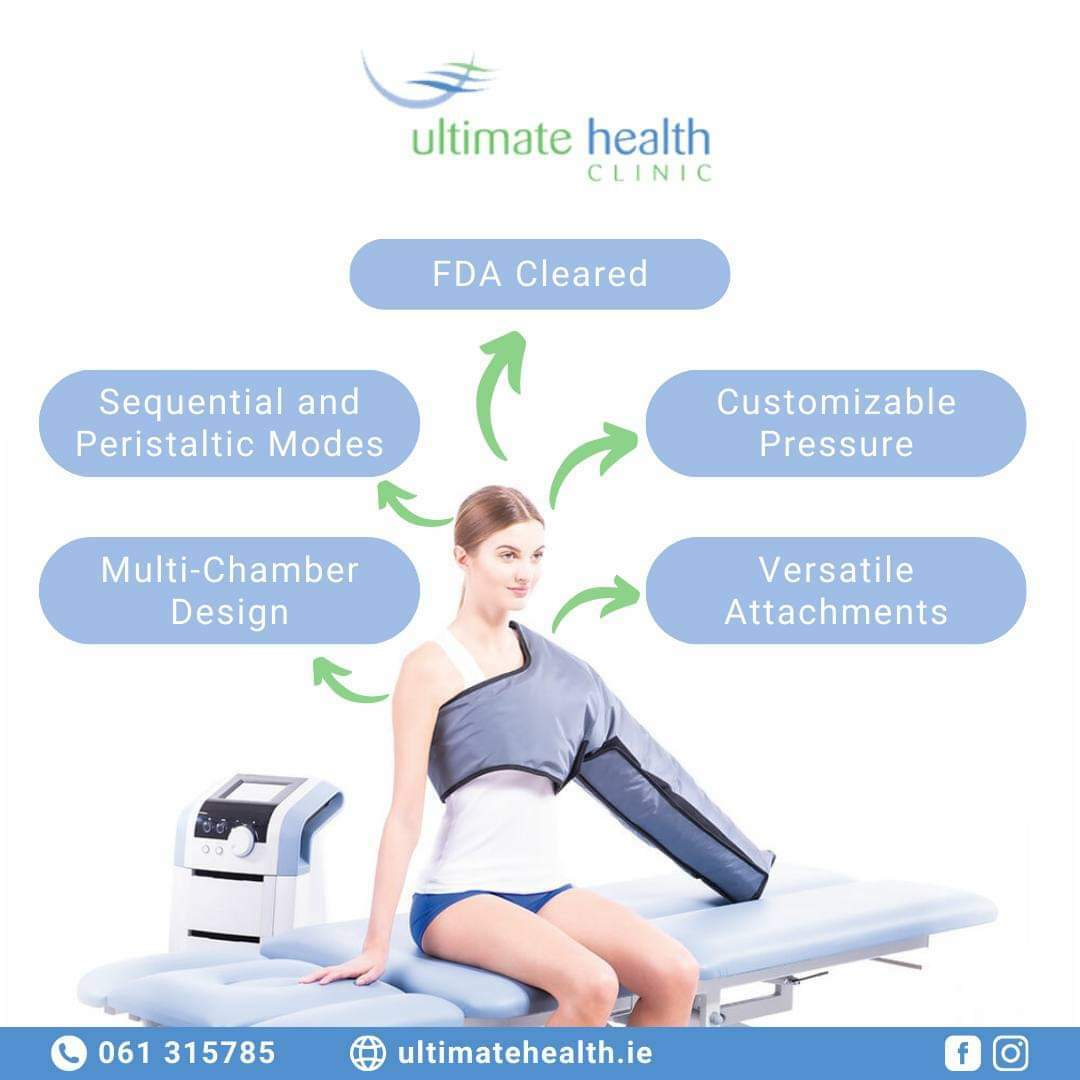 22/11/2023 0 CommentsLymphastim is your wellness companion with a suite of incredible features:Read More
Lymphastim is your wellness companion with a suite of incredible features:
-
 22/11/2023 0 CommentsTransform your skin with infrared saunaRead More
Your path to luminous, flawless skin starts with the transformative powers of Infrared Sauna. Here's how it works its magic:
-
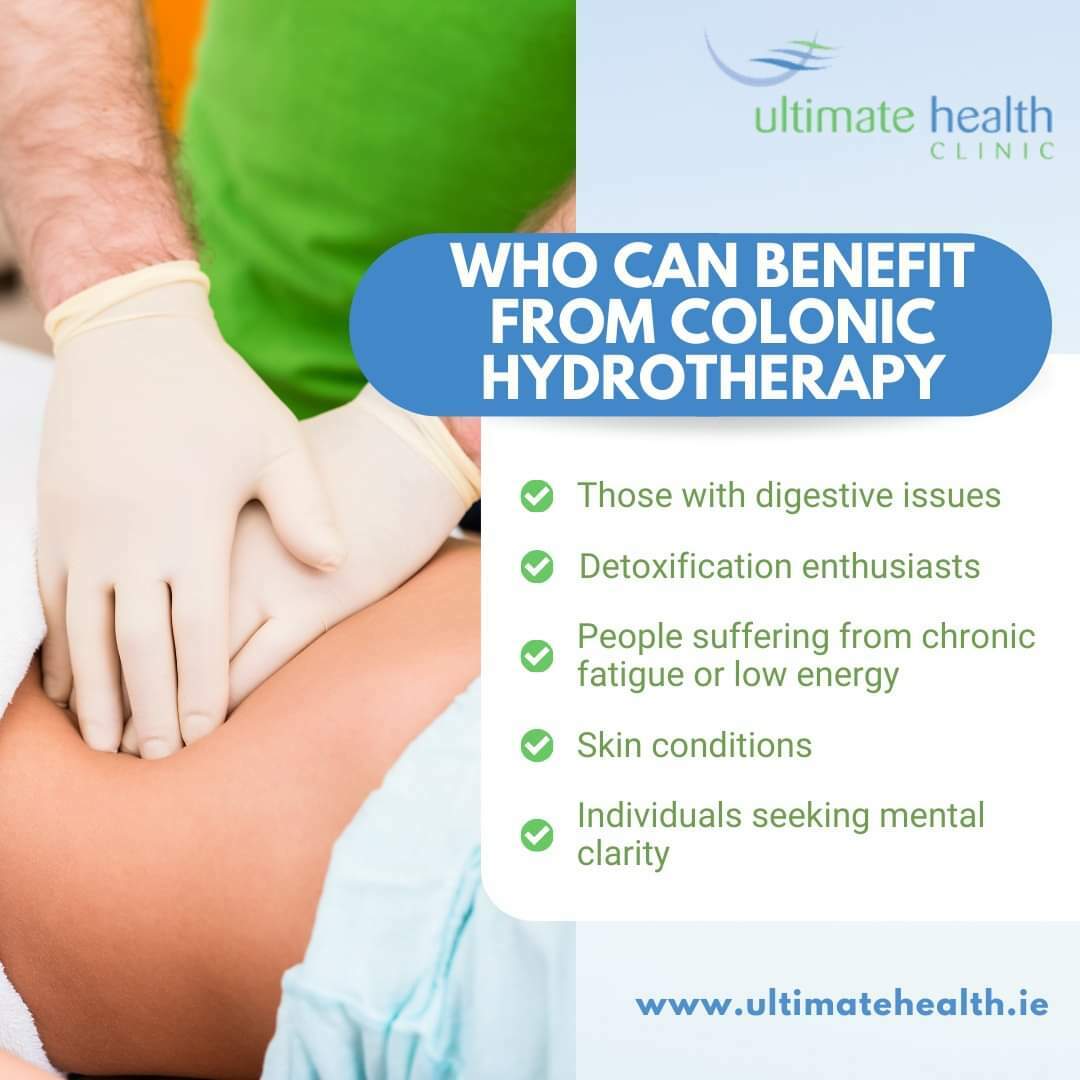 22/11/2023 0 CommentsWondering if colonic hydrotherapy is right for you?Read More
This natural detox method can benefit a wide range of individuals:
-
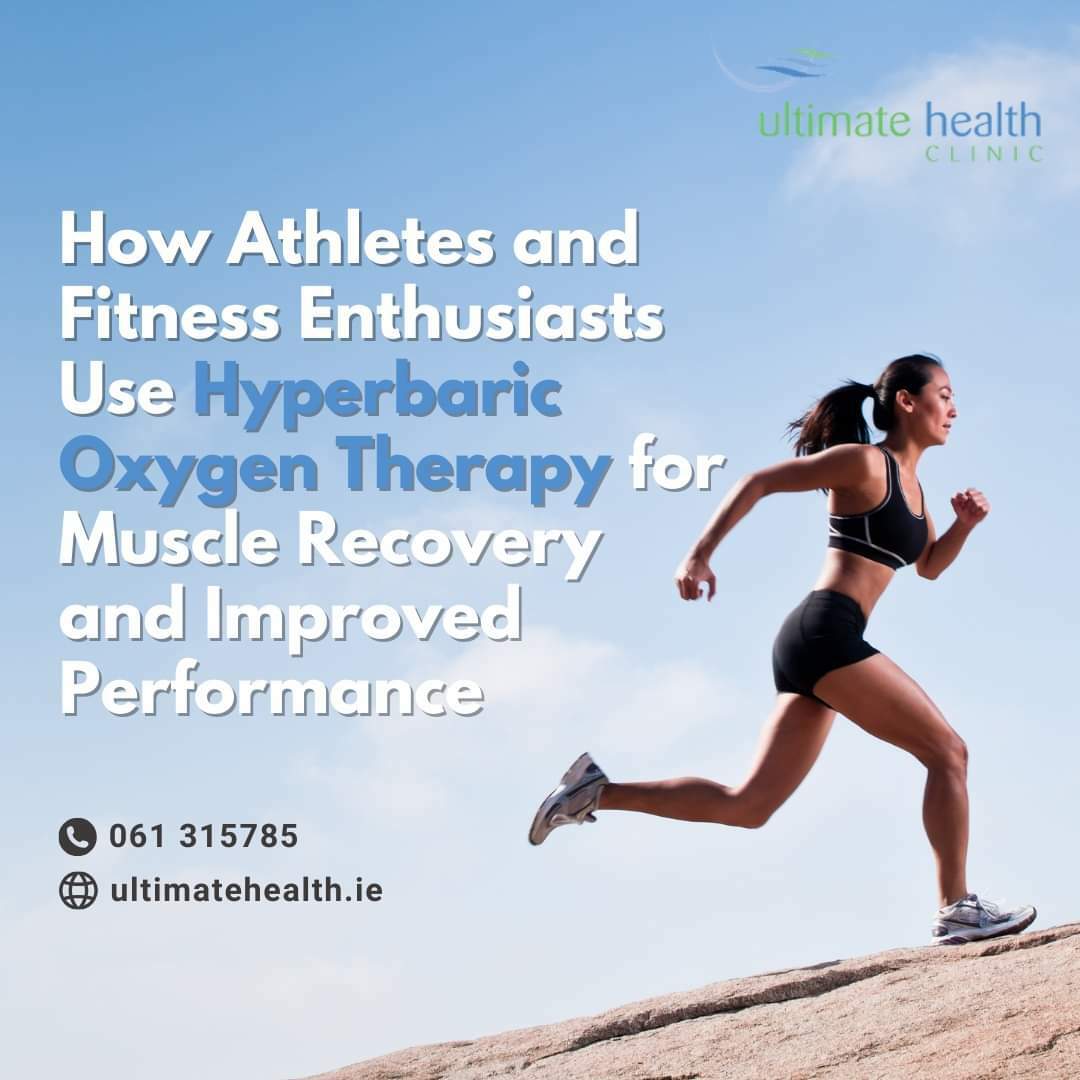 22/11/2023 0 CommentsIn the pursuit of peak performance, athletes and fitness enthusiasts are turning to Hyperbaric Oxygen Therapy (HBOT).Read More
But what exactly is it, and how does it supercharge your fitness journey? Let's dive into the fascinating world of HBOT:
-
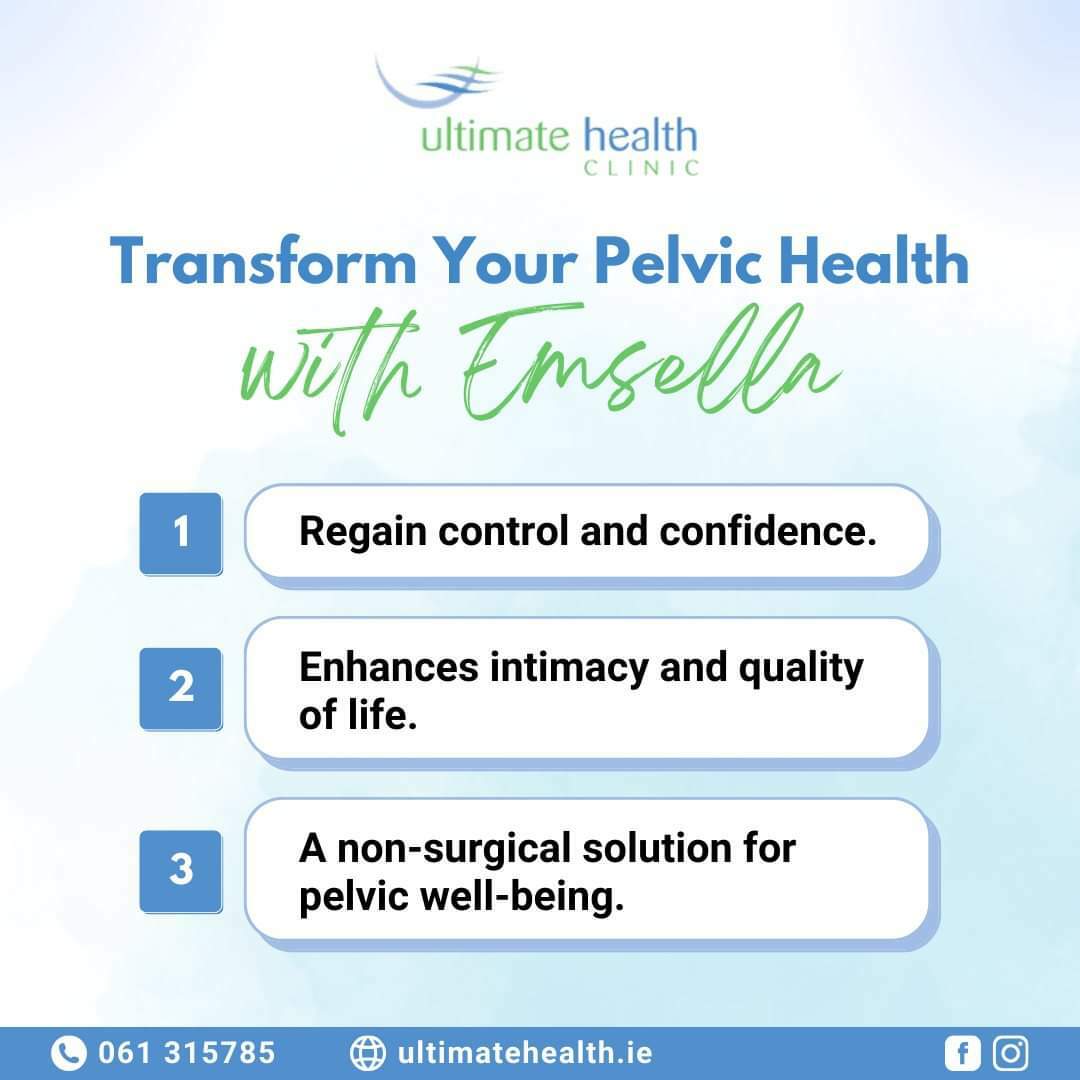 08/11/2023 0 CommentsReady to transform your pelvic health?Read More
Discover the wonders of Emsella:
-
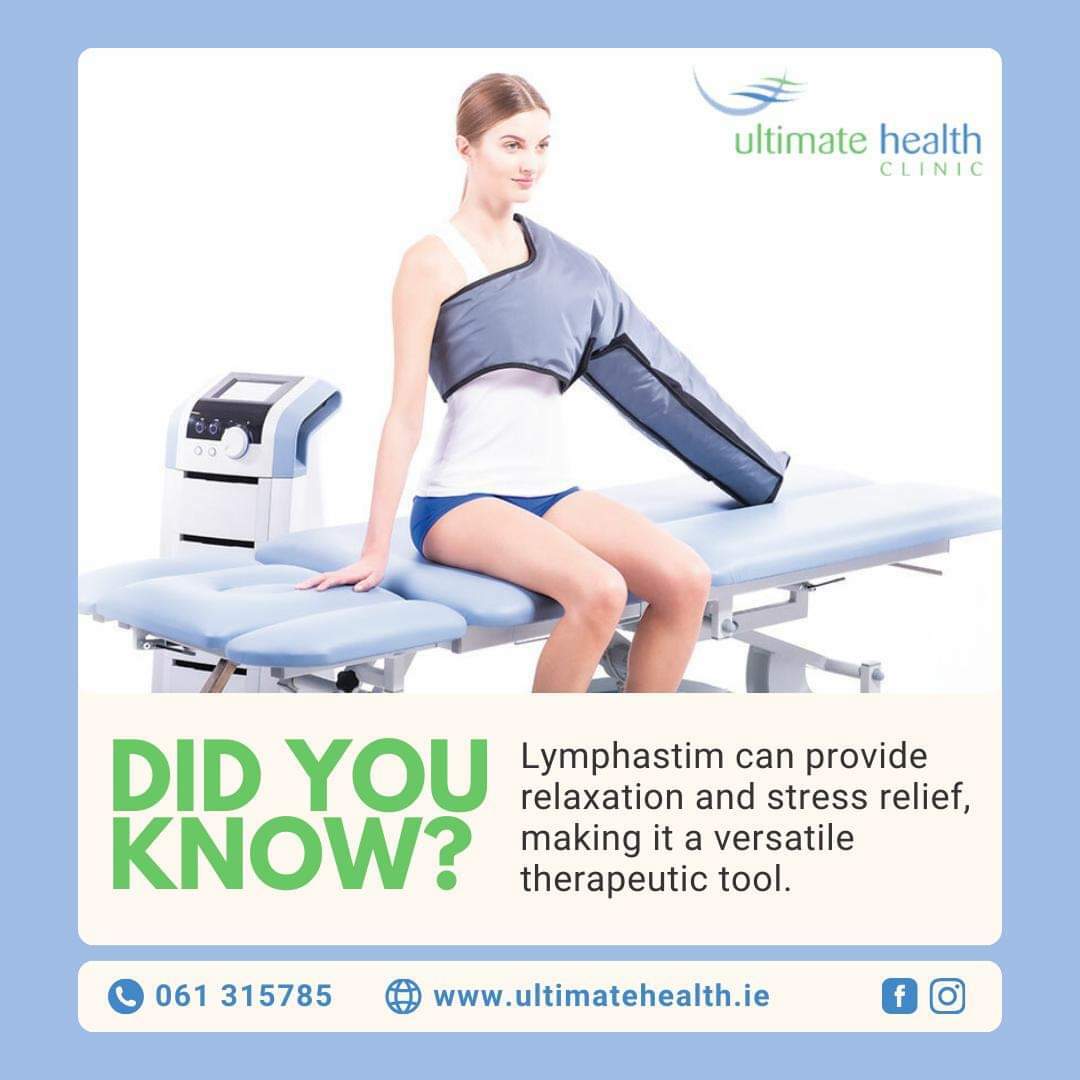 08/11/2023 0 CommentsDid you know that Lymphastim is more than just a therapeutic device?Read More
It's your go-to for relaxation and stress relief too!
-
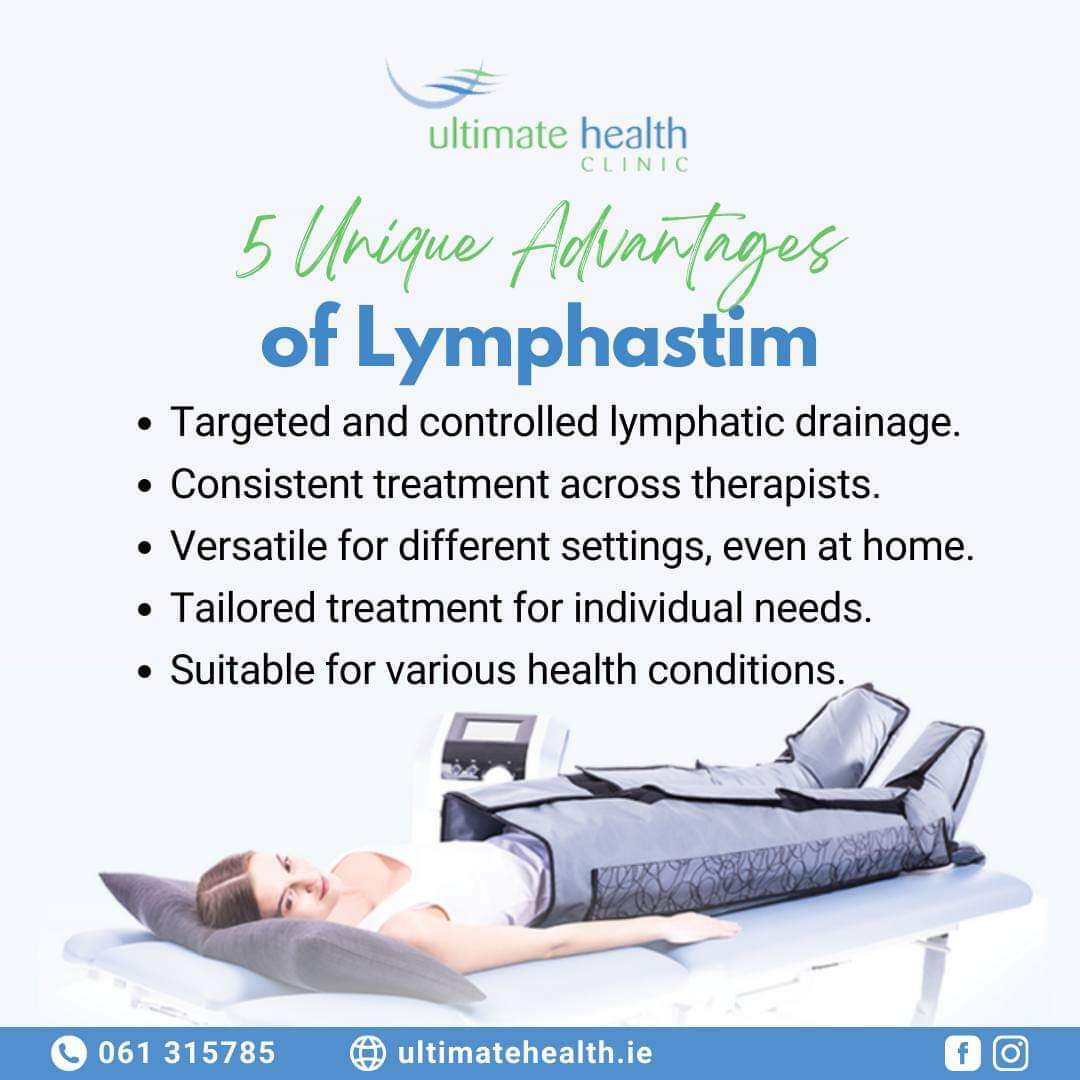 08/11/2023 0 CommentsDiscover the extraordinary advantages that make Lymphastim stand out:Read More
Discover the extraordinary advantages that make Lymphastim stand out:
-
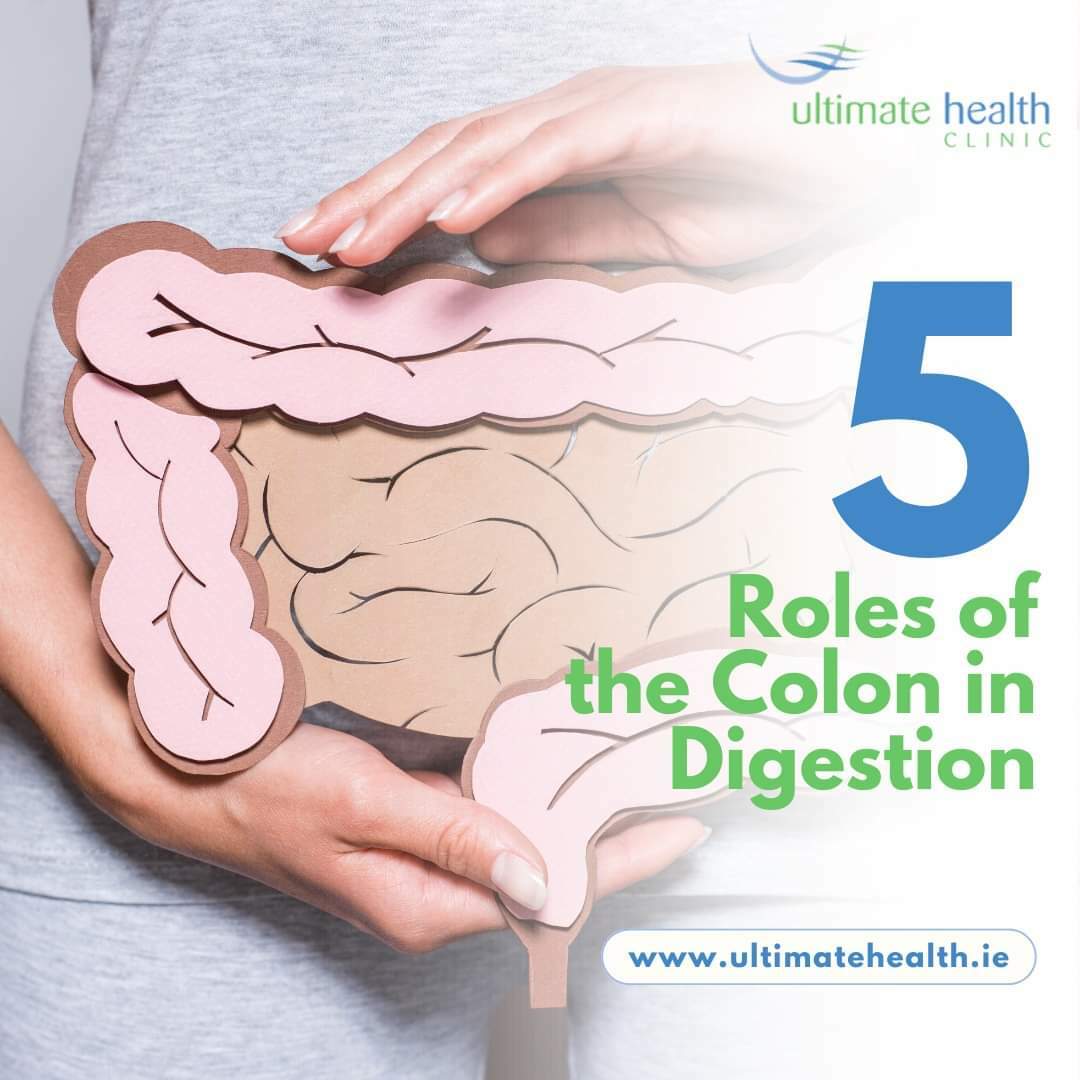 08/11/2023 0 CommentsOur colon plays several crucial roles in the digestion processRead More
Our colon plays several crucial roles in the digestion process, helping our body process food and eliminate waste effectively. Let's dive into the incredible functions it performs:
-
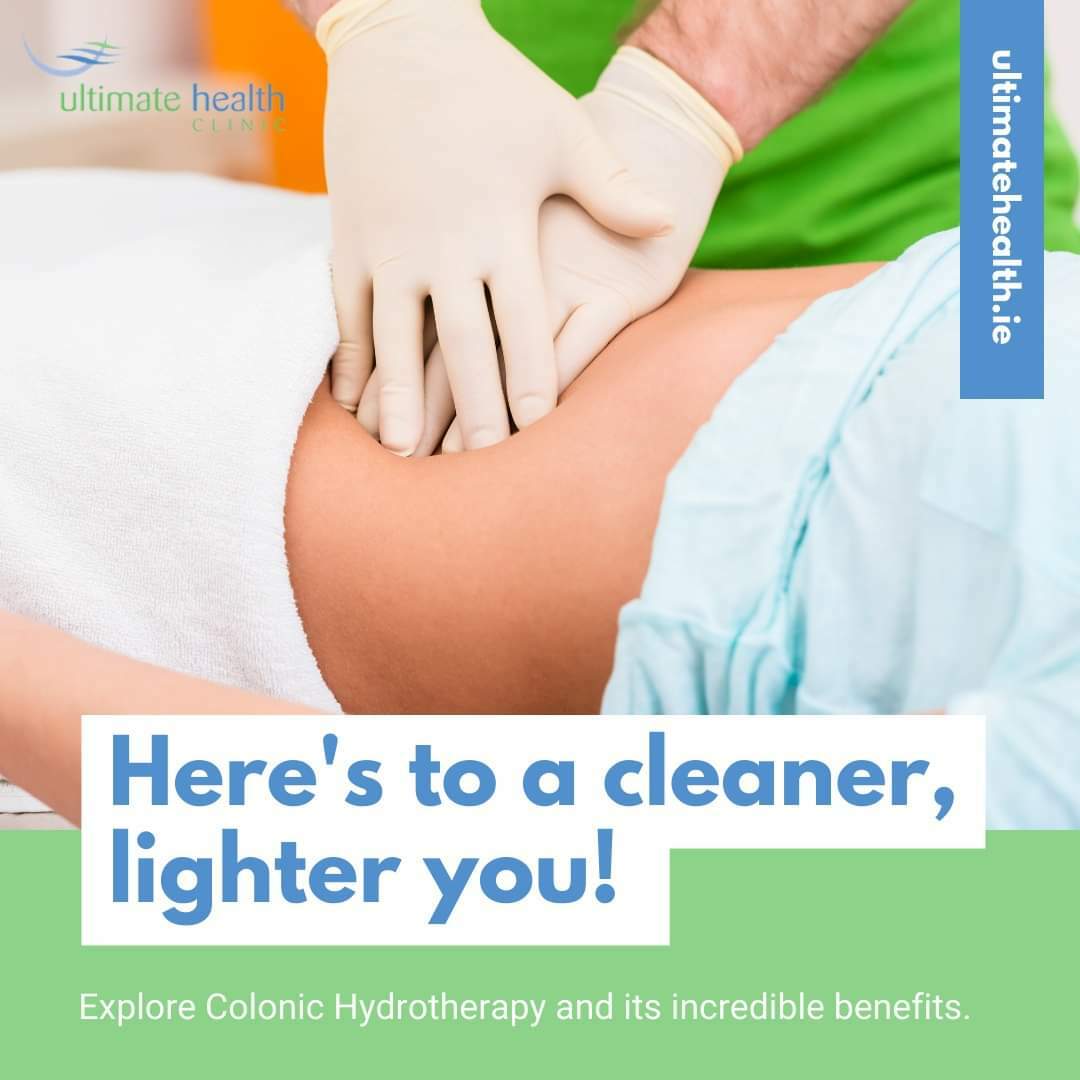 08/11/2023 0 CommentsCurious about the wonders of colonic hydrotherapy?Read More
Let's dive into the magic of this treatment:
-
 08/11/2023 0 CommentsSay goodbye to discomfort and hello to a more confident you.Read More
Confidence is just a seat away with Emsella! Say goodbye to discomfort and hello to a more confident you.
-
 08/11/2023 0 CommentsDid You Know?Read More
Your lymphatic system is your body's ultimate protector in wound healing, diligently removing debris and preventing infection.
-
 08/11/2023 0 CommentsIntroducing EmsellaRead More
Introducing Emsella, the chair that's redefining wellness by revitalizing pelvic health and boosting your self-assuredness from the inside out.
-
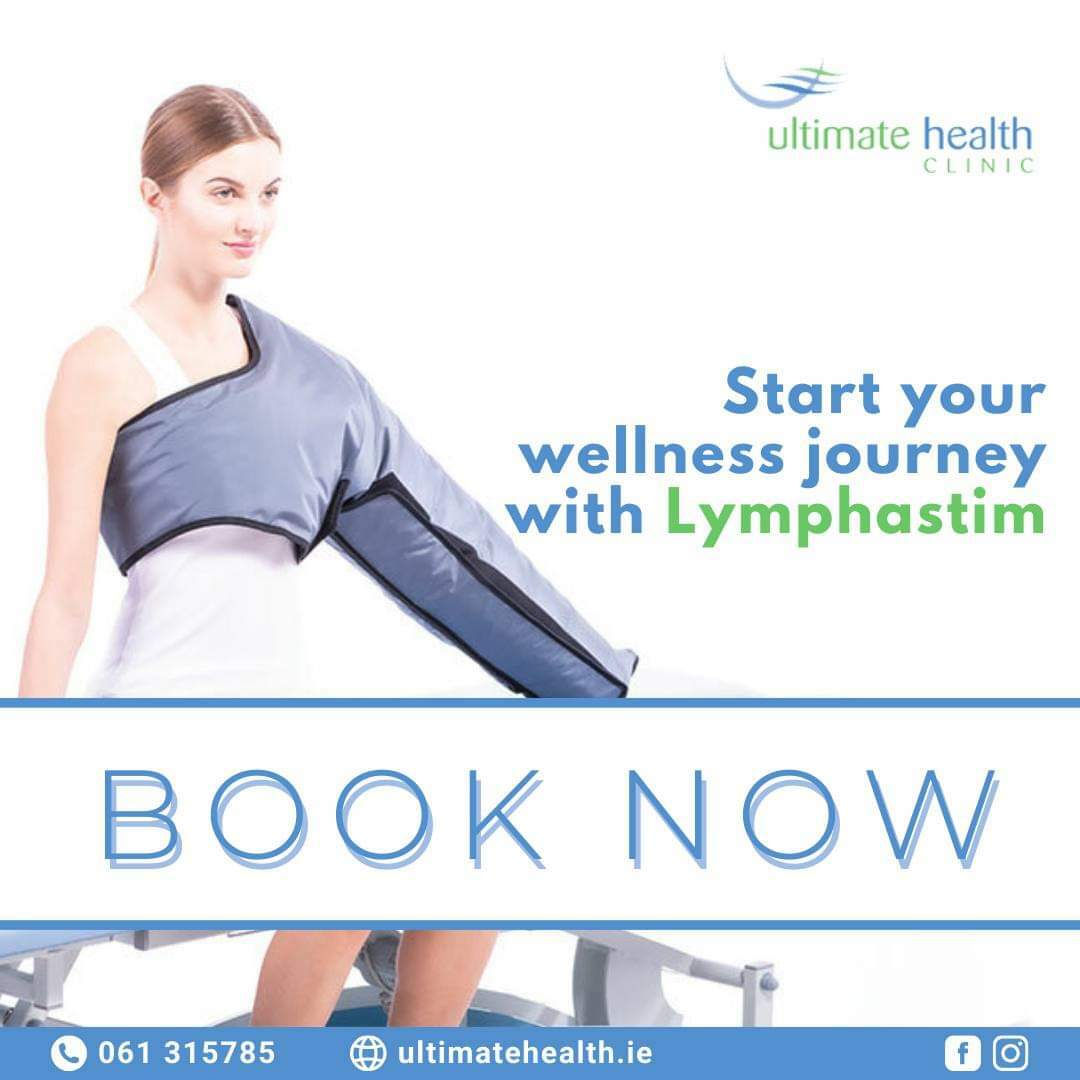 01/11/2023 0 CommentsReady to begin your wellness journey with Lymphastim?Read More
Lymphastim is here to redefine your path to health and vitality.
-
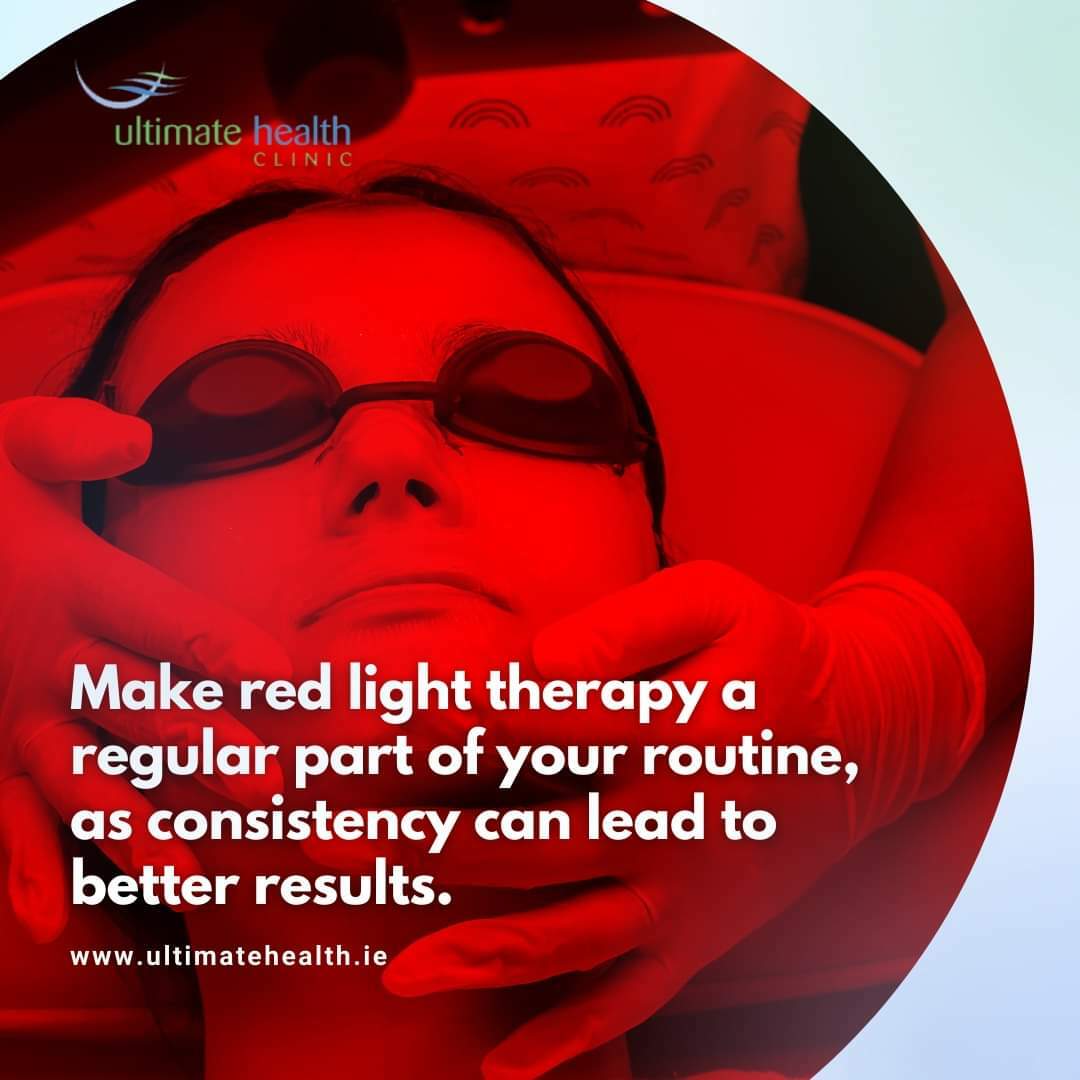 01/11/2023 0 CommentsConsistency is the name of the game when it comes to reaping the benefits of red light therapy.Read More
Whether you're chasing radiant skin, faster muscle recovery, or a mood boost, making it a routine is key.
-
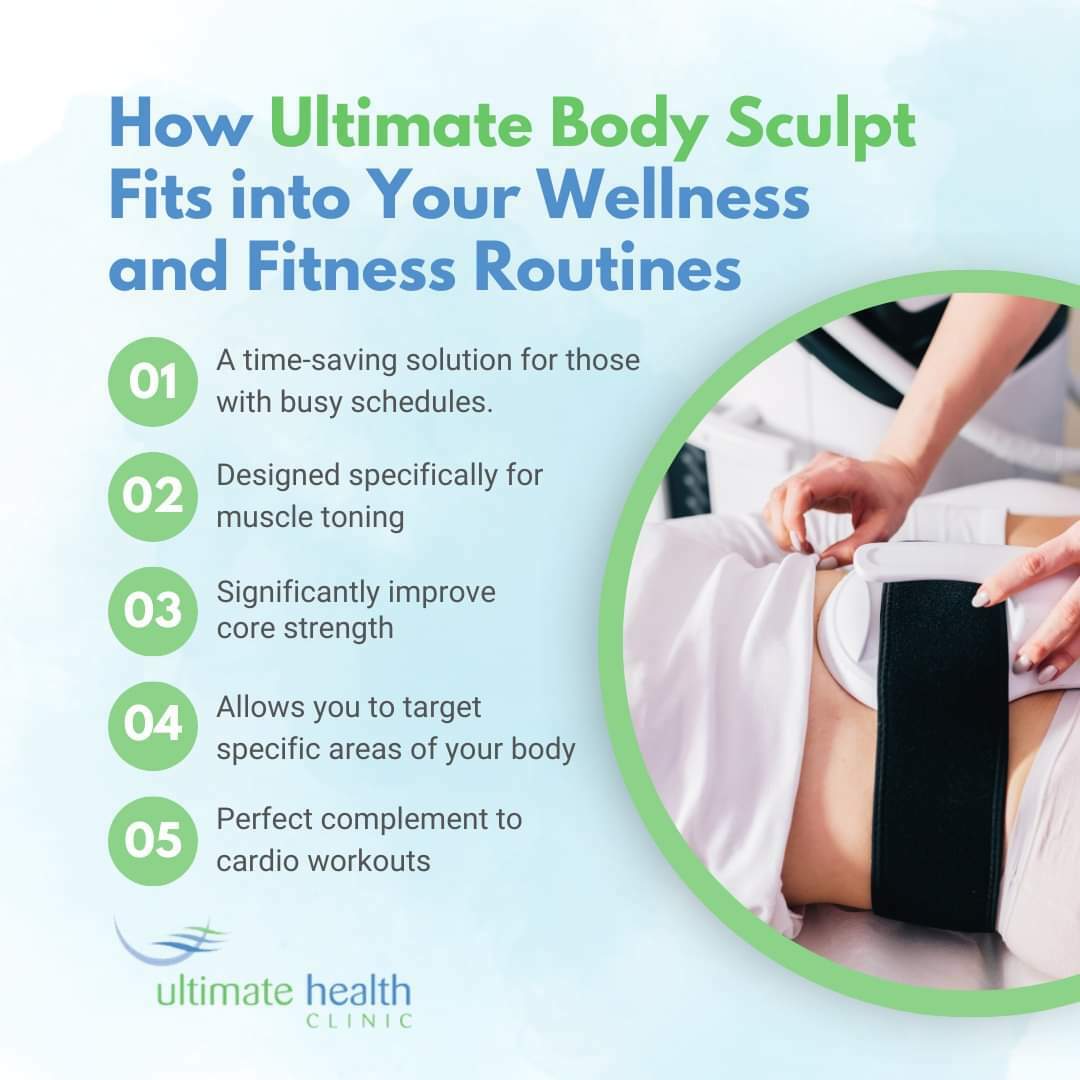 01/11/2023 0 CommentsOur Ultimate Body Sculpt isn't just about building muscleRead More
Our Ultimate Body Sculpt isn't just about building muscle; it's a holistic approach to enhancing your overall wellness and fitness journey.
-
 01/11/2023 0 CommentsDid you know that a single muscle cell can contract at speeds of up to 12 miles per hour?Read More
Now, imagine harnessing that incredible power to sculpt your dream physique!
-
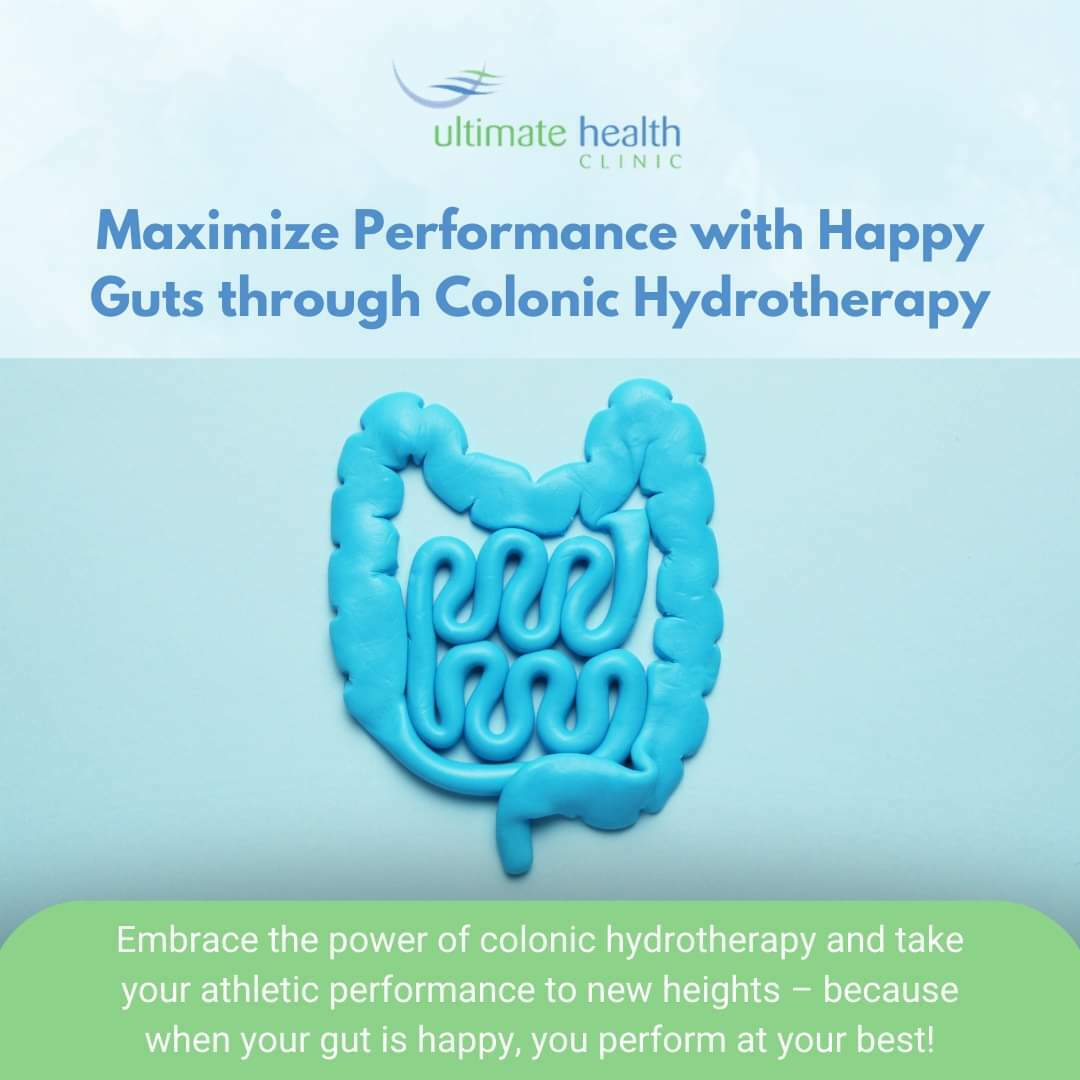 01/11/2023 0 CommentsMaximize Performance with Happy Guts through Colonic HydrotherapyRead More
Your gut's happiness is the key to peak performance, and colonic hydrotherapy is here to make it happen.
-
 17/10/2023 0 CommentsWhat Really Happens When You Step into an Emsella Session?Read More
During your Emsella session, you can expect a comfortable and non-invasive experience.
-
 17/10/2023 0 CommentsLet's talk about it – pelvic health matters!Read More
From urinary incontinence to pelvic pain, many of us face these challenges in silence.
-
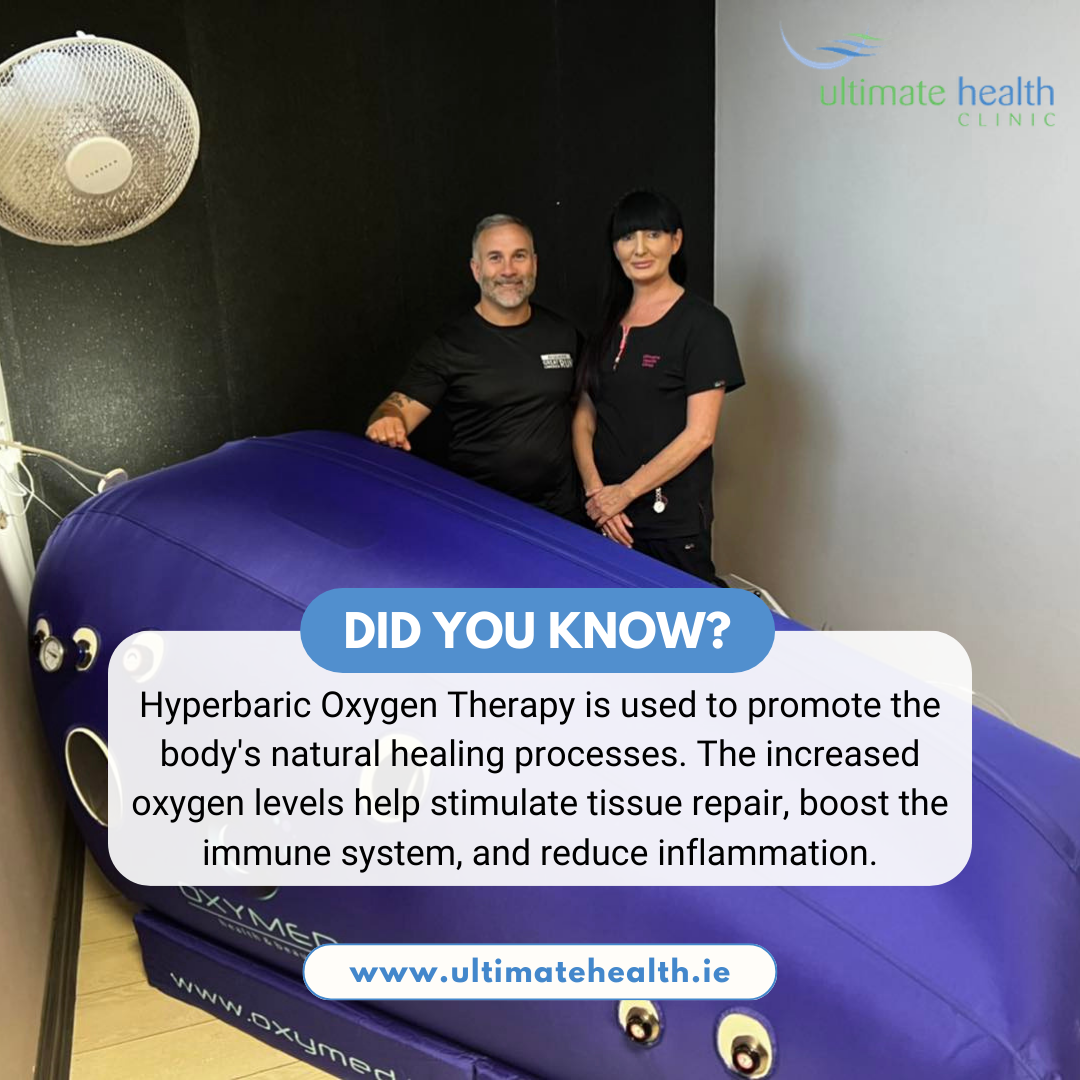 17/10/2023 0 CommentsUnlock Your Body's Healing Potential with Hyperbaric Oxygen Therapy!Read More
Are you ready to take your health and well-being to the next level?
-
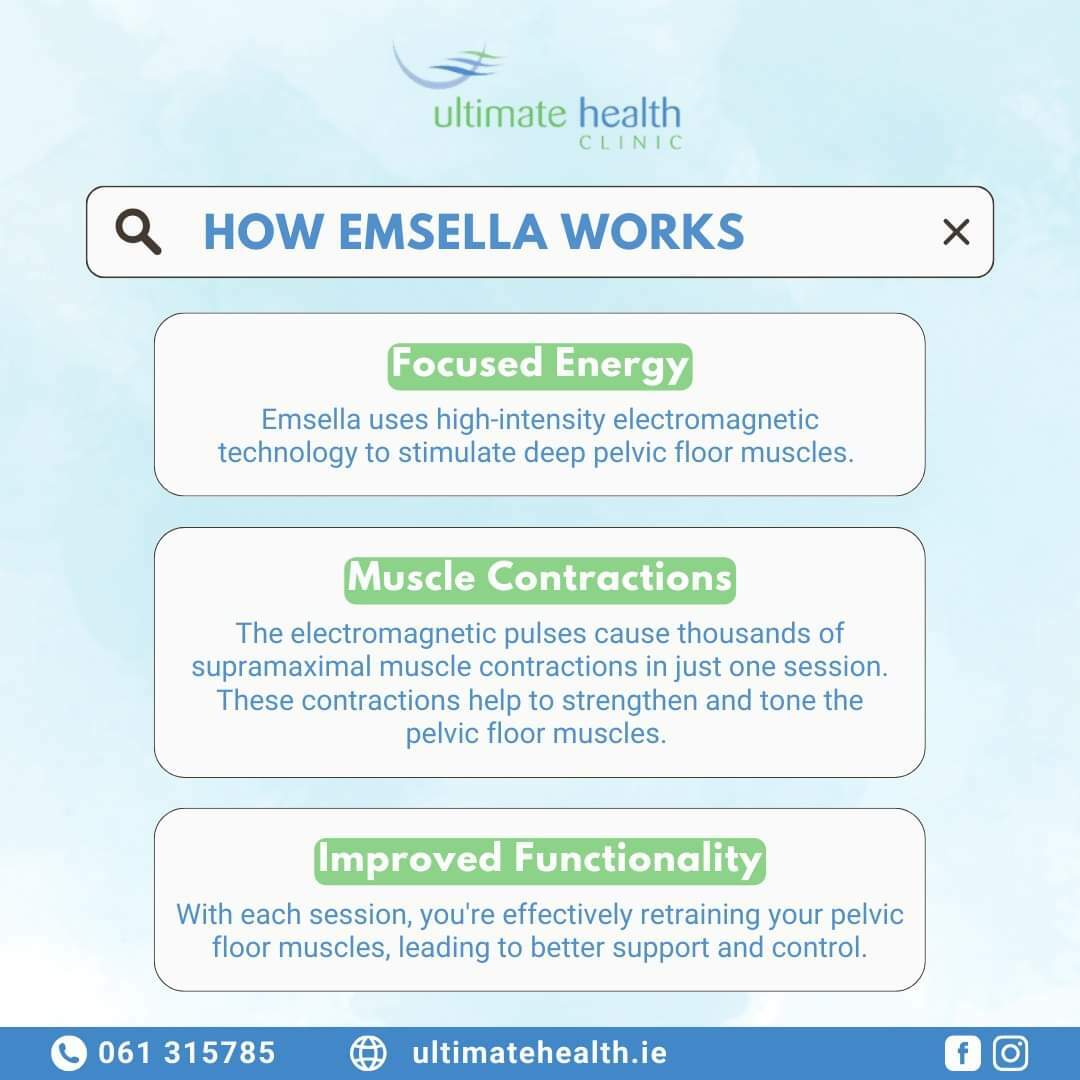 17/10/2023 0 CommentsCurious about the technology behind Emsella? Let's dive in!Read More
Emsella is a non-invasive electromagnetic treatment that's changing the game for pelvic floor health.
-
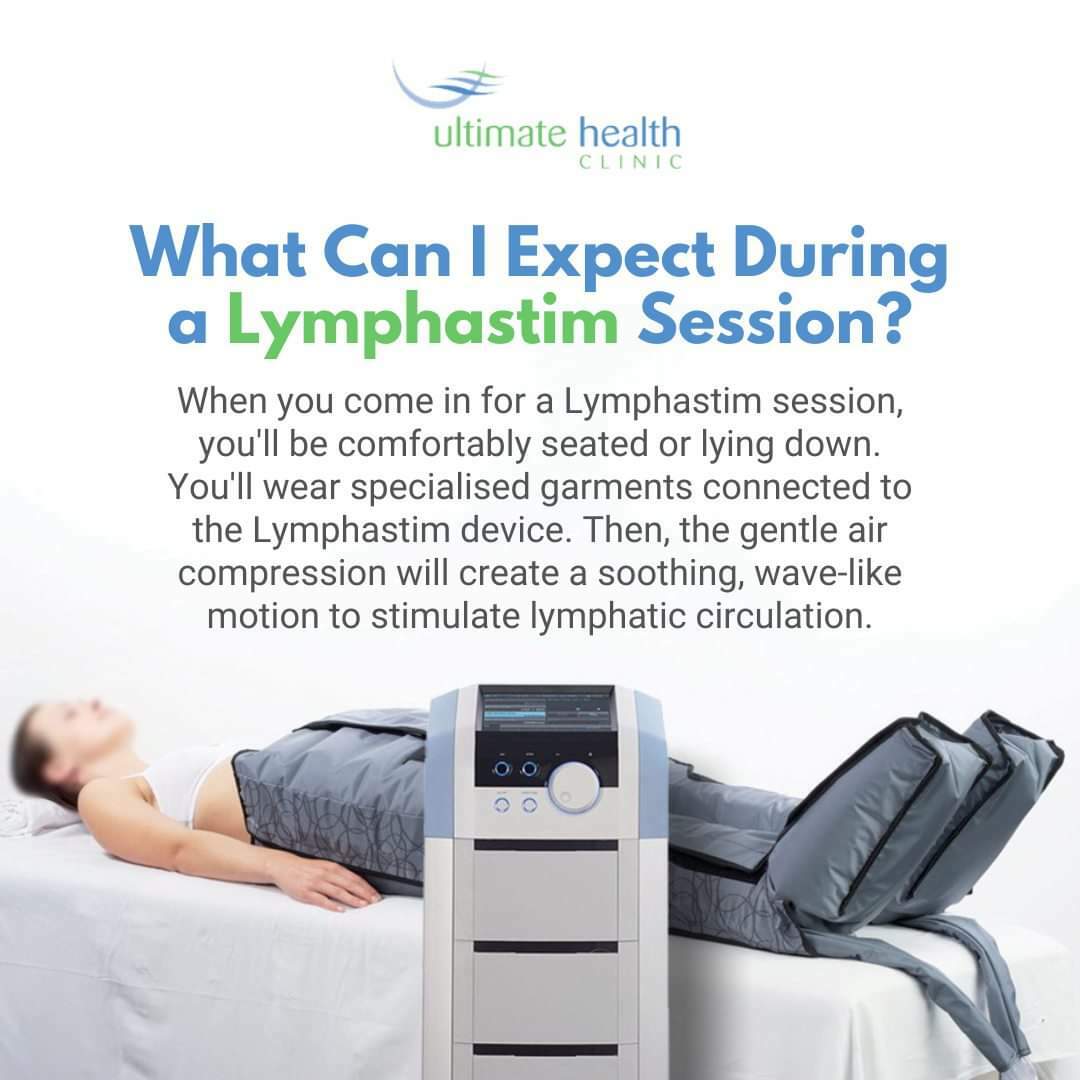 17/10/2023 0 CommentsWhat Can I Expect During a Lymphastim Session?Read More
You've heard about the incredible benefits of Lymphastim, but what does a session actually look and feel like? Let's take a sneak peek into what you can expect:
-
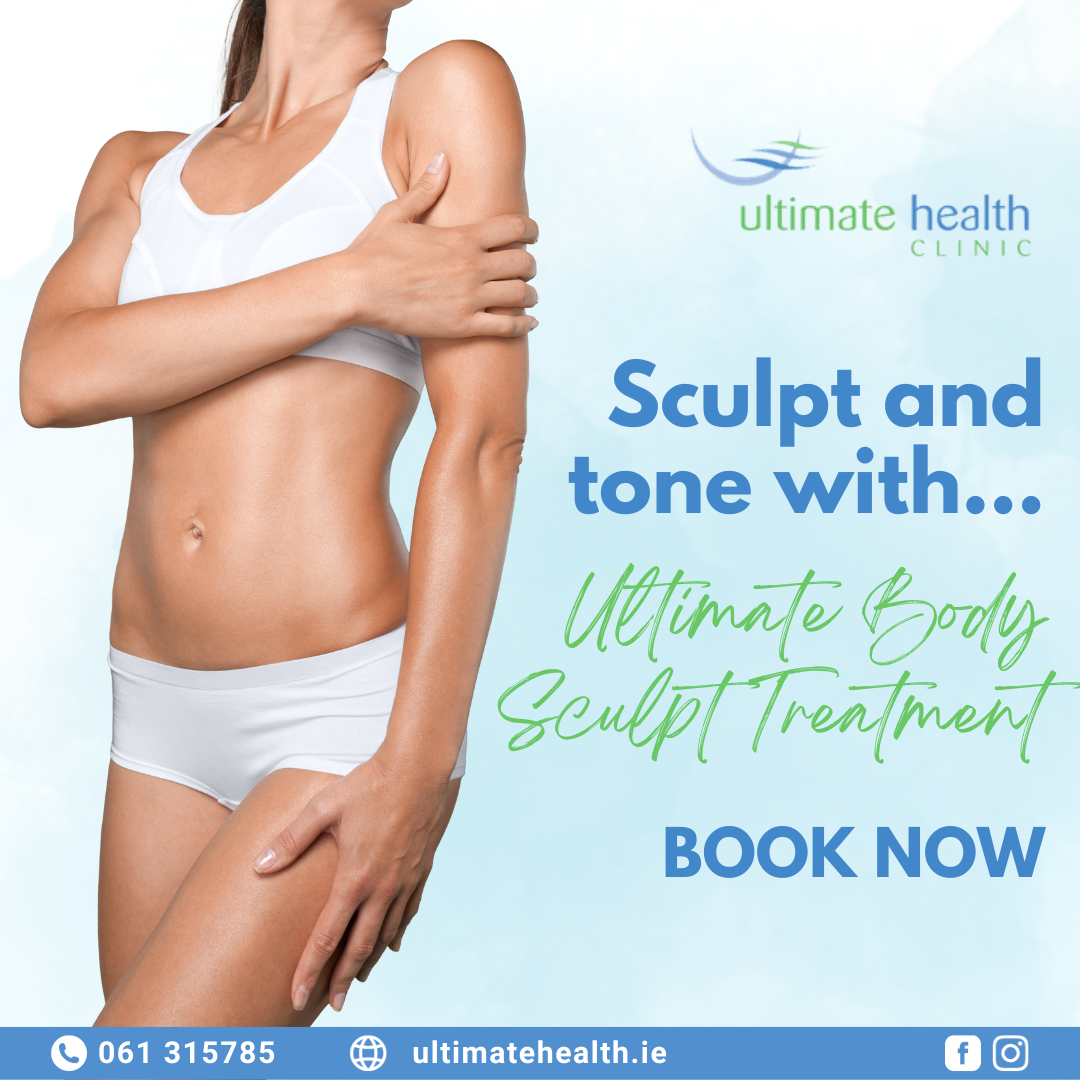 11/10/2023 0 CommentsAchieve Your Dream Body with Ultimate Body Sculpt Treatment! 😀Read More
At the Ultimate Health Clinic, we are excited to introduce you to our revolutionary Ultimate Body Sculpt Treatment, designed to help you achieve the body of your dreams.
-
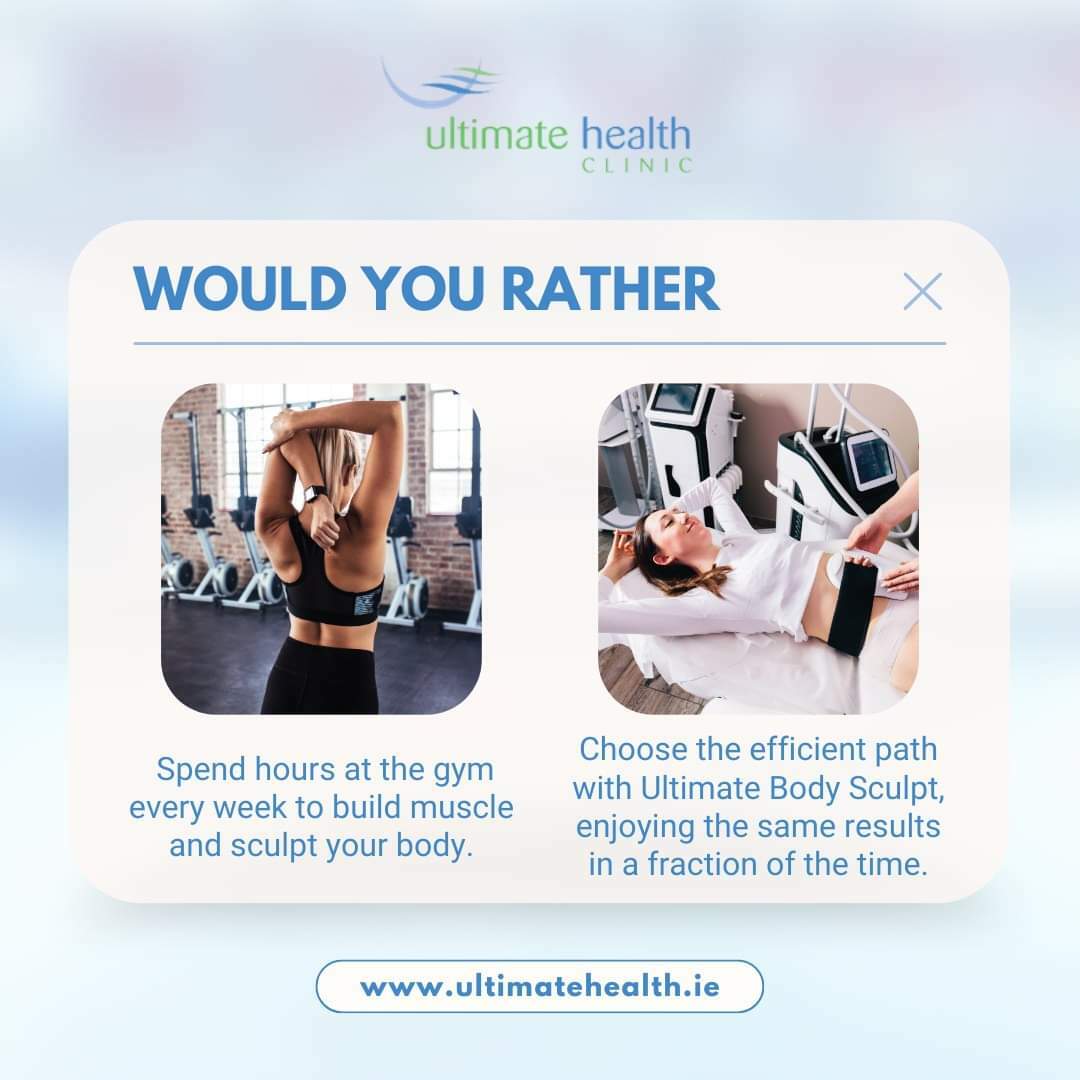 11/10/2023 0 CommentsTime to make a choice!Read More
Would you rather spend hours at the gym every week to build muscle
-
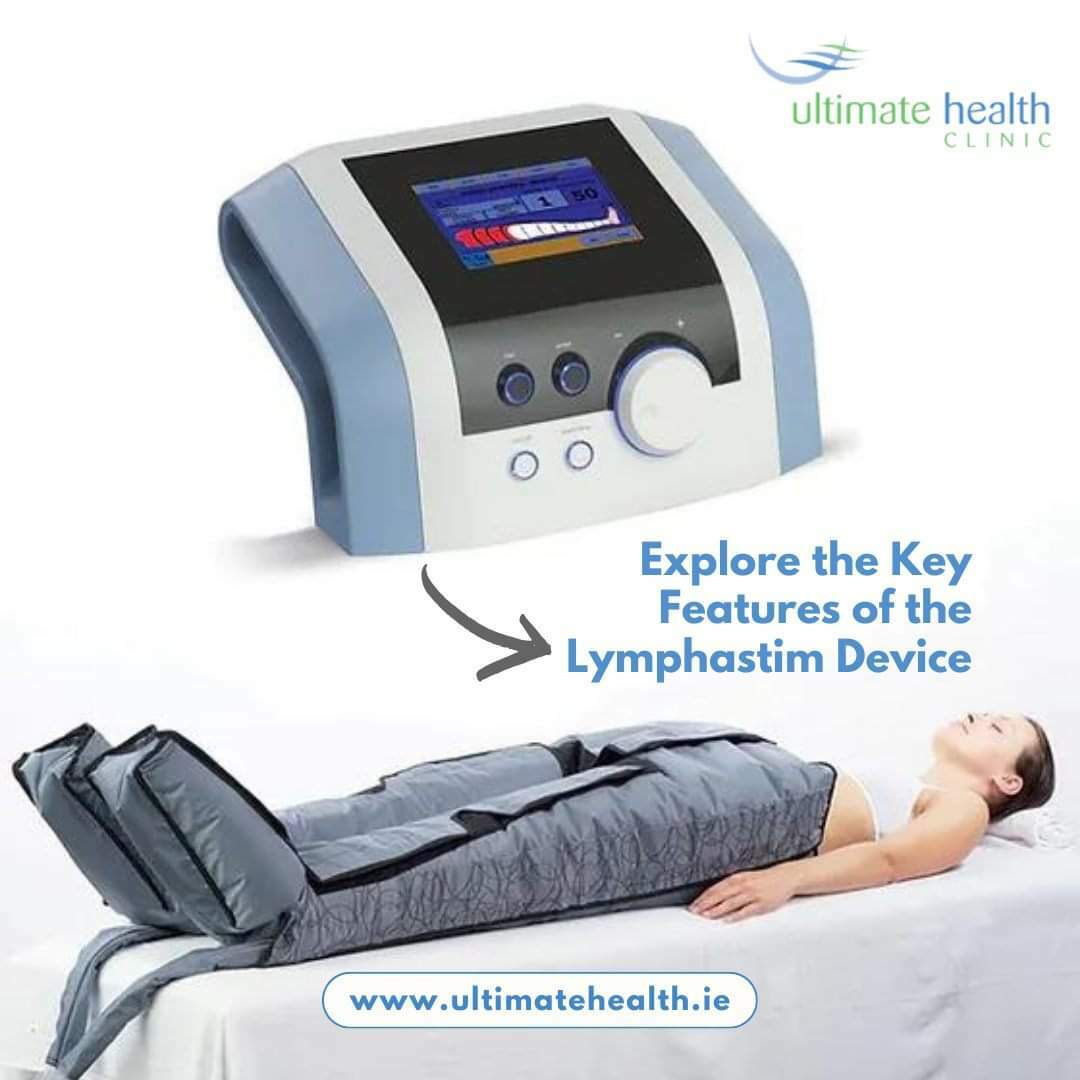 11/10/2023 0 CommentsElevate Your Self-Care Routine with Lymphastim!Read More
Looking for the ultimate self-care companion that will leave you feeling rejuvenated and reenergised?
-
 11/10/2023 0 CommentsPrepare to be mind-blown by the incredible power of our Ultimate Body Sculpt!Read More
During an Ultimate Body Sculpt session, your muscles go through an astonishing 20,000 contractions in just 30 minutes! Yes, you read that right – Twenty Thousand!
-
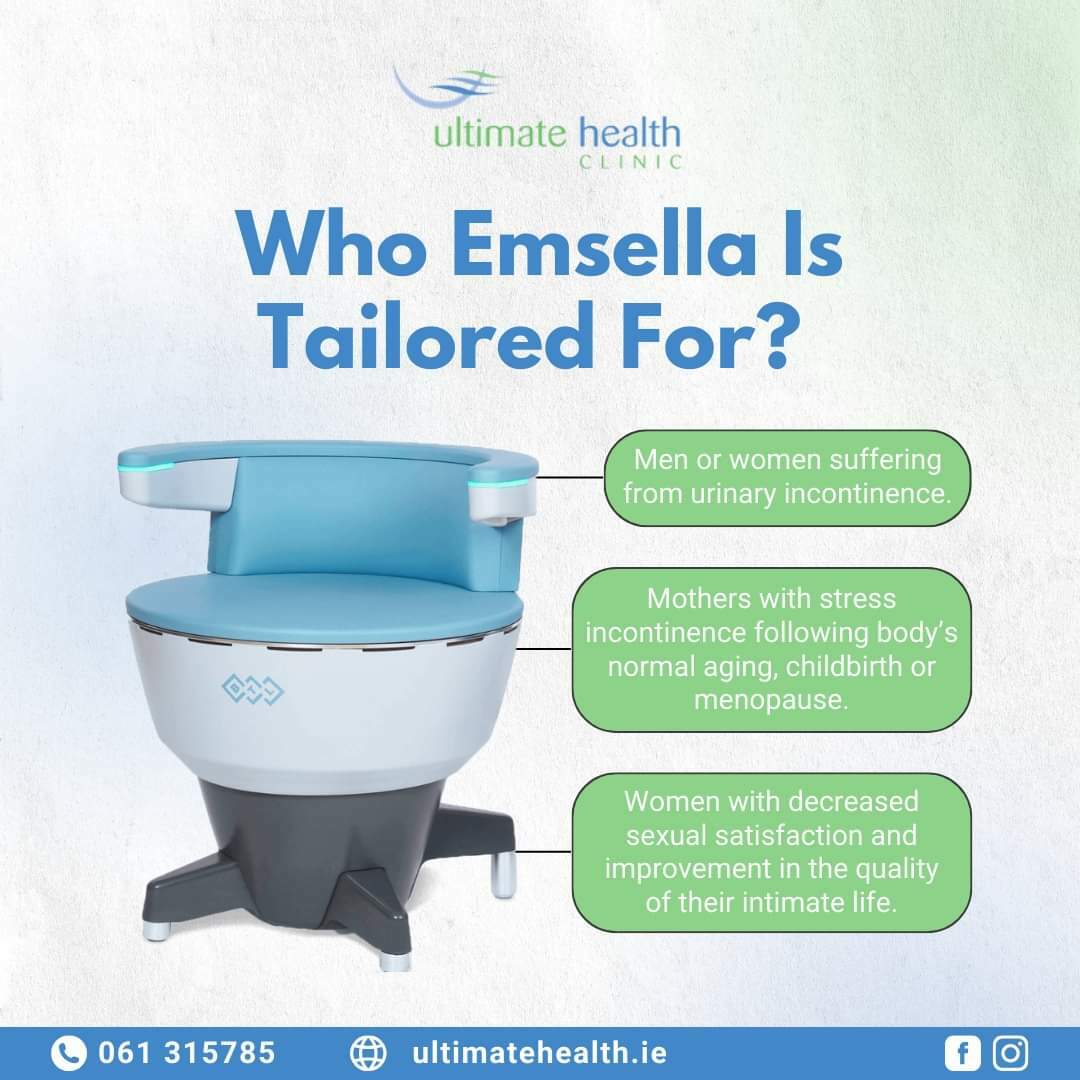 11/10/2023 0 CommentsLife is too precious to be limited by discomfort or inconvenience.Read More
Emsella understands that, and it's here to make a profound difference for you.
-
 11/10/2023 0 CommentsSupercharge Your Wellness with Our Exclusive Package Deal!Read More
Get 6 Lymphastim and 6 Sauna sessions all for just €580 (originally priced at €750).
Why Choose This Wellness Package?
-
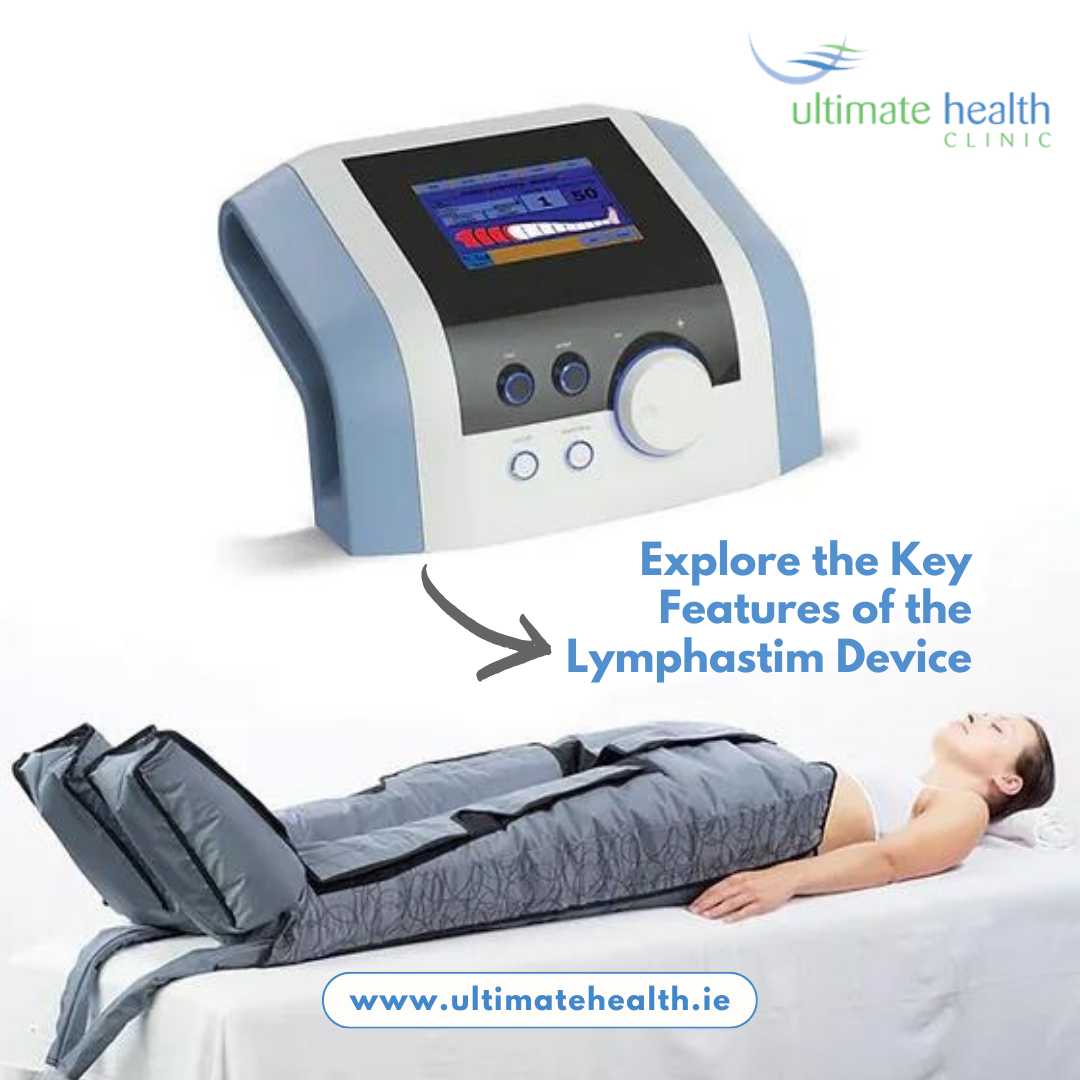 05/10/2023 0 CommentsDiscover the Future of Wellness with Lymphastim: Your Key to Ultimate Health!Read More
At the Ultimate Health Clinic, we are committed to offering you the latest and most effective solutions for your well-being. Today, we are excited to introduce you to the revolutionary Lymphastim Device, a groundbreaking therapy that can transform your health and vitality.
-
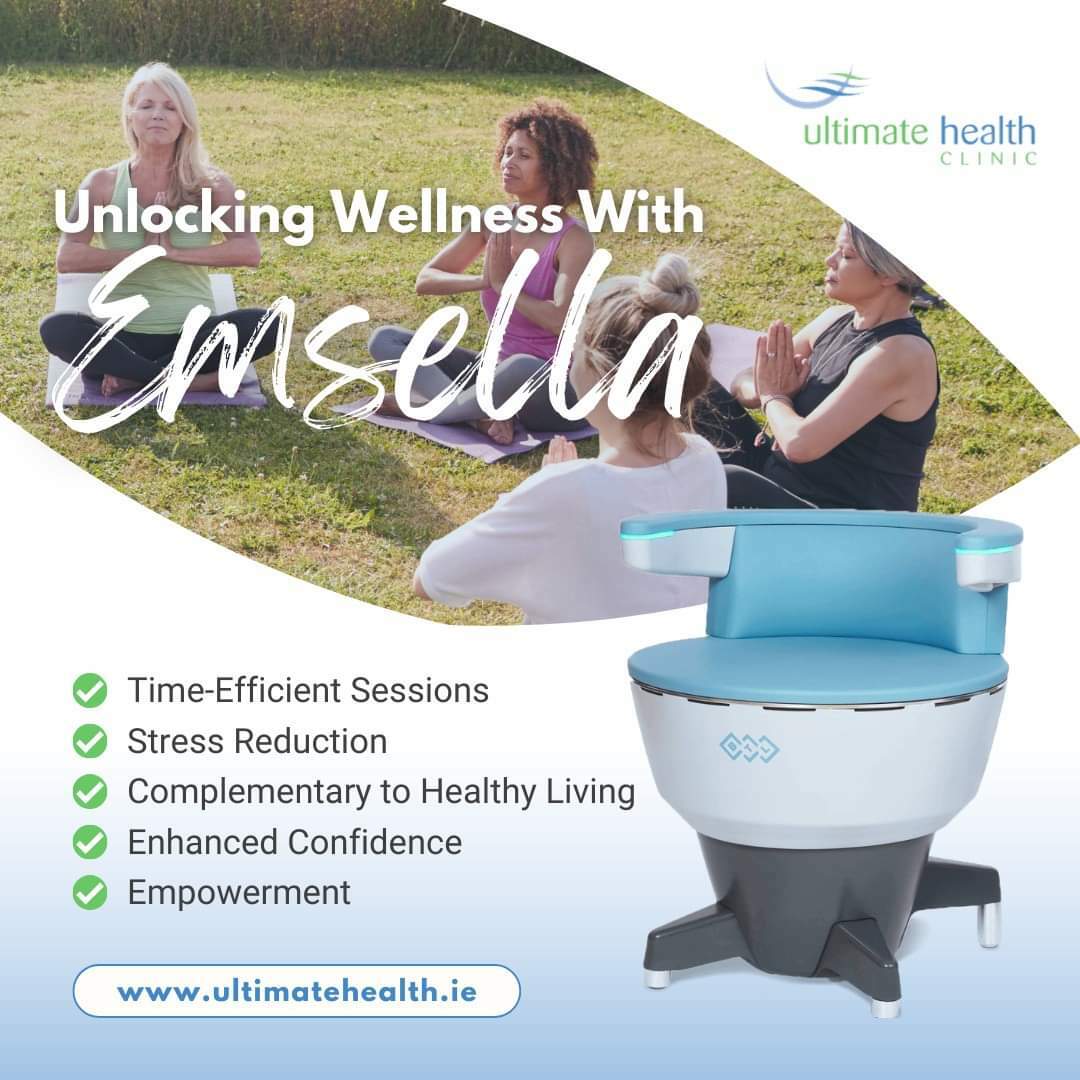 28/09/2023 0 CommentsIn the hustle and bustle of life, taking care of yourself should be a top priority.Read More
Enter Emsella, your partner in pelvic health and self-care.
-
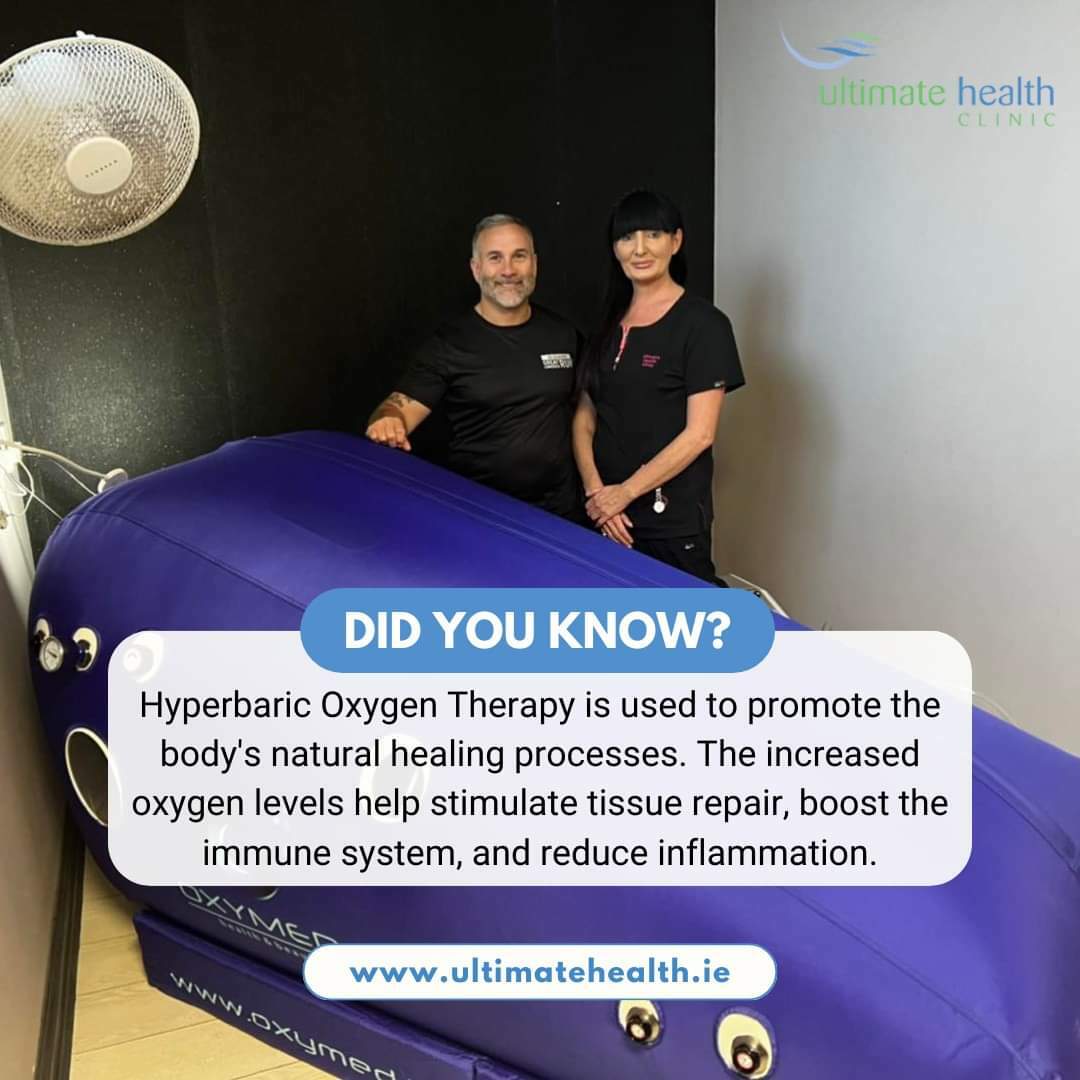 28/09/2023 0 CommentsHyperbaric Oxygen Therapy (HBOT) is all about giving your body an extra dose of oxygenRead More
Hyperbaric Oxygen Therapy (HBOT) is all about giving your body an extra dose of oxygen under increased pressure, and here's why it's amazing:
-
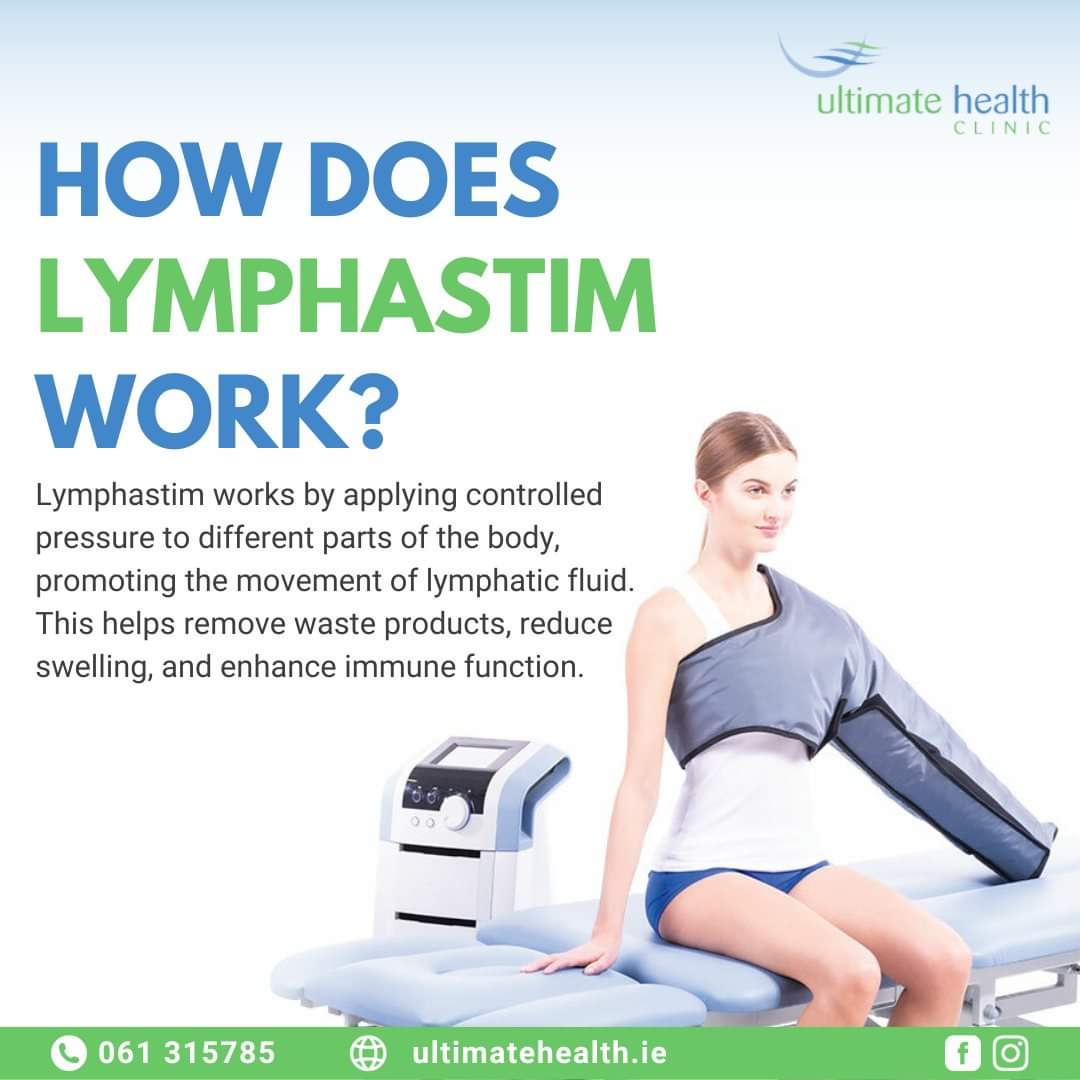 28/09/2023 0 CommentsEver wondered how Lymphastim work?Read More
It's all about the power of controlled pressure! By gently applying pressure to different parts of your body, Lymphastim kickstarts the flow of lymphatic fluid.
-
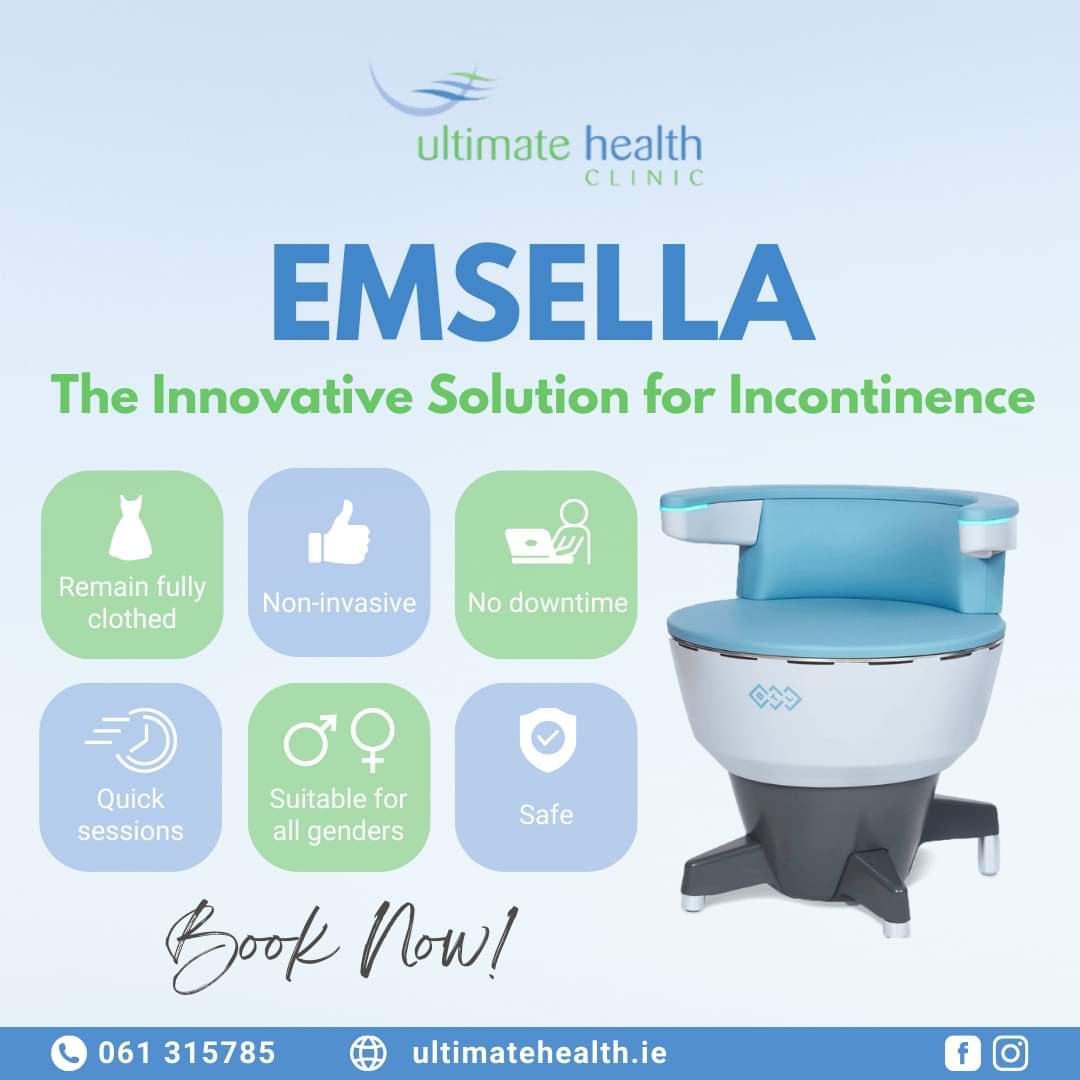 28/09/2023 0 CommentsSay goodbye to bladder leaks and hello to confidence! Discover the innovative solution that's changing lives one treatment at a time.Read More
In this post, we aim to shed light on the remarkable benefits of Emsella.
-
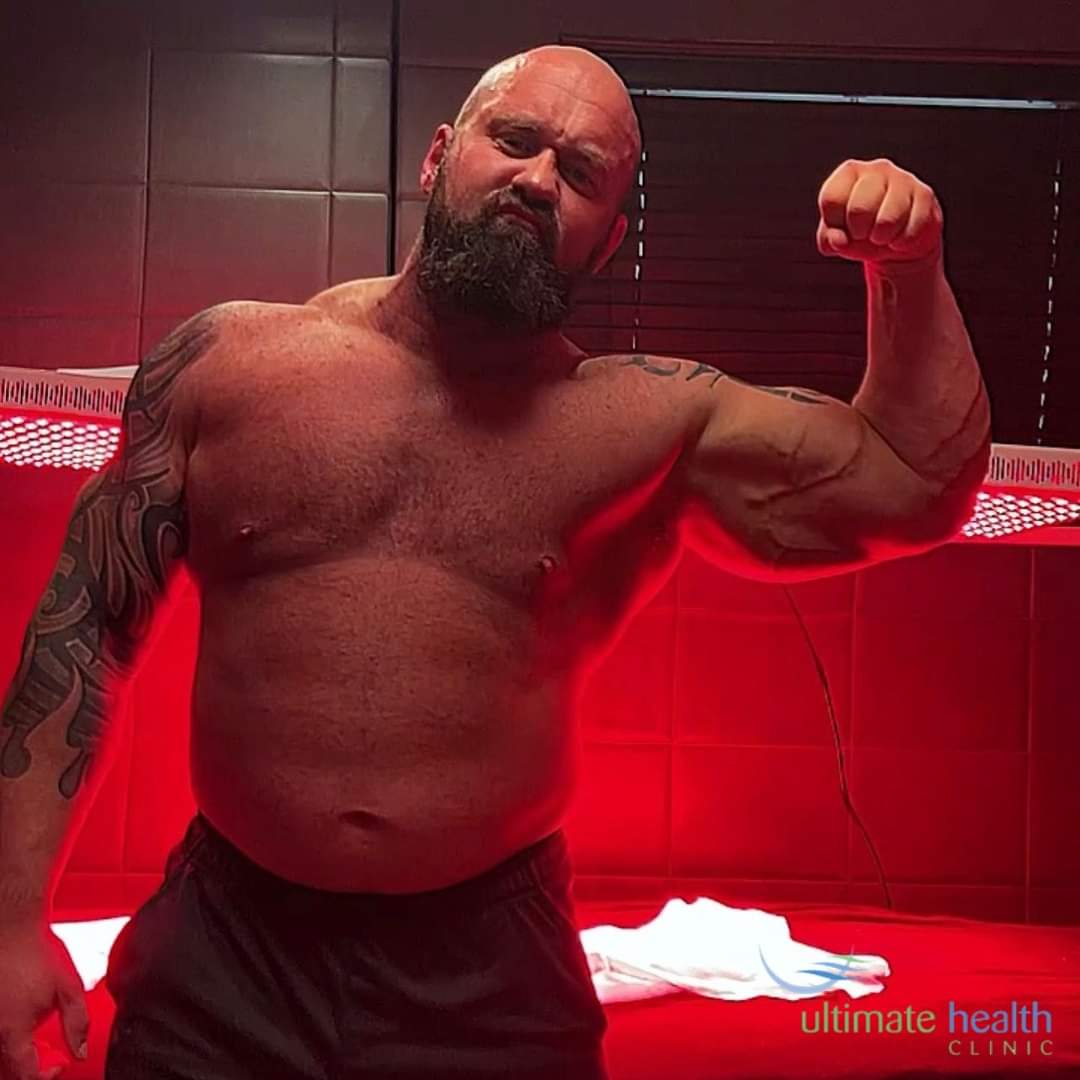 28/09/2023 0 CommentsStart your day with a burst of energy!Read More
Red Light Therapy is your secret weapon for an energetic and productive morning. It's amazing how a few minutes under those soothing red lights can kickstart your day on the right foot.
-
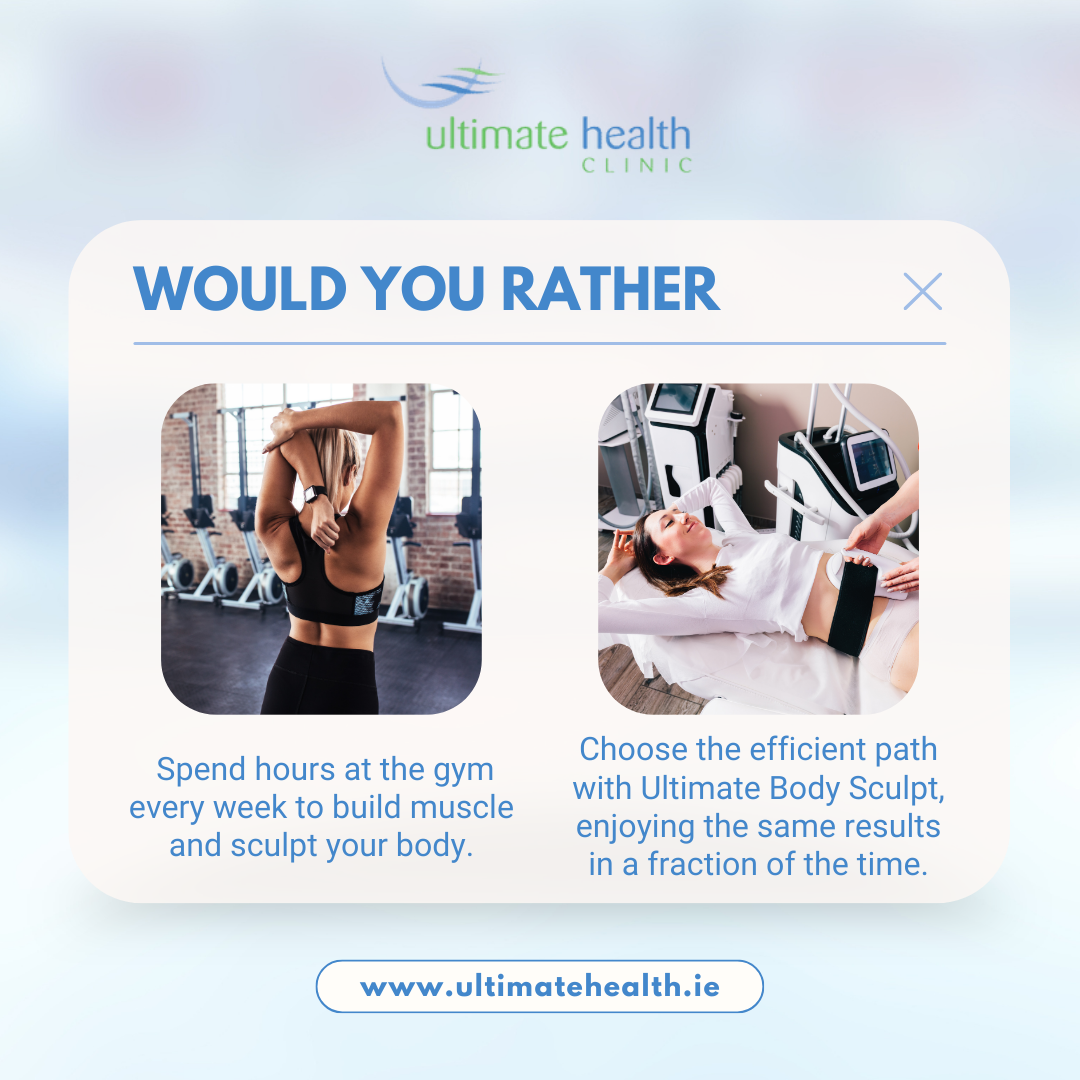 28/09/2023 0 CommentsAchieve Your Dream Body Faster with Ultimate Body Sculpt!Read More
Are you tired of spending countless hours at the gym every week sweating it out to build muscle and sculpt your body?
-
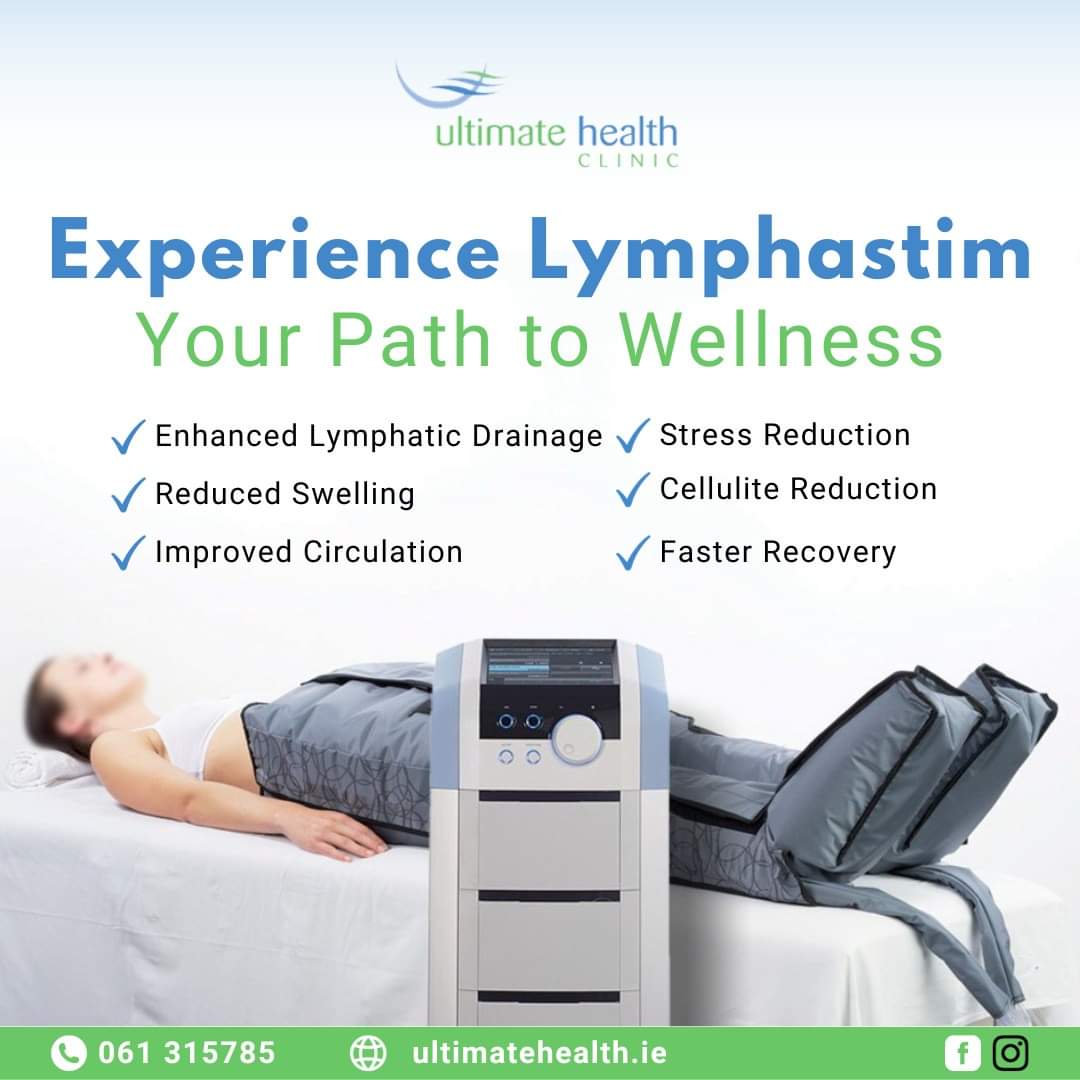 28/09/2023 0 CommentsIt's time to experience the path to wellness like never before!Read More
Introducing, Lymphastim.
-
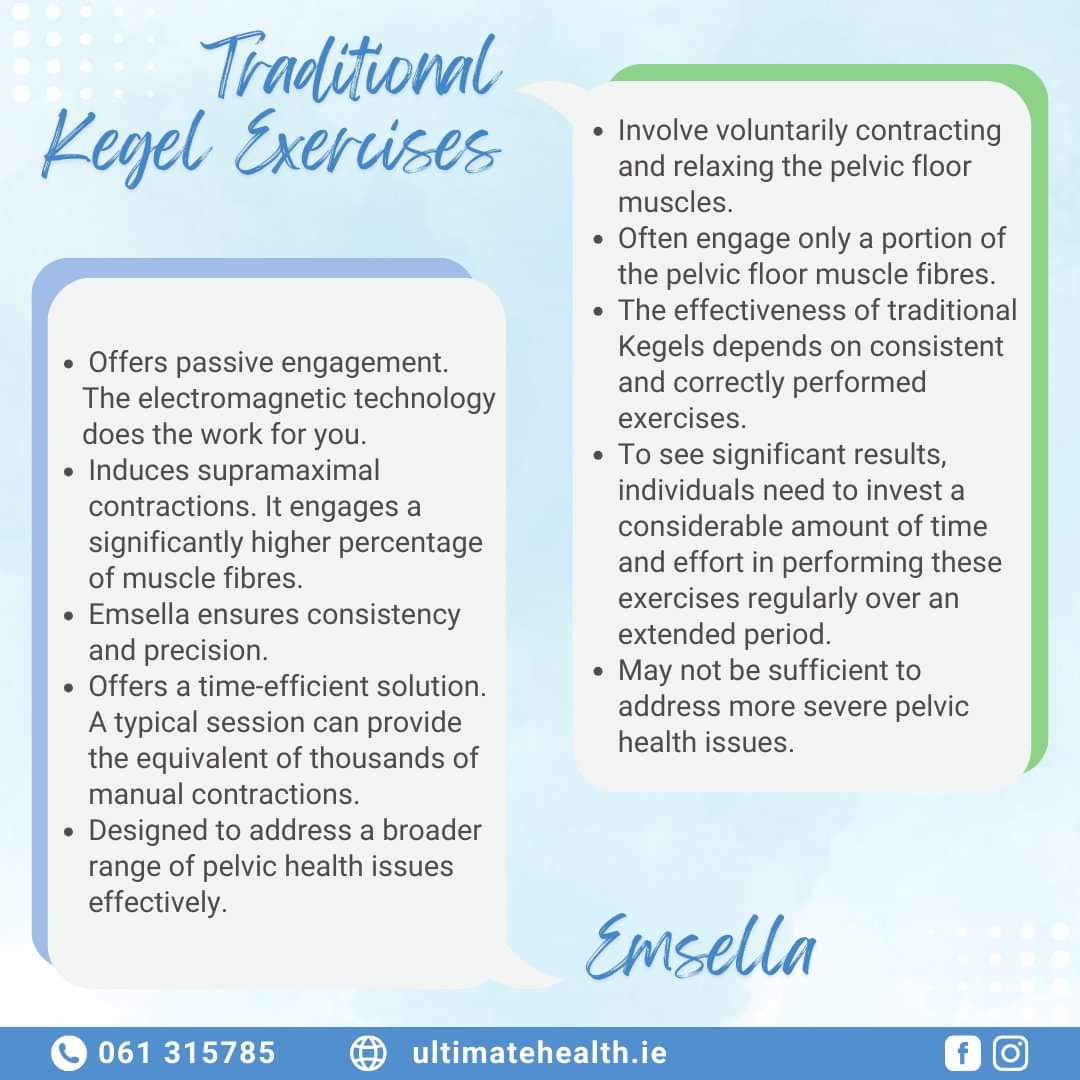 28/09/2023 0 CommentsEmsella vs. Traditional Kegel Exercises – Which one should you choose?Read More
Emsella:
Say hello to the future of pelvic floor fitness! Emsella uses cutting-edge electromagnetic technology to effortlessly stimulate and strengthen your pelvic floor muscles. Just sit on the Emsella chair, and it does the rest – you can multitask while it works its magic! -
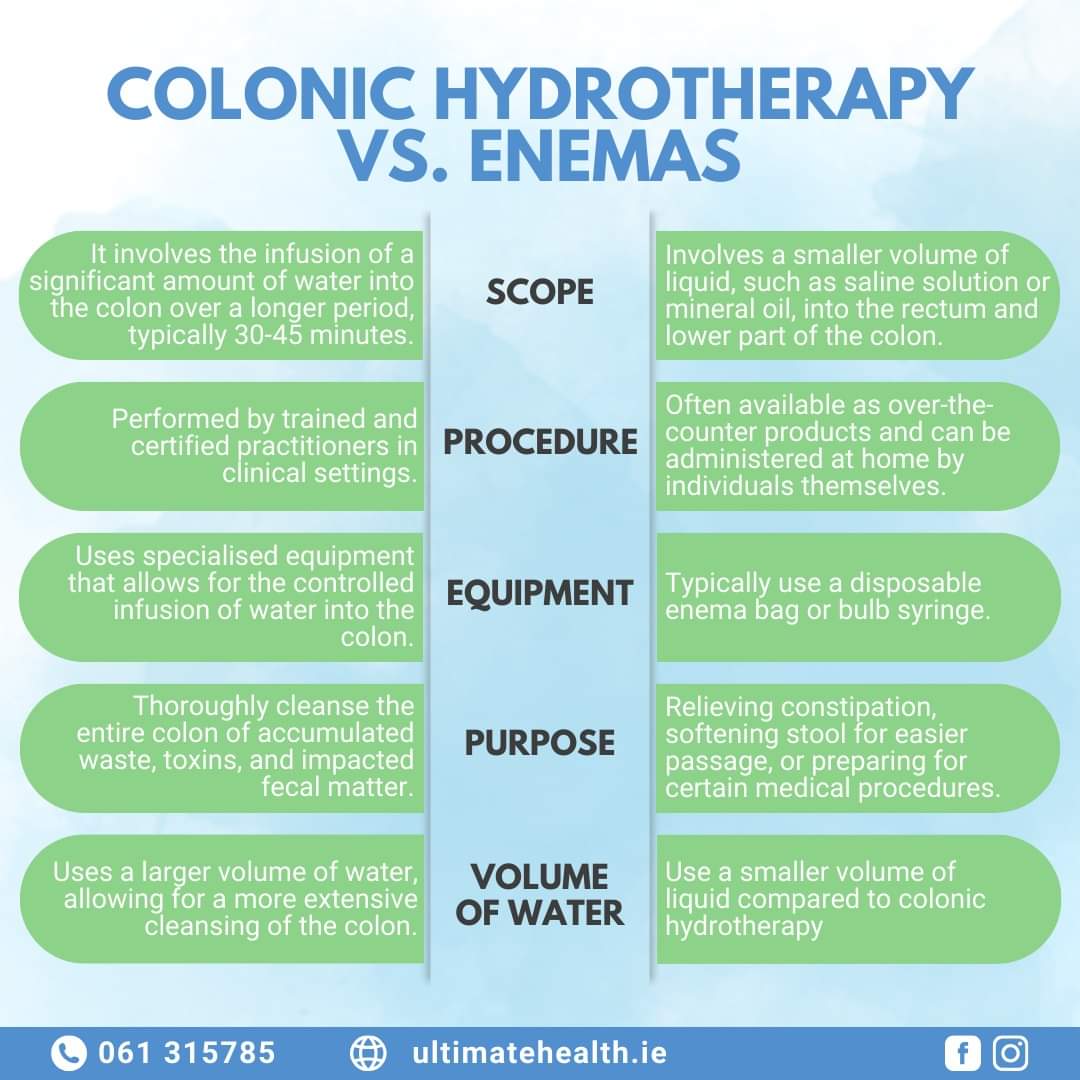 28/09/2023 0 CommentsAre you curious about how to maintain a healthy gut and digestive system?Read More
Let's dive into the intriguing differences between Colonic Hydrotherapy and Enemas.
-
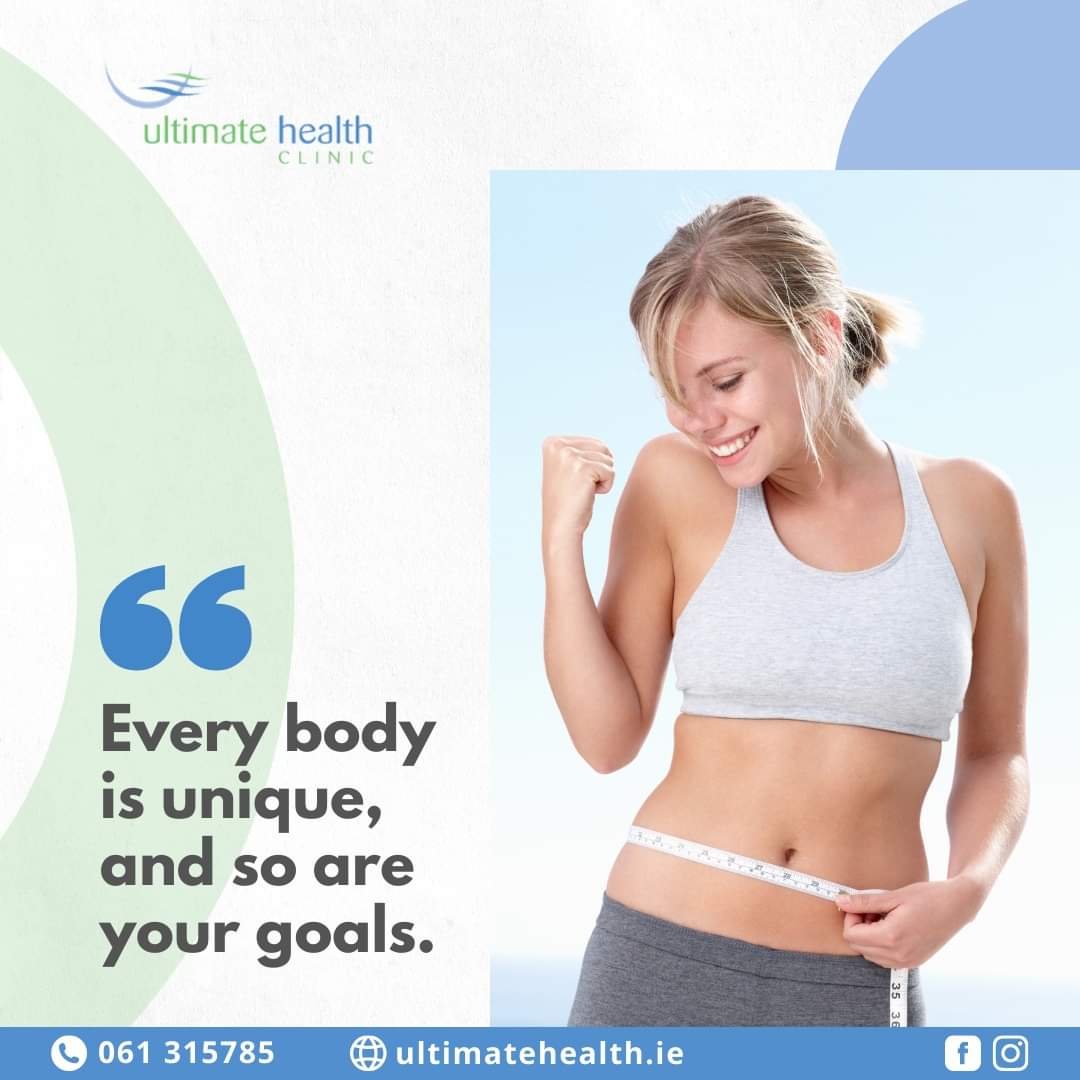 28/09/2023 0 CommentsYour journey is like no other, and so are your fitness goals.Read More
The Ultimate Body Sculpt understands your uniqueness and tailors treatments just for you,
-
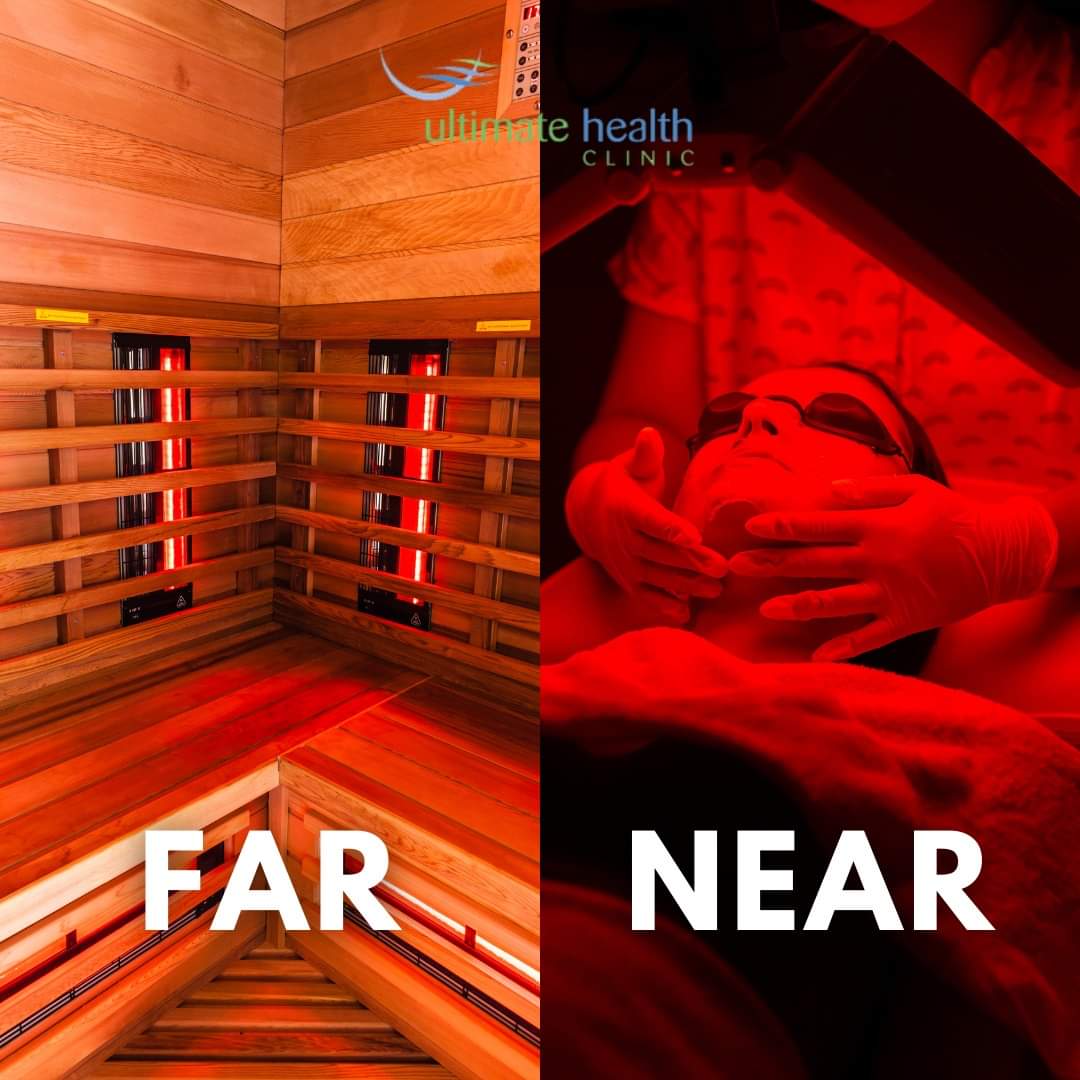 28/09/2023 0 CommentsShedding Light on Wellness: Far Light Therapy vs. Near Infrared LightRead More
The difference between Far Light Therapy and Near Infrared Light mainly comes from their wavelengths and what they do in the body.
-
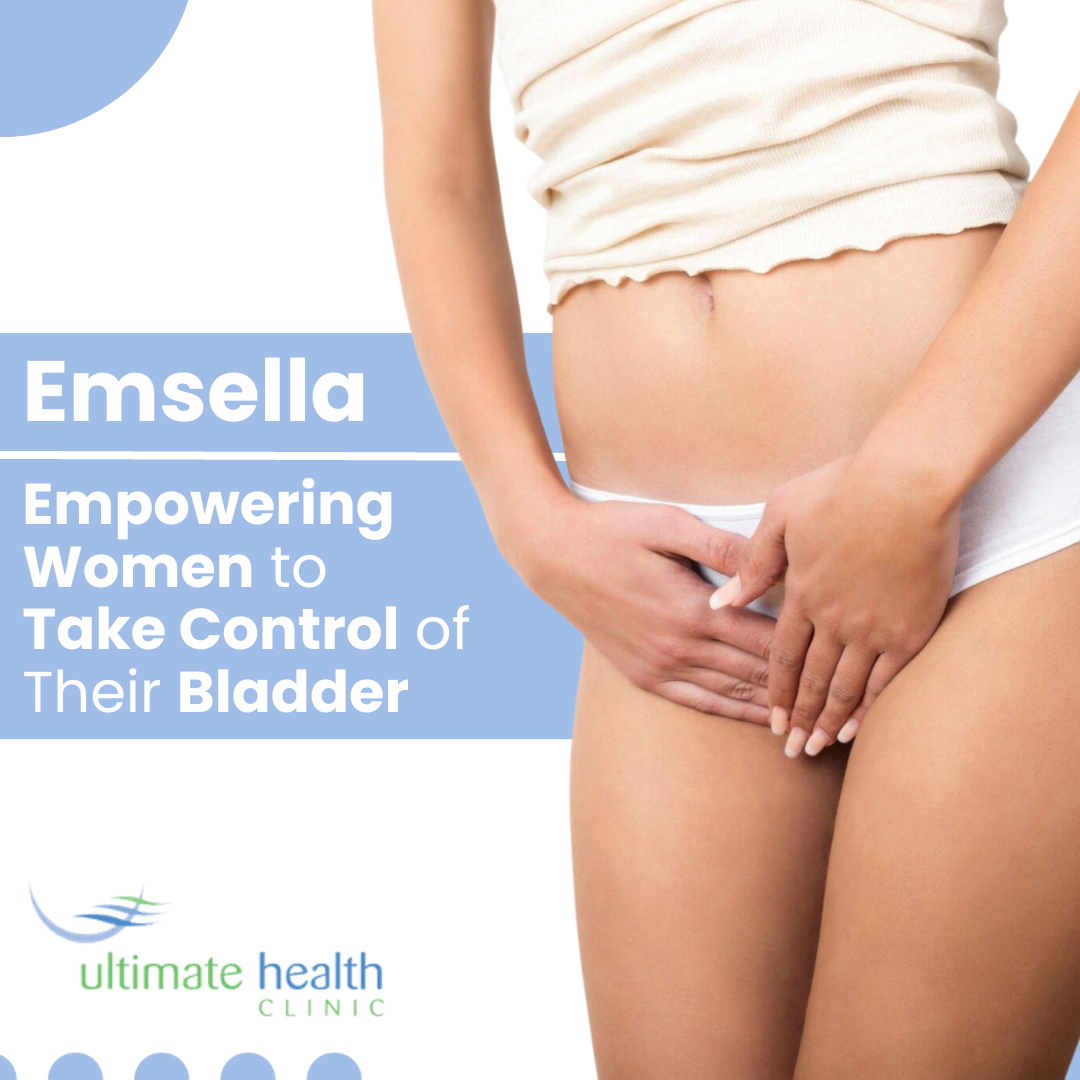 28/09/2023 0 CommentsEmsella Chair Now Available at the Ultimate Health Clinic!Read More
We are thrilled to share some exciting news with you! The Ultimate Health Clinic is proud to announce that we have introduced the highly acclaimed Emsella Chair to our range of innovative treatments.
-
 28/09/2023 0 CommentsProgress may be slow at times, but every step, no matter how small, is a testament to your dedicationRead More
You're crafting a journey that's not just about reaching a destination, but about becoming the best version of yourself.
- 28/09/2023 0 CommentsDiscover the Ultimate Way to Sculpt Your Body with Fat Freezing!Read More
Are you tired of struggling with stubborn pockets of fat that just won't budge, no matter how much you diet and exercise?
-
 28/09/2023 0 CommentsAre you tired of playing a never-ending guessing game with your body?Read More
Say goodbye to the frustration and confusion that comes with unexplained tummy troubles, persistent skin issues, and those sensitivities that seem to be holding you back.
-
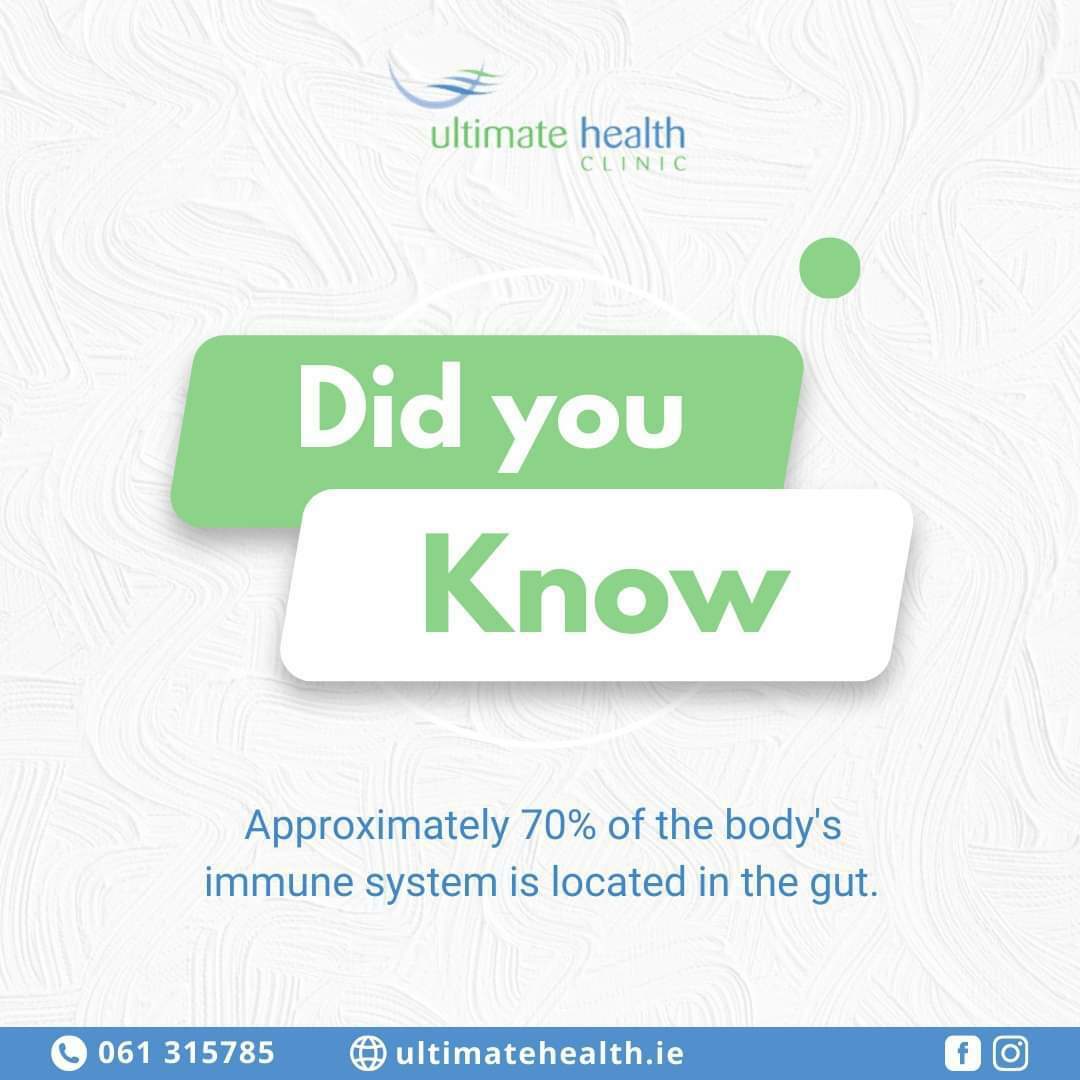 15/09/2023 0 CommentsDid you know your gut supports your body's immune response and overall immune function?Read More
It may seem surprising initially, but the gut works tirelessly behind the scenes to keep you healthy.
-
 15/09/2023 0 CommentsThe Ultimate Health Clinic Now Has the Emsella Chair: Say Goodbye to Bladder Leaks!Read More
Are you tired of living with the constant worry of bladder leaks?
-
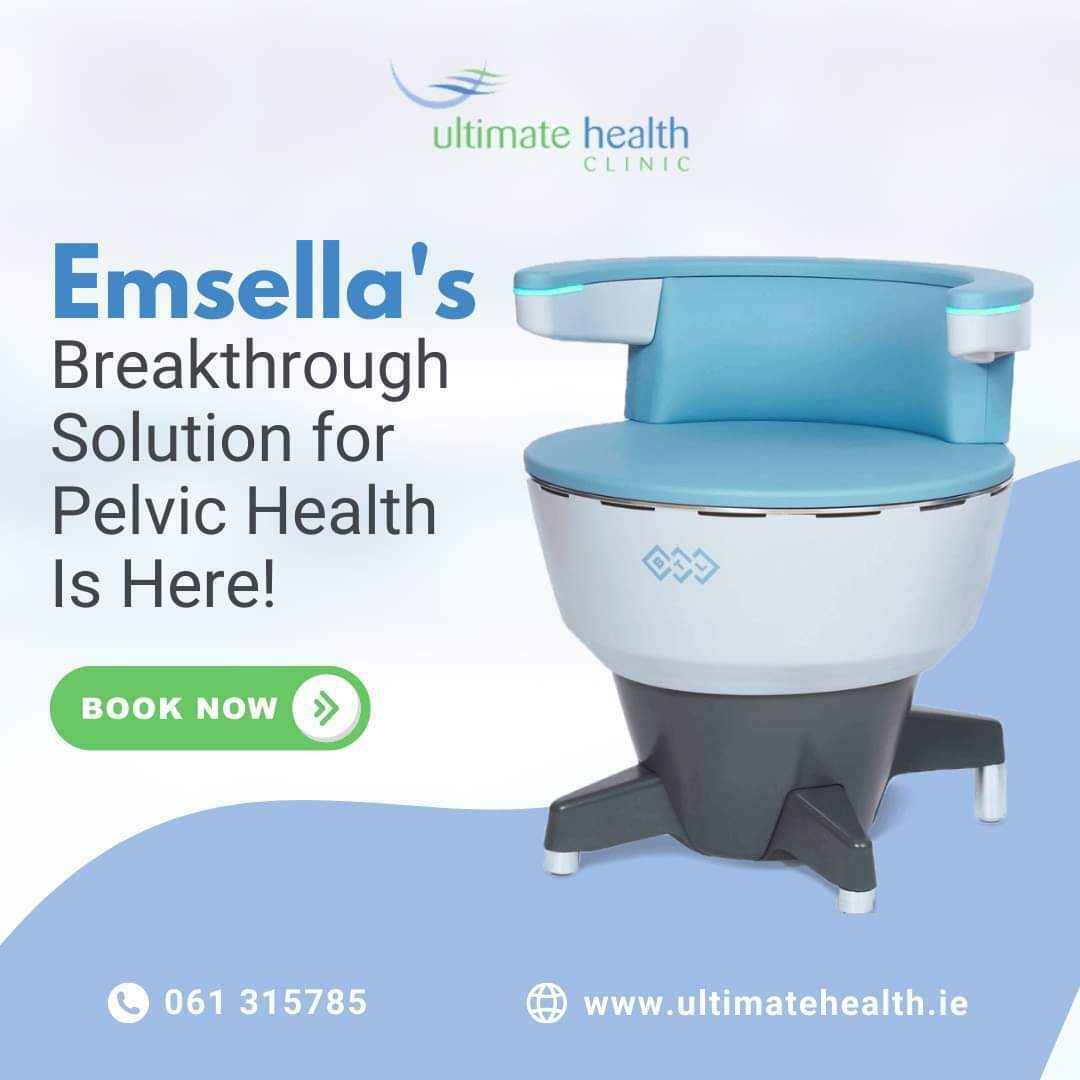 15/09/2023 0 CommentsSay hello to a revolutionary breakthrough in pelvic health with the Emsella Chair!Read More
This amazing tool will make your pelvic floor stronger than ever
-
 31/08/2023 0 CommentsTake Control of Your Allergies: Book an Appointment Today!Read More
Are you tired of dealing with the unpredictable nature of your allergies?
-
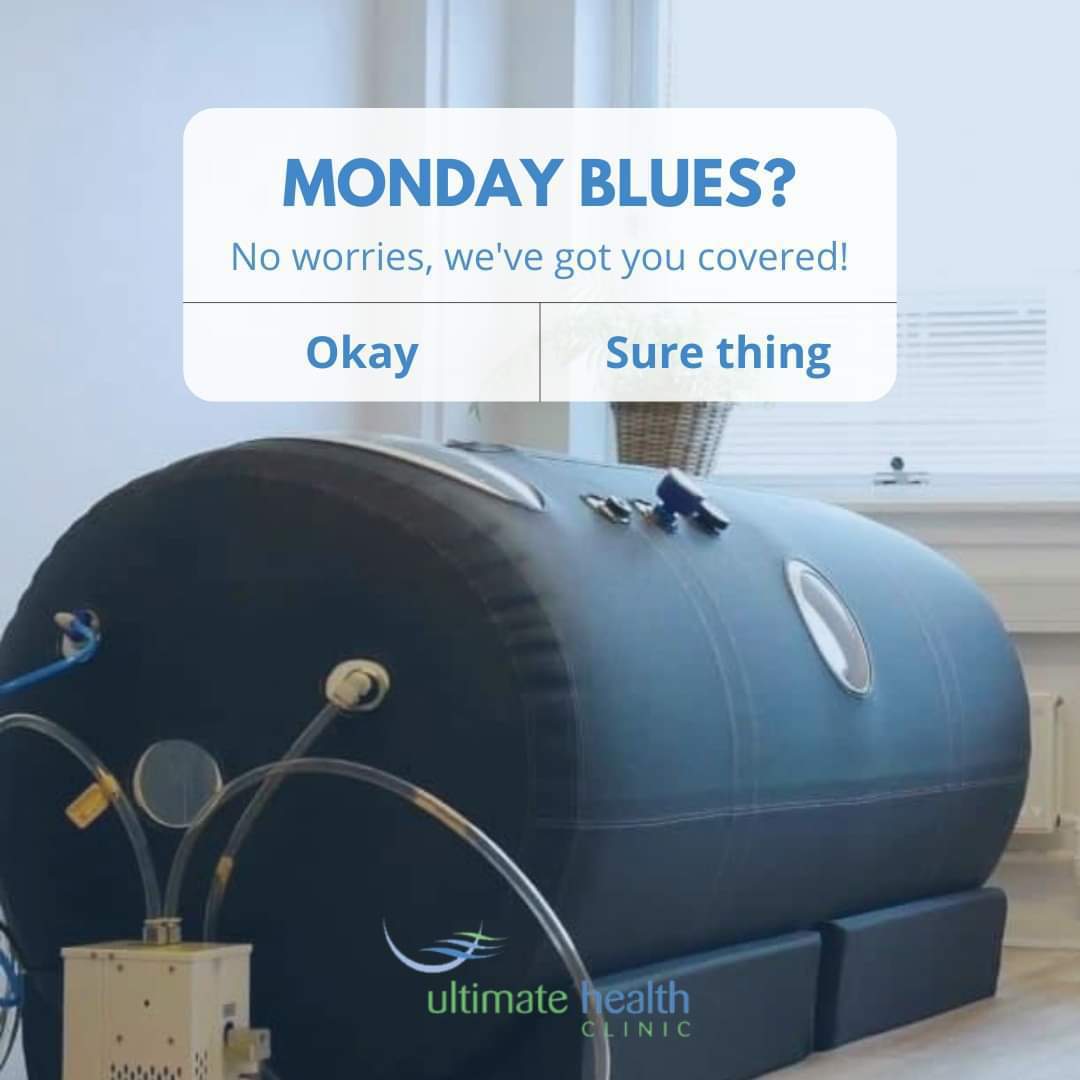 31/08/2023 0 CommentsBanish those Monday blues, and get ready for a rejuvenating escape!Read More
Step into our hyperbaric chamber and embark on a journey of ultimate relaxation.
-
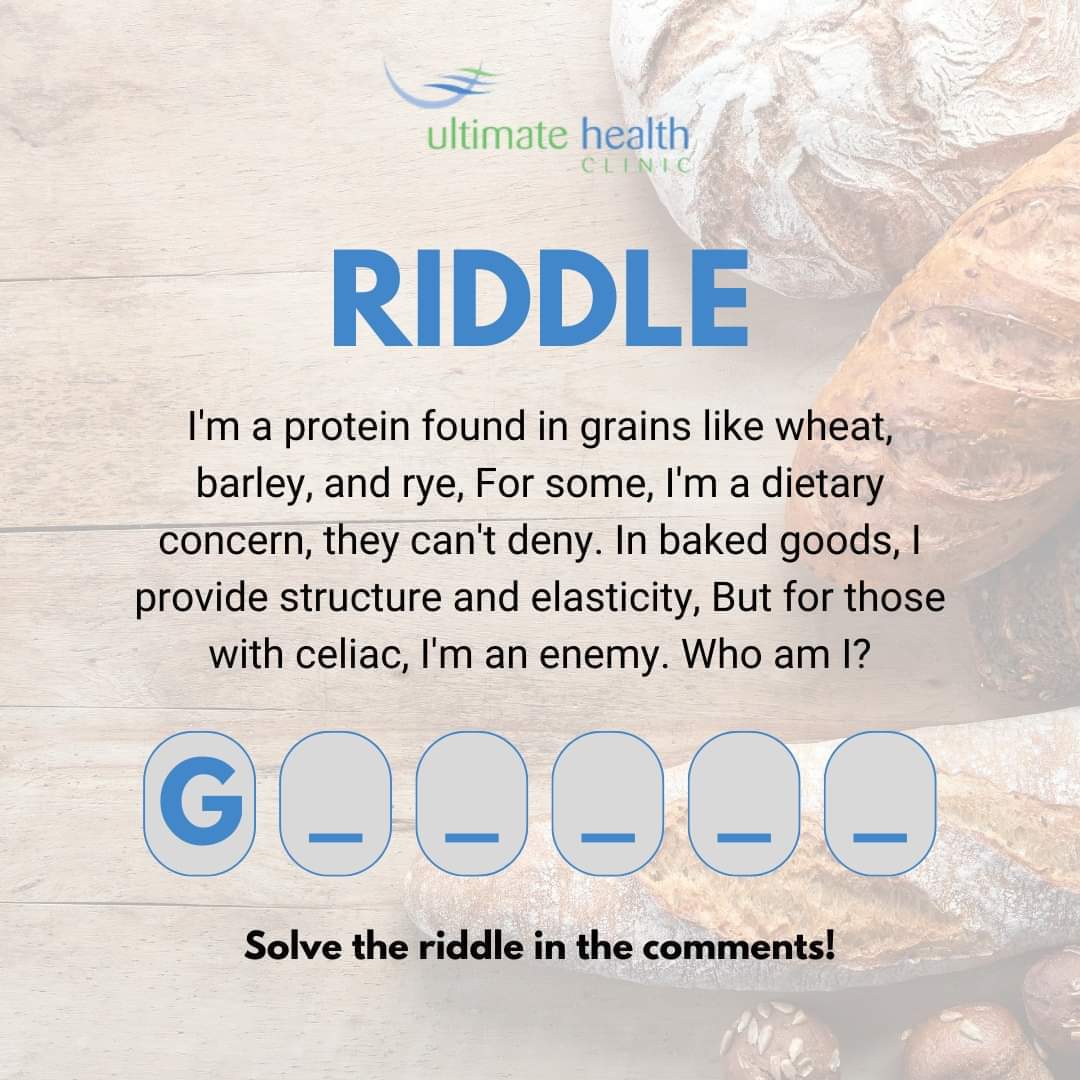 31/08/2023 0 CommentsWhether you guessed it or not, the answer is Gluten!Read More
Gluten is a protein that can pose challenges for those with gluten-related disorders.
-
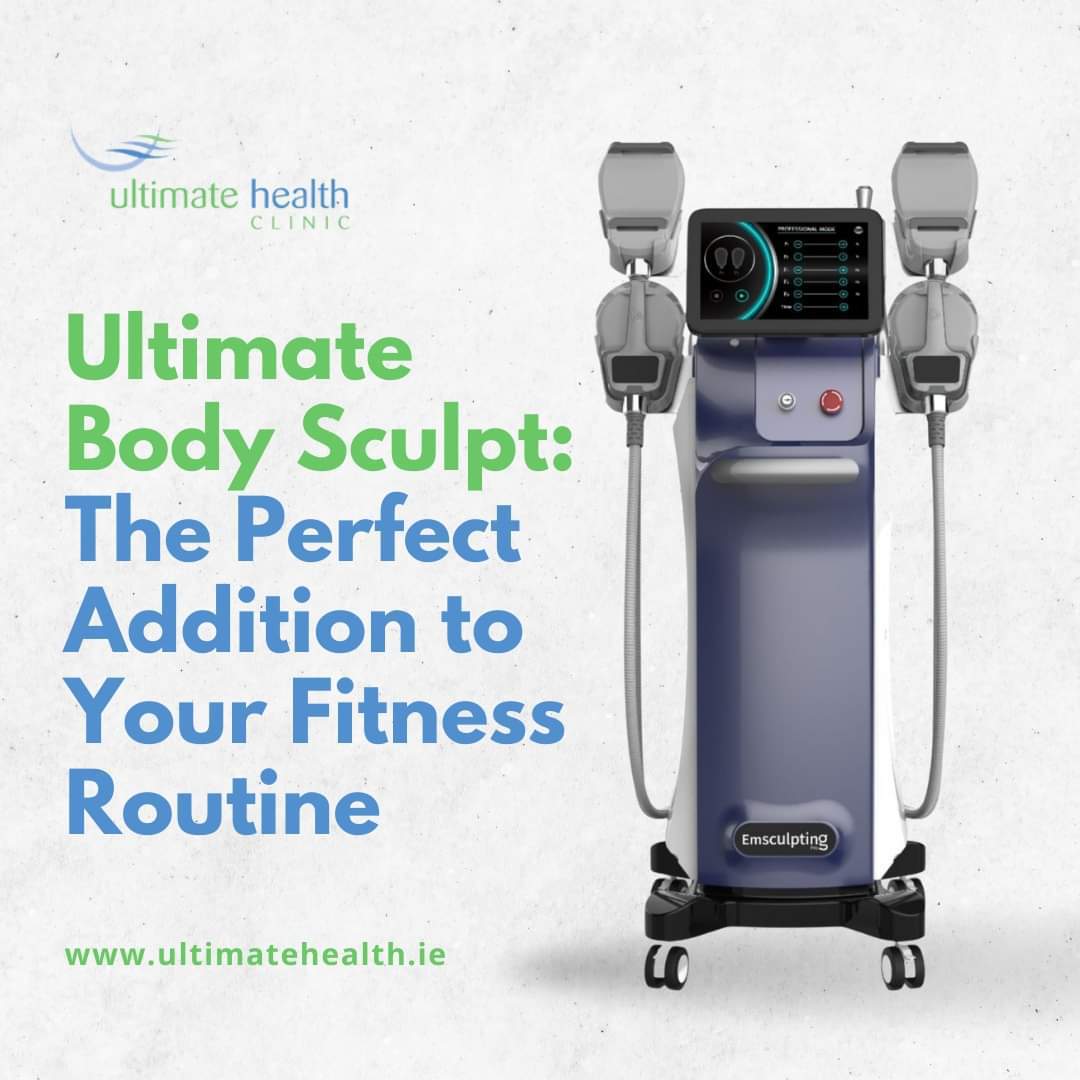 31/08/2023 0 CommentsElevate your fitness journey by teaming up with cutting-edge muscle-building technology.Read More
Introducing, our Ultimate Body Sculpt. Here's how it revolutionizes your fitness journey:
-
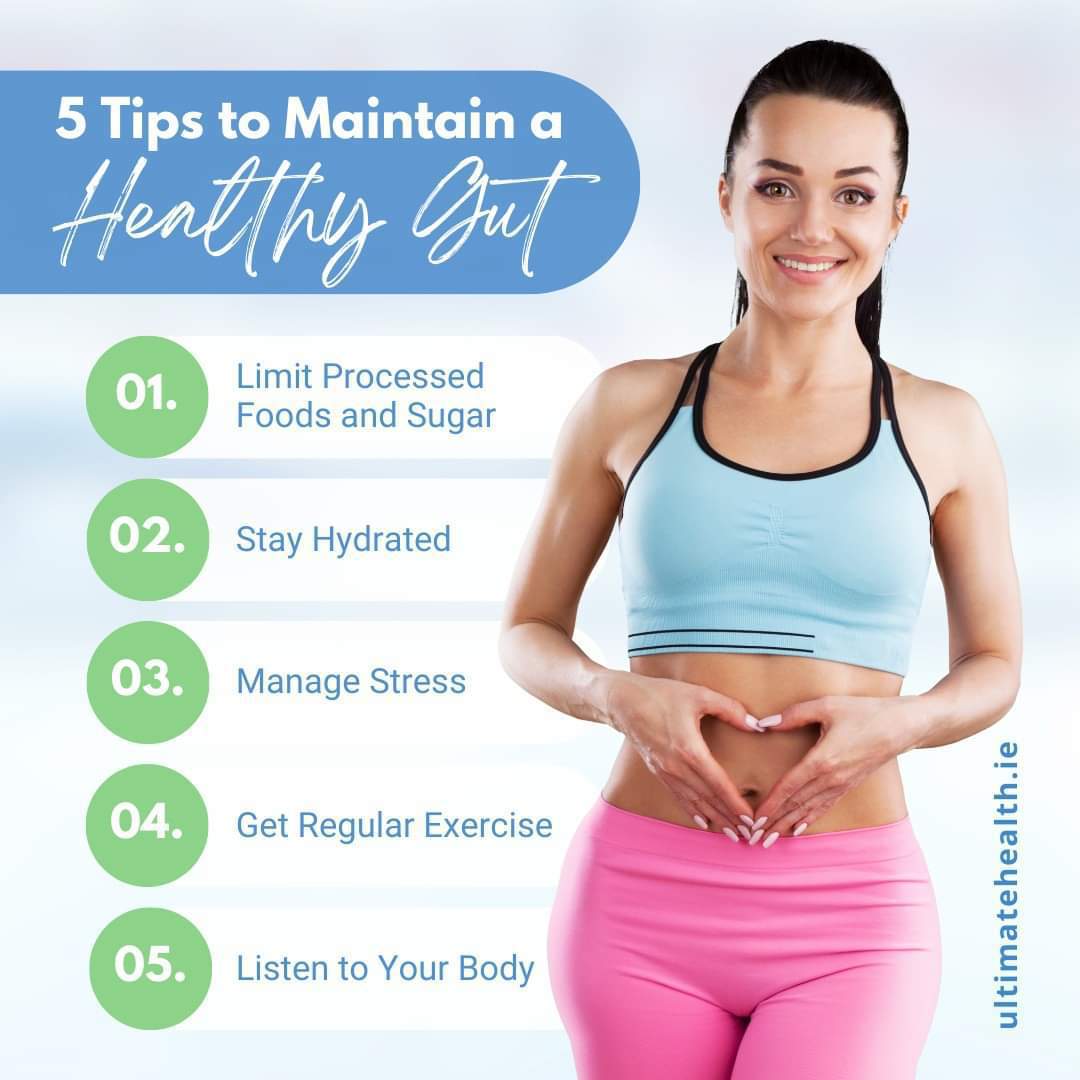 31/08/2023 0 CommentsGut health is the foundation of overall wellnessRead More
Gut health is the foundation of overall wellness, and it's time to give your gut the care it deserves! Here are some game-changing tips to keep your gut in top shape:
-
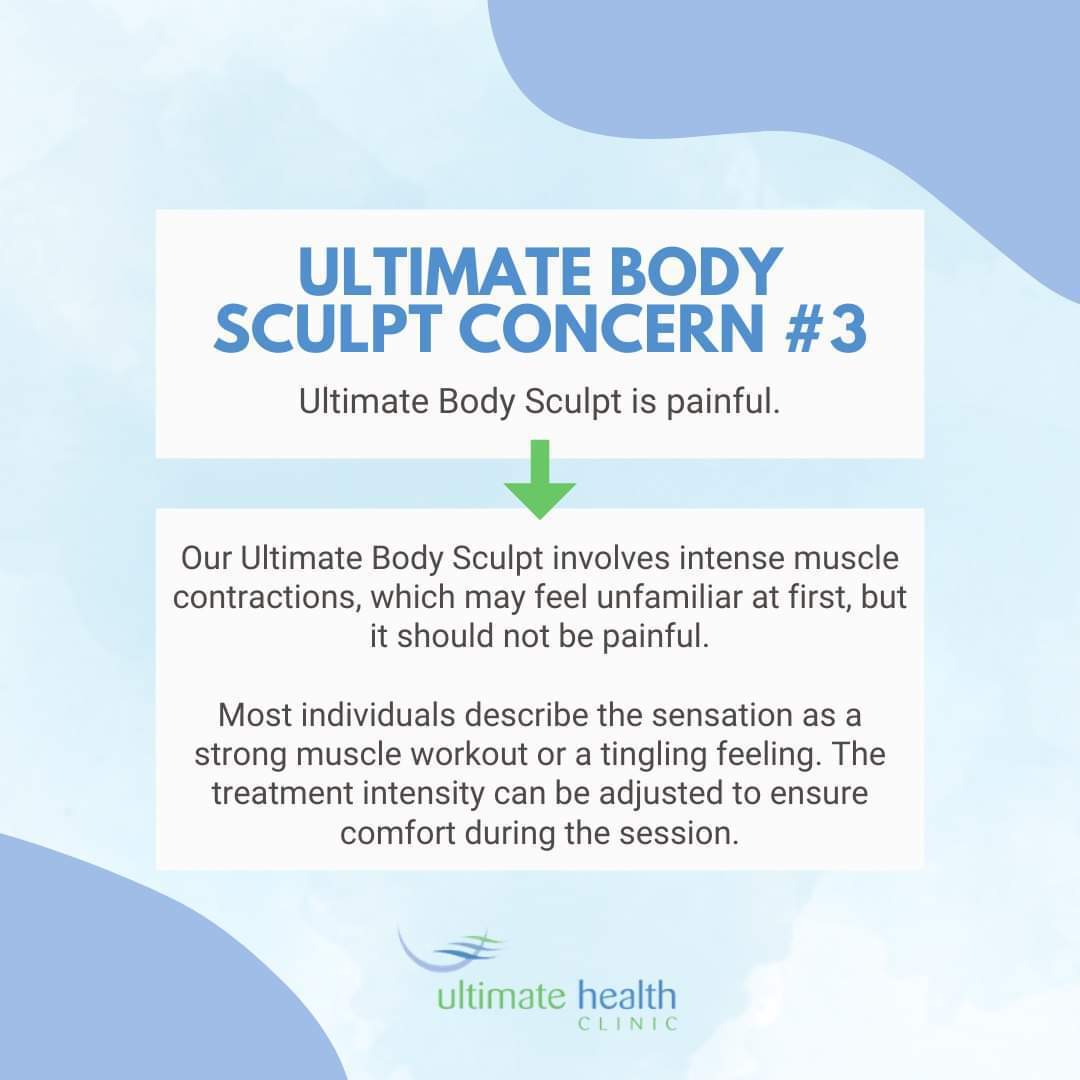 29/08/2023 0 CommentsThinking that our Ultimate Body Sculpt treatment is painful? It's not.Read More
The Ultimate Body Sculpt treatment involves intense muscle contractions, which may feel unfamiliar initially but should not be painful.
-
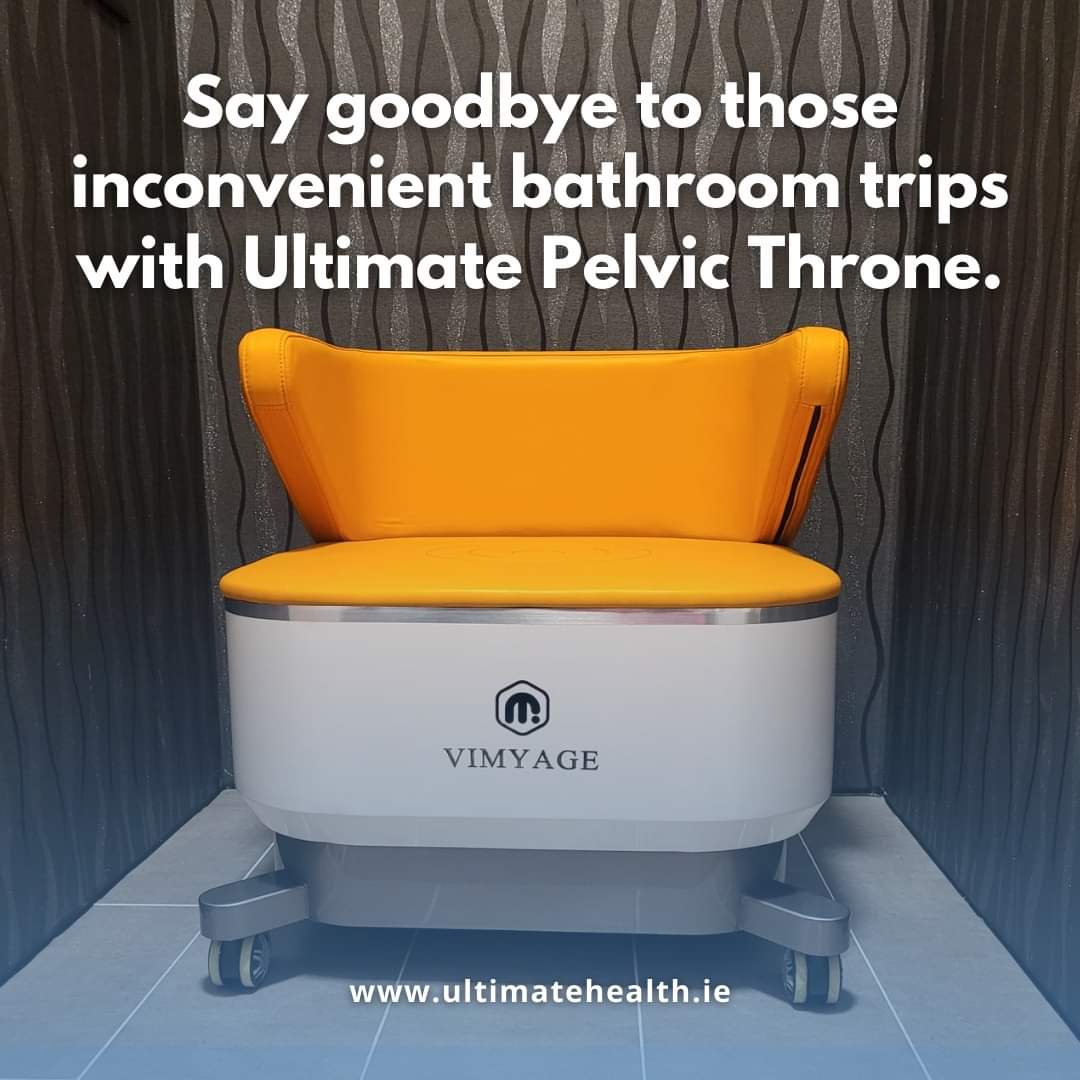 21/08/2023 0 CommentsSay goodbye to those inconvenient bathroom trips with our Ultimate Pelvic Throne!Read More
Imagine a world where you no longer have to worry about rushing to the restroom during important meetings,
-
 21/08/2023 0 CommentsAre you tired of your mind and gut constantly feeling stressed and out of sync?Read More
It's time to give yourself some well-deserved TLC with colonic hydrotherapy!
-
 16/08/2023 0 CommentsReclaim Your Confidence with the Ultimate Pelvic ThroneRead More
Are you tired of the constant inconvenience and discomfort caused by bladder issues?
-
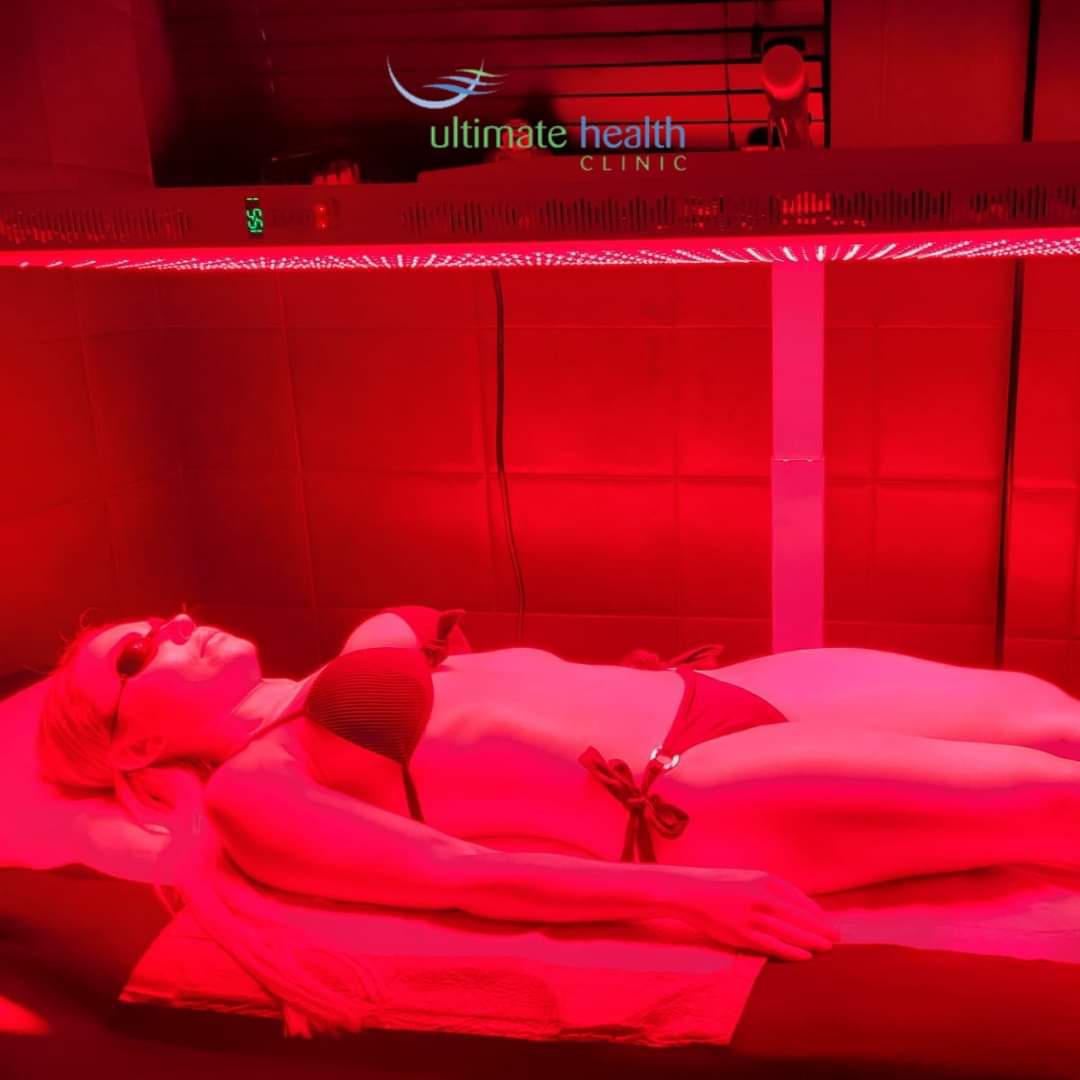 16/08/2023 0 CommentsGlow from within!Read More
Our Red Light Therapy sessions are designed to leave you feeling refreshed, recharged, and ready to conquer the day.
-
 10/08/2023 0 CommentsDid you know your body can play sneaky food tricks?Read More
From instant reactions to delayed surprises, food allergies can strike anytime!
-
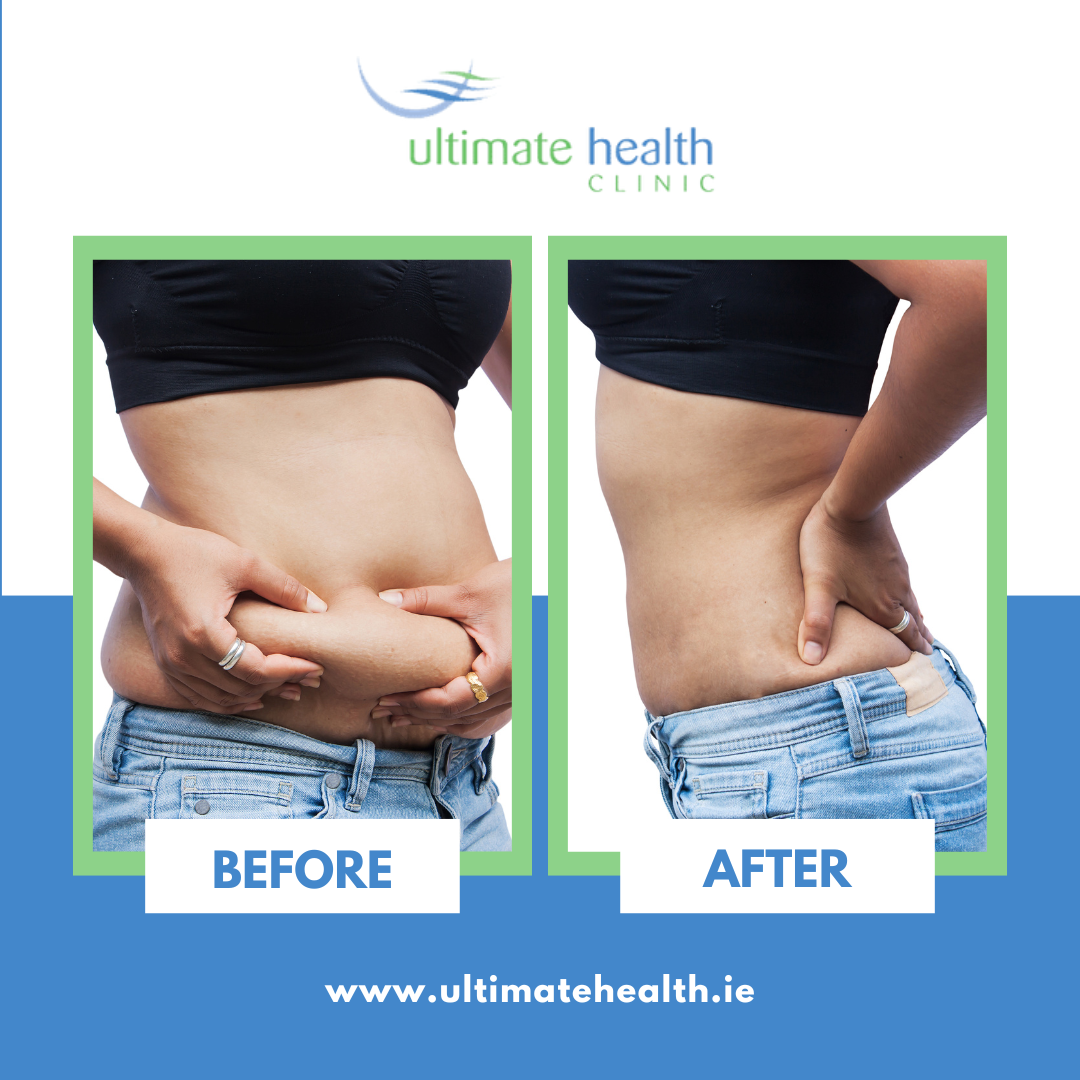 10/08/2023 0 CommentsAchieve Your Dream Body with Fat Freezing at Ultimate Health Clinic!Read More
Are you tired of struggling with stubborn pockets of fat that just won't budge, no matter how hard you exercise or diet?
-
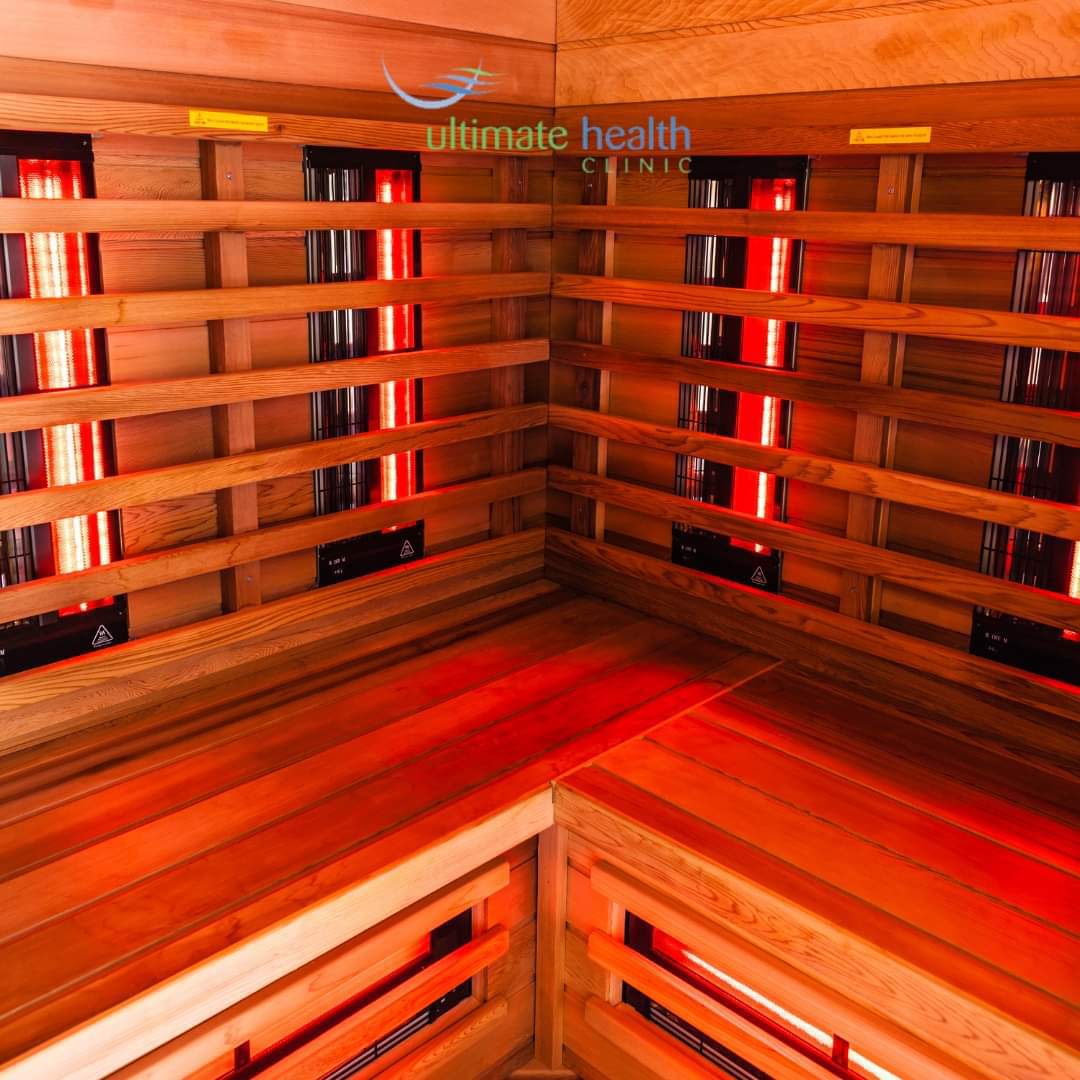 10/08/2023 0 CommentsStep into the realm of relaxation and rejuvenation with an infrared sauna experienceRead More
In our fast-paced and demanding lives, we often neglect taking care of ourselves.
-
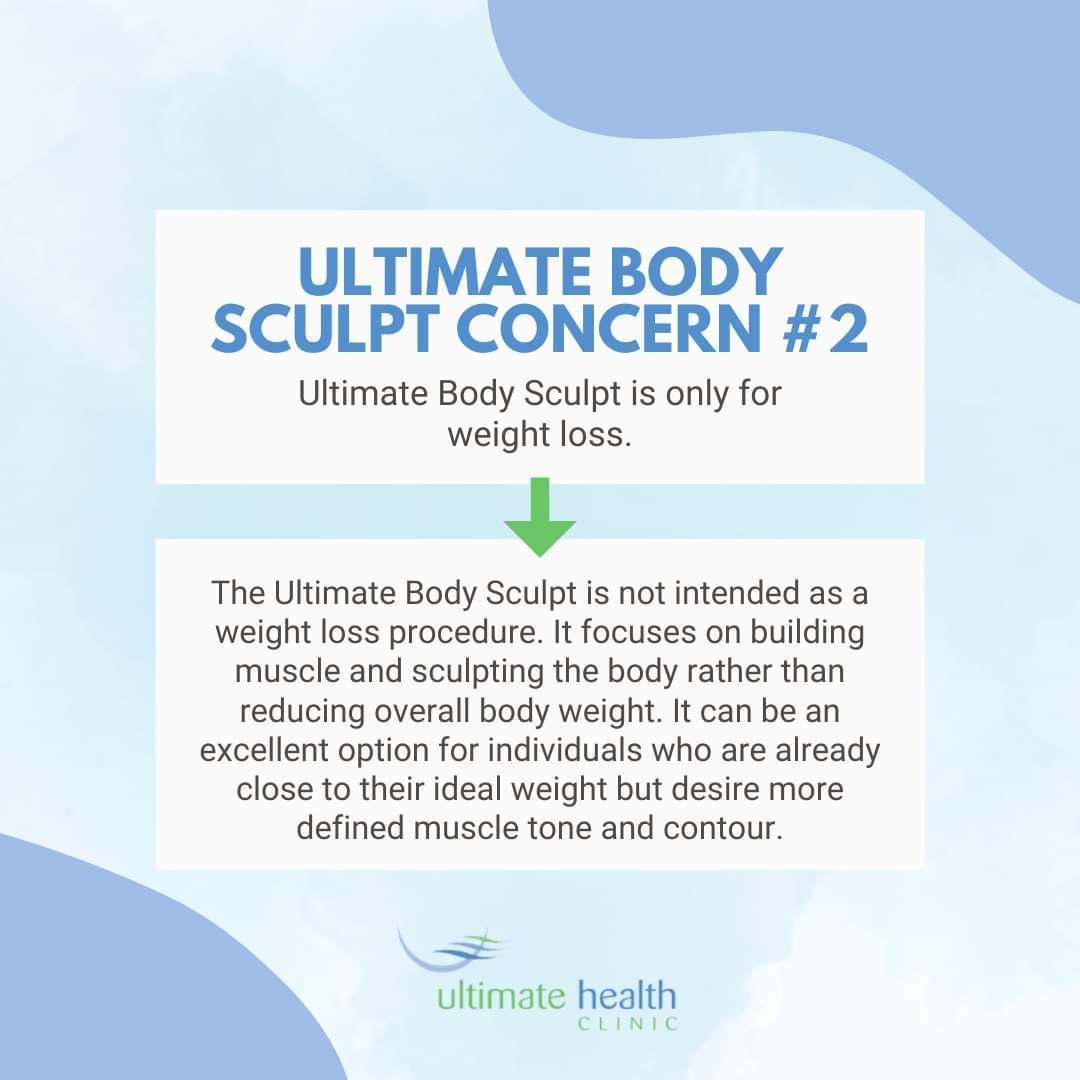 10/08/2023 0 CommentsLet's get real.Read More
Ultimate Body Sculpt's all about sculpting, not shedding overall body weight!
-
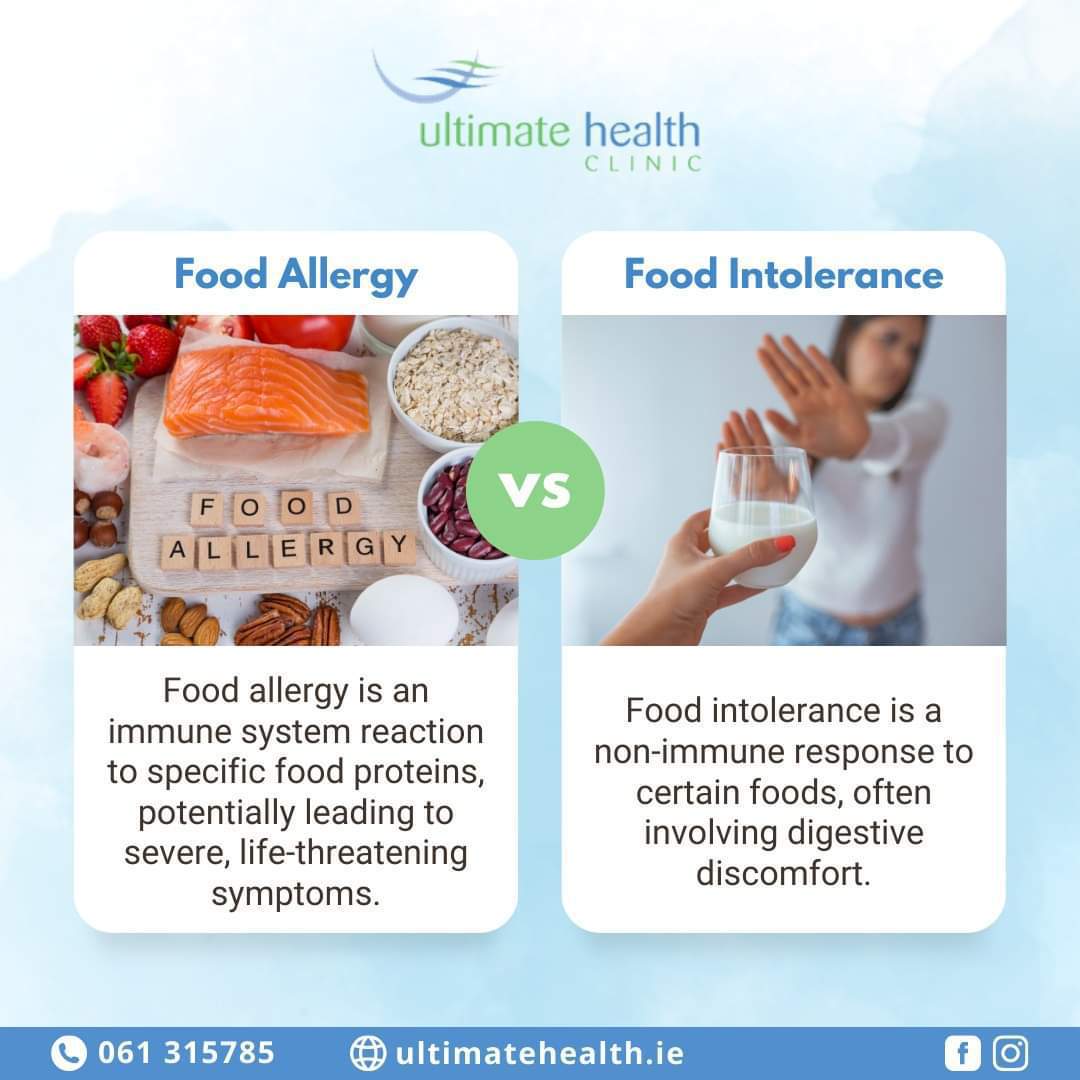 08/08/2023 0 CommentsLet's talk FOOD!Read More
We all love indulging in delicious treats, but sometimes our bodies have different plans. That's where food allergy and food intolerance come into play, and they're not the same thing!
-
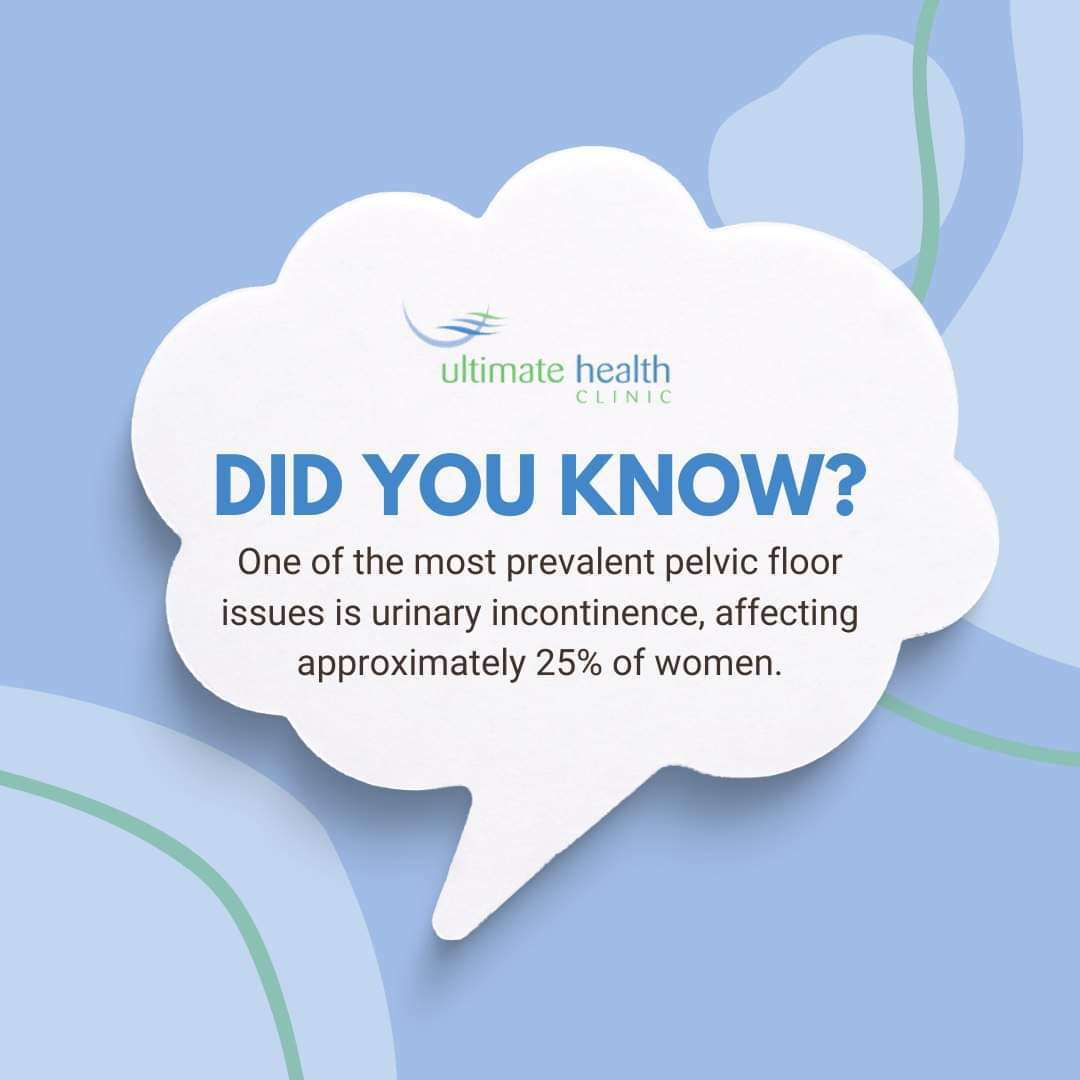 03/08/2023 0 CommentsDid you know that one of the most common hurdles women face regarding pelvic floor health is urinary incontinence?Read More
It may come as a surprise, but around 25% of women experience this uncomfortable issue.
-
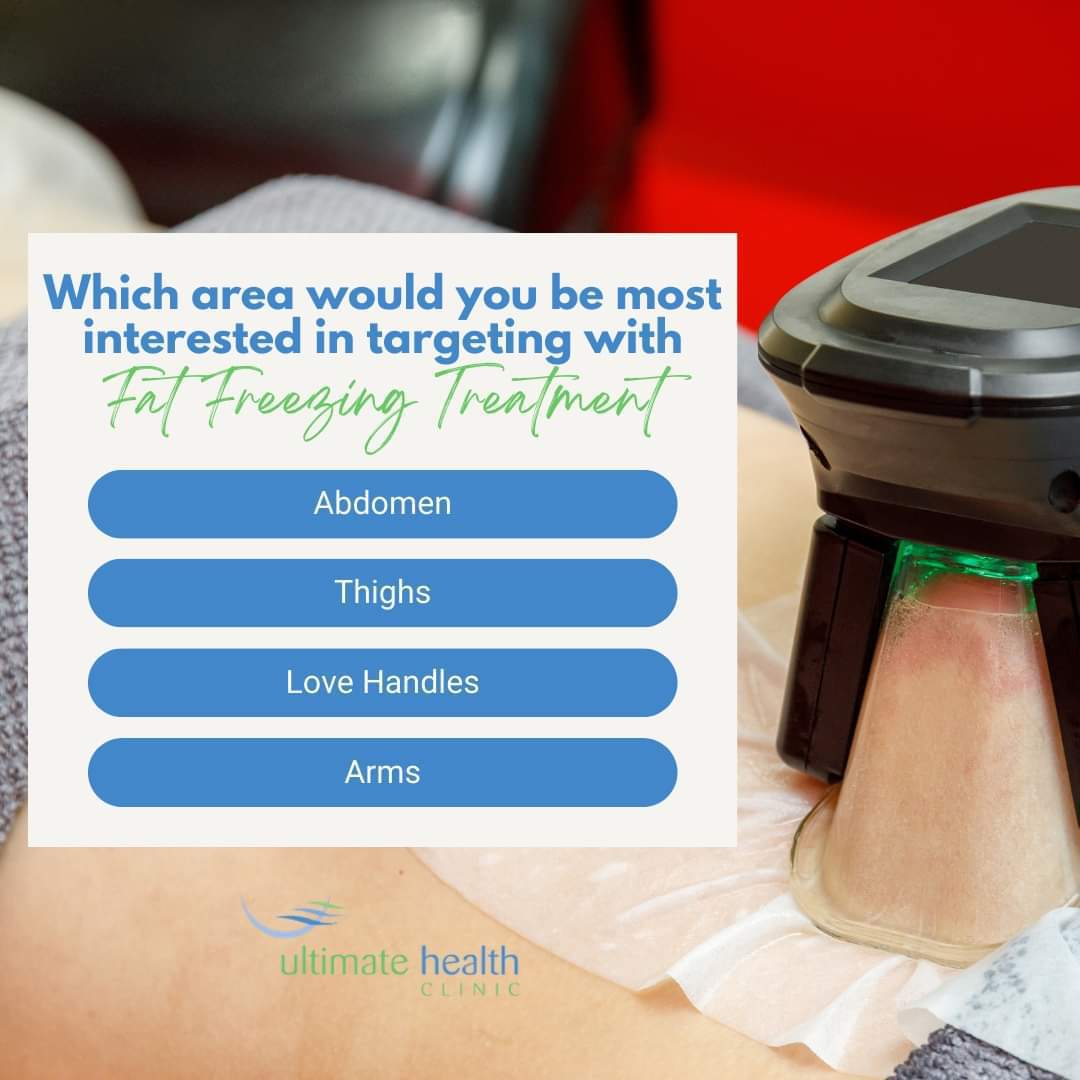 03/08/2023 0 CommentsAre you tired of stubborn fat that just won't budge, no matter how hard you exercise or stick to a strict diet?Read More
We have the perfect solution for you – fat freezing treatment!
-
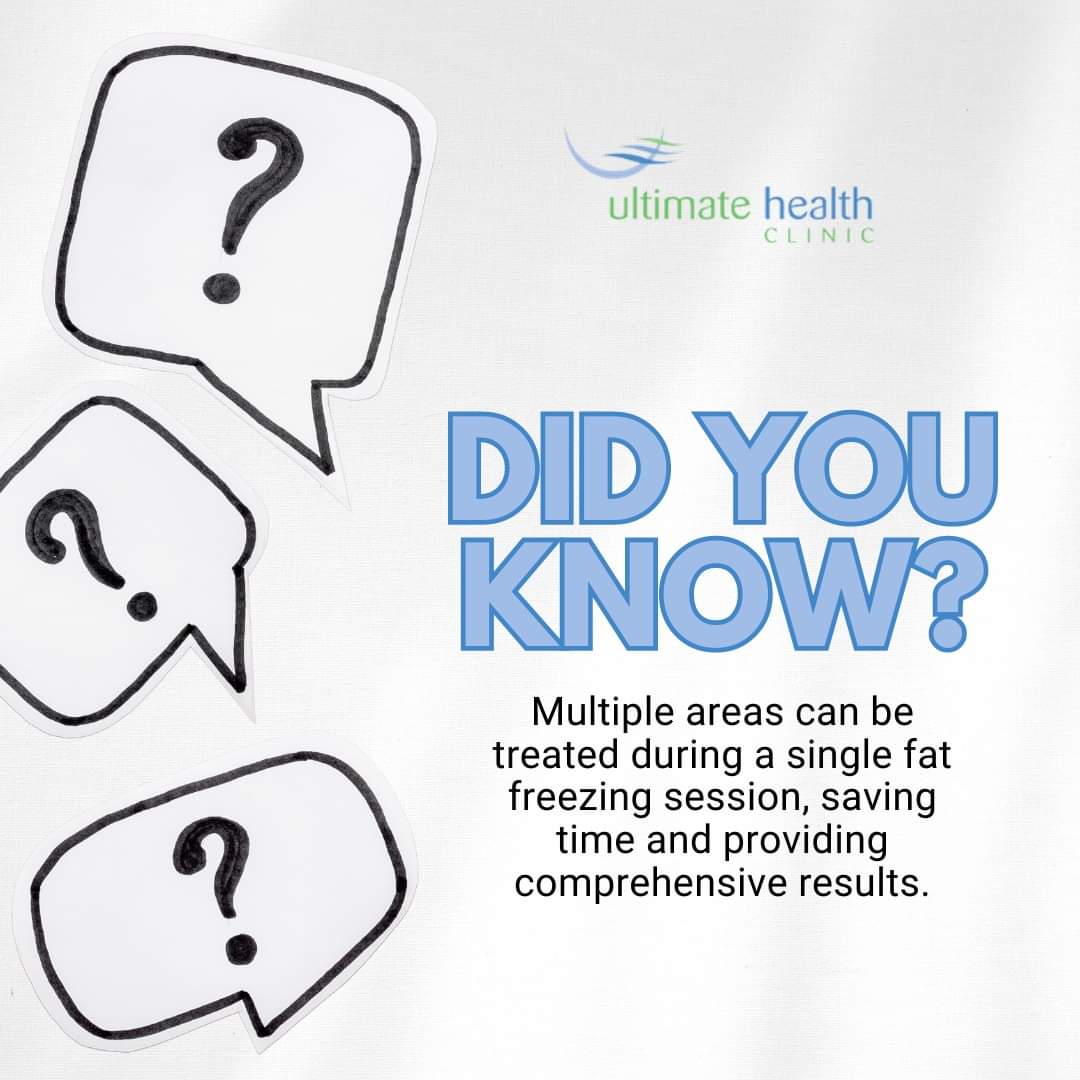 01/08/2023 0 CommentsDid you know that fat freezing is not just efficient, but also incredibly versatile?Read More
It's true!
With this remarkable technique, multiple areas can be treated all at once during a single session.
-
 01/08/2023 0 CommentsColonic hydrotherapy, a revolutionary wellness practiceRead More
Colonic hydrotherapy, a revolutionary wellness practice, offers a unique and rejuvenating approach to cleansing the body.
-
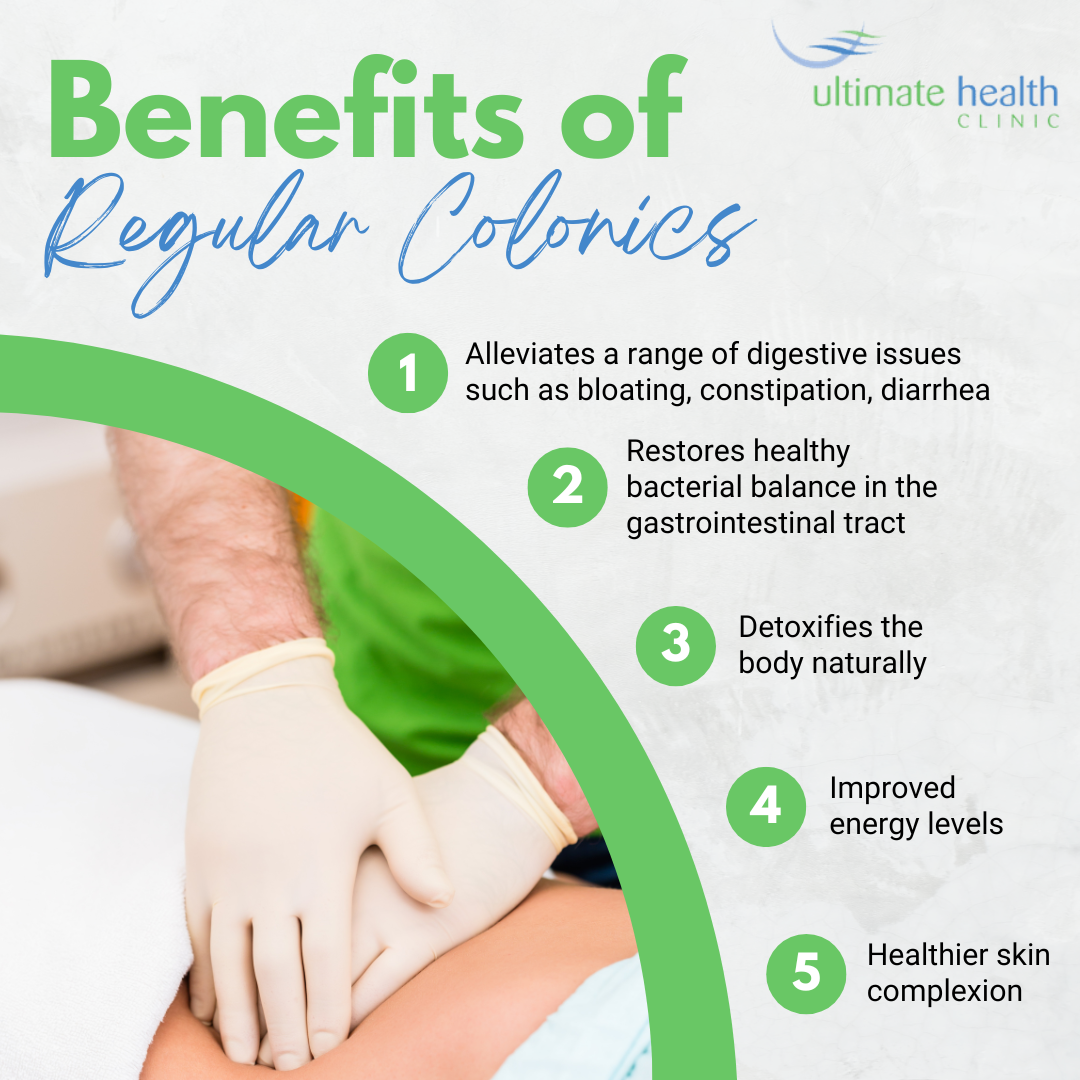 01/08/2023 0 CommentsExperience Optimal Wellness: Discover the Incredible Benefits of Colon Hydrotherapy!Read More
Are you ready to unlock a world of vibrant health and well-being?
-
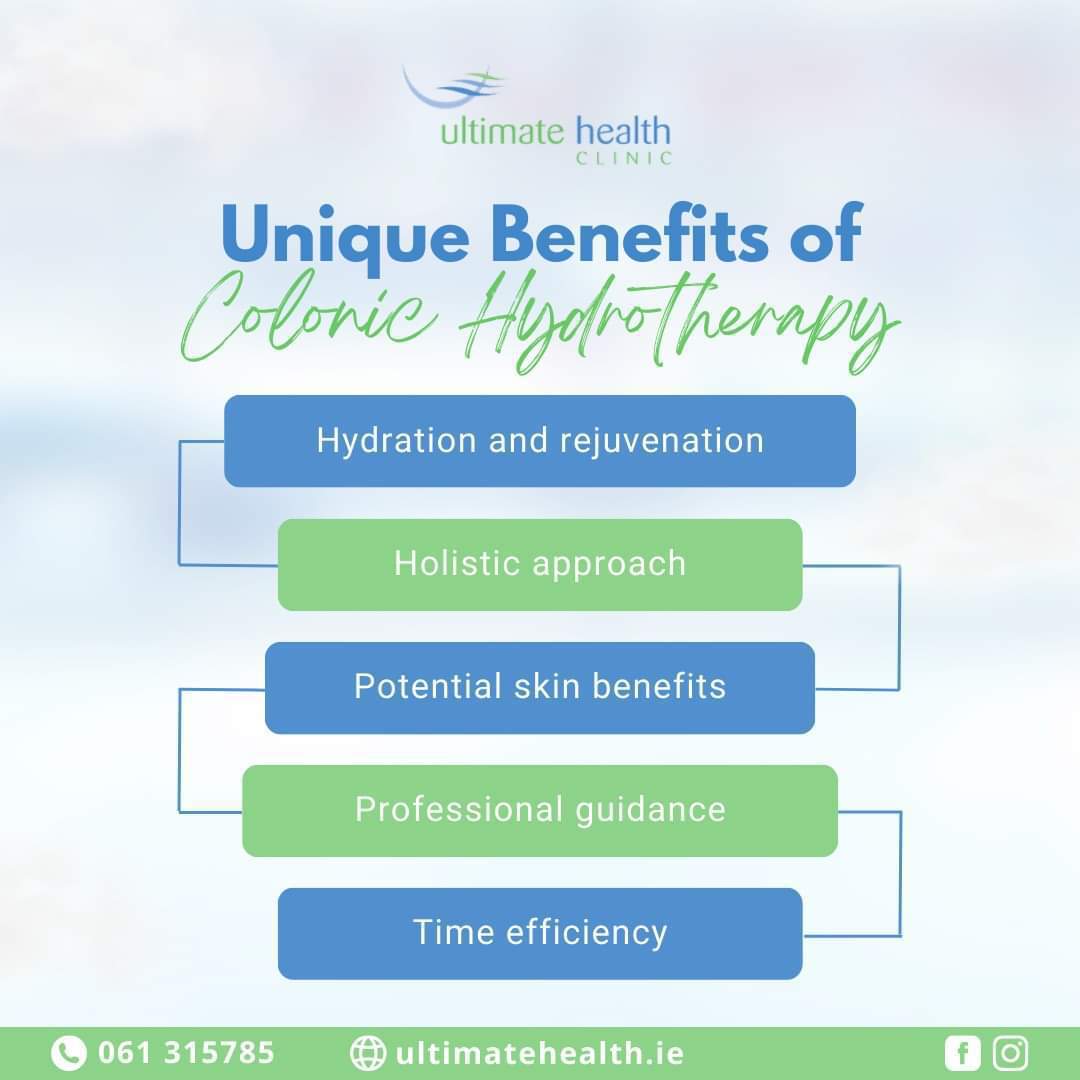 01/08/2023 0 CommentsUnique benefit of Colonic hydrotherapyRead More
Detoxification has become a buzzword in the world of wellness, promising to cleanse our bodies and rejuvenate our spirits. Yet, not all detox methods are equal in their efficacy or benefits.
-
 01/08/2023 0 CommentsGet ready to unlock a healthier and happier you with The Ultimate Health Weight Management Programme!Read More
This 6-week journey will revolutionize your relationship with your body and help you achieve the weight loss goals you've always dreamed of.
-
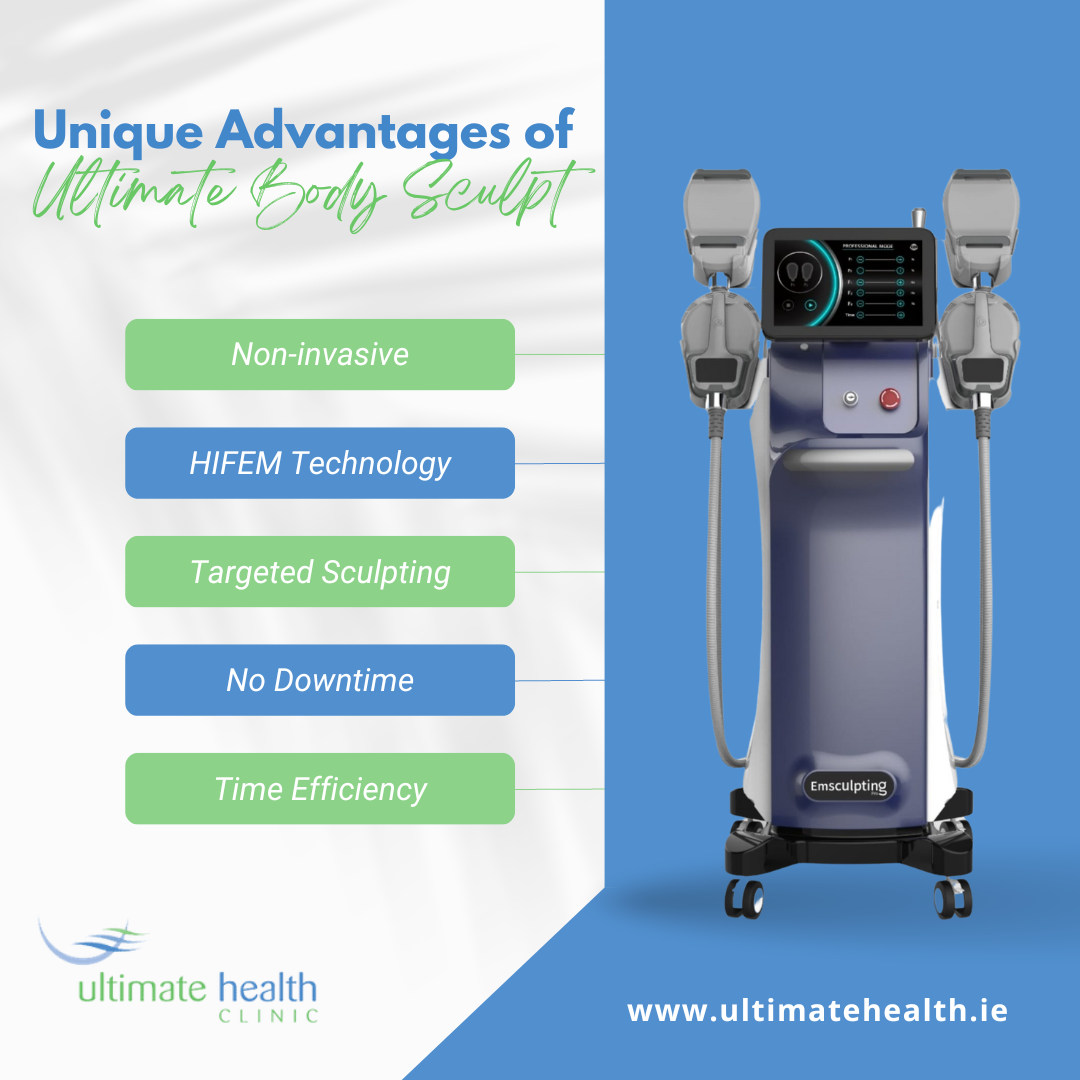 25/07/2023 0 CommentsSculpt Your Dream Body with Ultimate Body Sculpt!Read More
Are you tired of spending countless hours at the gym, only to see minimal results in your body sculpting efforts?
-
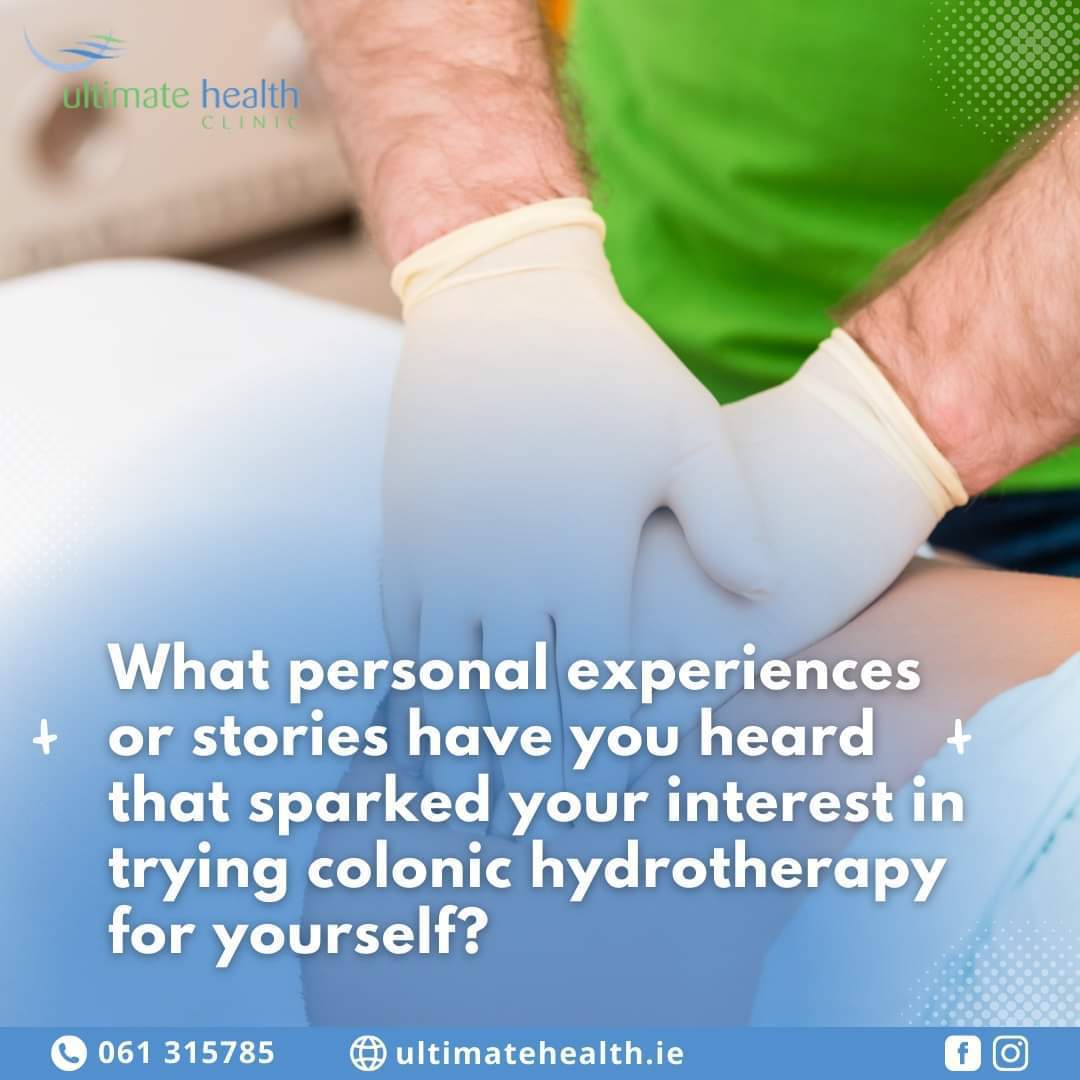 25/07/2023 0 CommentsAbout Colonic hydrotherapyRead More
Colonic hydrotherapy is a therapeutic procedure that involves the gentle infusion of warm water into the colon and has intrigued many individuals seeking holistic wellness.
-
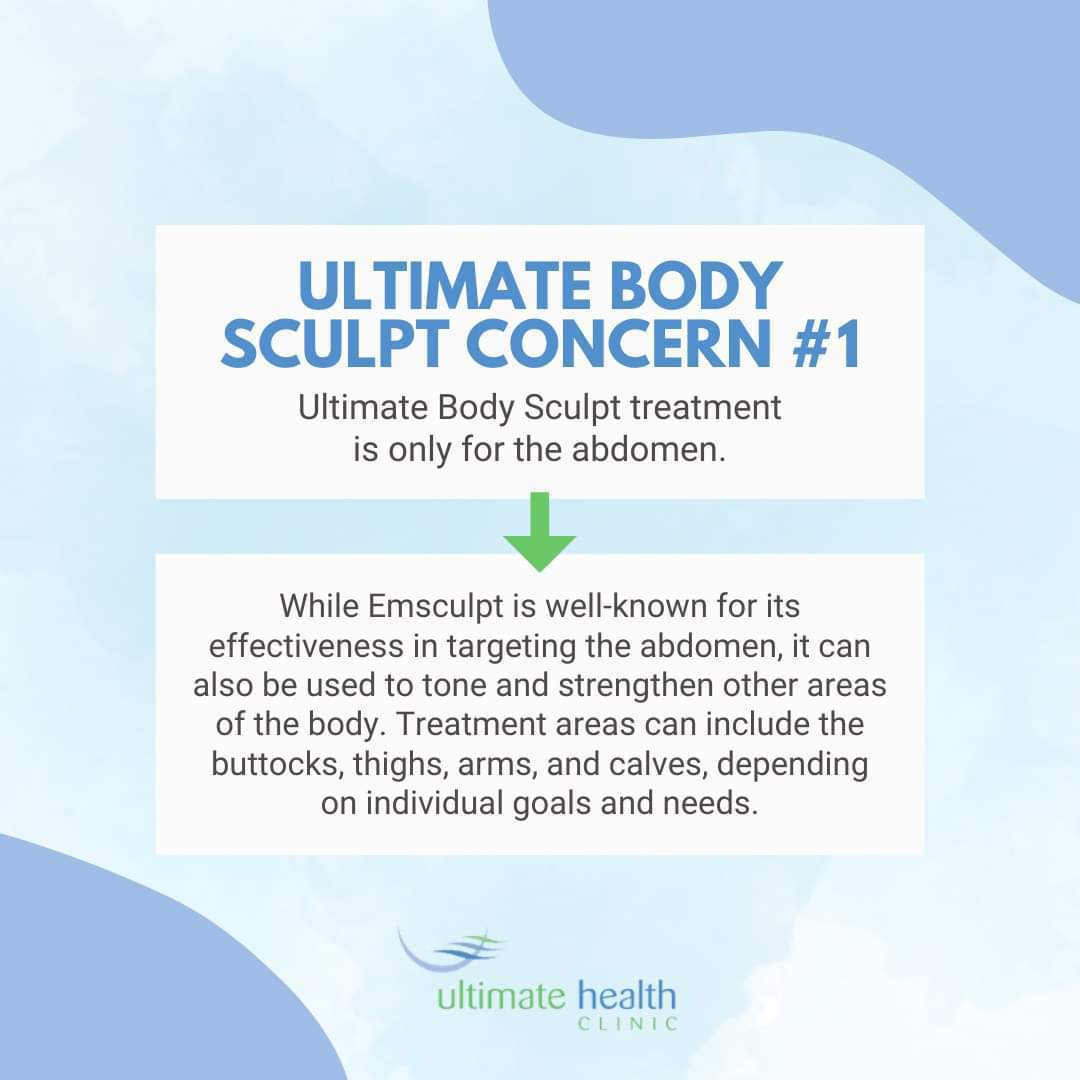 25/07/2023 0 CommentsUltimate Body sculpt concernRead More
When it comes to common concerns surrounding Ultimate Body Sculpt, one misconception that often arises is the belief that this treatment is solely for the abdomen.
-
 25/07/2023 0 CommentsFrom baby steps to power movesRead More
Breathing new life into the world of postpartum recovery, our Ultimate Pelvic Throne emerges as a game-changing treatment for new moms seeking to conquer their journey from baby steps to power moves.
-
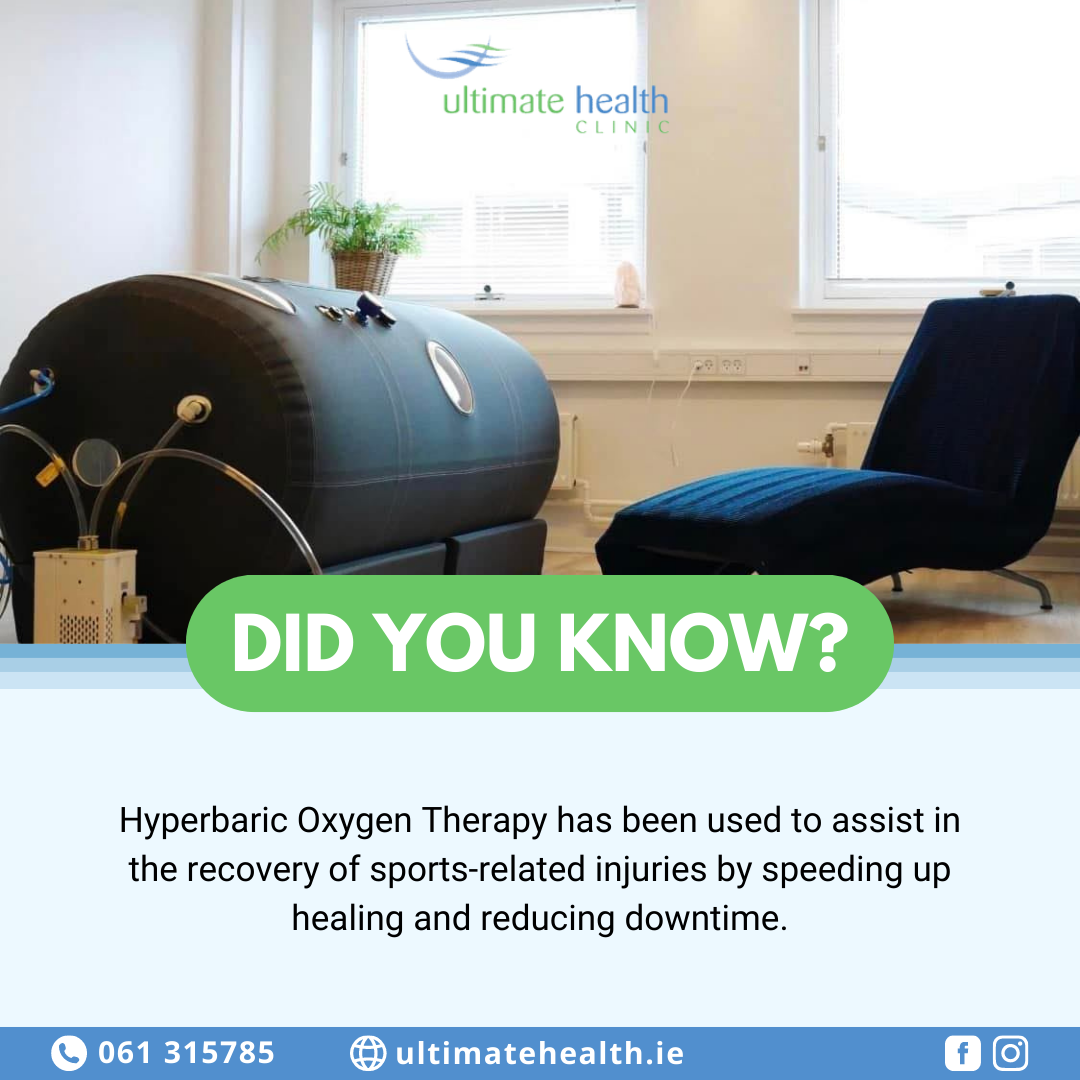 25/07/2023 0 CommentsDiscover the Secret to Accelerated Sports Injury Recovery: Hyperbaric Oxygen TherapyRead More
Did you know that there's a groundbreaking therapy that can revolutionize the way you recover from sports-related injuries?
-
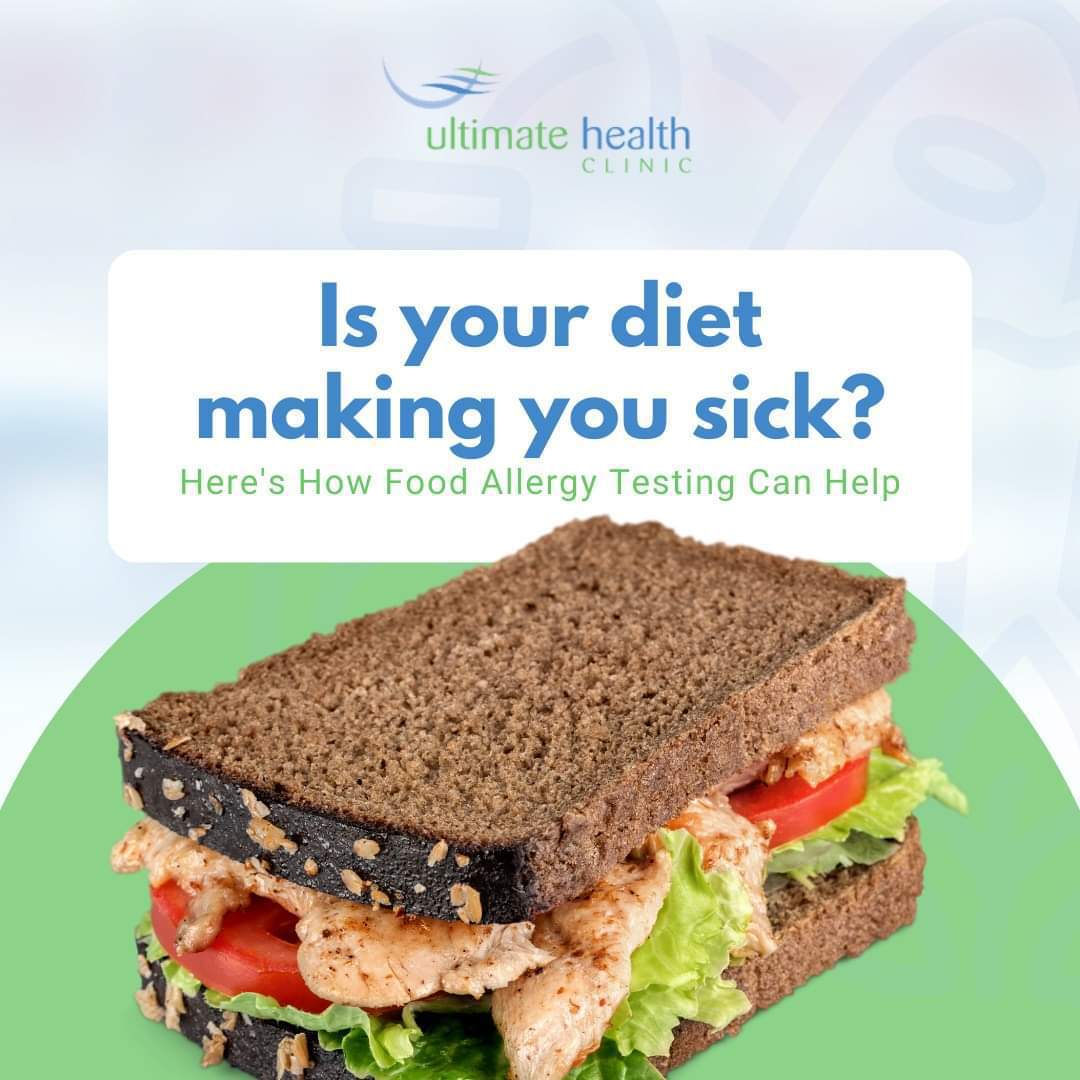 13/07/2023 0 CommentsIs your diet making you sick?Read More
Are you tired of feeling under the weather after every meal? Is your diet becoming a never-ending maze of uncertainty, leaving you wondering if what you eat makes you sick?
-
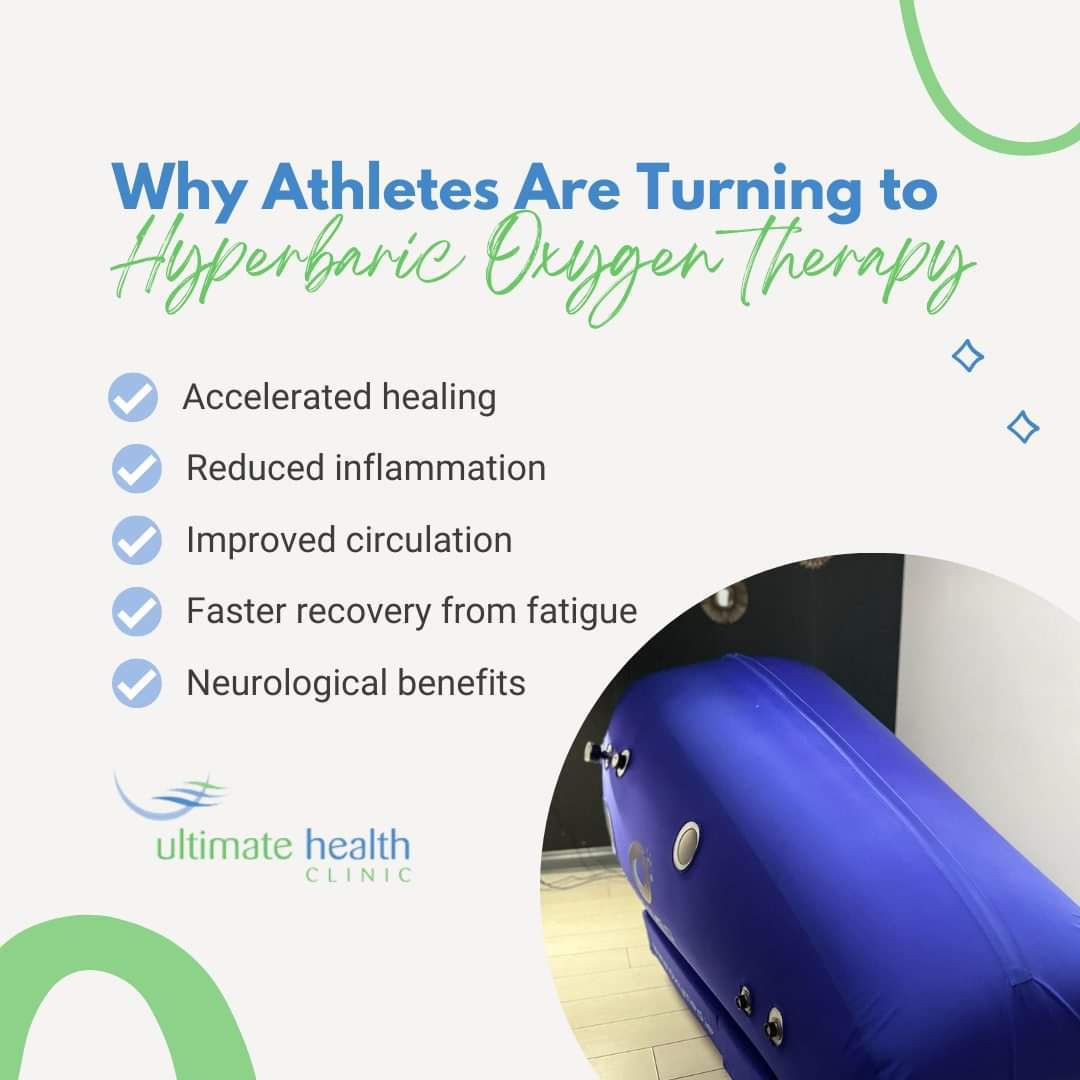 13/07/2023 0 CommentsHyperbaric oxygen therapy (HBOT)Read More
Athletes always look for innovative ways to enhance their performance and recover from injuries. One method that has caught their attention is hyperbaric oxygen therapy (HBOT).
-
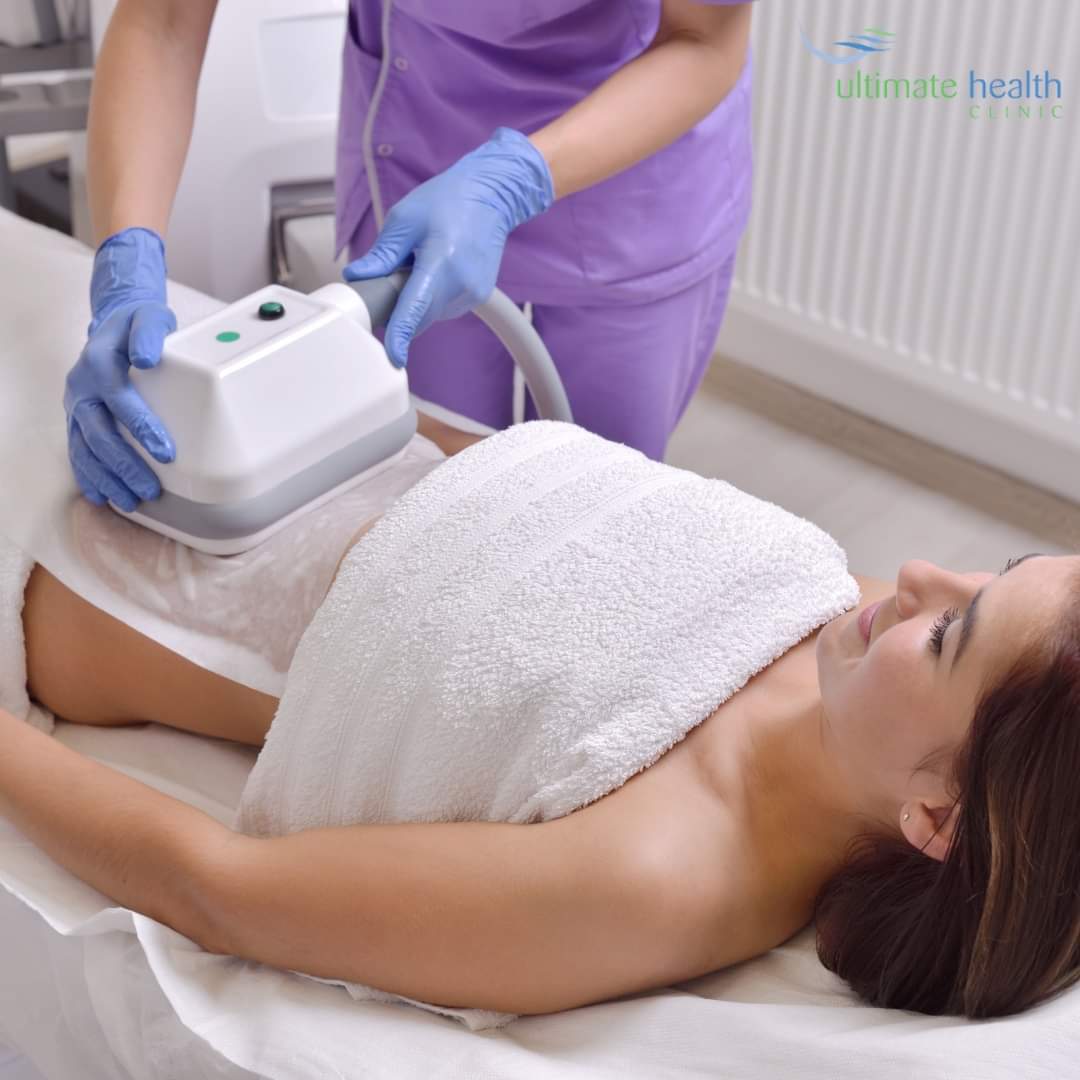 11/07/2023 0 CommentsFat freezing treatmentRead More
Say goodbye to invasive procedures and hello to targeted fat reduction made easy!
-
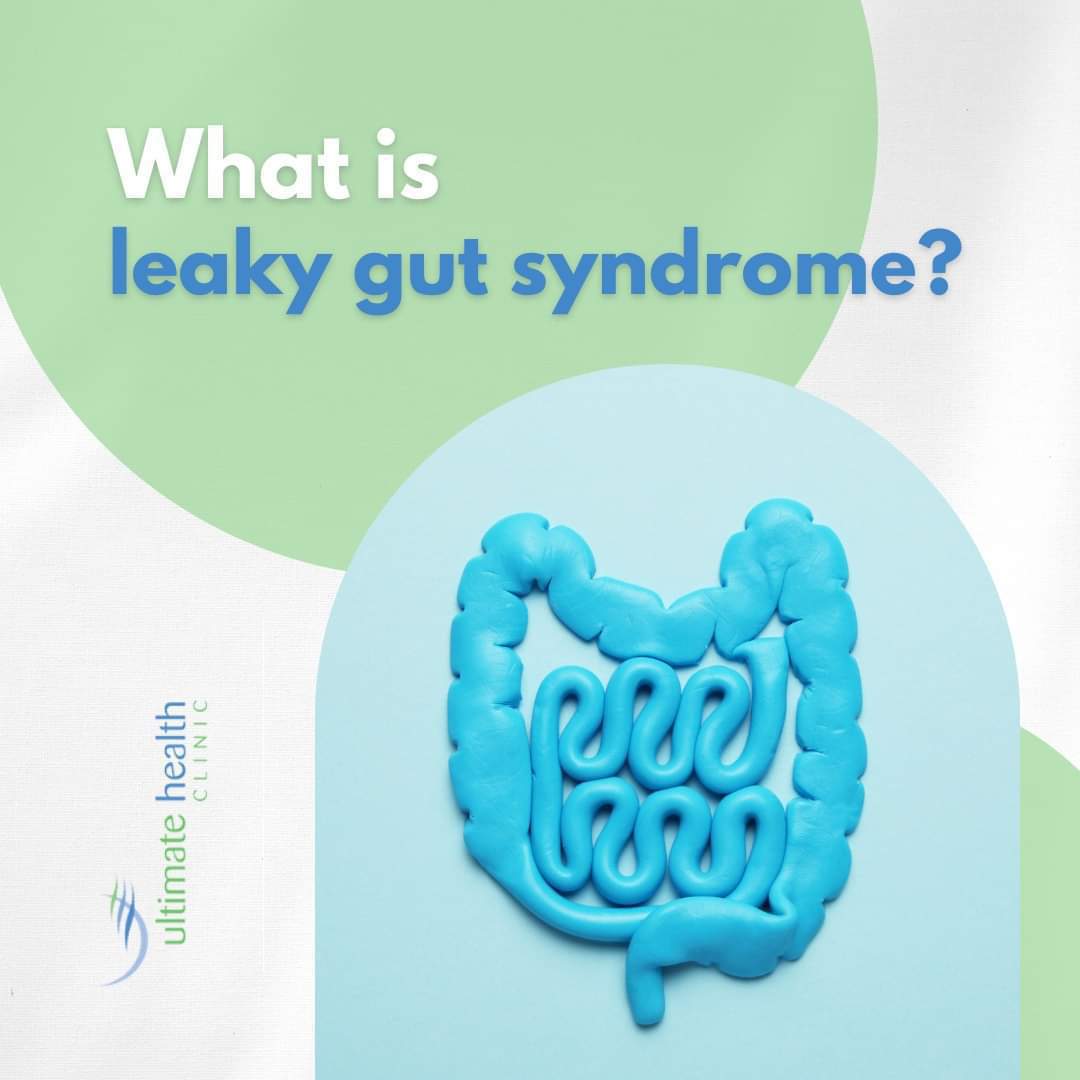 11/07/2023 0 CommentsLeaky gut syndromeRead More
Leaky gut syndrome is a complex gastrointestinal condition that has garnered increasing attention in recent years.
-
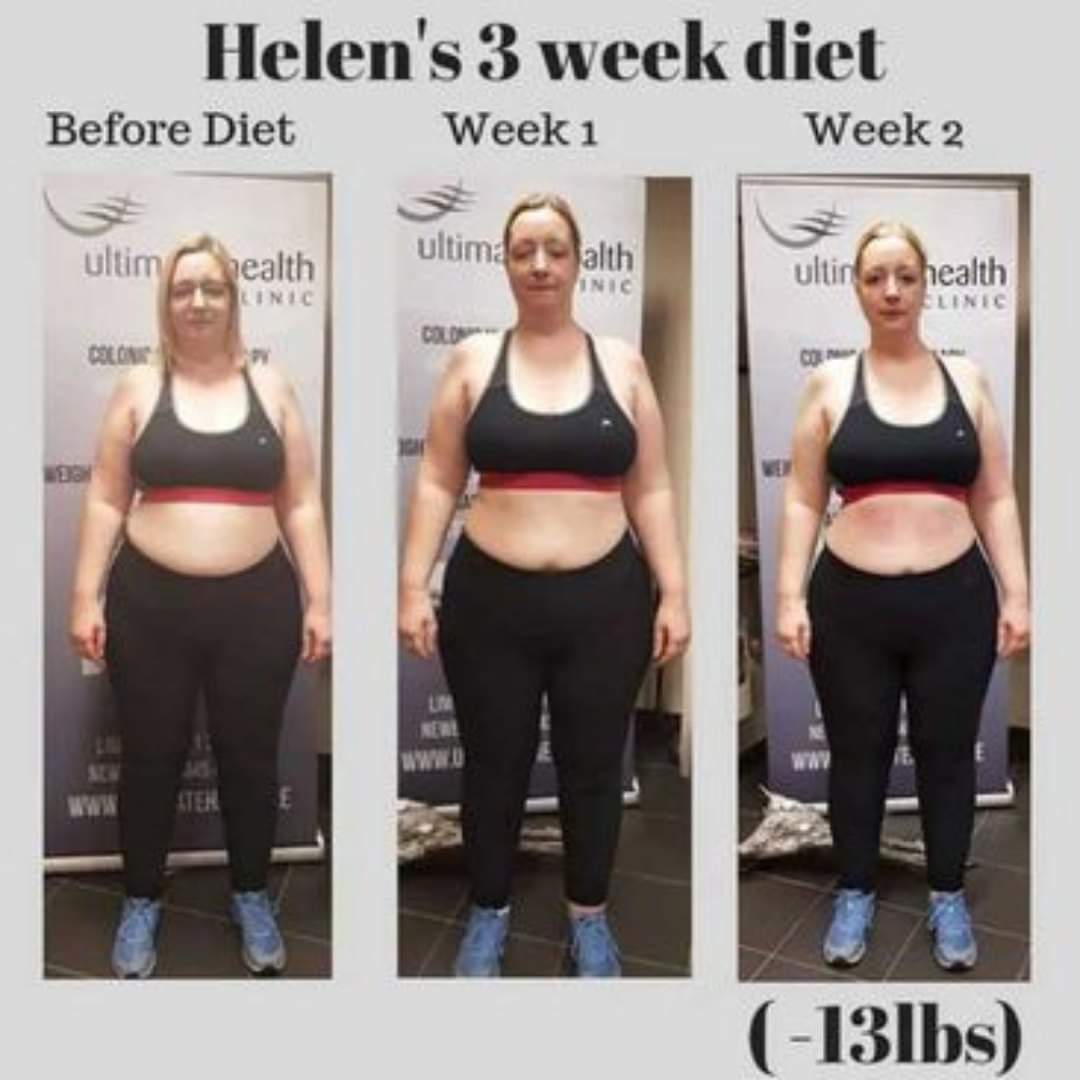 11/07/2023 0 CommentsUltimate Health Weight Management ProgrammeRead More
If you are ready to embark on a transformative journey towards achieving your weight loss goals, then join our Ultimate Health Weight Management Programme.
-
 11/07/2023 0 CommentsUnlock the Power of Hyperbaric Oxygen Therapy!Read More
Hyperbaric oxygen therapy (HBOT) is a treatment that involves immersing individuals in a specialized chamber where they can breathe pure oxygen at higher than usual atmospheric pressures.
-
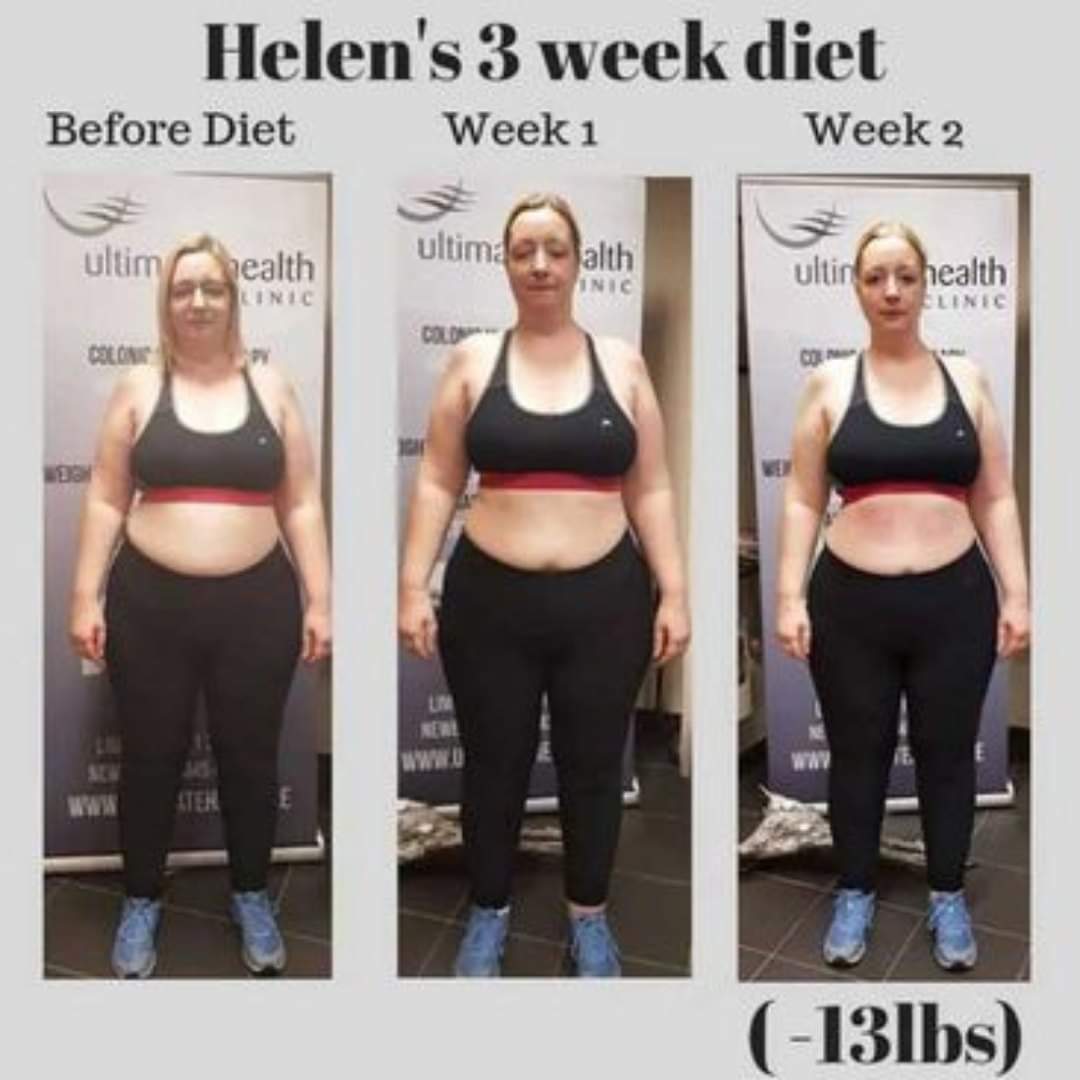 05/07/2023 0 CommentsJoin our Ultimate Health Weight Management ProgrammeRead More
If you are ready to embark on a transformative journey towards achieving your weight loss goals, then join our Ultimate Health Weight Management Programme.
-
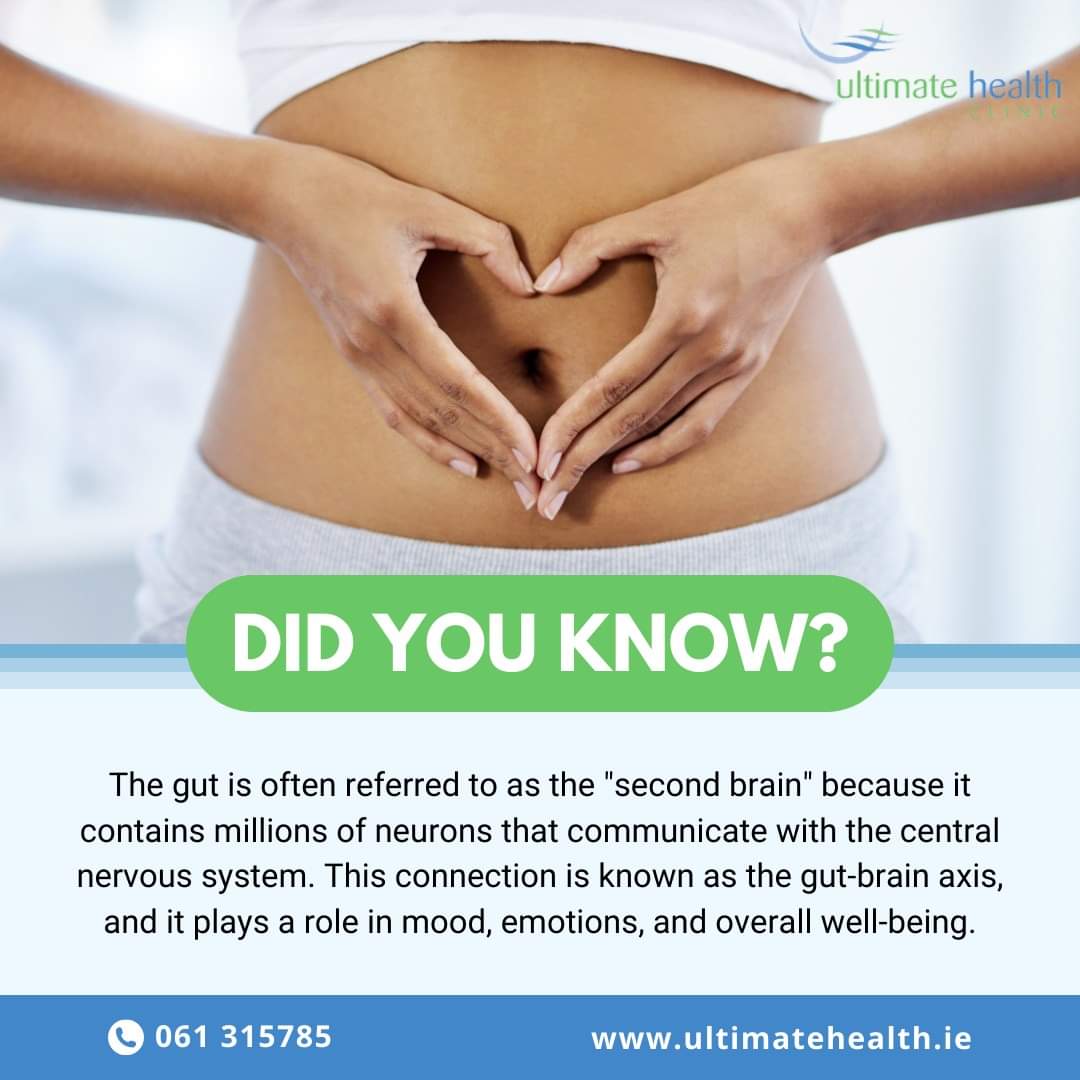 05/07/2023 0 CommentsDid you know that the gut is not just responsible for digesting food?Read More
It's often called the "second brain" because it contains millions of neurons communicating with our central nervous system.
-
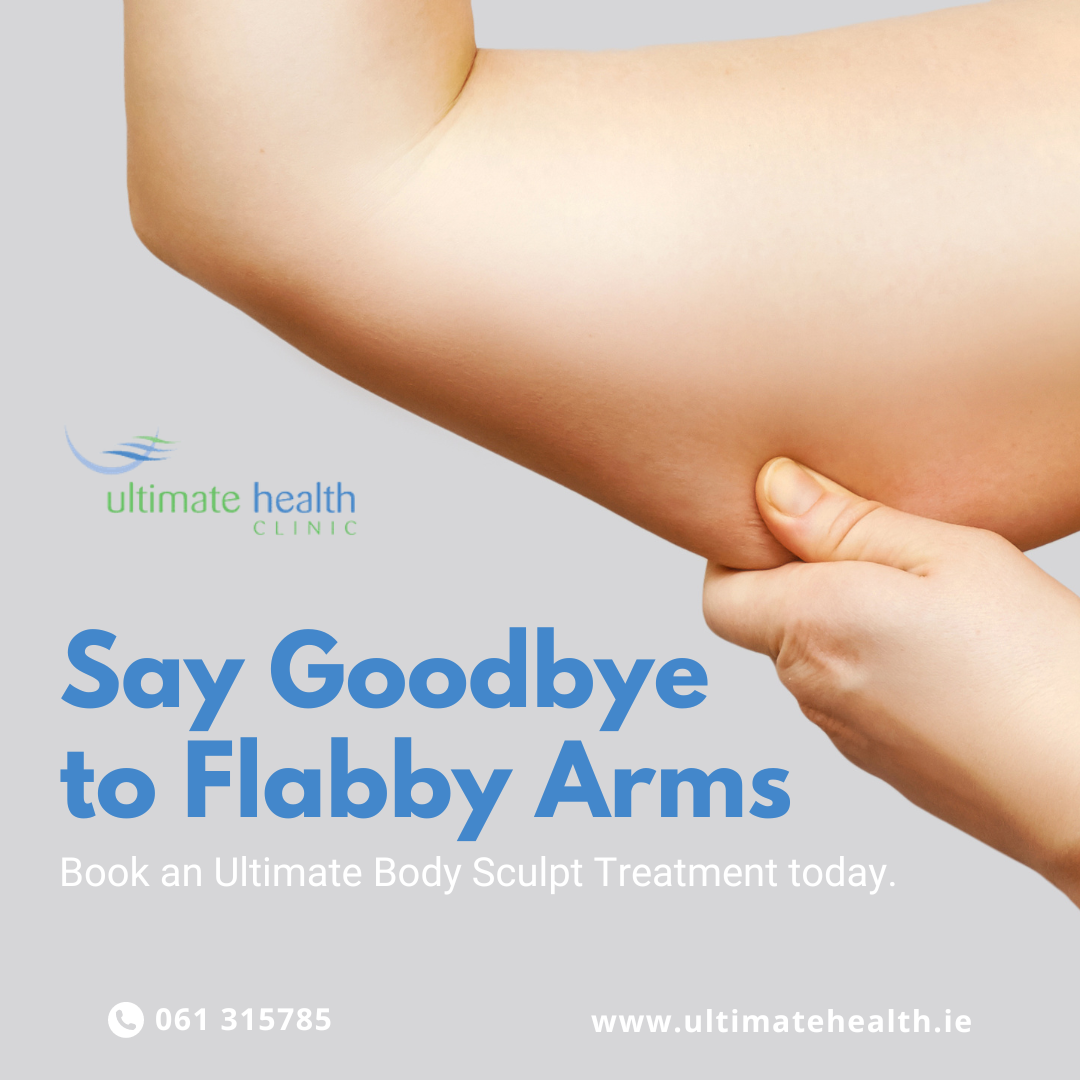 03/07/2023 0 CommentsSay Goodbye to Flabby Arms with the Ultimate Body Sculpt TreatmentRead More
Are you tired of dealing with flabby arms and wishing for a more toned and sculpted look?
-
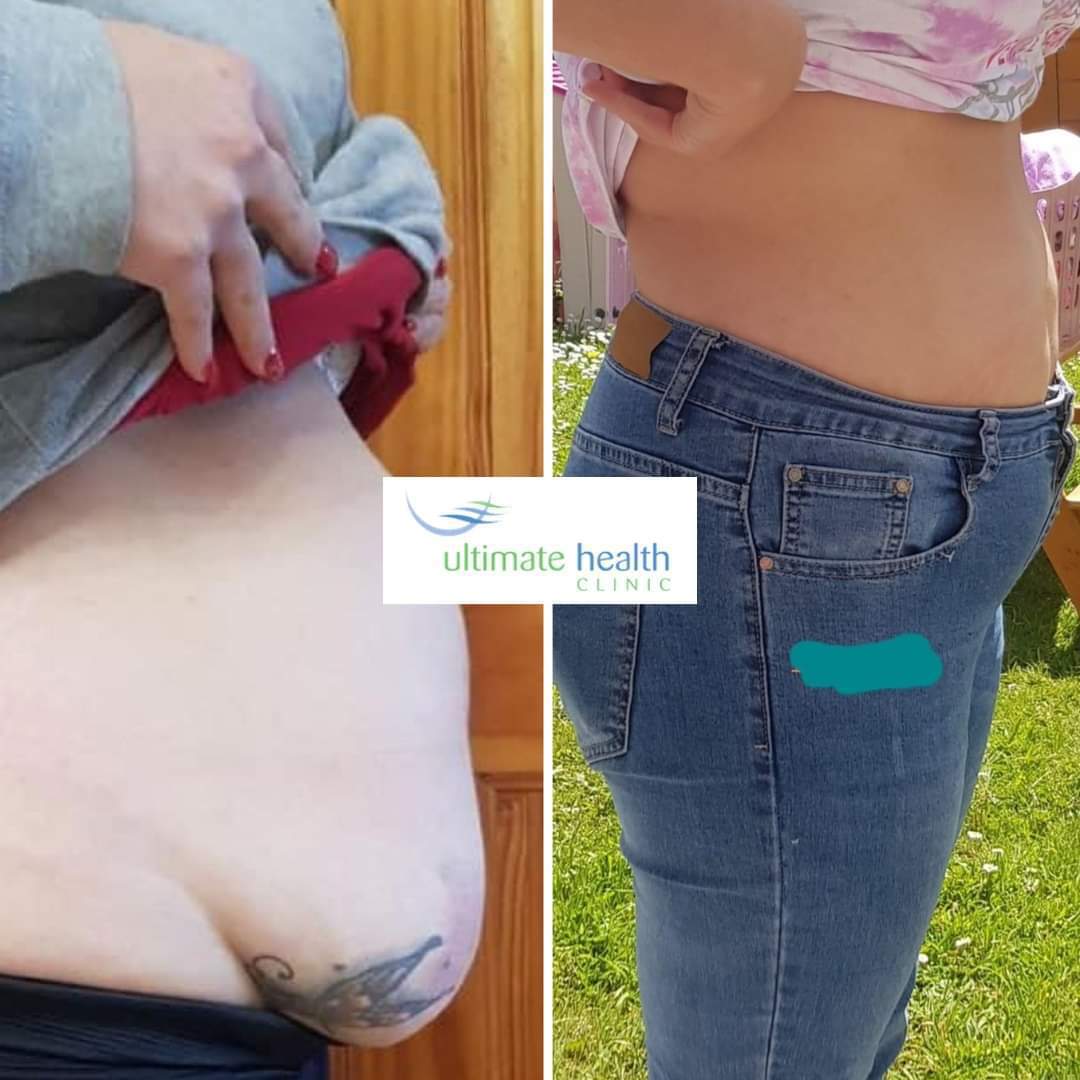 03/07/2023 0 CommentsUltimate Health Clinic is the ultimate destination for anyone looking to transform their health and wellness journey!Read More
We believe that true health is achieved through a holistic approach.
-
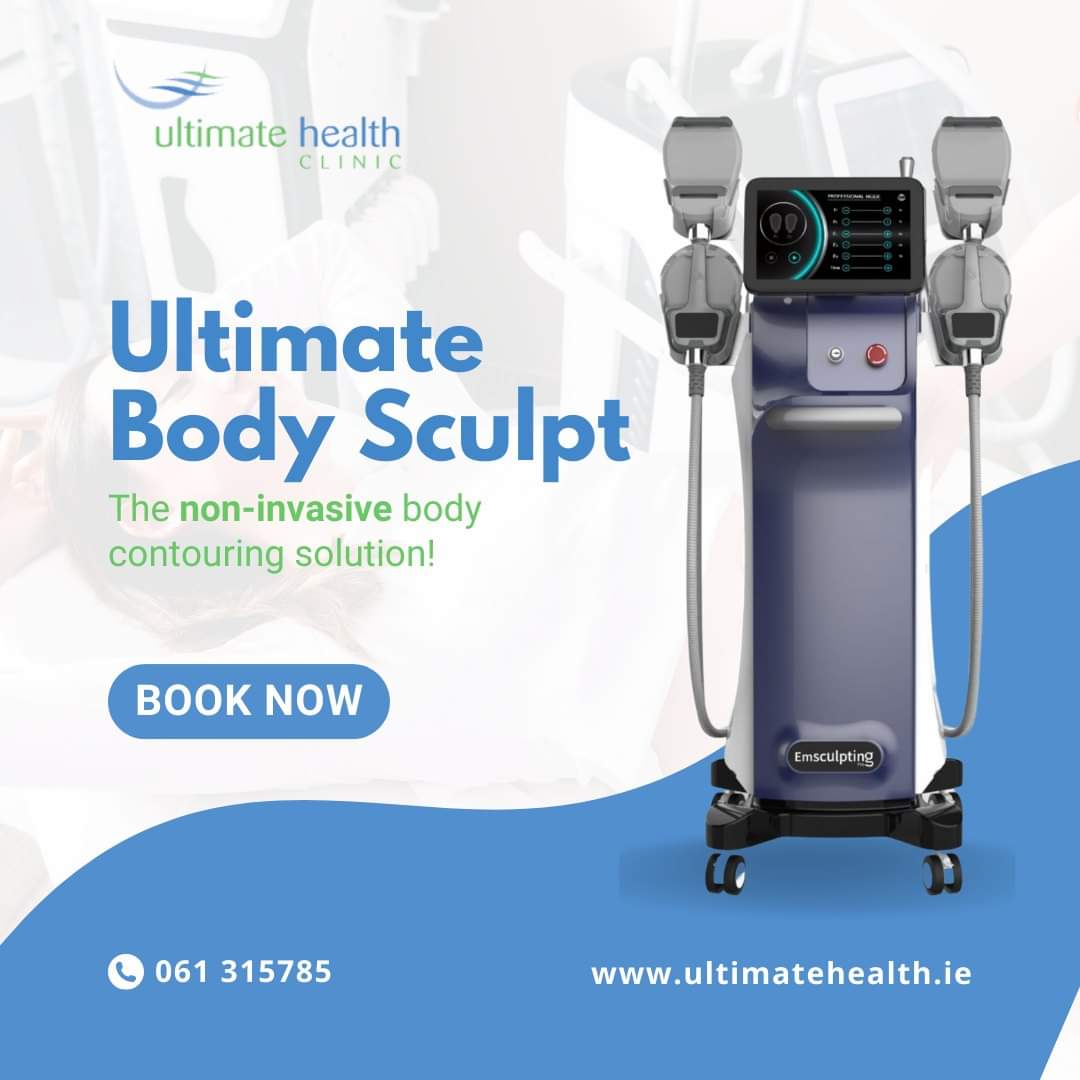 03/07/2023 0 CommentsUltimate body sculpt treatmentRead More
Ultimate Body Sculpt is the answer to all of your body contouring needs!
-
 26/06/2023 0 CommentsAre you feeling burned out, stressed or lacking energy?Read More
It's time to prioritise your health and wellbeing with our holistic treatments!
-
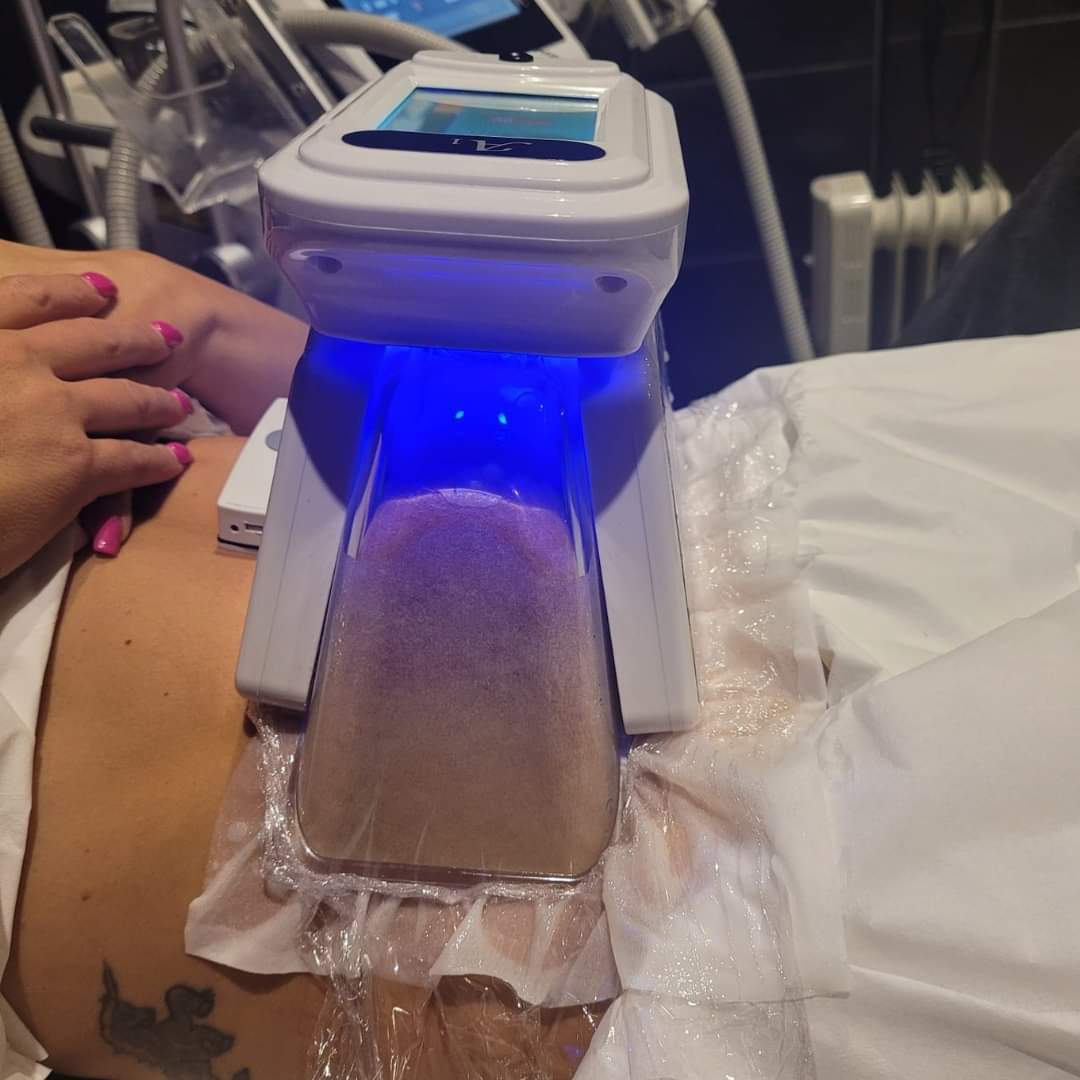 26/06/2023 0 CommentsFat Freezing is non-invasive and requires zero downtimeRead More
If you're looking for an efficient and painless way to reduce stubborn fat, then Fat Freezing might be the answer.
-
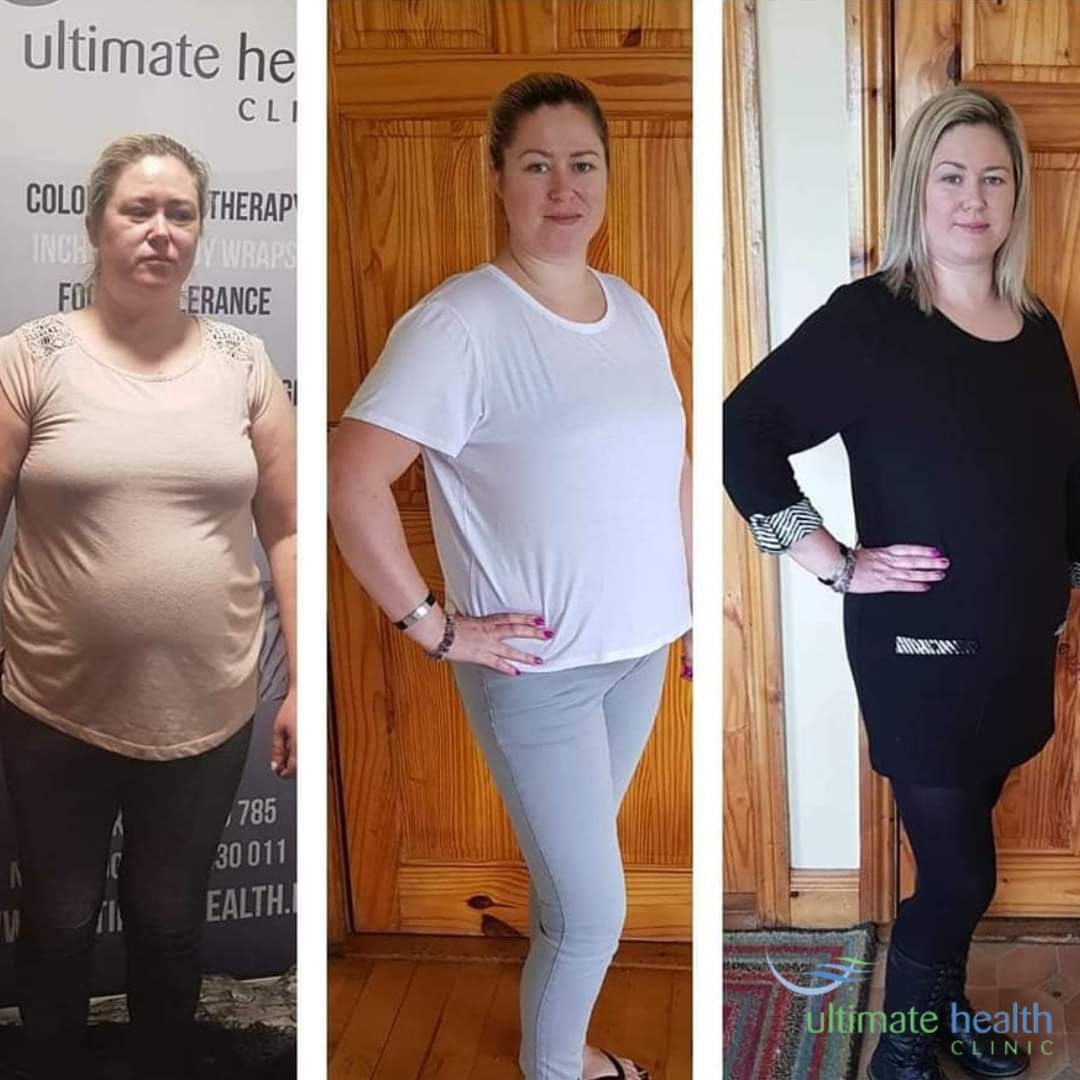 23/06/2023 0 CommentsAt Ultimate Health Clinic, we're all about helping you achieve your best self.Read More
That's why we offer holistic treatments that address the whole person.
-
 23/06/2023 0 CommentsDid you know that chronic stress can negatively impact your gut health?Read More
That's right! When we experience prolonged periods of stress, it can disrupt the delicate balance between our gut and brain.
-
 23/06/2023 0 CommentsAre you tired of dealing with digestive issues and feeling sluggish?Read More
Look no further! Introducing Colonic Hydrotherapy, the ultimate solution for resetting your gut health and revitalizing your overall well-being.
-
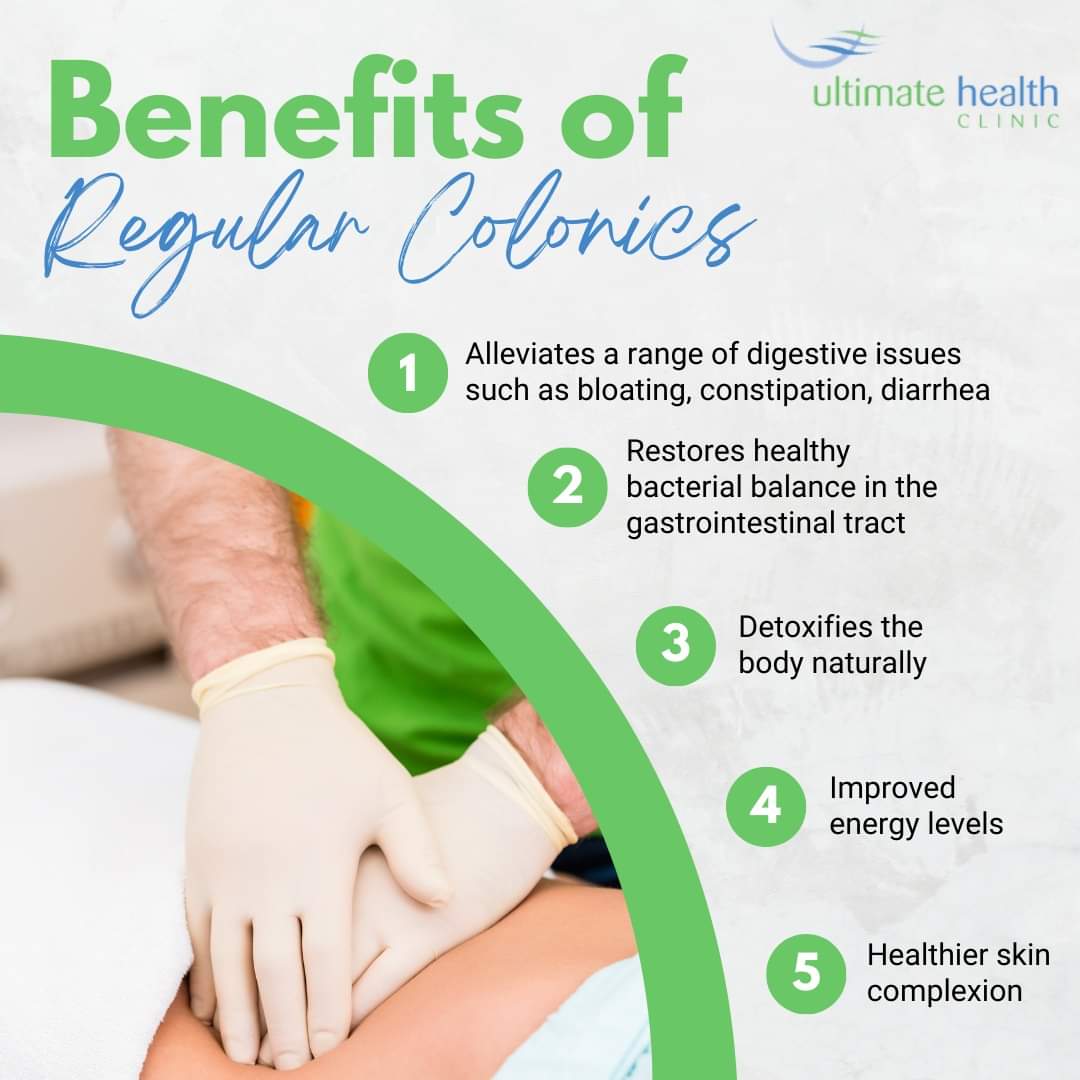 23/06/2023 0 CommentsBenefits of regular colonicsRead More
When it comes to maintaining optimal gut health, one of the most effective and popular treatments is colonic hydrotherapy.
-
 20/06/2023 0 CommentsLooking to reveal your best skin yet?Read More
Then try our red light therapy.
-
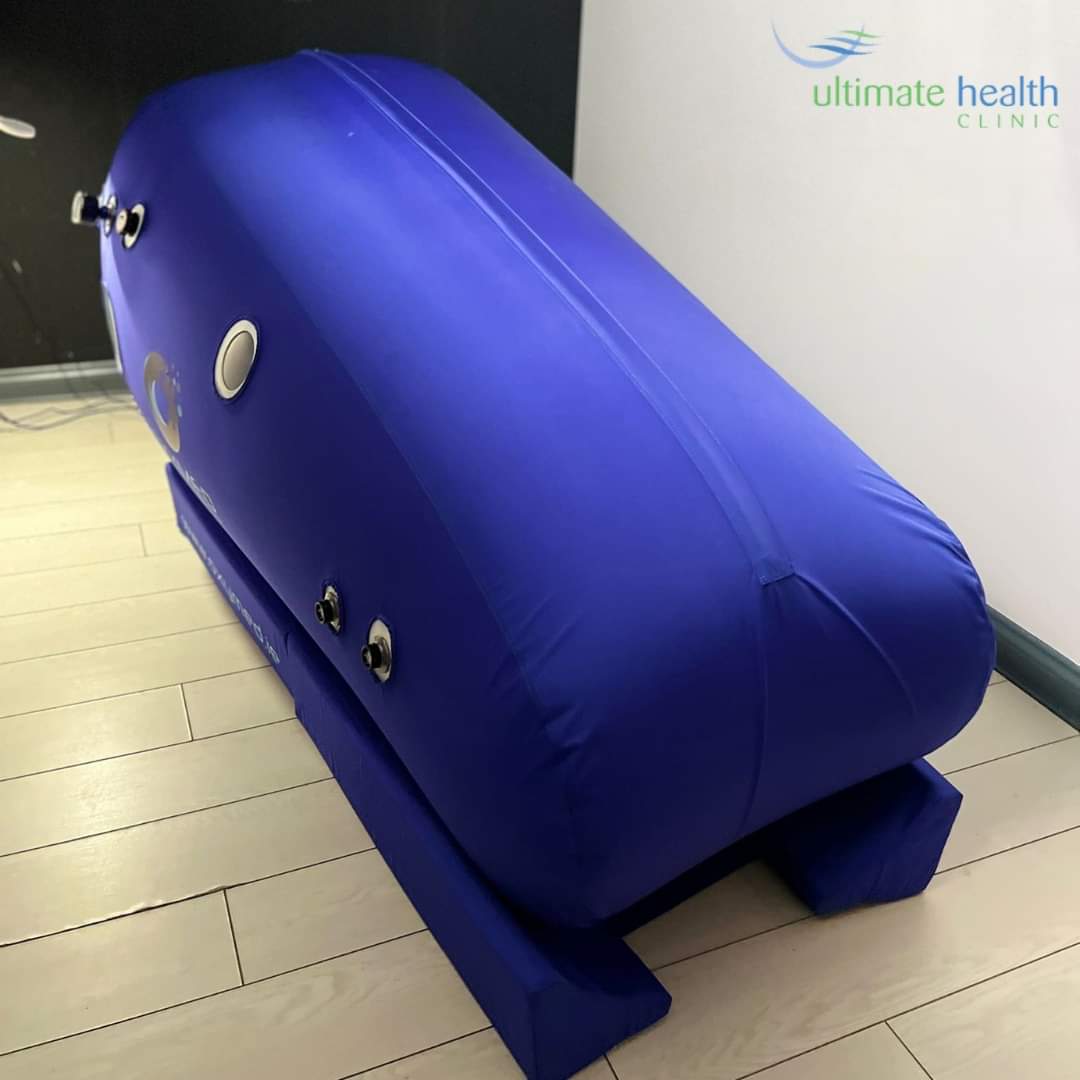 20/06/2023 0 CommentsHyperbaric Oxygen TherapyRead More
For athletes, muscle damage is an inevitable part of training and competing.
-
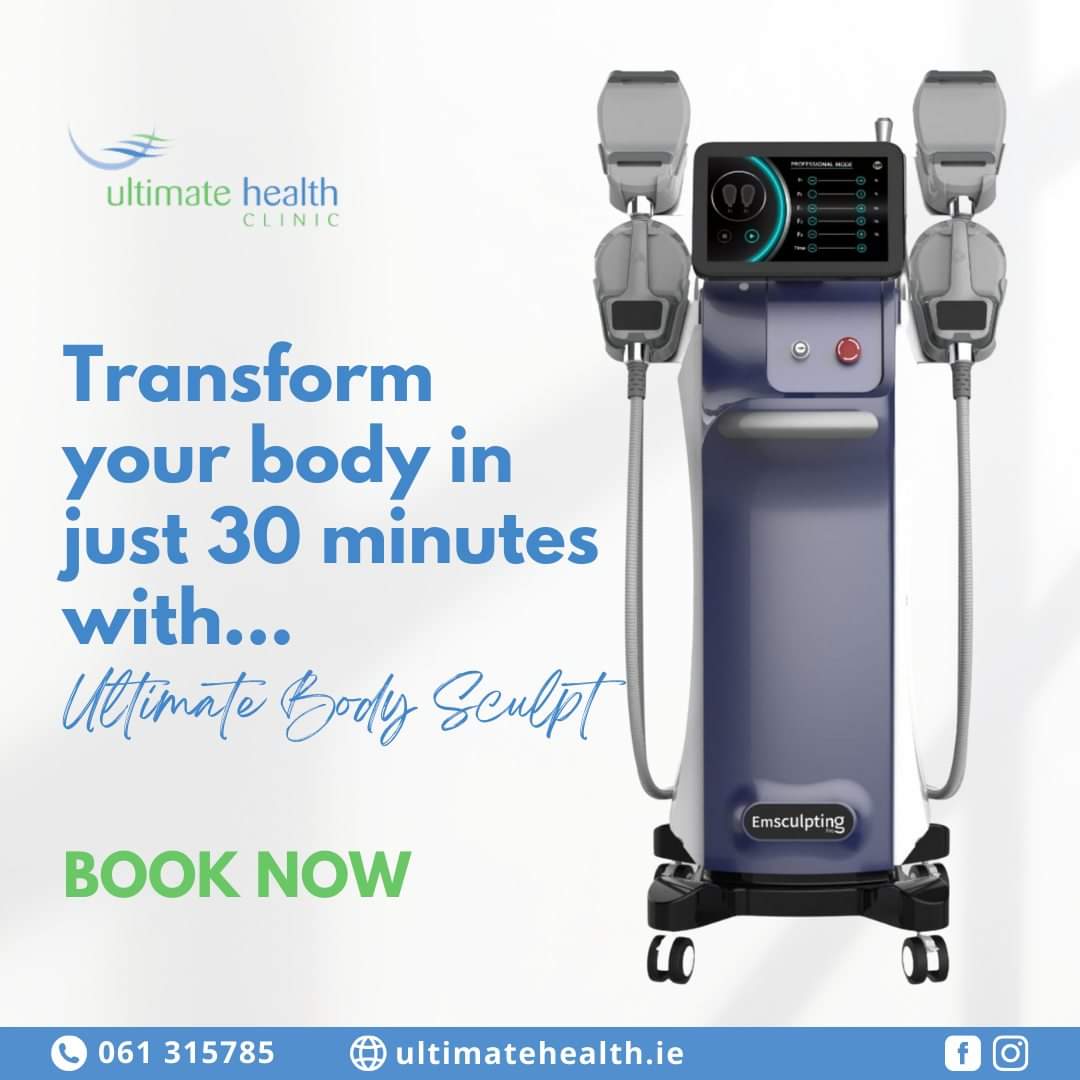 20/06/2023 0 CommentsTransfrom your body in just 30 minutesRead More
Say goodbye to countless hours at the gym and hello to a toned, sculpted physique with just 30 minutes of targeted muscle stimulation.
-
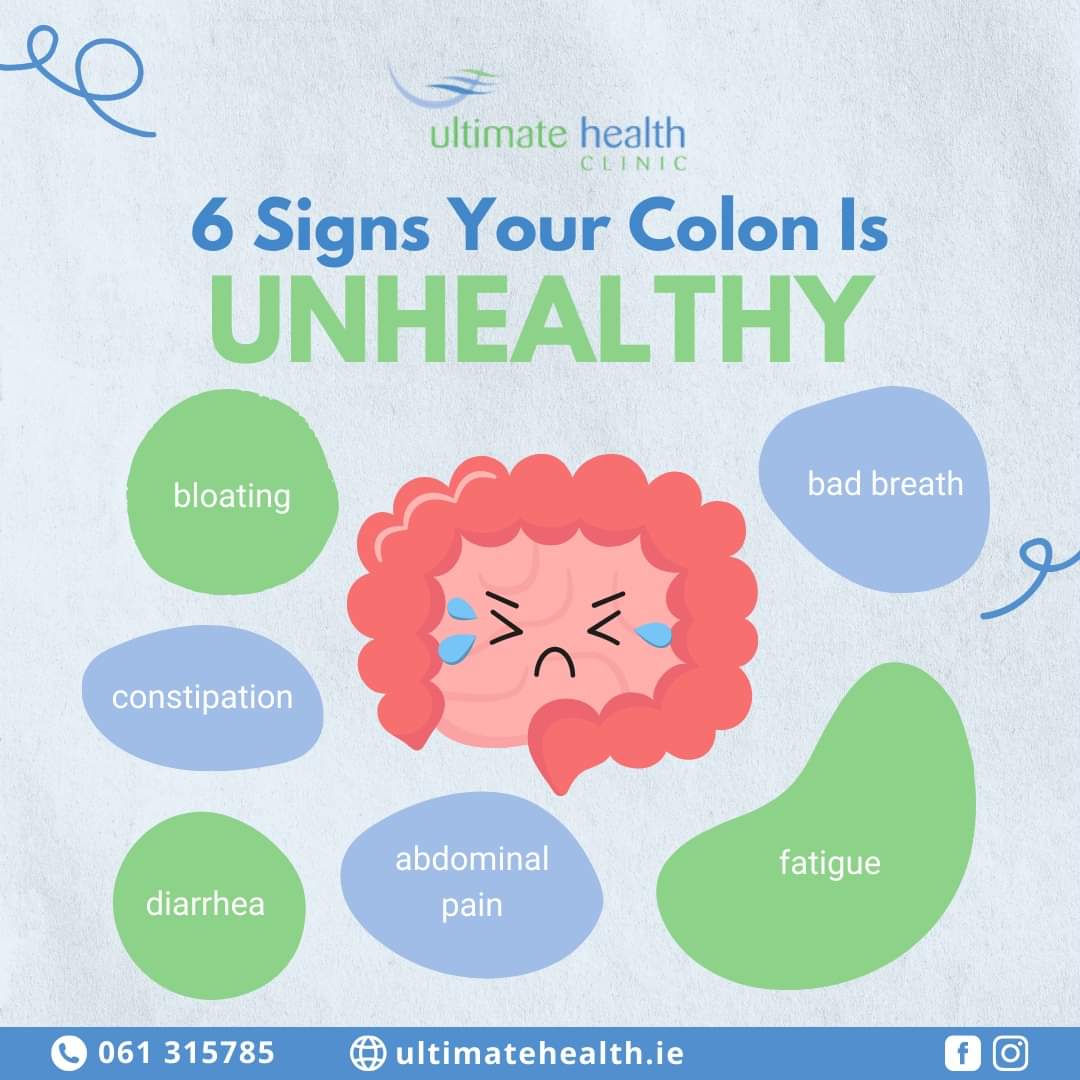 20/06/2023 0 Comments6 Signs your colon is unhealthyRead More
If you're experiencing bloating, constipation, diarrhea, abdominal pain, fatigue or bad breath, these are some signs that your colon is unhealthy.
-
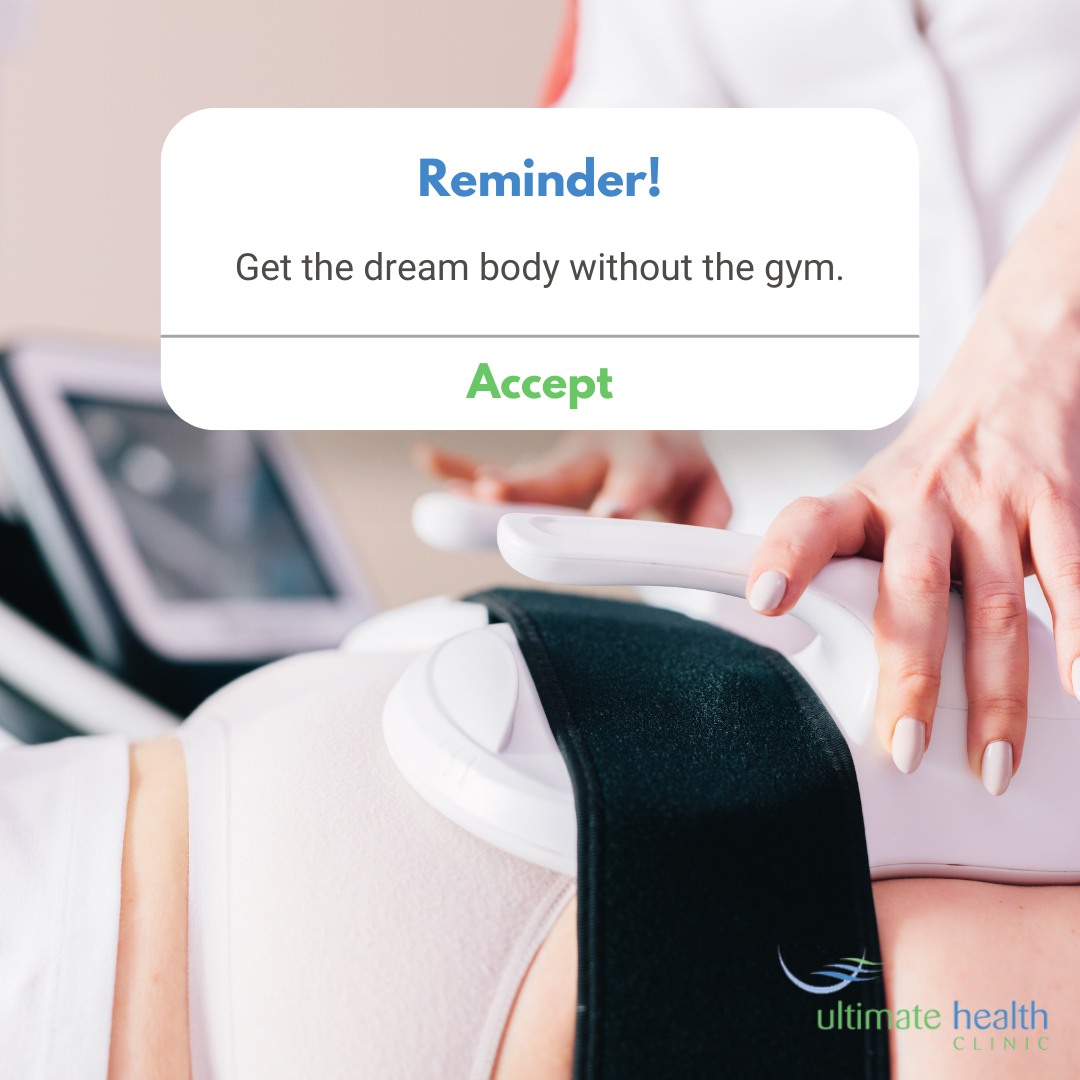 14/06/2023 0 CommentsAre you tired of spending countless hours at the gym without seeing the desired results?Read More
Well, say hello to our Ultimate Body Sculpt – the ultimate body sculpting solution.
-
 14/06/2023 0 CommentsAre you tired of struggling with your weight and feeling like nothing works?Read More
It's time to make a change.
-
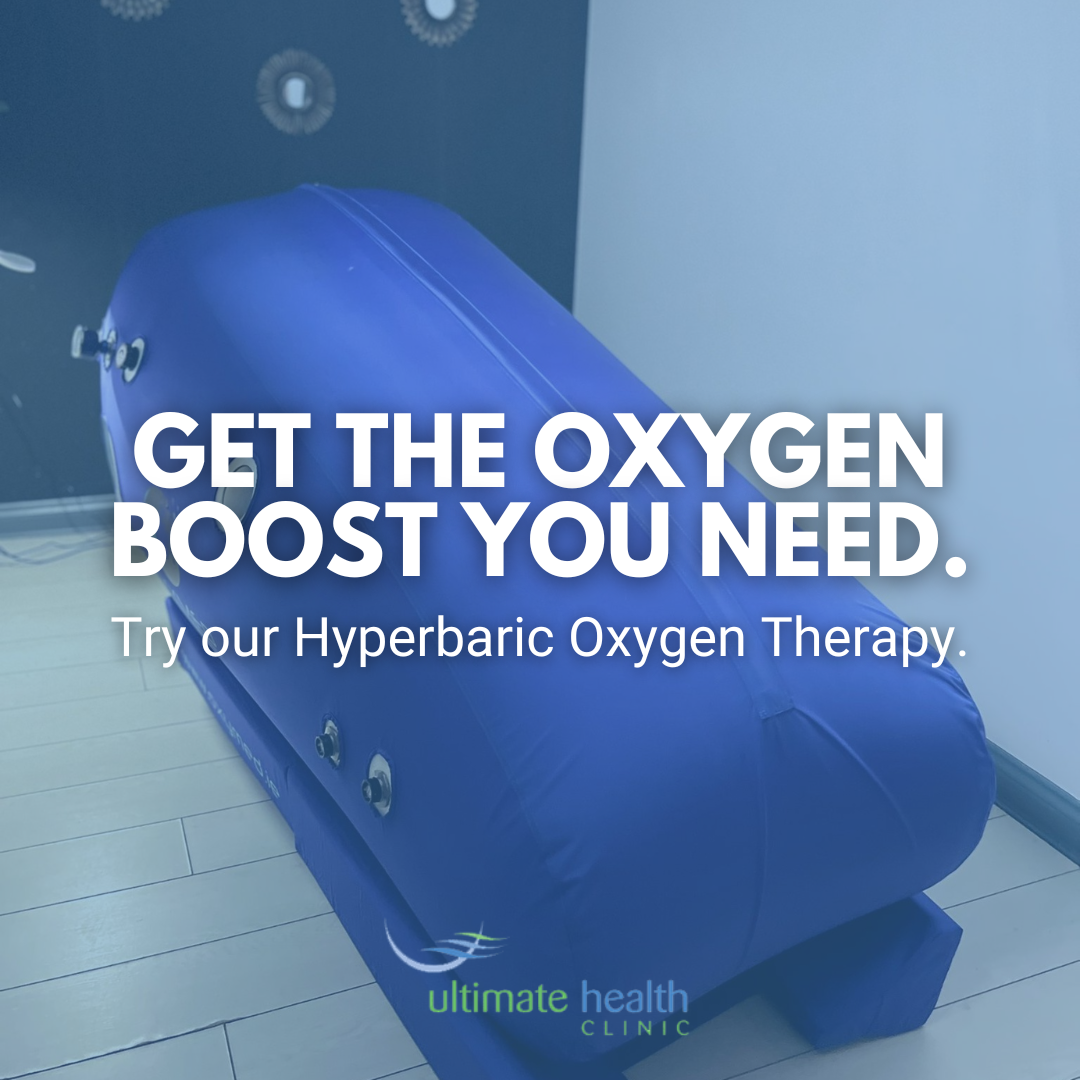 14/06/2023 0 CommentsDiscover the Power of Oxygen Therapy for a Healthier YouRead More
Are you tired of feeling tired all the time? It's time to take a breath of fresh air and rejuvenate your body and mind with our innovative Oxygen Therapy.
-
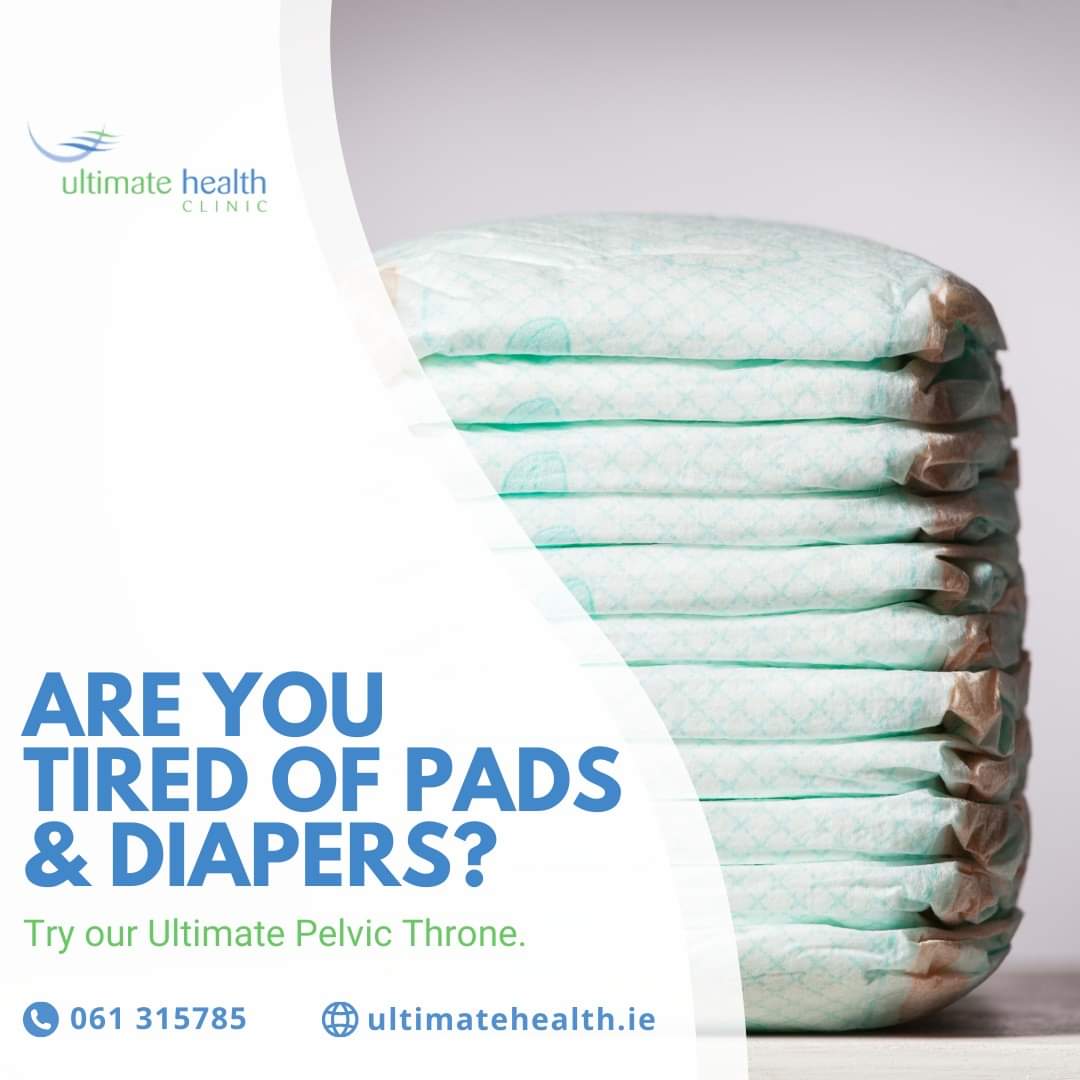 09/06/2023 0 CommentsAre you tired of pads & diapers?Read More
Tired of constantly worrying about leaks and always having to carry pads or diapers with you?
-
 09/06/2023 0 CommentsBoost Your Mood with Colonic Hydrotherapy at the Ultimate Health Clinic!Read More
Are you feeling stressed, tired, bloated, or mentally drained? We have just the solution to lift your spirits and rejuvenate your mind and body.
-
 09/06/2023 0 CommentsThe surprising truth about food allergies...Read More
Food allergies have become a common struggle for many people, but the surprising truth is that most of us don't even know we have them.
-
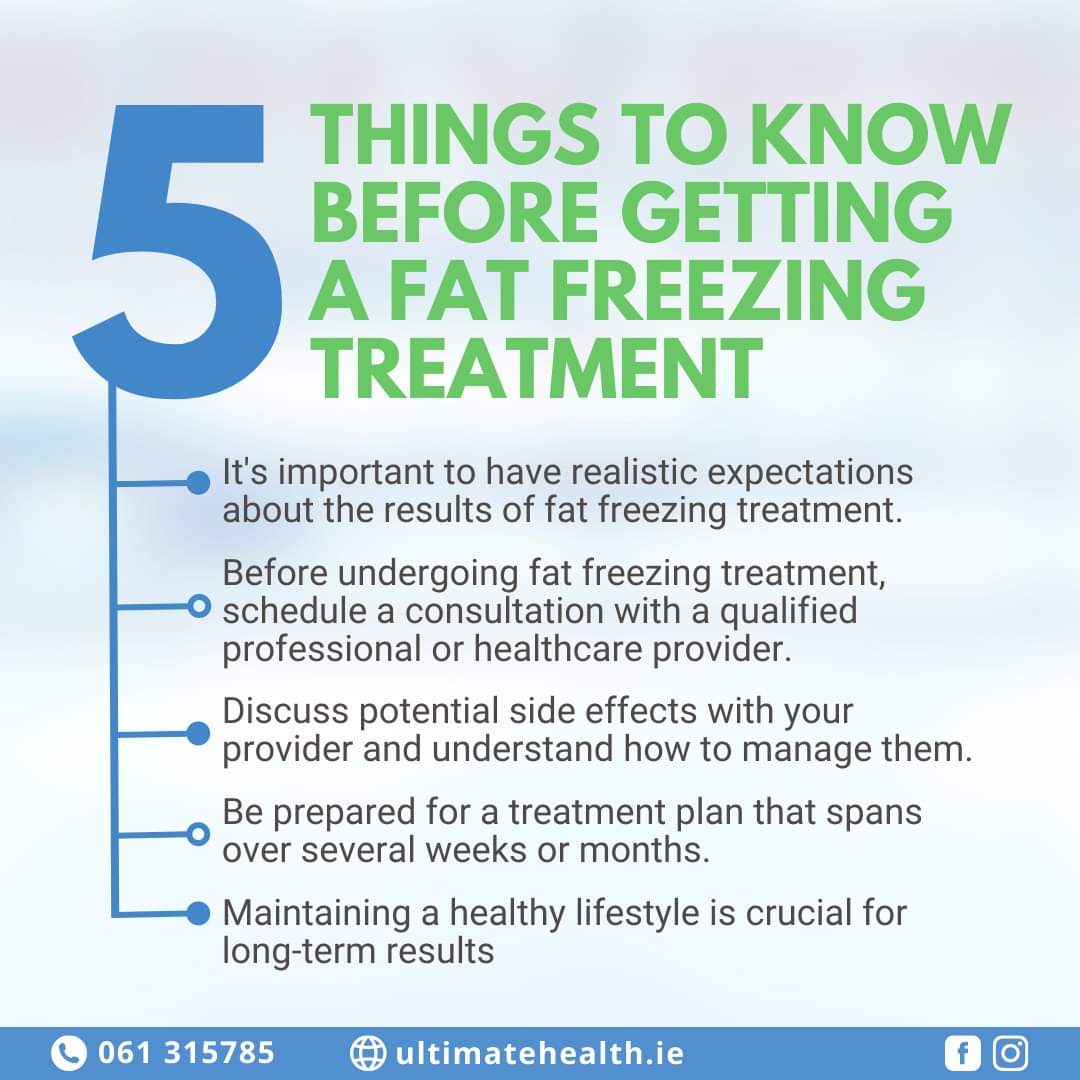 09/06/2023 0 CommentsAre you tired of battling stubborn fat that won't budge no matter how much you exercise or diet?Read More
A fat freezing treatment might be the solution for you!
-
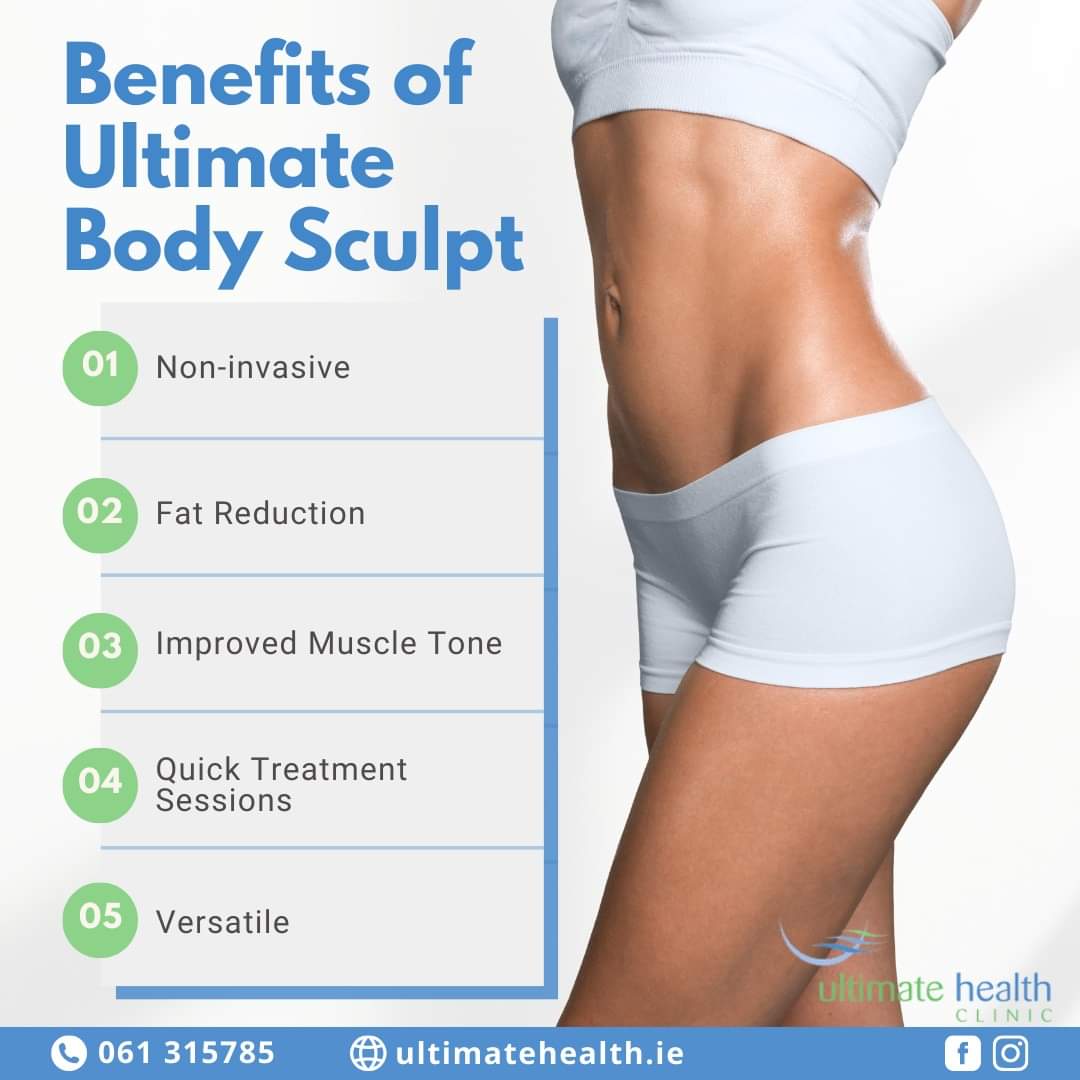 06/06/2023 0 CommentsHave you ever heard of our Ultimate Body Sculpt?Read More
Let me tell you, this treatment is a game-changer!
-
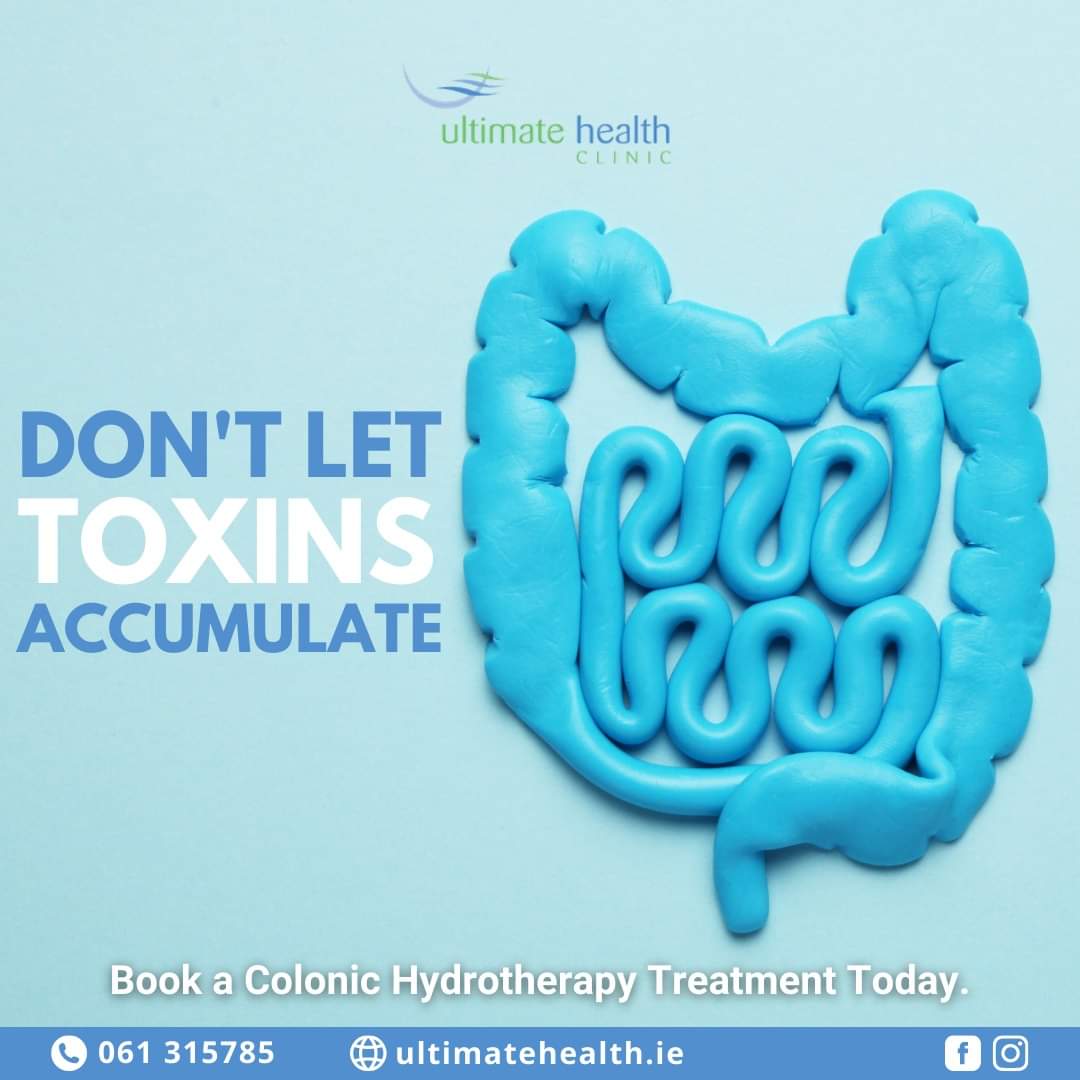 06/06/2023 0 CommentsDon't let toxins accumulateRead More
Are you feeling sluggish, bloated, and run down? It could be that toxins are building up in your body.
-
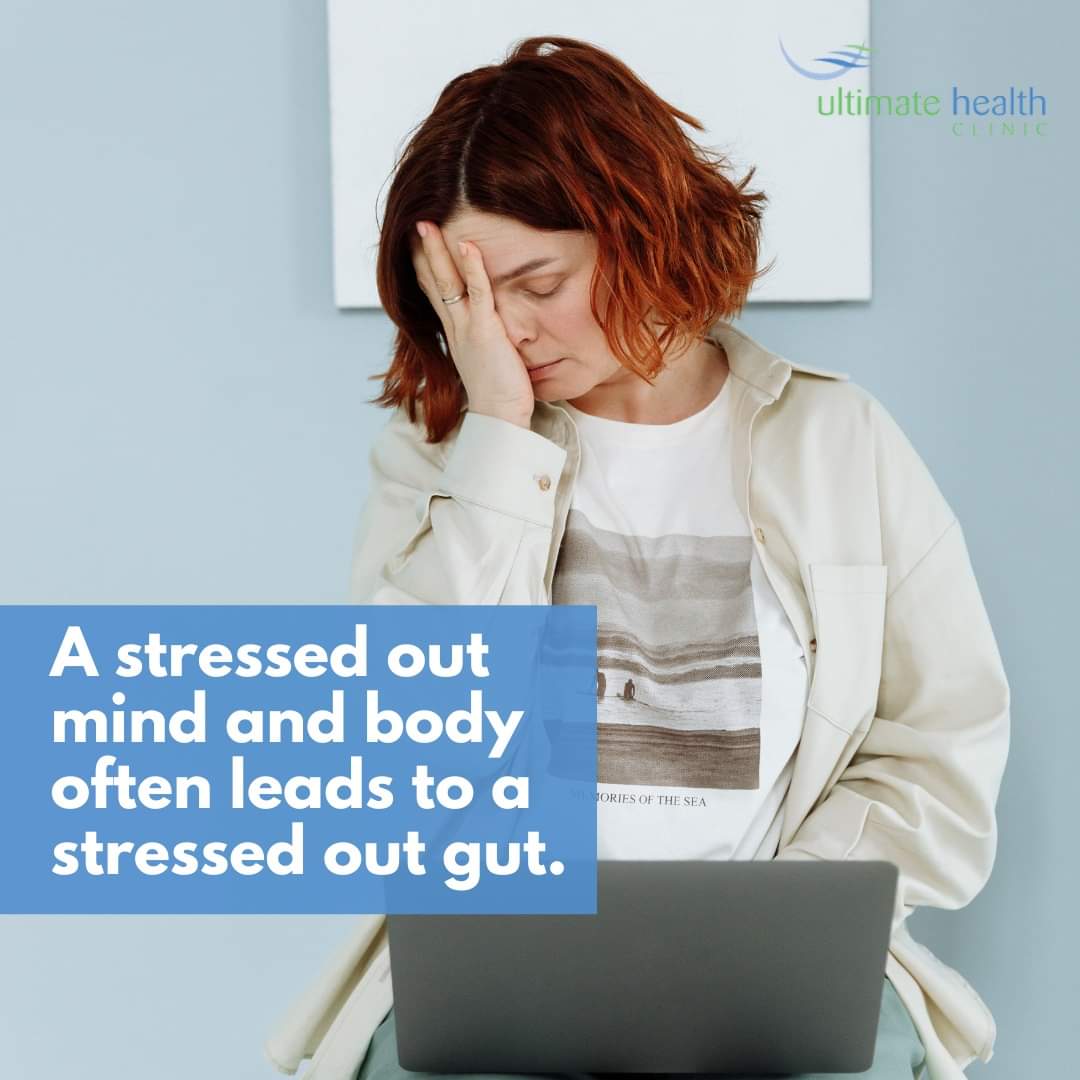 02/06/2023 0 CommentsA stressed out mind and body often leads to a stressed out gutRead More
Our mind and body are intricately connected, and the impact of stress on our lives can manifest itself in various ways.
-
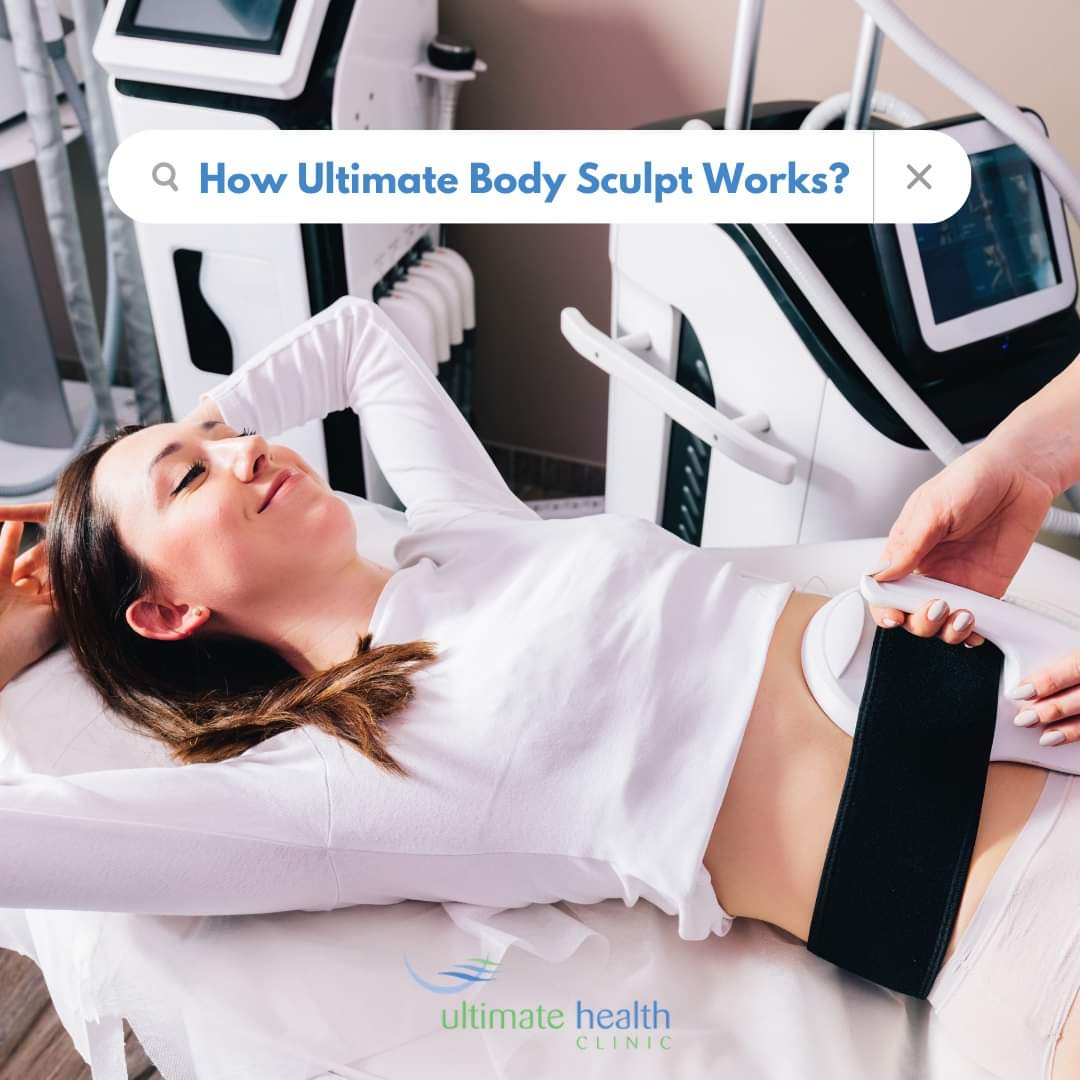 02/06/2023 0 CommentsHow Ultimate Body Sculpt Works?Read More
Ultimate Body Sculpt is a revolutionary non-invasive body sculpting treatment that utilizes high-intensity focused electromagnetic technology to build and tone muscle while also reducing fat.
-
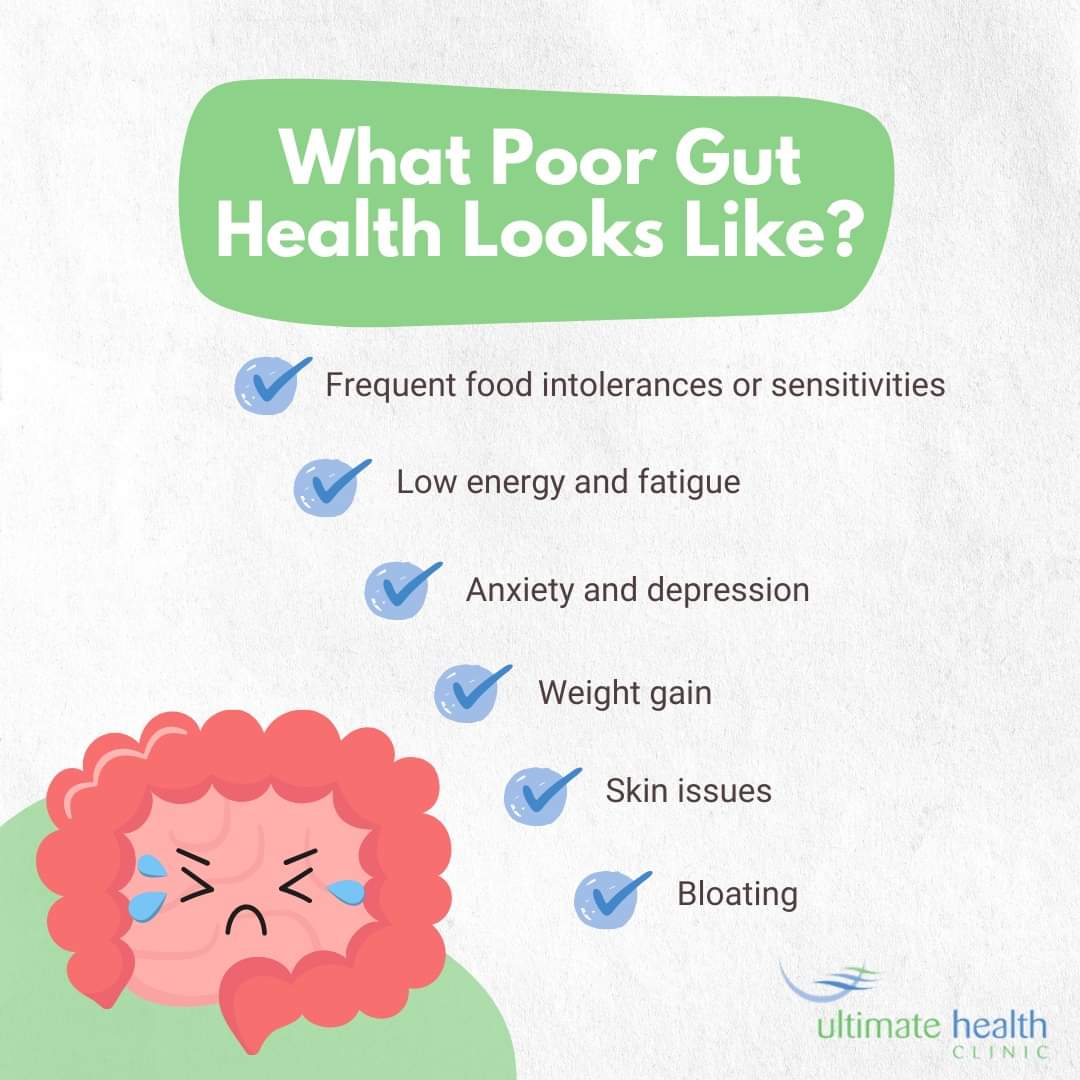 19/05/2023 0 CommentsDo you know what poor gut health looks like?Read More
It's a sneaky culprit that can manifest in various ways, such as bloating, constipation, skin issues, low energy, or even frequent food intolerances or sensitivities.
-
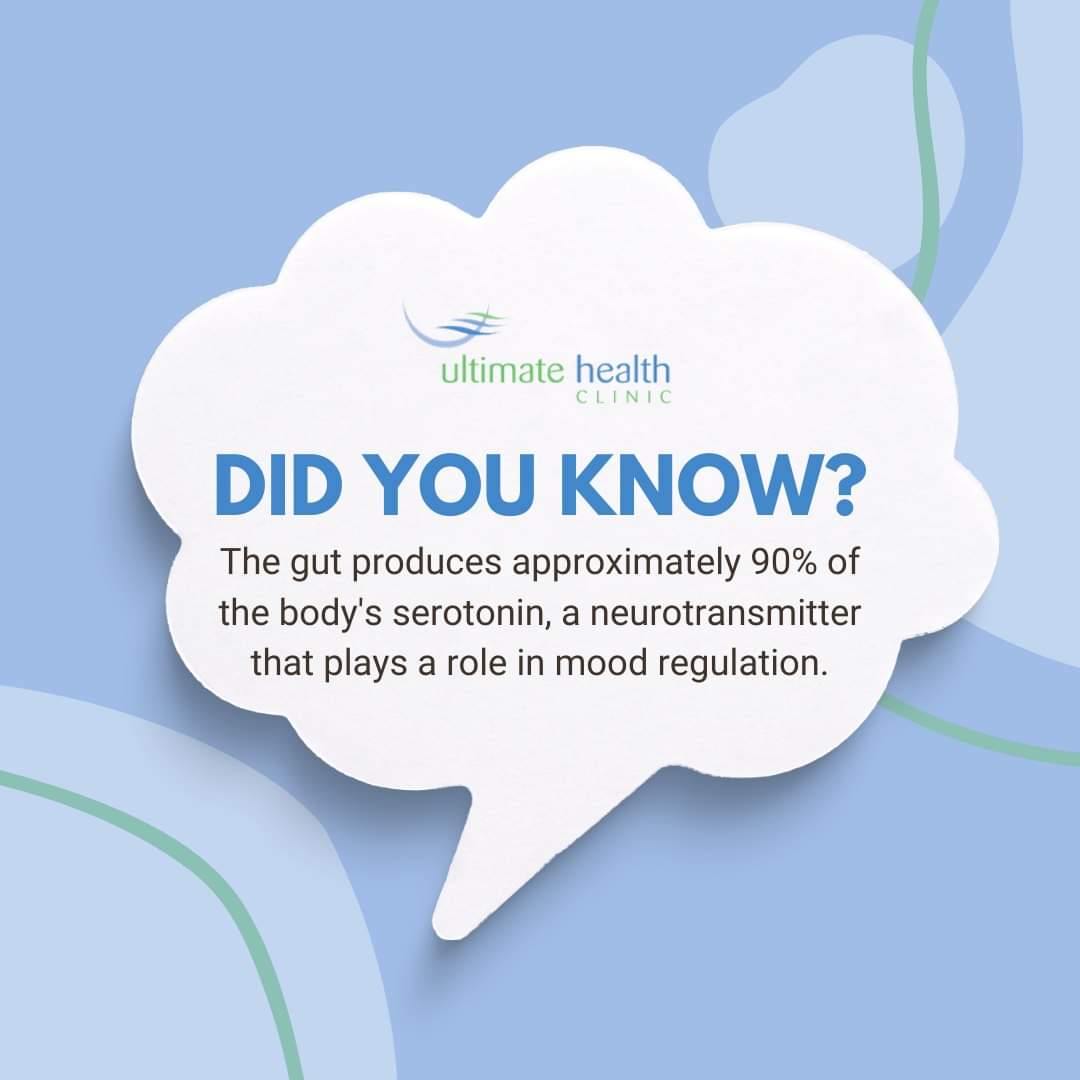 19/05/2023 0 CommentsDid you know?Read More
The gut is a complex system that plays a crucial role in the overall health of our body, and it turns out that it's not just about digestion.
-
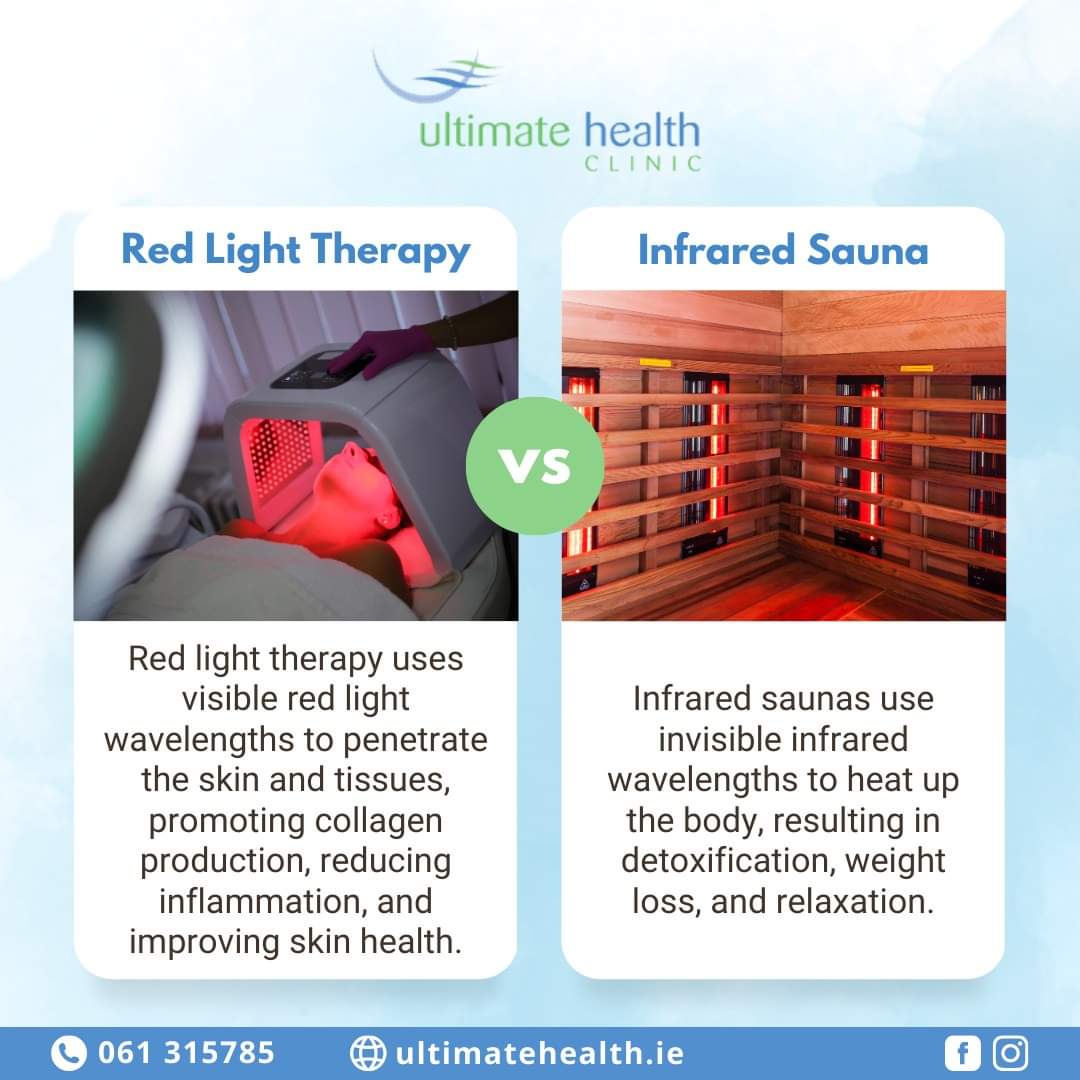 16/05/2023 0 CommentsInfrared Sauna or Red Light Therapy: Which One is Right for You?Read More
Red light therapy and infrared sauna are two popular therapeutic treatments that offer various health benefits.
-
 16/05/2023 0 CommentsAre you tired of feeling like you can't control your bladder?Read More
Incontinence is a common issue many women face, but it doesn't have to be something that holds you back.
-
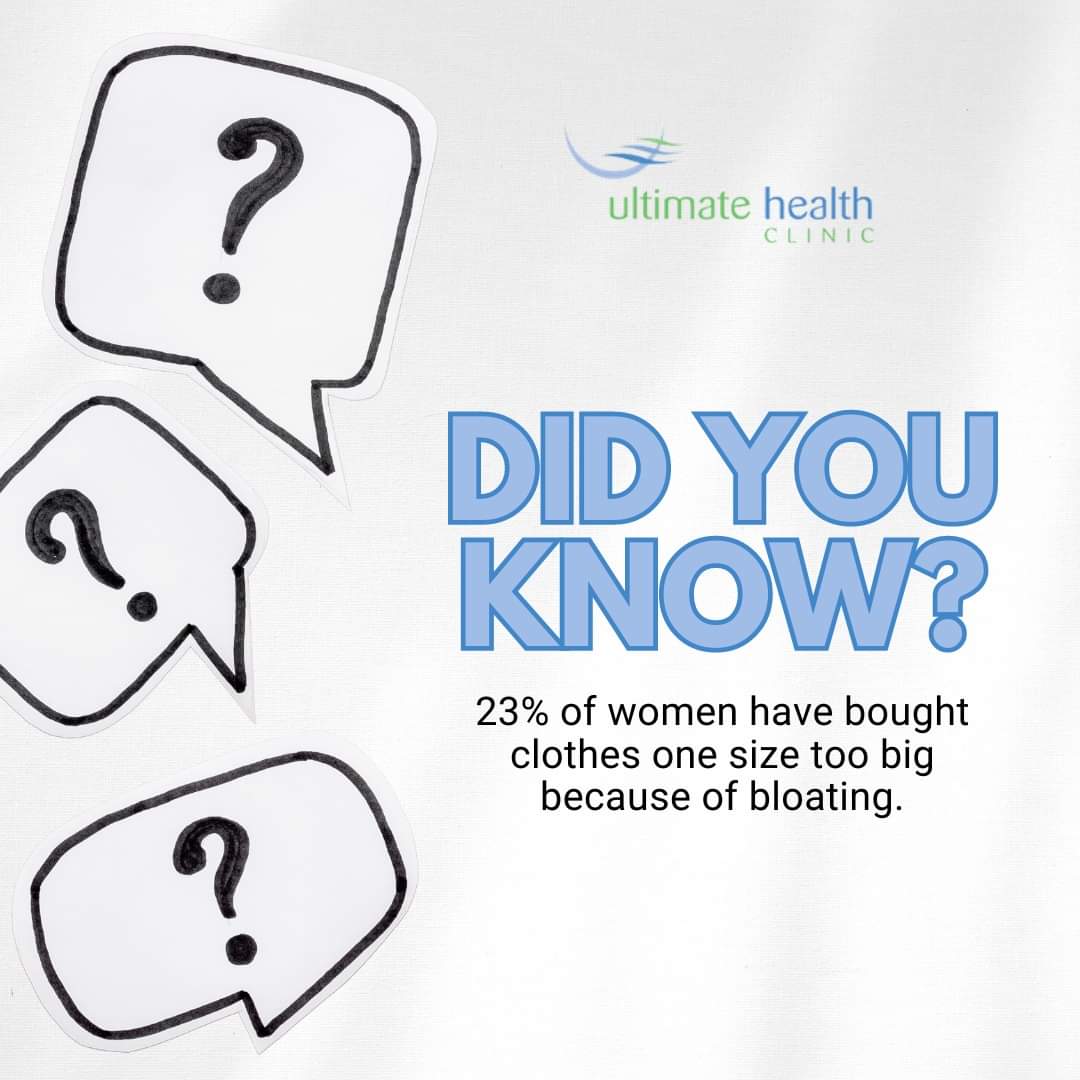 16/05/2023 0 CommentsDid you know that 23% of women have bought clothes one size too big because of bloating?Read More
Say goodbye to oversized clothing and hello to a happy gut with Colonic Hydrotherapy!
-
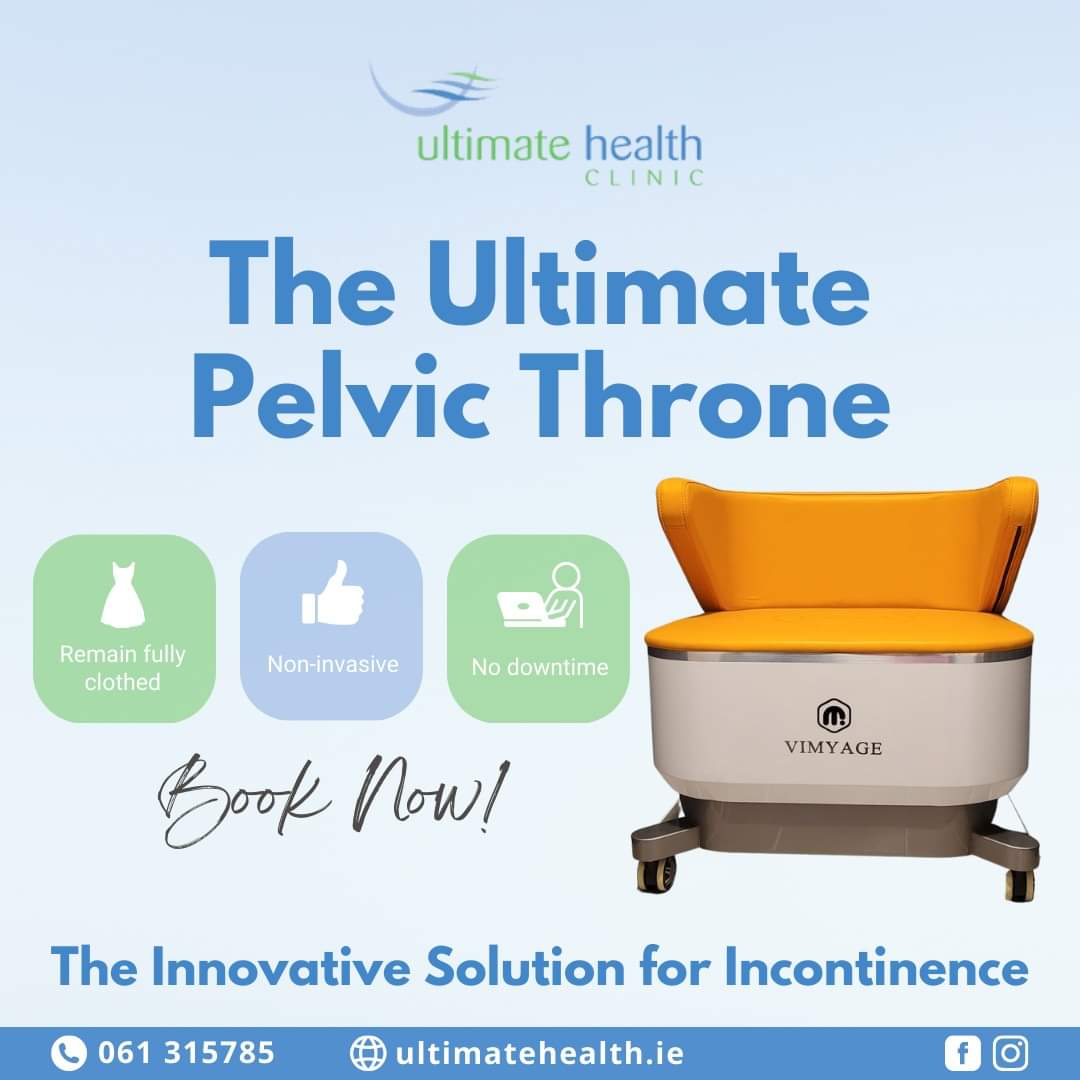 16/05/2023 0 CommentsAre you tired of dealing with the embarrassing and uncomfortable effects of incontinence?Read More
The Ultimate Pelvic Throne is an innovative solution changing the game for those suffering from this common condition.
-
 11/05/2023 0 CommentsTone and tighten your muscles without breaking a sweat!Read More
Our Ultimate Body Sculpt is the ultimate solution for anyone looking to tone and tighten their muscles without breaking a sweat.
-
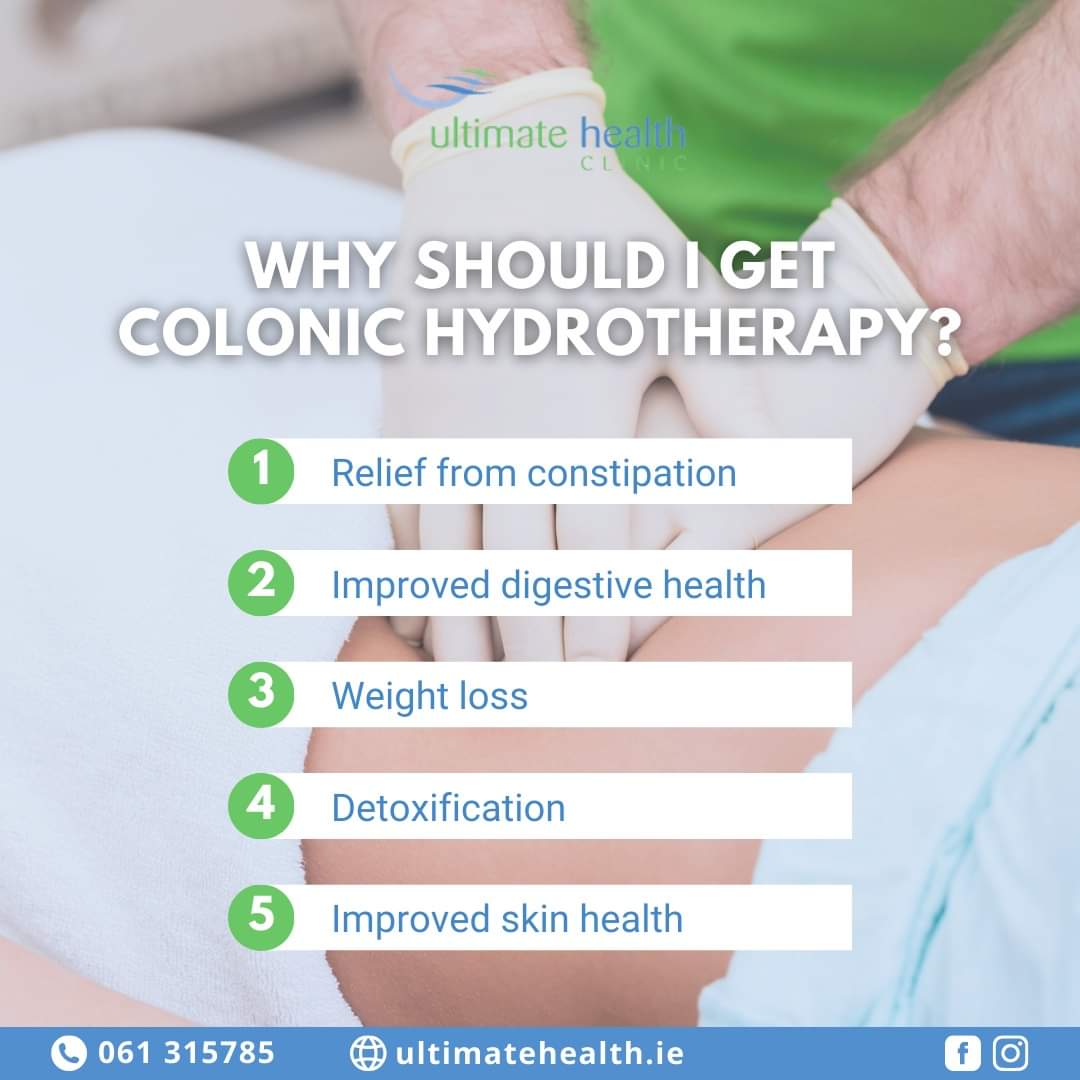 05/05/2023 0 CommentsWhy should I get colonic hydrotherepy?Read More
The decision to undergo colonic hydrotherapy, or colon cleansing, is a personal one that should be based on individual needs and preferences.
-
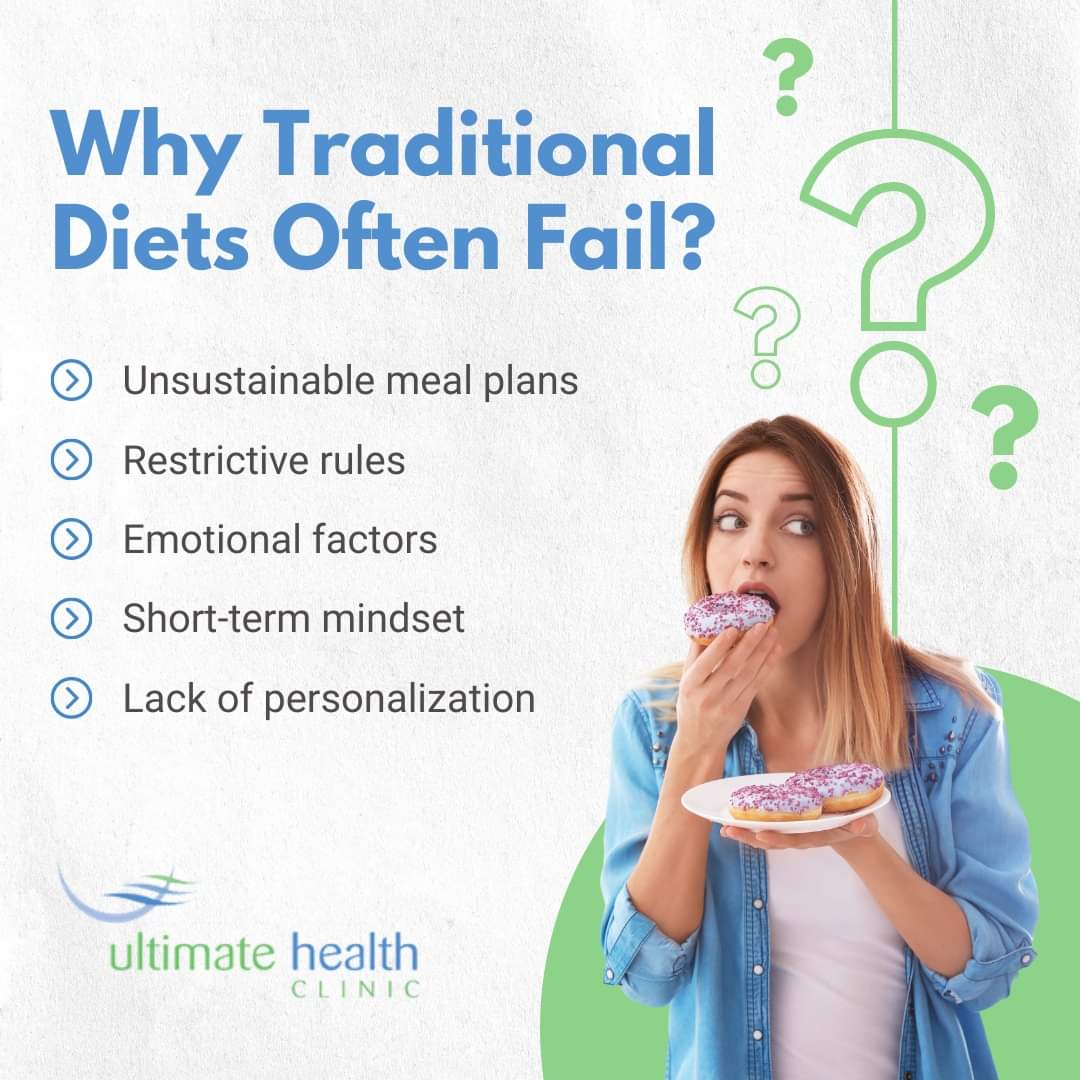 05/05/2023 0 CommentsWhy traditional diets often fail?Read More
There's no doubt that traditional diets often fail.
-
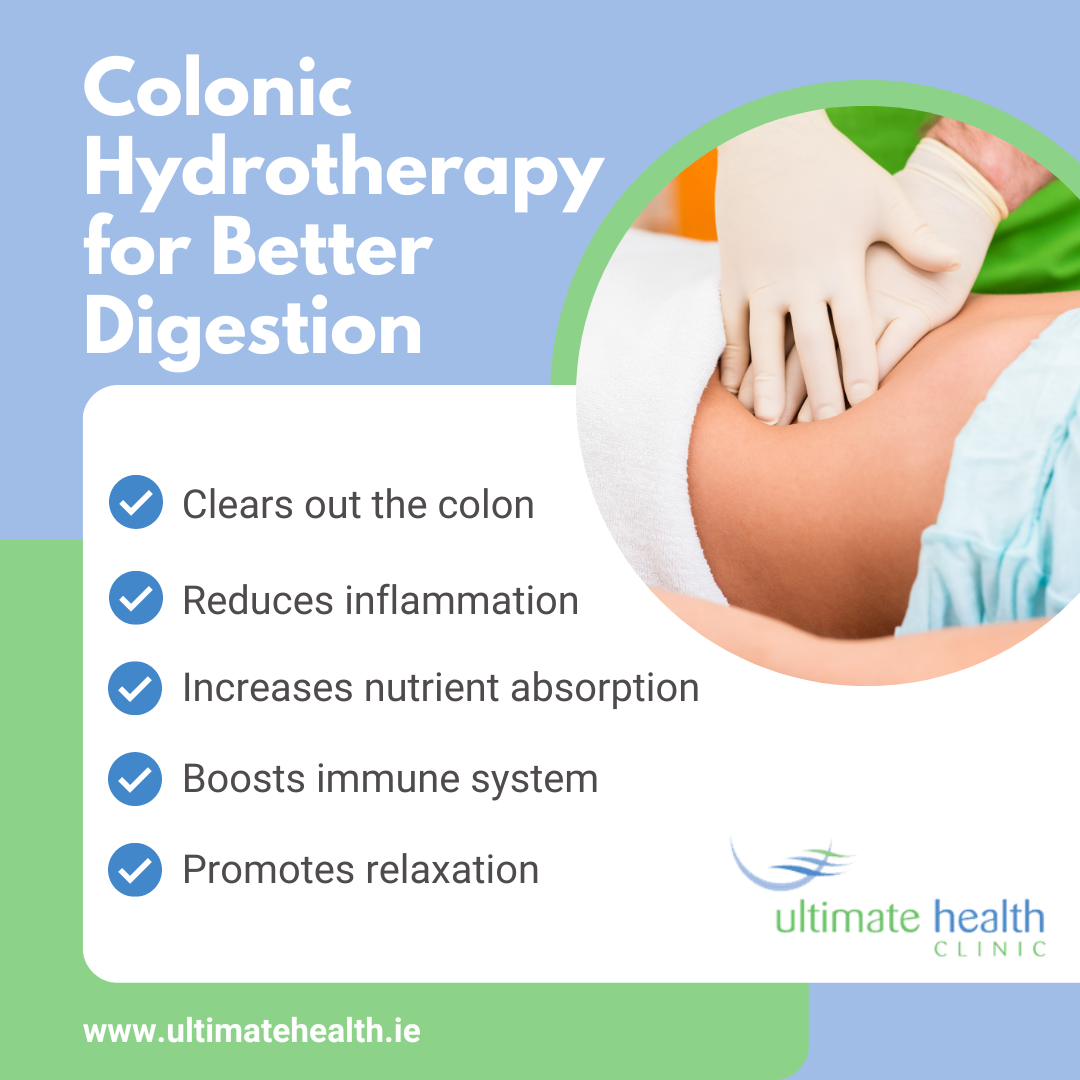 28/04/2023 0 CommentsAre you tired of feeling bloated, sluggish, and weighed down by digestive issues?Read More
Ultimate Health Clinic's Colonic Hydrotherapy may just be the solution you need for a healthier, happier you!
-
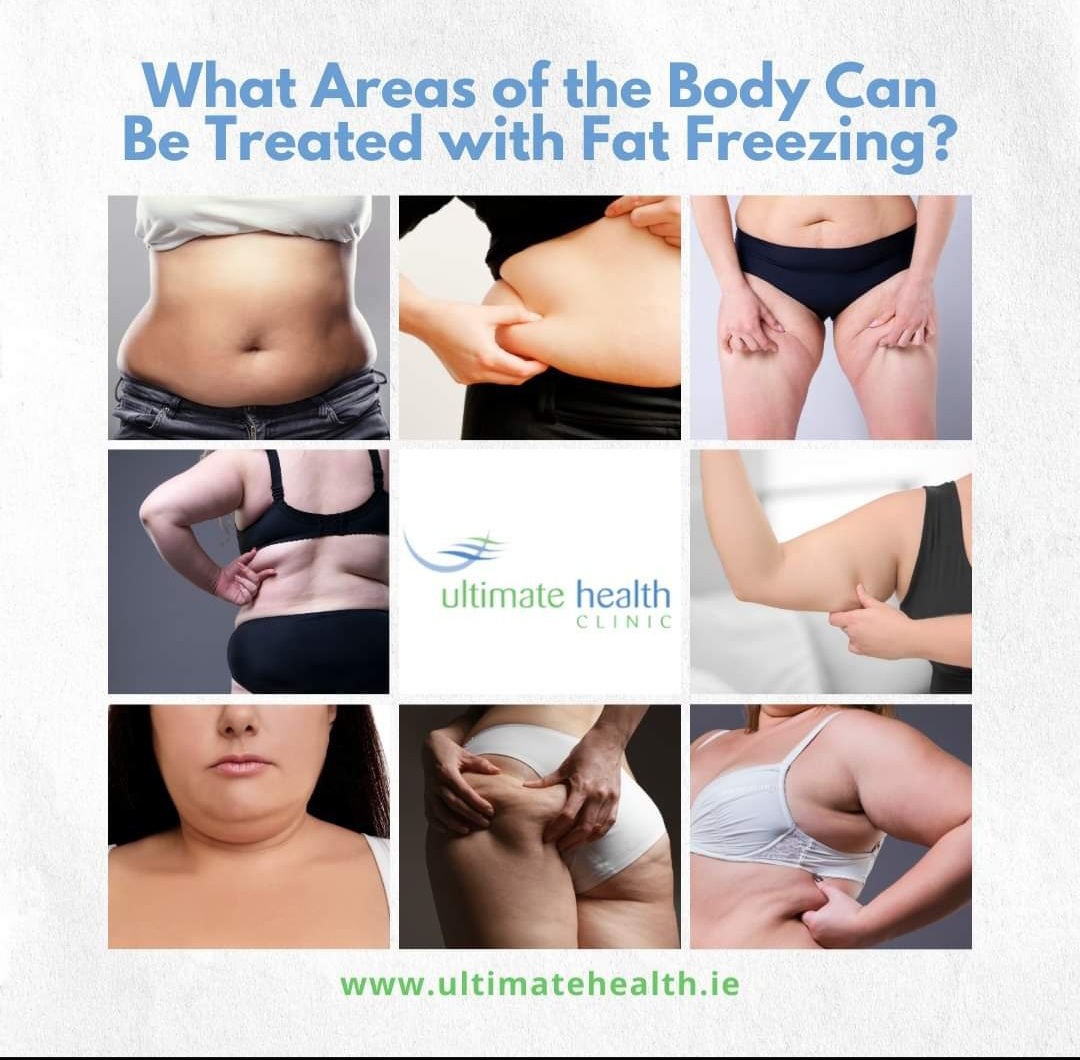 28/04/2023 0 CommentsFat freezing is a non-surgical body contouring treatmentRead More
Fat freezing is a non-surgical body contouring treatment that can target specific areas of the body where stubborn pockets of fat may be present.
-
 27/04/2023 0 CommentsDid you know that there is a strong link between gut health and brain function?Read More
This connection is often referred to as the gut-brain axis – a complex communication network that allows the two organs to communicate with each other.
-
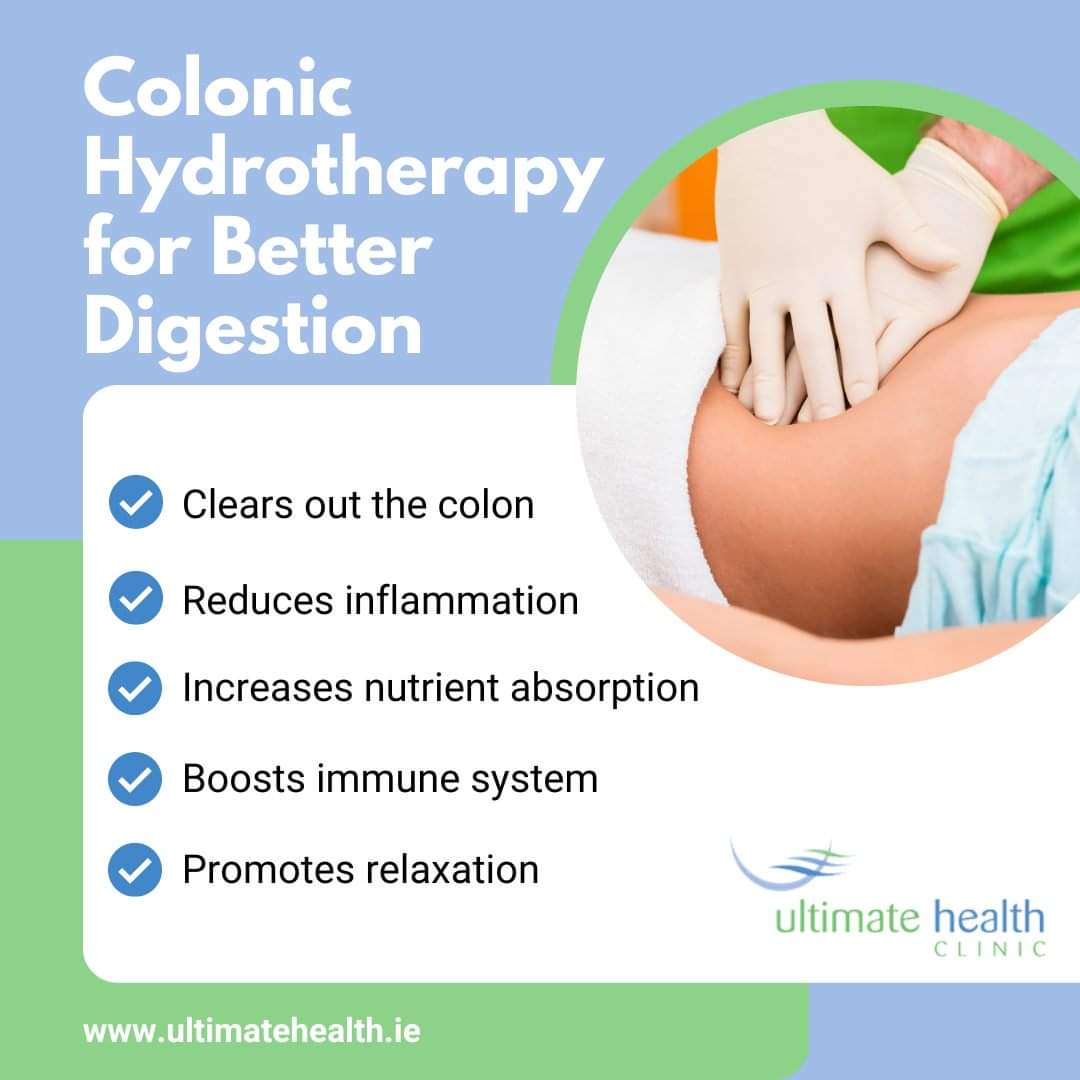 27/04/2023 0 CommentsRelieve digestive issues and feel better than ever with colonic hydrotherapyRead More
Colonic hydrotherapy is a safe and effective way to alleviate digestive issues and improve overall health.
-
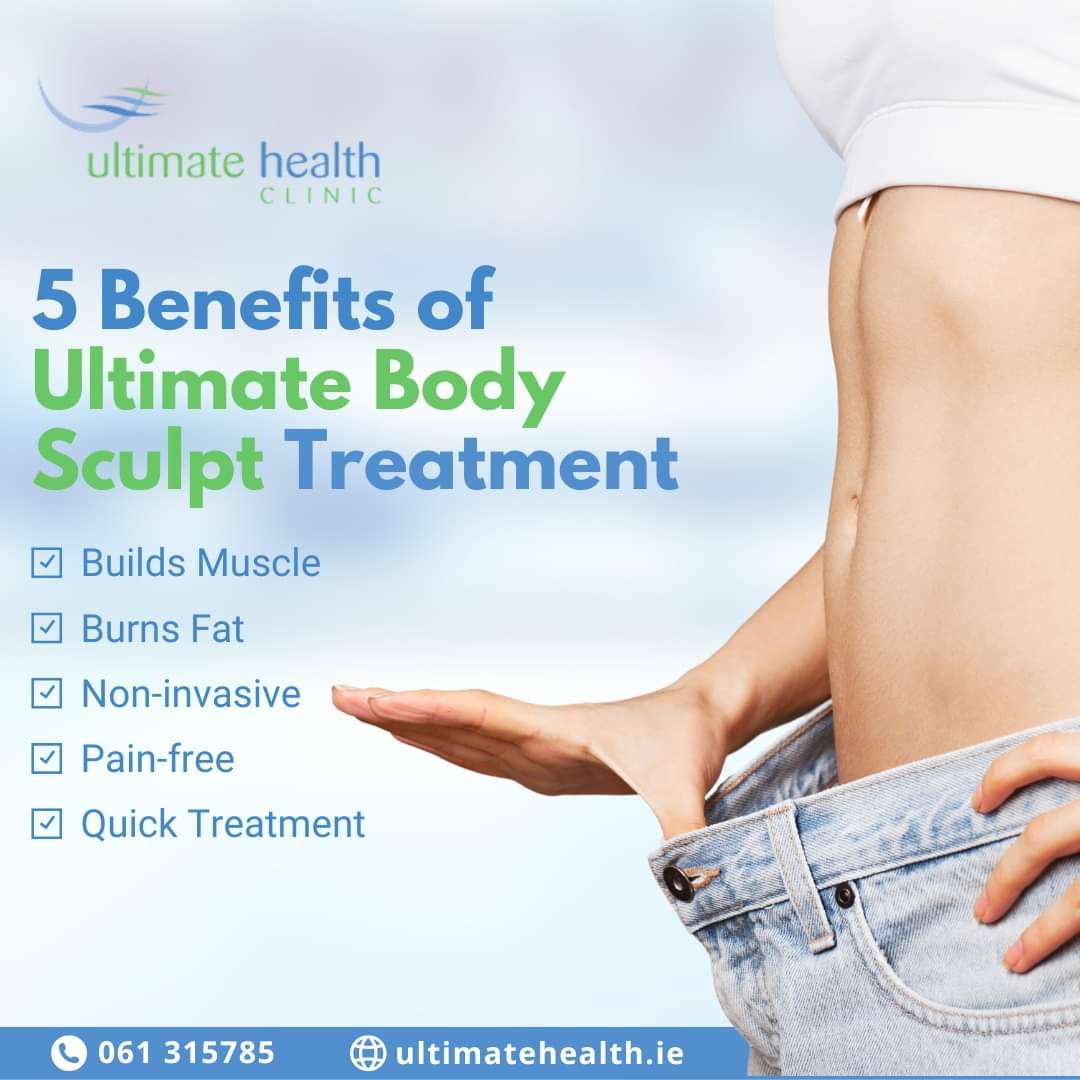 18/04/2023 0 Comments5 Benefits of Ultimate Body Sculpt TreatmentRead More
Ultimate Body Sculpt is a noninvasive body sculpting treatment that uses high-intensity electromagnetic energy to stimulate muscle contractions.
-
 18/04/2023 0 CommentsLooking to lose inches and gain confidence?Read More
Fat freezing treatment may be just what you need!
-
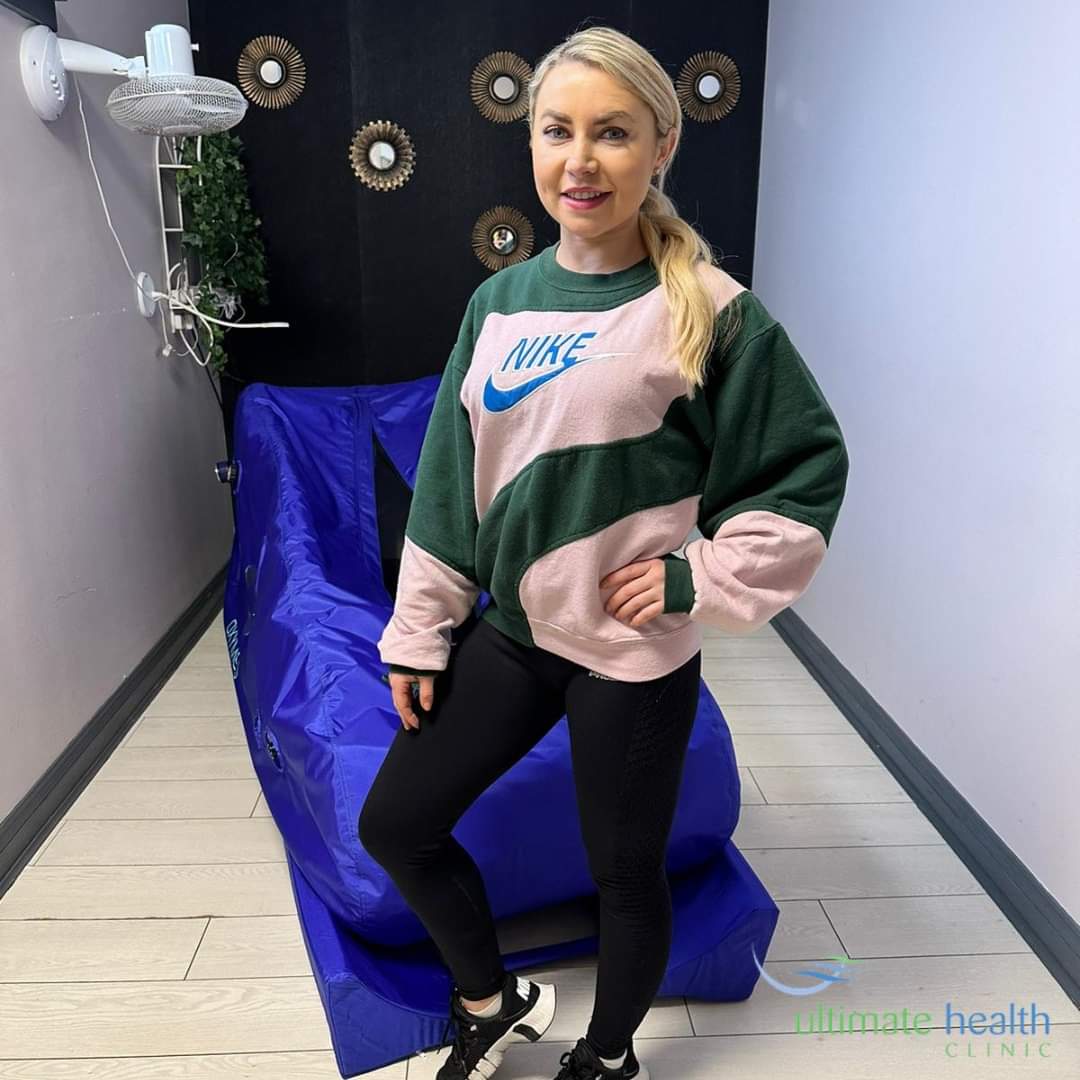 13/04/2023 0 CommentsBreathe your way to better health with Hyperbaric Oxygen Therapy.Read More
Here are some of the key benefits of this treatment:
-
 13/04/2023 0 CommentsHappy Easter from The Ultimate Health Clinic!Read More
With the season of renewal and rebirth, we are delighted to offer our Easter Special to assist you in starting your wellness journey.
-
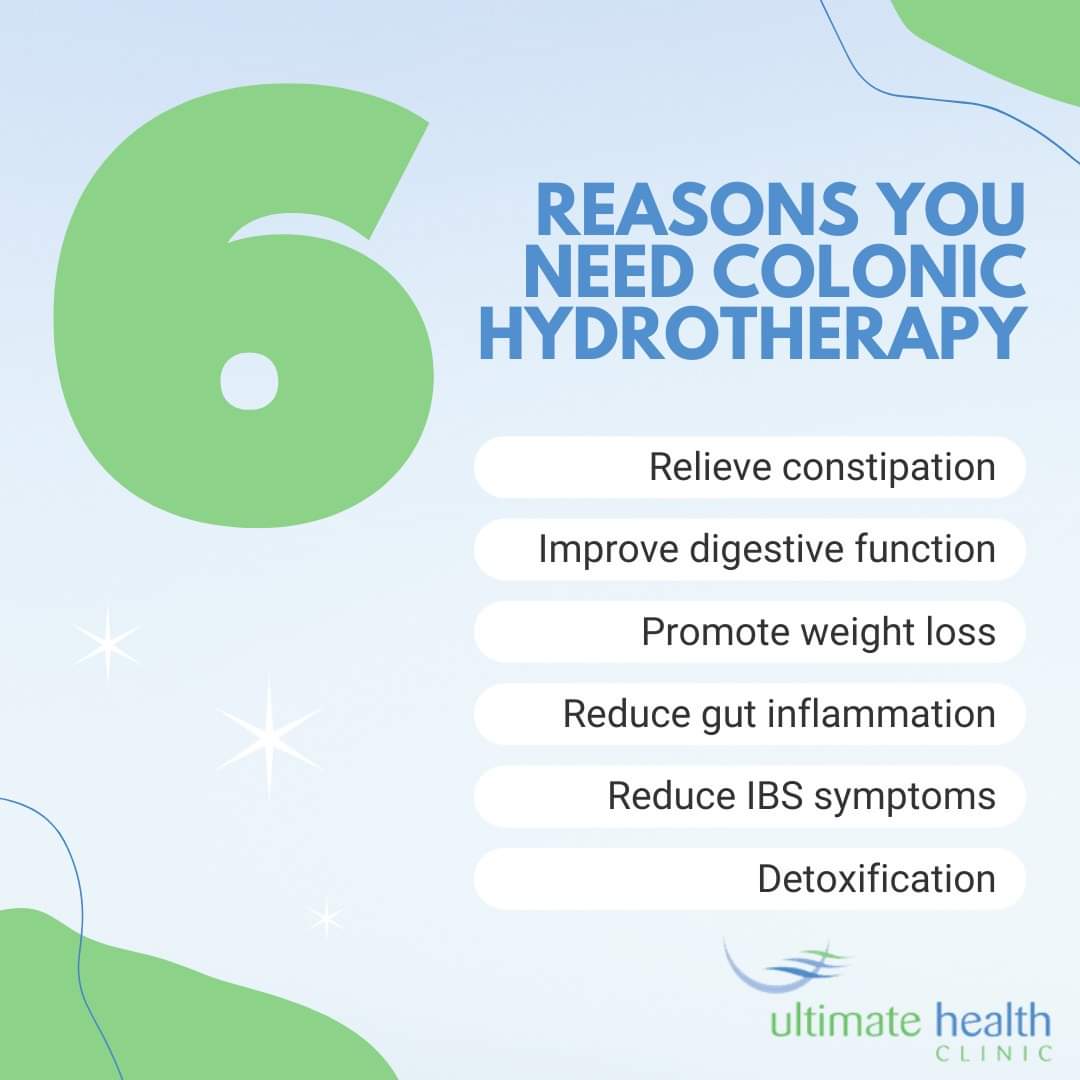 13/04/2023 0 Comments6 Reasons you need Colonic hydrotherapyRead More
Colonic hydrotherapy, also known as colon cleansing, is a procedure that involves flushing out the colon with water to remove waste and toxins.
-
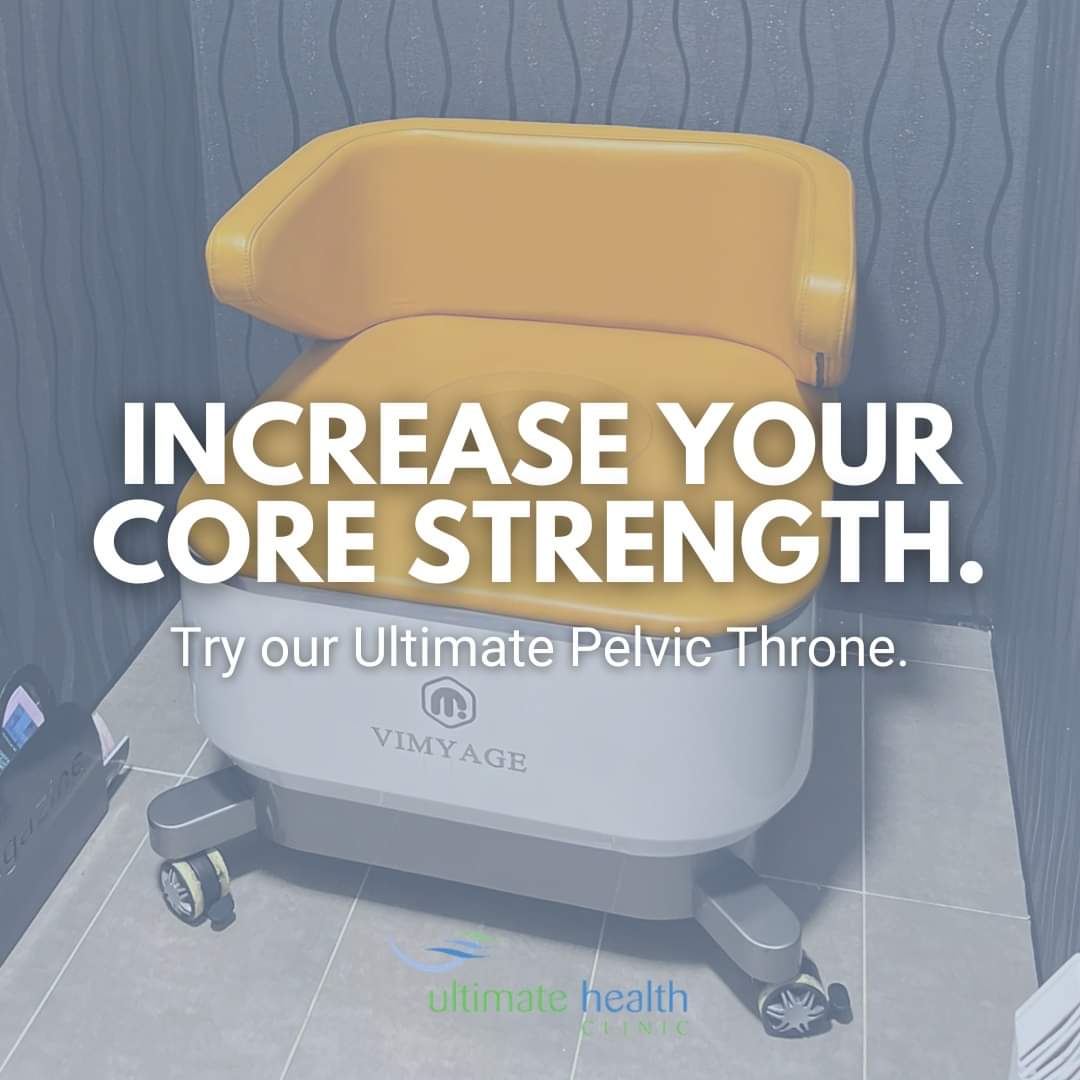 06/04/2023 0 CommentsLooking to increase your core strength?Read More
Our Ultimate Pelvic Throne may be just what you need.
-
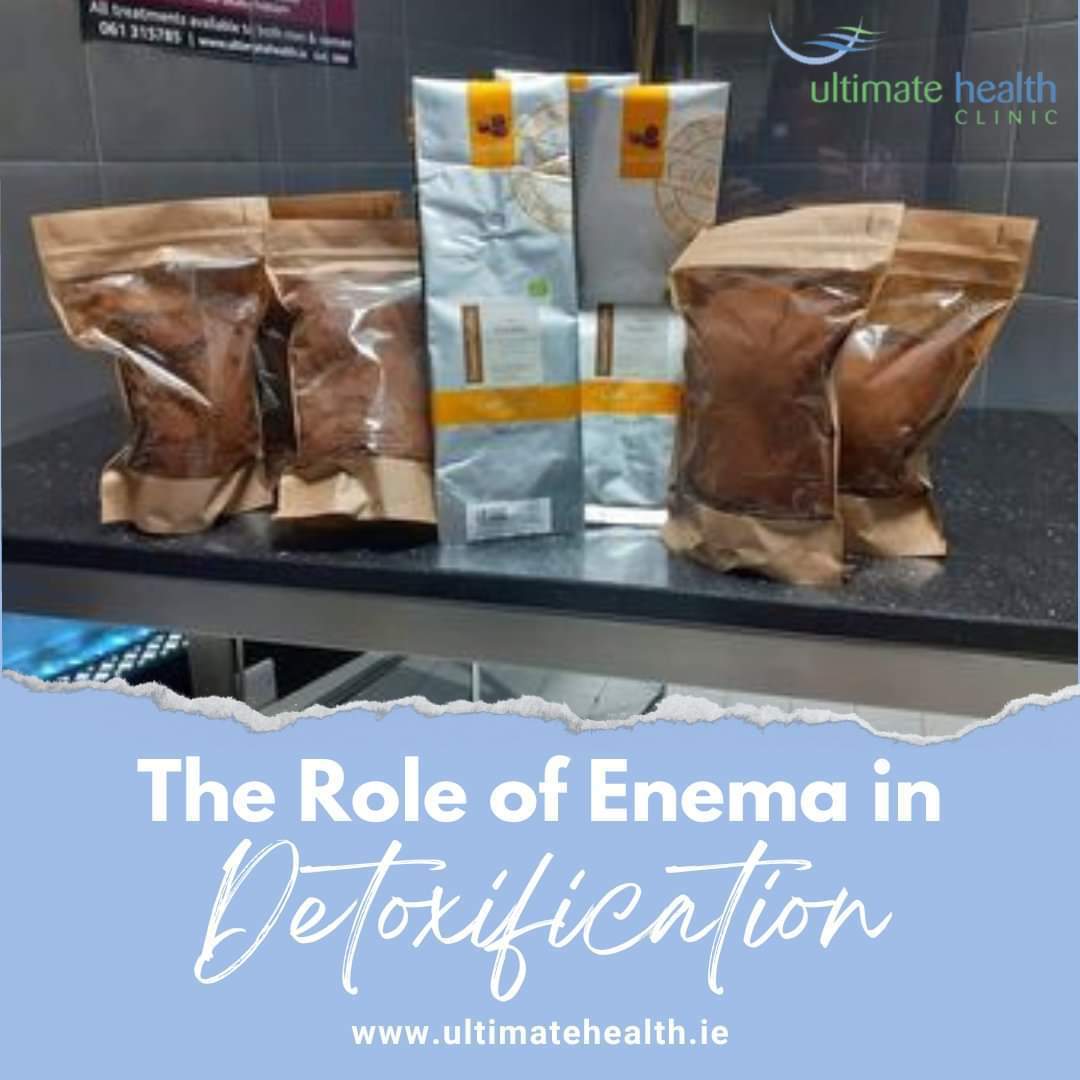 06/04/2023 0 CommentsThe role of Enema in detoxificationRead More
Enemas have been used for centuries as a way to cleanse the colon and promote detoxification.
-
 03/04/2023 0 CommentsFeeling stuck?Read More
Colonic hydrotherapy can help get your bowels moving.
-
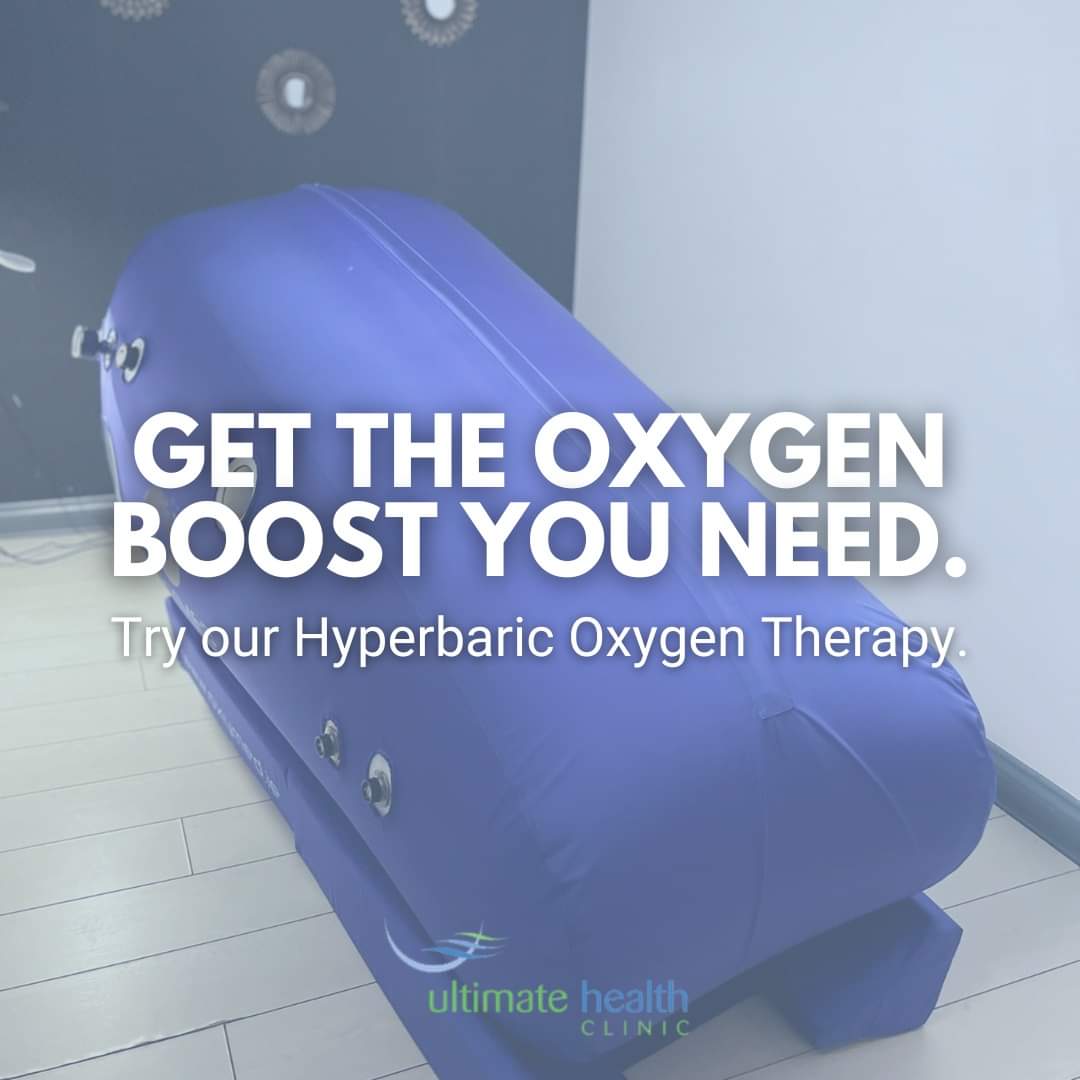 28/03/2023 0 CommentsLooking for an alternative therapy that can boost your oxygen?Read More
Hyperbaric Oxygen Therapy (HBOT) may be just what you need!
-
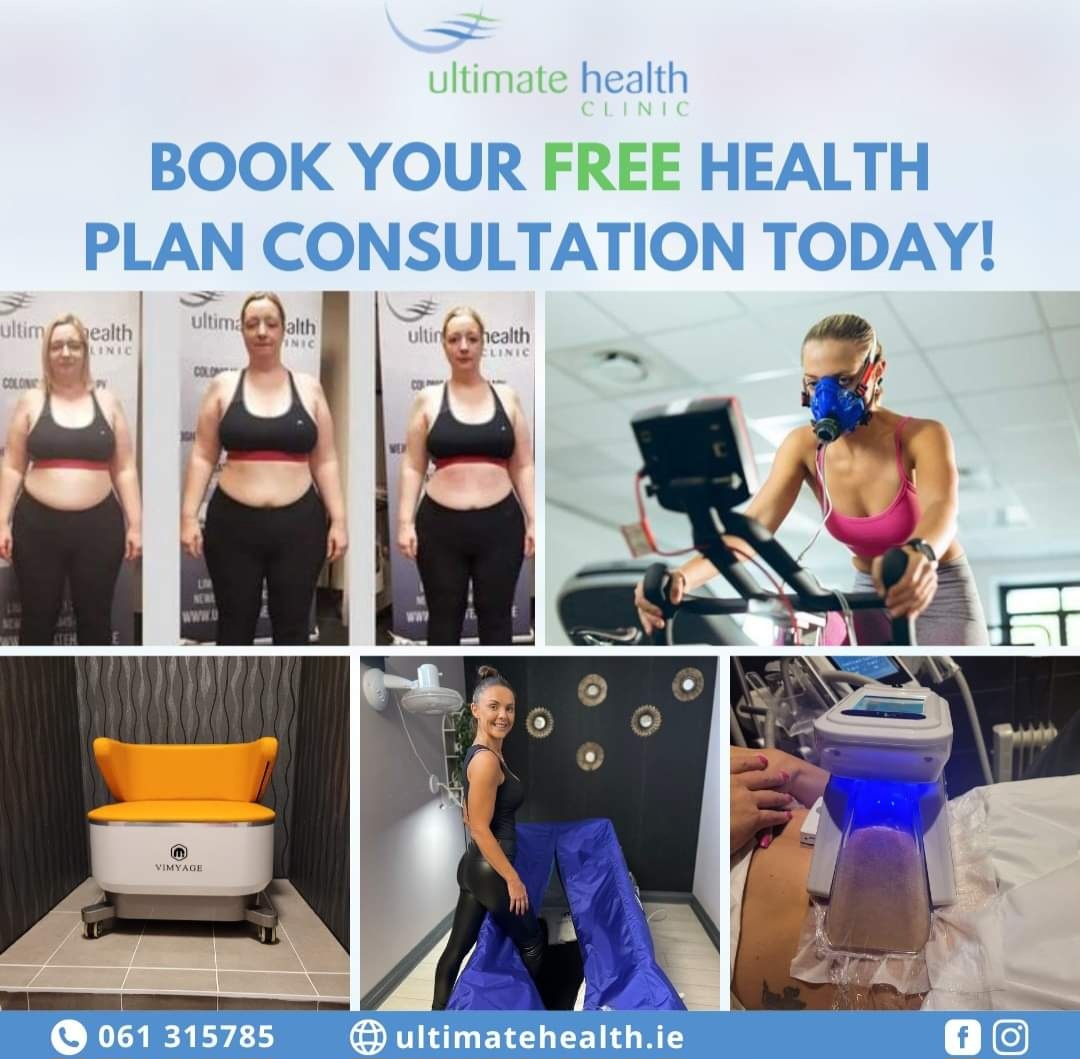 28/03/2023 0 CommentsLooking to improve your overall health?Read More
Then Ultimate Health Clinic is your way to go!
-
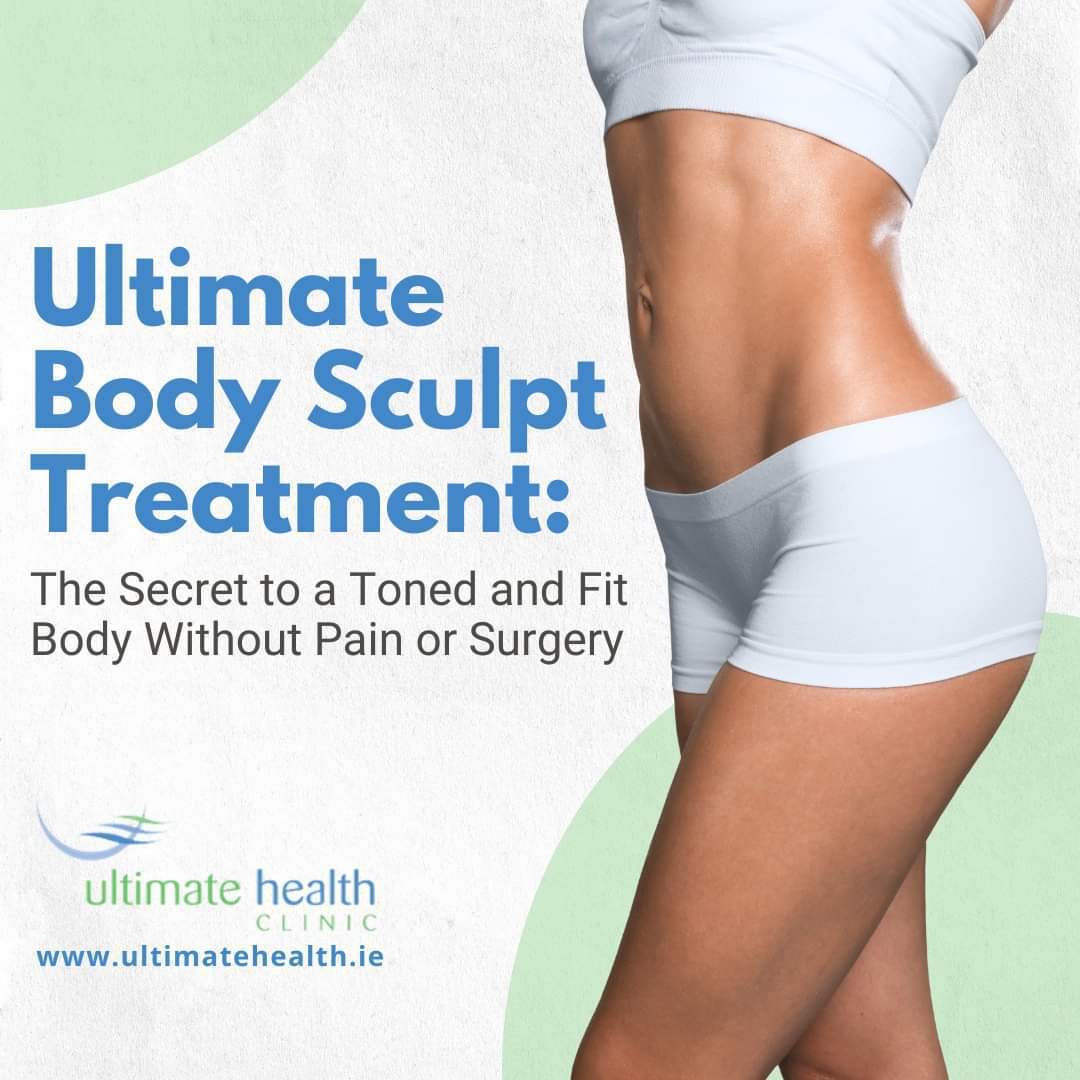 27/03/2023 0 CommentsSculpt your dream body without the need for surgery or pain.Read More
The Ultimate Body Sculpt is a non-invasive, pain-free way to achieve a toned and fit body.
-
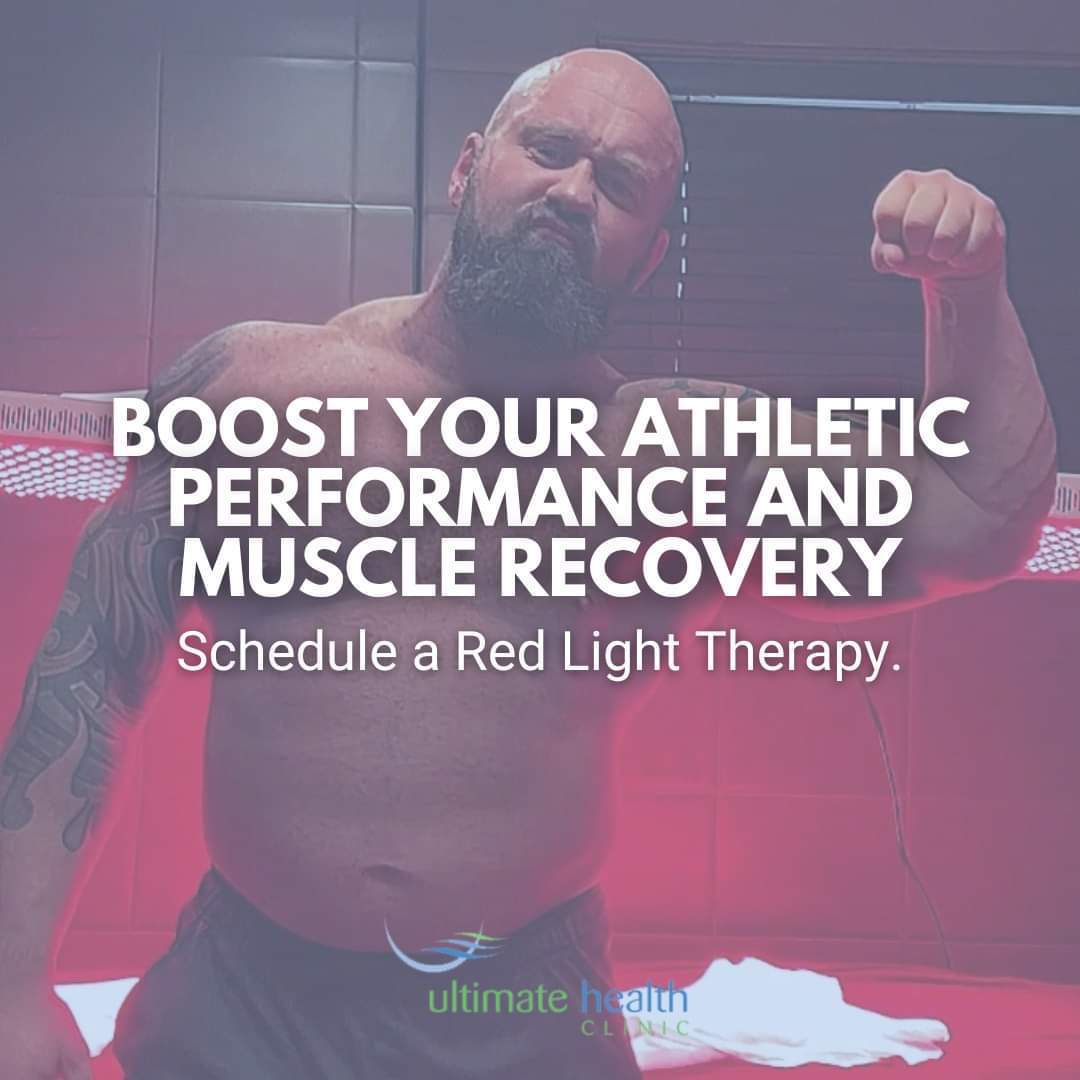 27/03/2023 0 CommentsBoost your athletic performanceRead More
If you're an athlete, you know the importance of peak performance and quick muscle recovery.
-
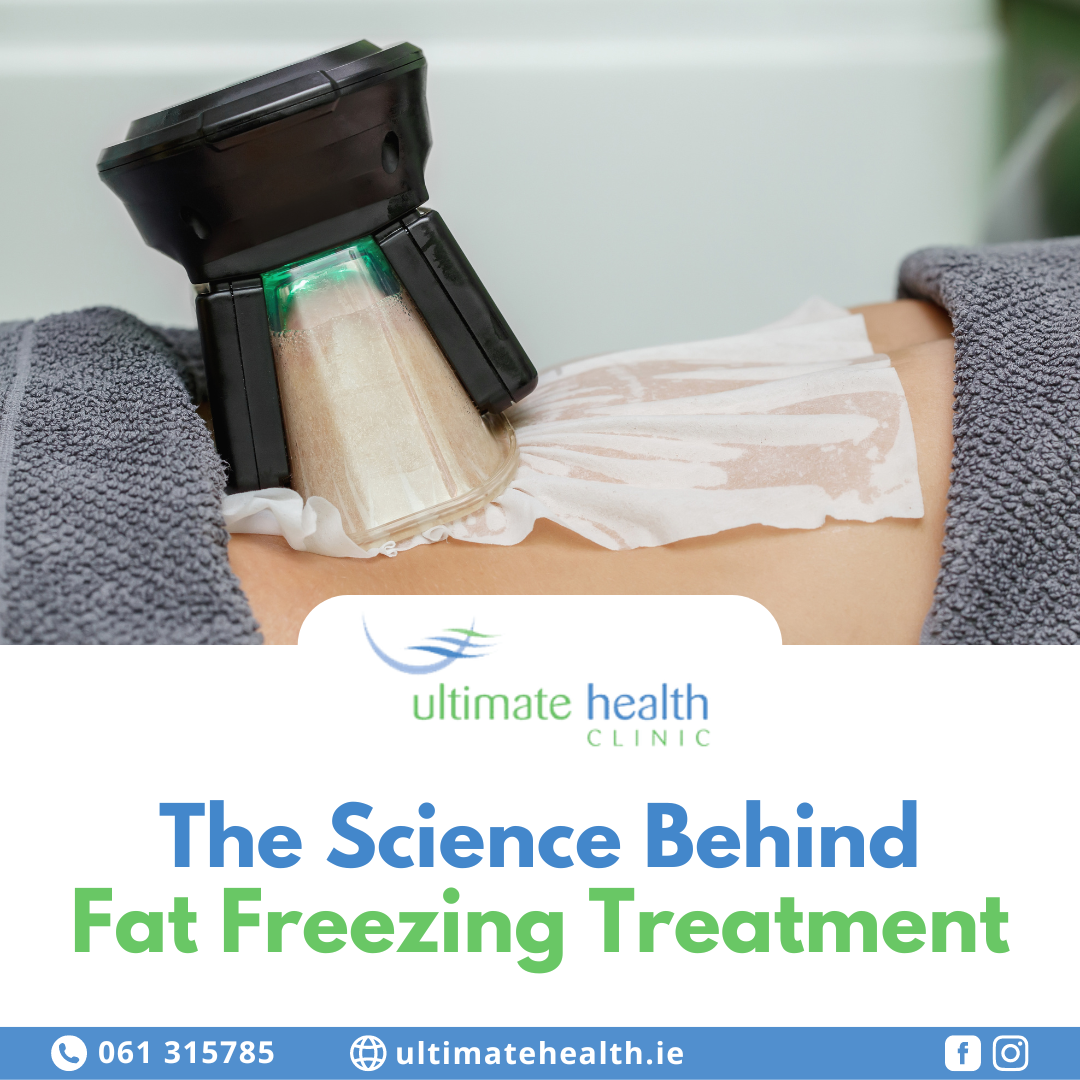 22/03/2023 0 CommentsThe Science Behind Fat Freezing TreatmentRead More
Are you tired of stubborn fat that won't go away no matter how much you exercise or diet?
-
 22/03/2023 0 CommentsComing soon here at Ultimate Health Clinic – The Ultimate Body Sculpt TreatmentRead More
Ultimate Body Sculpt is a non-invasive body contouring treatment
-
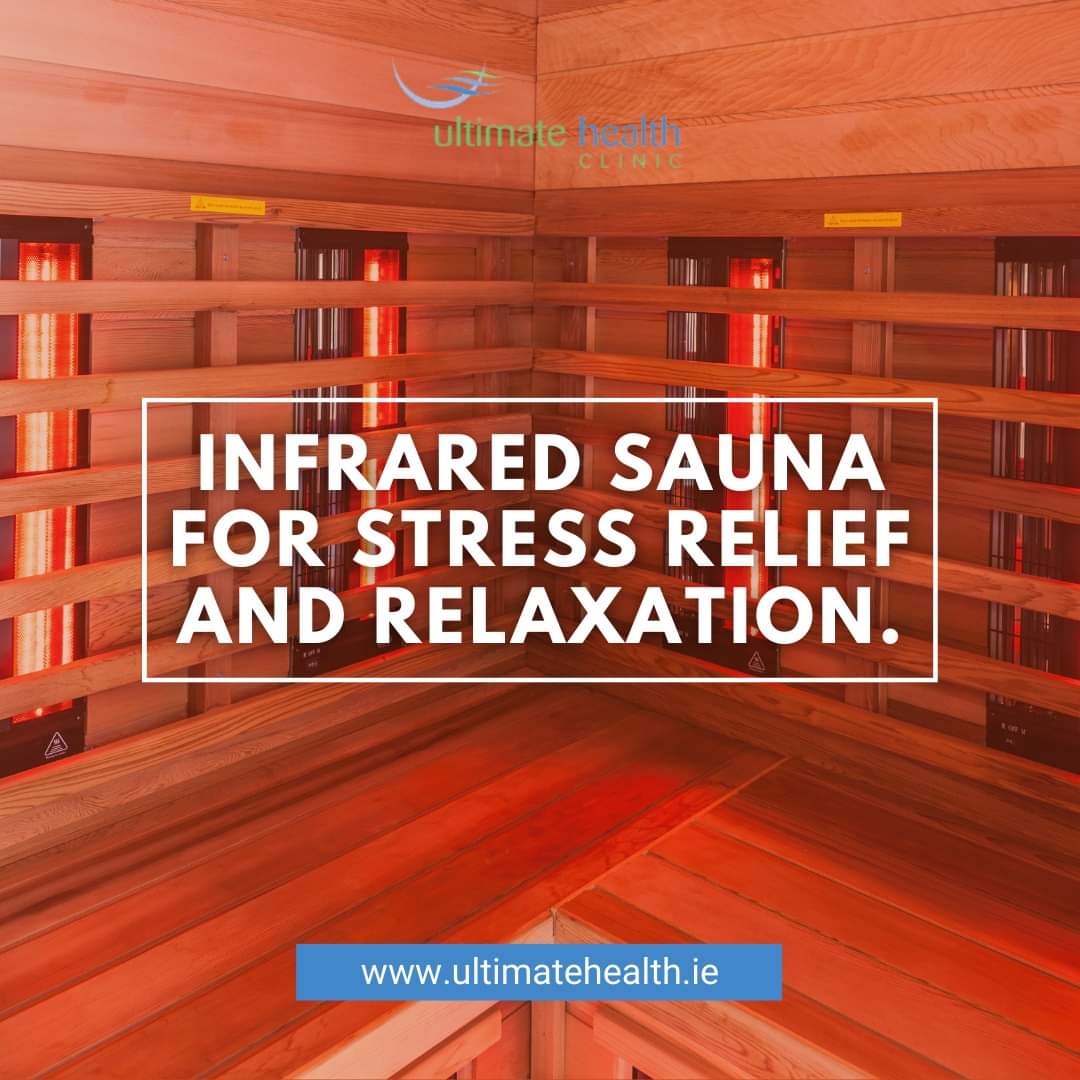 17/03/2023 0 CommentsInfrared Sauna For Stress Relief and RelaxationRead More
There are a lot of different ways to relax and relieve stress, but one method that is becoming increasingly popular is using an infrared sauna.
-
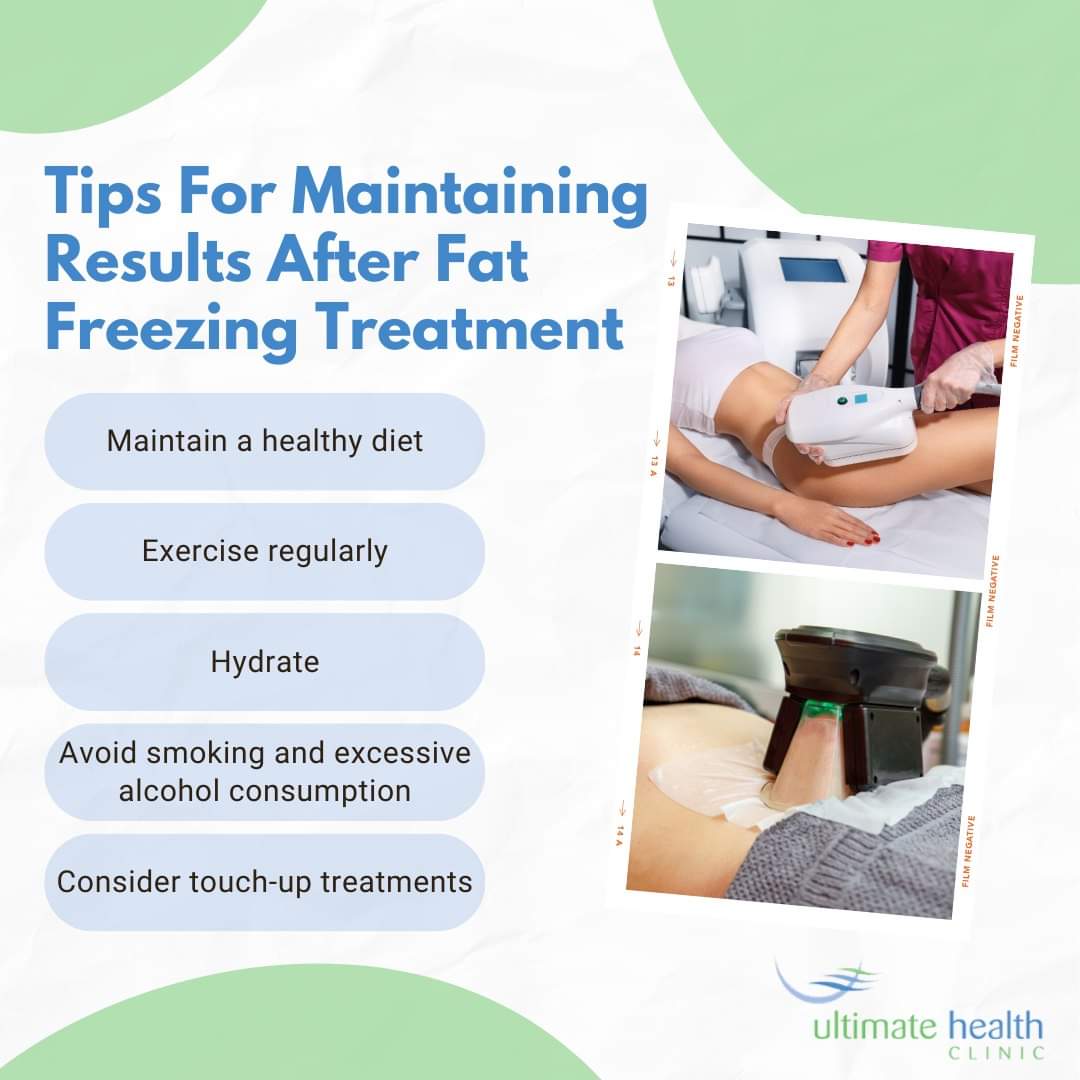 17/03/2023 0 CommentsTips For Maintaining Results After Fat Freezing TreatmentRead More
As someone who has recently undergone fat-freezing treatment, you're probably eager to maintain the results and prevent new fat accumulation in the treated areas.
-
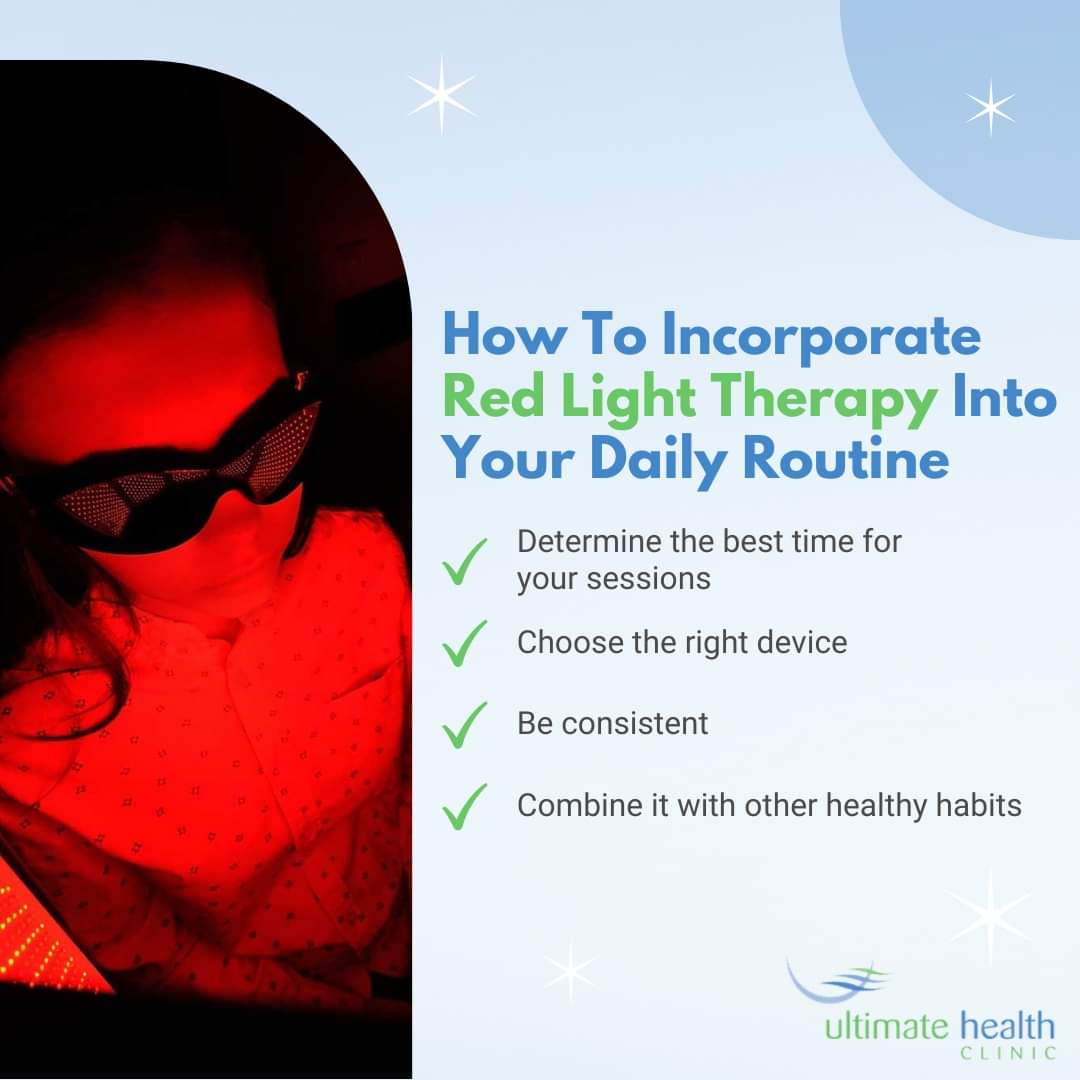 17/03/2023 0 CommentsHow To Incorporate Red Light Therapy Into Your Daily RoutineRead More
Red light therapy is a type of therapy that uses red or near-infrared light to stimulate cellular activity in the body.
-
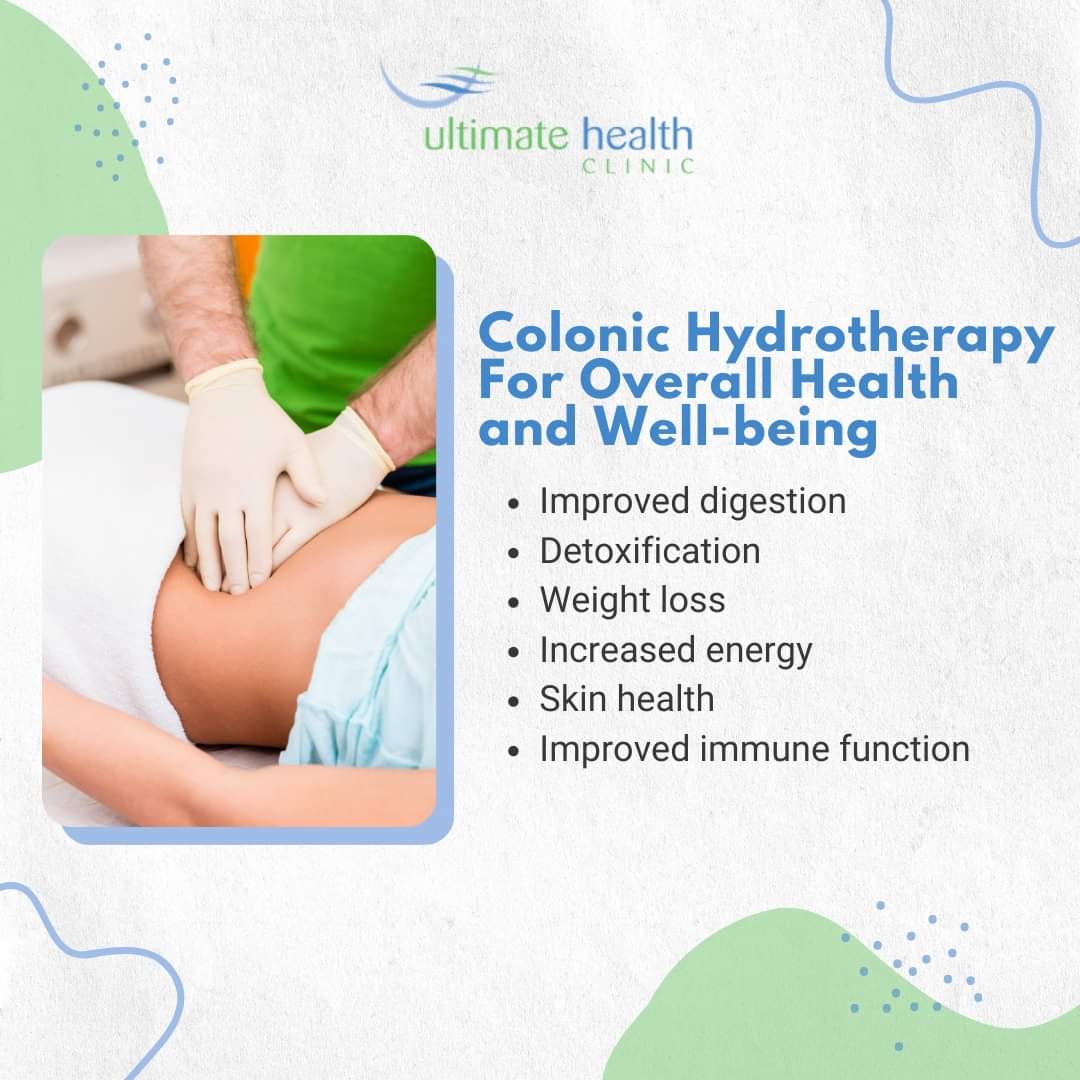 17/03/2023 0 CommentsLooking to improve your overall health and well-being?Read More
Then consider colonic hydrotherapy!
-
 08/03/2023 0 CommentsHow Colonic Hydrotherapy Can Help Reduce Stress Levels?Read More
There is no denying that stress can have a serious impact on our overall health and well-being.
-
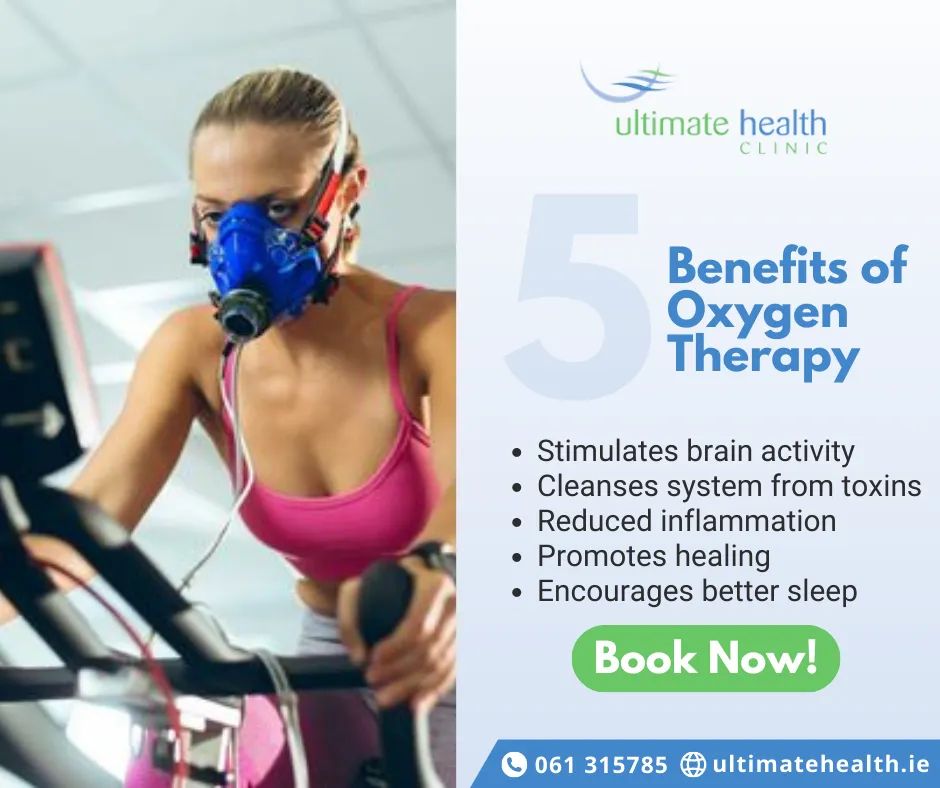
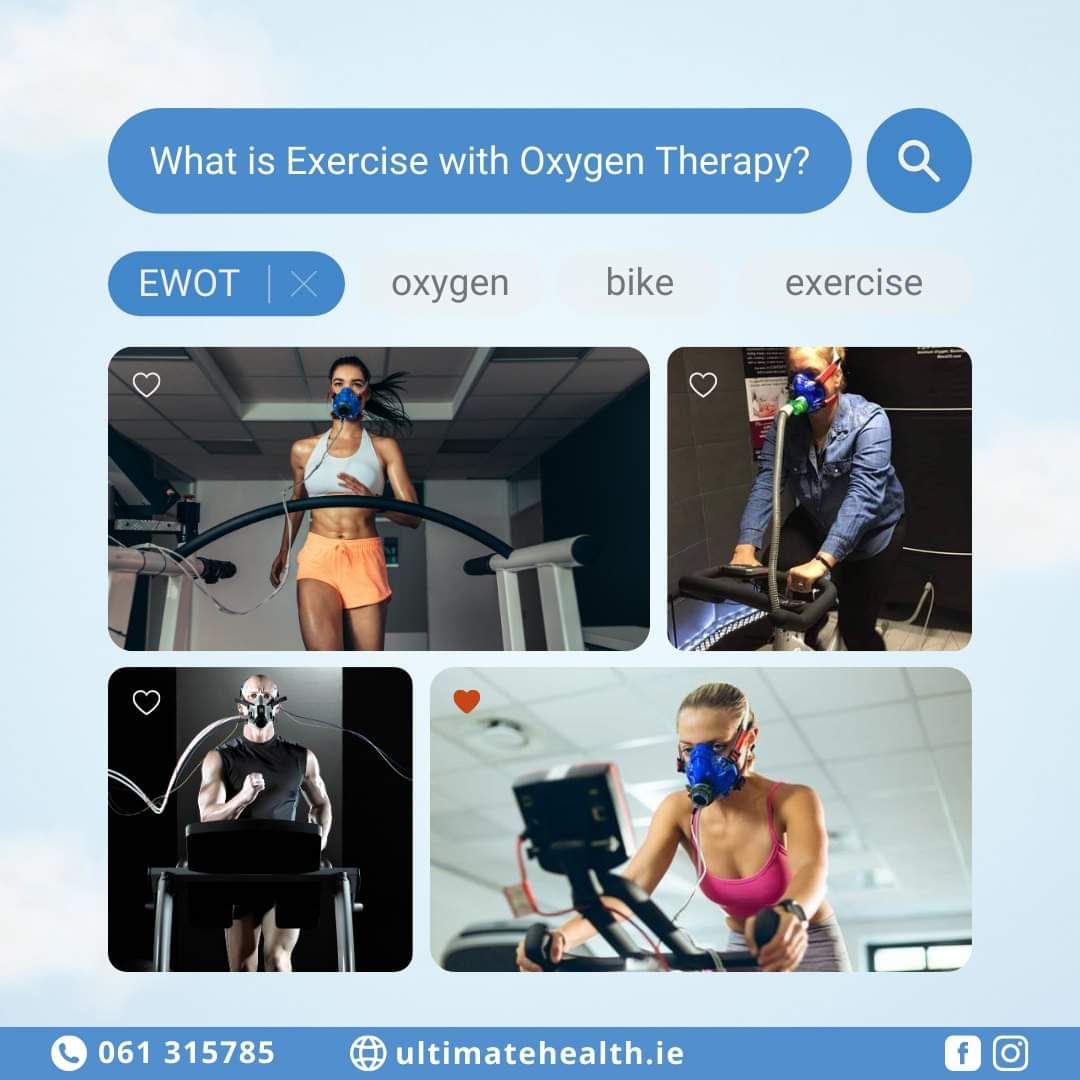 07/03/2023 0 CommentsExercise with Oxygen Therapy (EWOT)Read More
Exercise with Oxygen Therapy (EWOT) is a type of therapy that involves performing moderate physical exercise while breathing in concentrated amounts of oxygen.
-
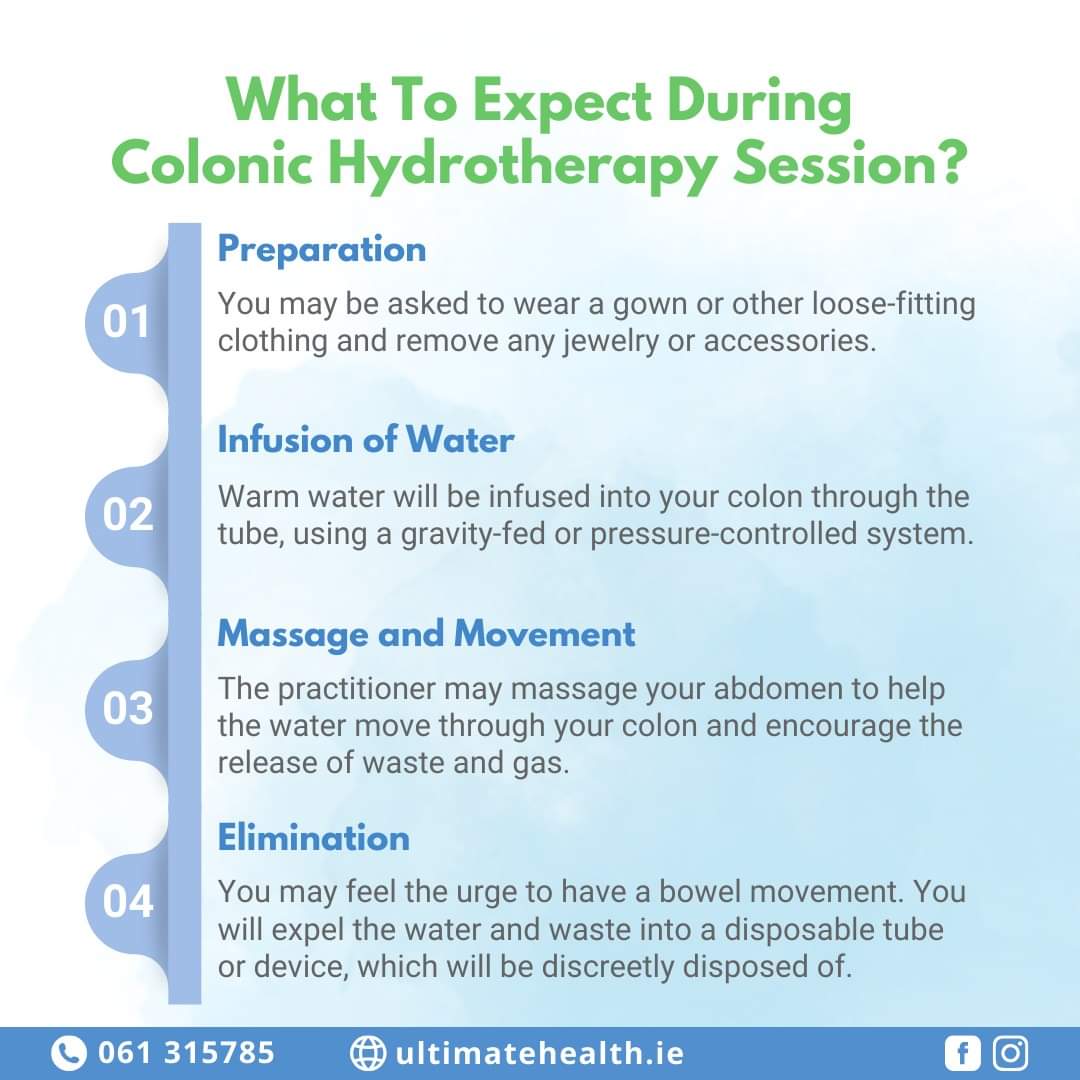 07/03/2023 0 CommentsConsidering colonic hydrotherapy?Read More
You may wonder what to expect during the session.
-
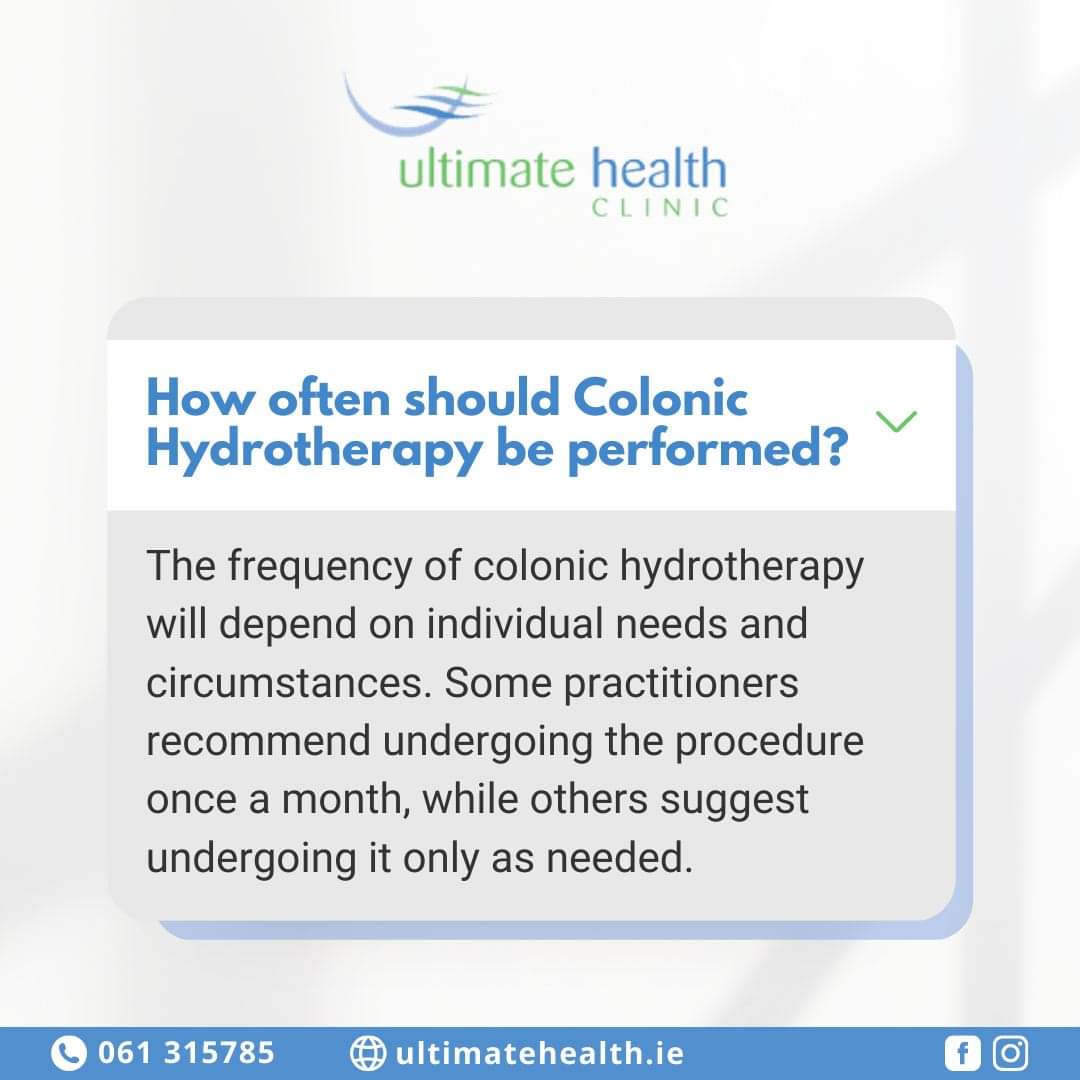 03/03/2023 0 CommentsHow often should Colonic Hydrotherapy be performed?Read More
There is no one-size-fits-all answer to the question of how often colonic hydrotherapy should be performed.
-
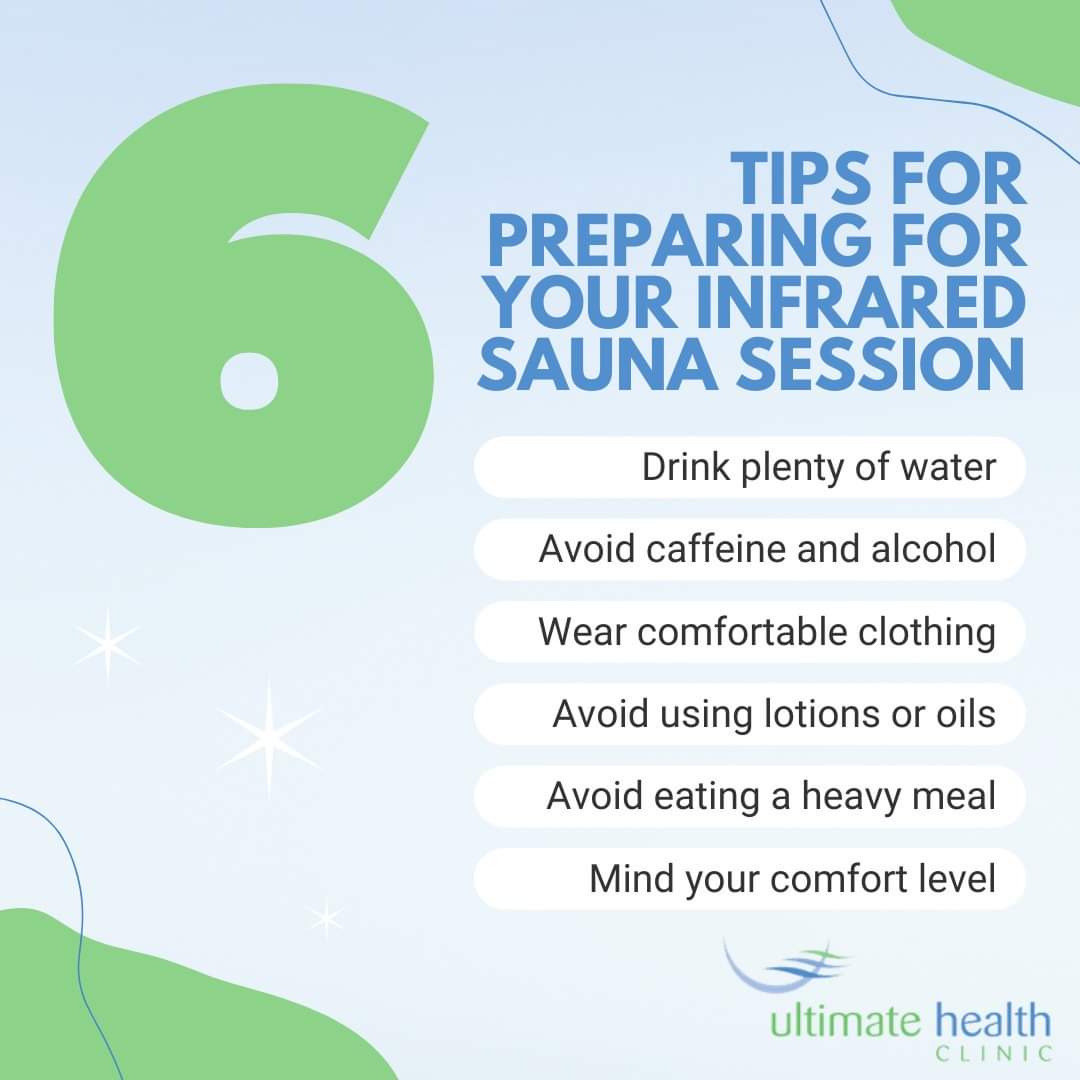 03/03/2023 0 CommentsTips for preparing for infrared sauna sessionRead More
If you plan to book an infrared sauna session, there are some tips you can follow to help you prepare and make the most of the experience:
-
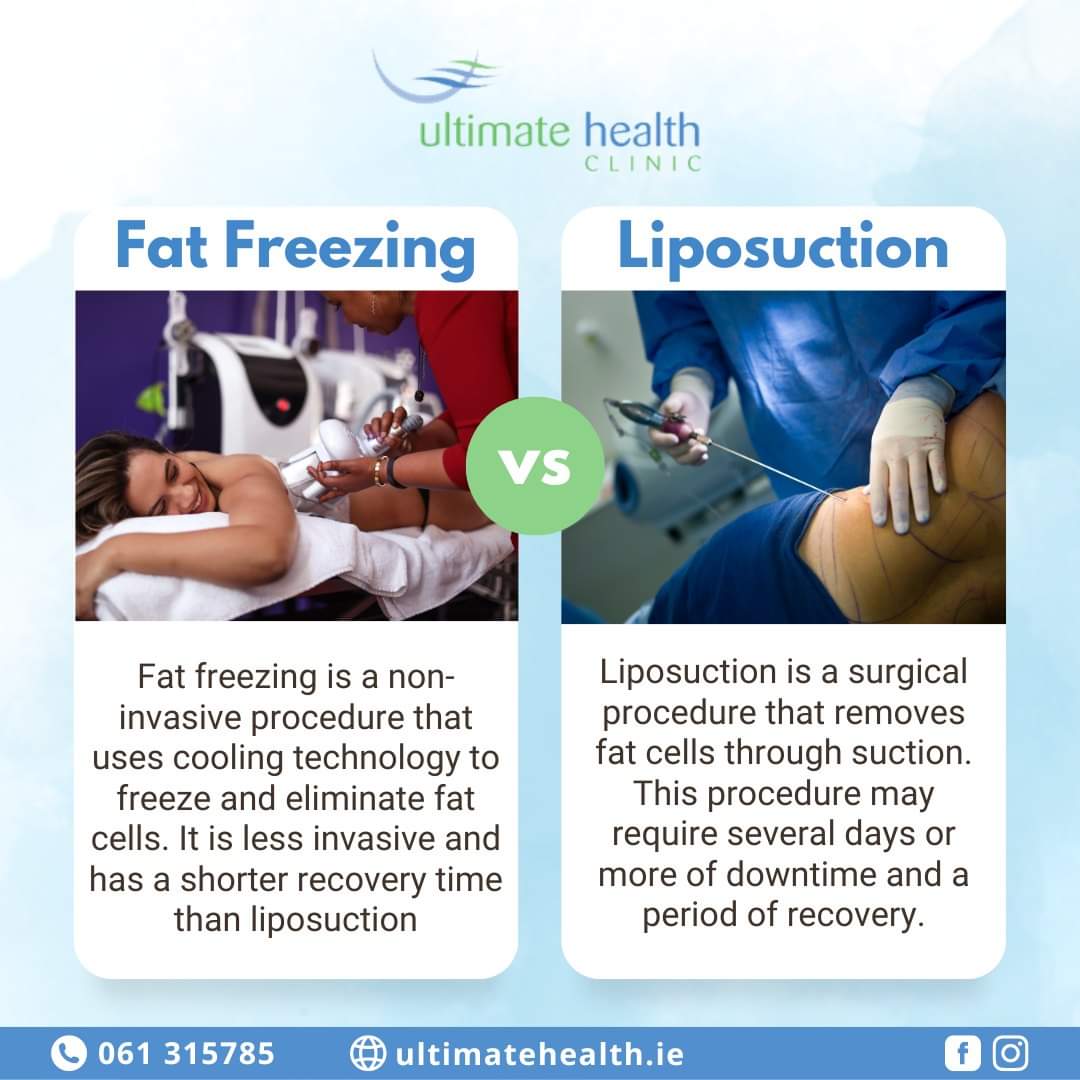 03/03/2023 0 CommentsFat freezing vs liposuctionRead More
Fat freezing and liposuction are both methods used to reduce unwanted fat, but they differ in their approach, invasiveness, and recovery time.
-
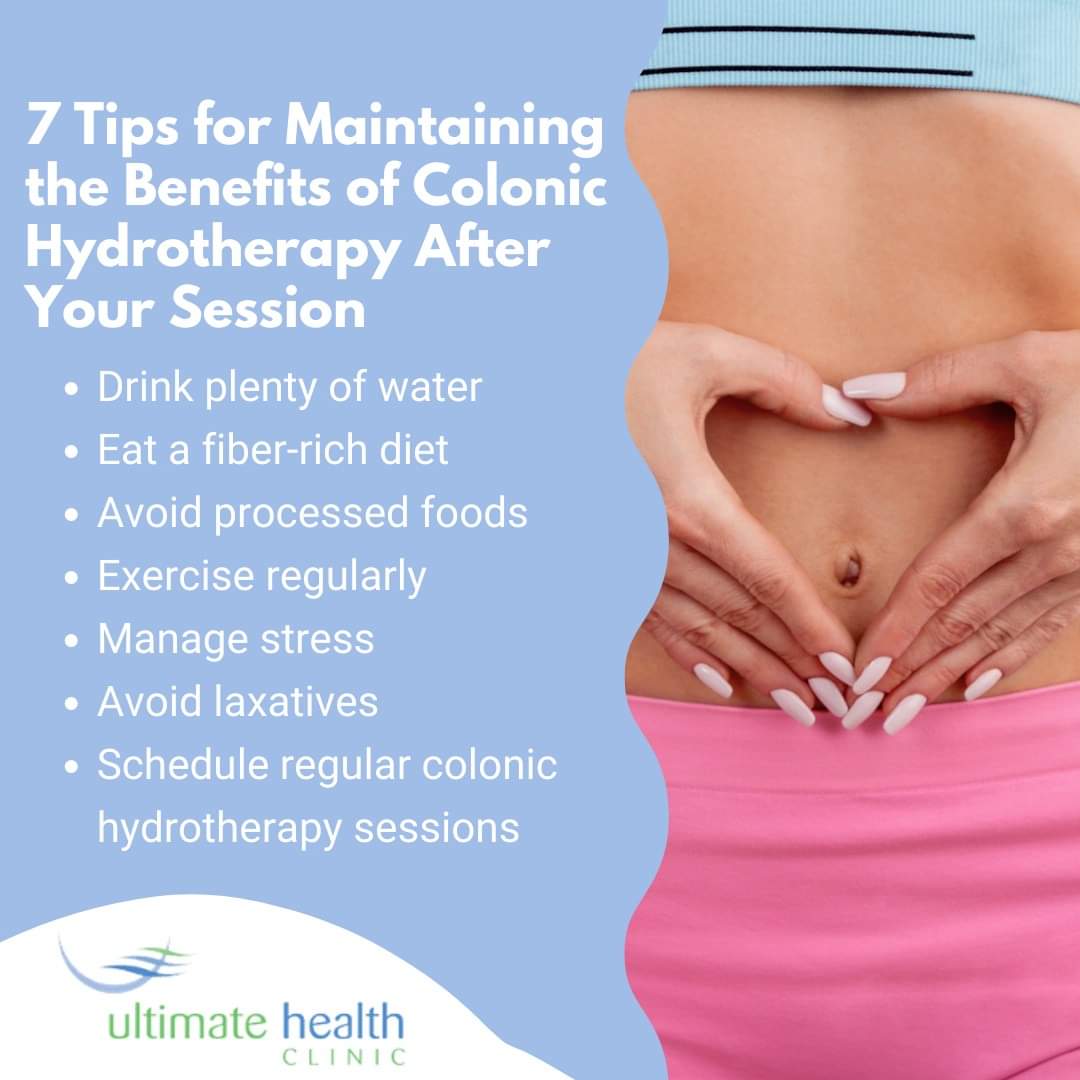 28/02/2023 0 Comments7 Tips for Maintaining the Benefits of Colonic HydrotherapyRead More
If you're looking to improve your overall health and well-being, colonic hydrotherapy may be a great option for you.
-
 28/02/2023 0 CommentsDiscover the Amazing Benefits of the Ultimate Pelvic ThroneRead More
If you're experiencing pelvic pain or discomfort, or if you're looking for a way to improve your pelvic floor muscle strength, then you should use the Ultimate Pelvic Throne.
-
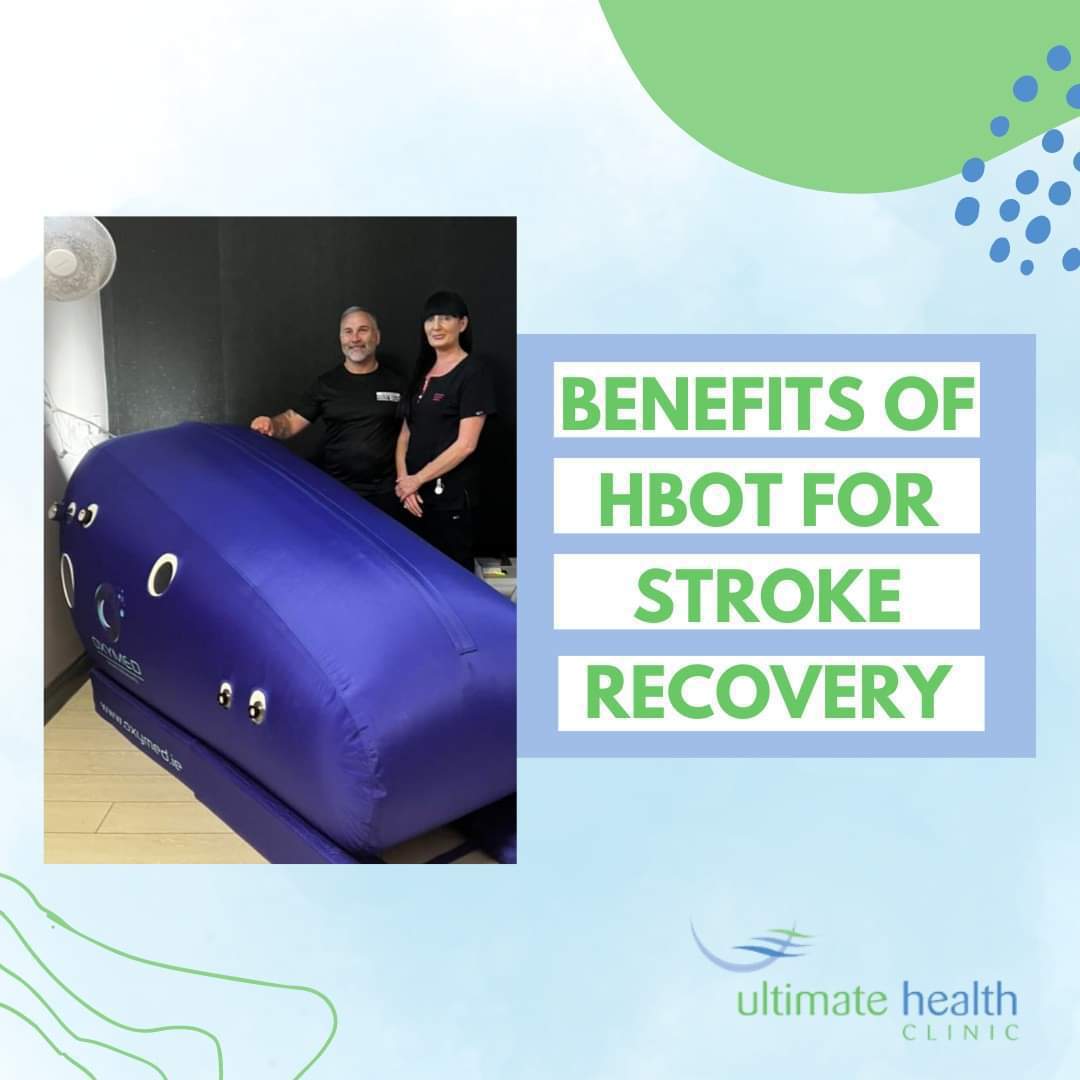 28/02/2023 0 CommentsBenefit of Hyperbaric oxygen therapy (HBOT)Read More
Hyperbaric oxygen therapy (HBOT) is a medical treatment that involves breathing pure oxygen in a pressurized chamber.
-
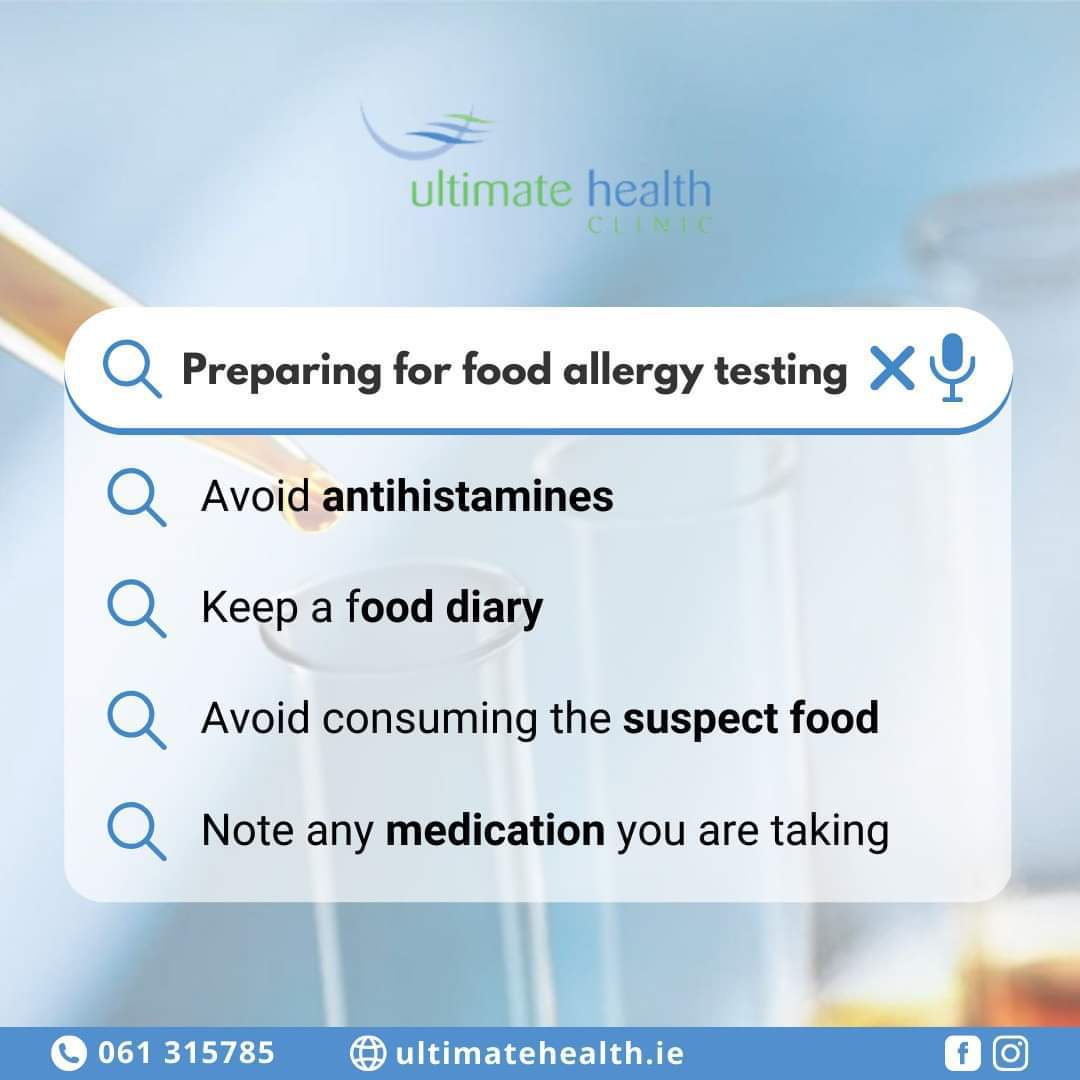 28/02/2023 0 CommentsPrepare for food allergy testingRead More
If you suspect that you have a food allergy, it's important to get tested to determine the specific foods that you are allergic to.
-
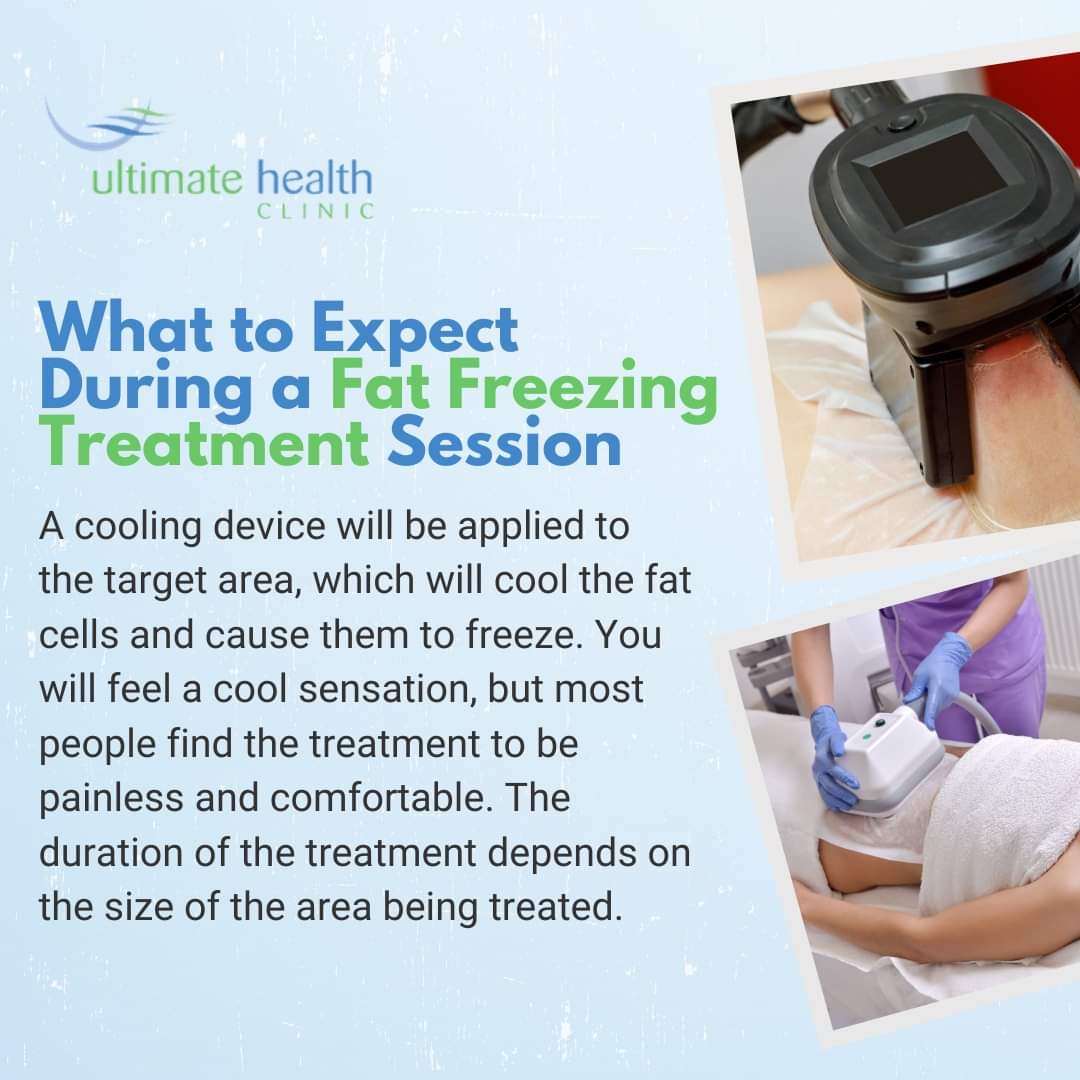 21/02/2023 0 CommentsA fat-freezing treatmentRead More
A fat-freezing treatment, also known as cryolipolysis, is a non-invasive procedure that freezes and destroys fat cells in targeted areas of the body.
-
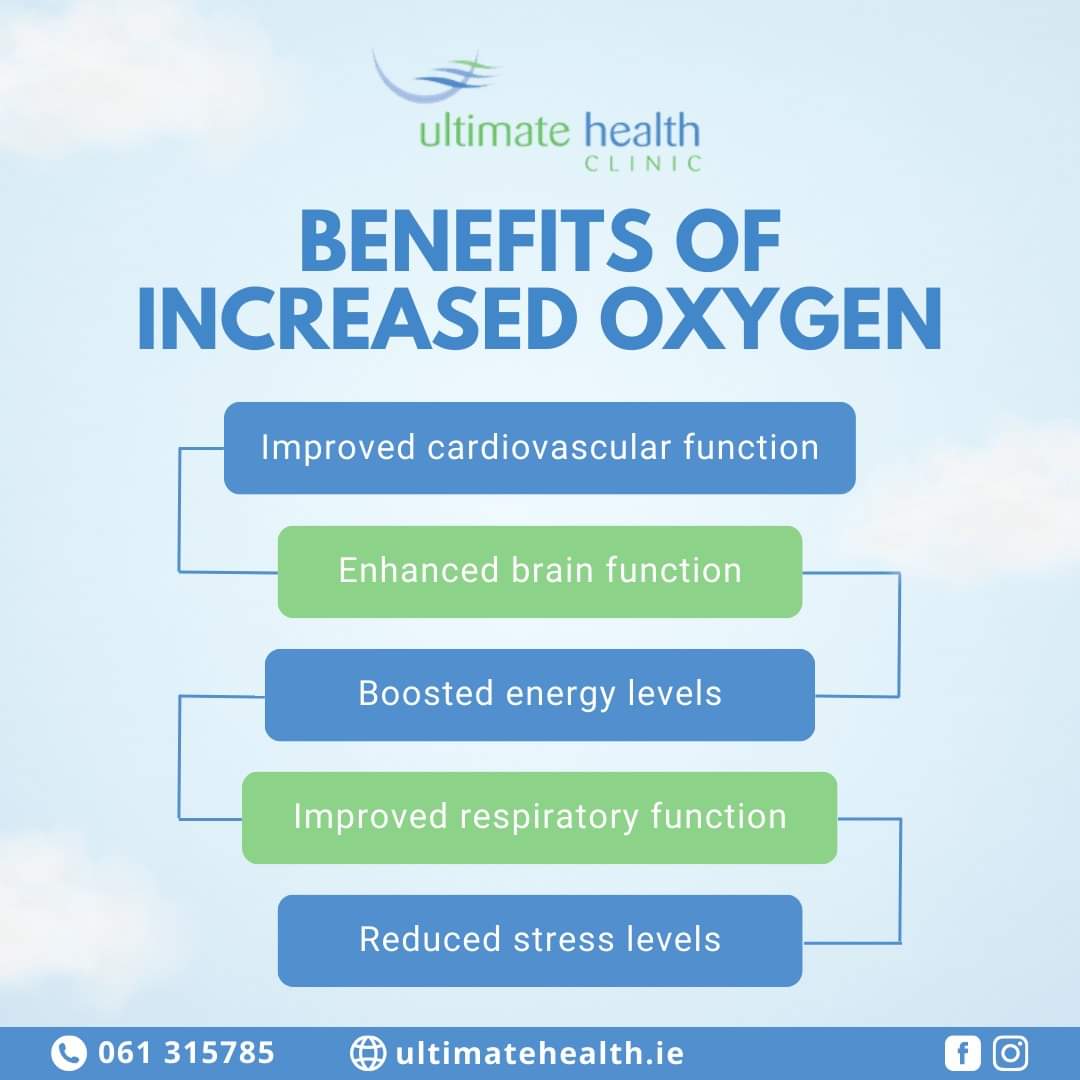 21/02/2023 0 CommentsOxygen is essential for all cell functionsRead More
Oxygen is essential for all cell functions, and increased levels can improve overall cellular health.
-
 21/02/2023 0 CommentsHow to incorporate Colonic hydrotherapyRead More
Colonic hydrotherapy, also known as colon cleansing, is a procedure that involves flushing the colon with water to remove waste and toxins from the body.
-
-
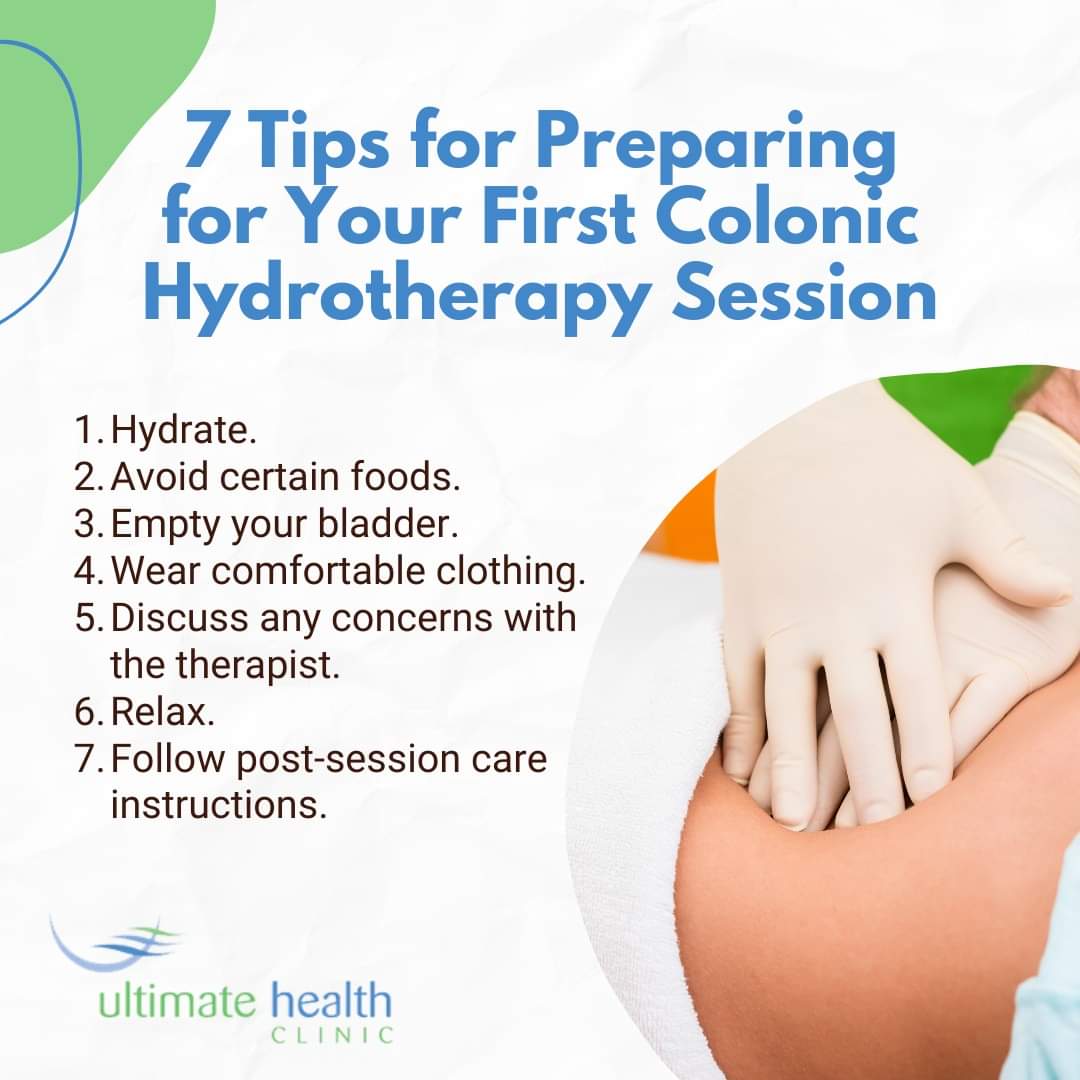 17/02/2023 0 Comments7 Tips for preparing for your first colonic hydrotherapyRead More
Colonic hydrotherapy, also known as colonic irrigation or colon cleansing,
-
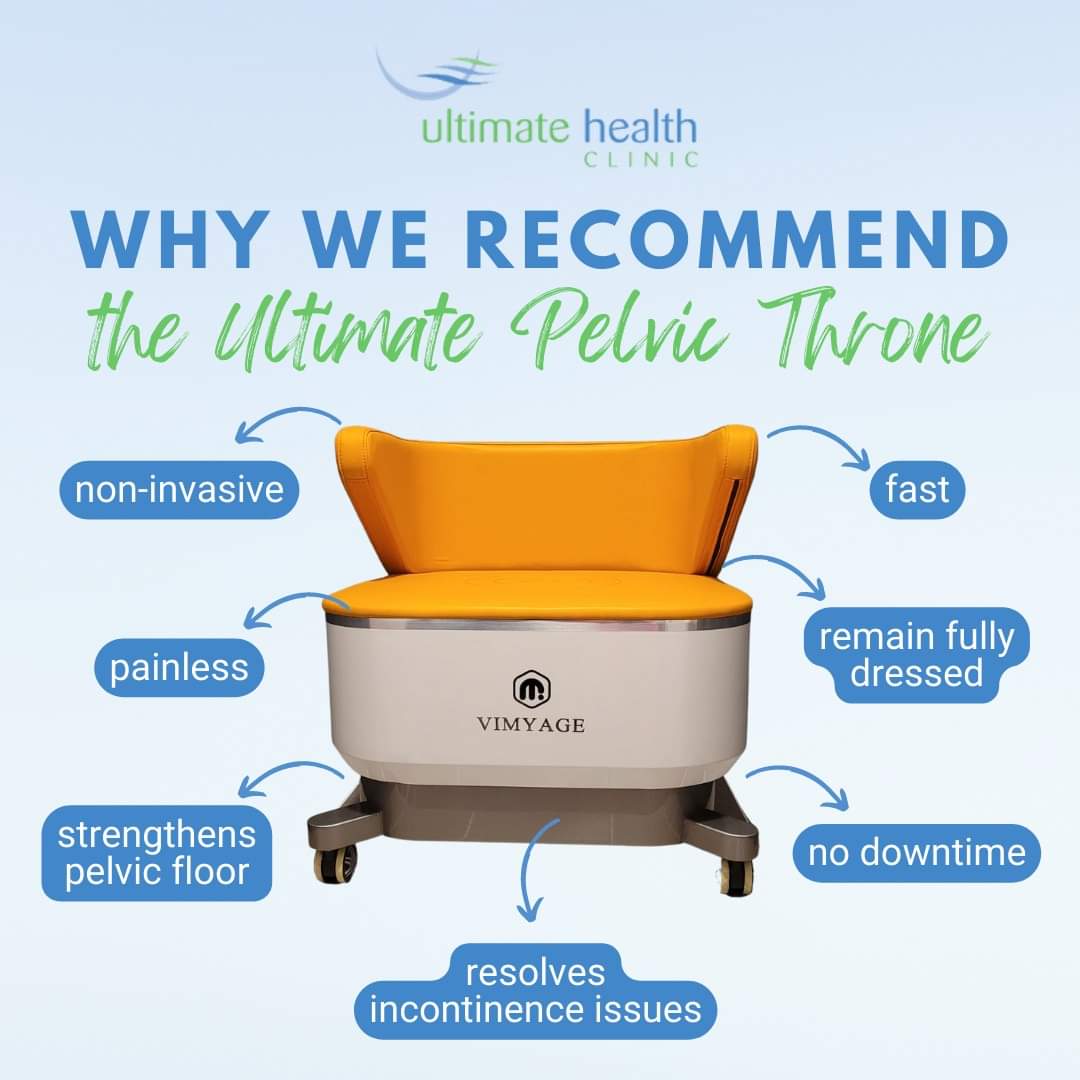 14/02/2023 0 CommentsLooking for an effective way to deal with incontinence?Read More
Then the Ultimate Pelvic Throne may be right for you!
-
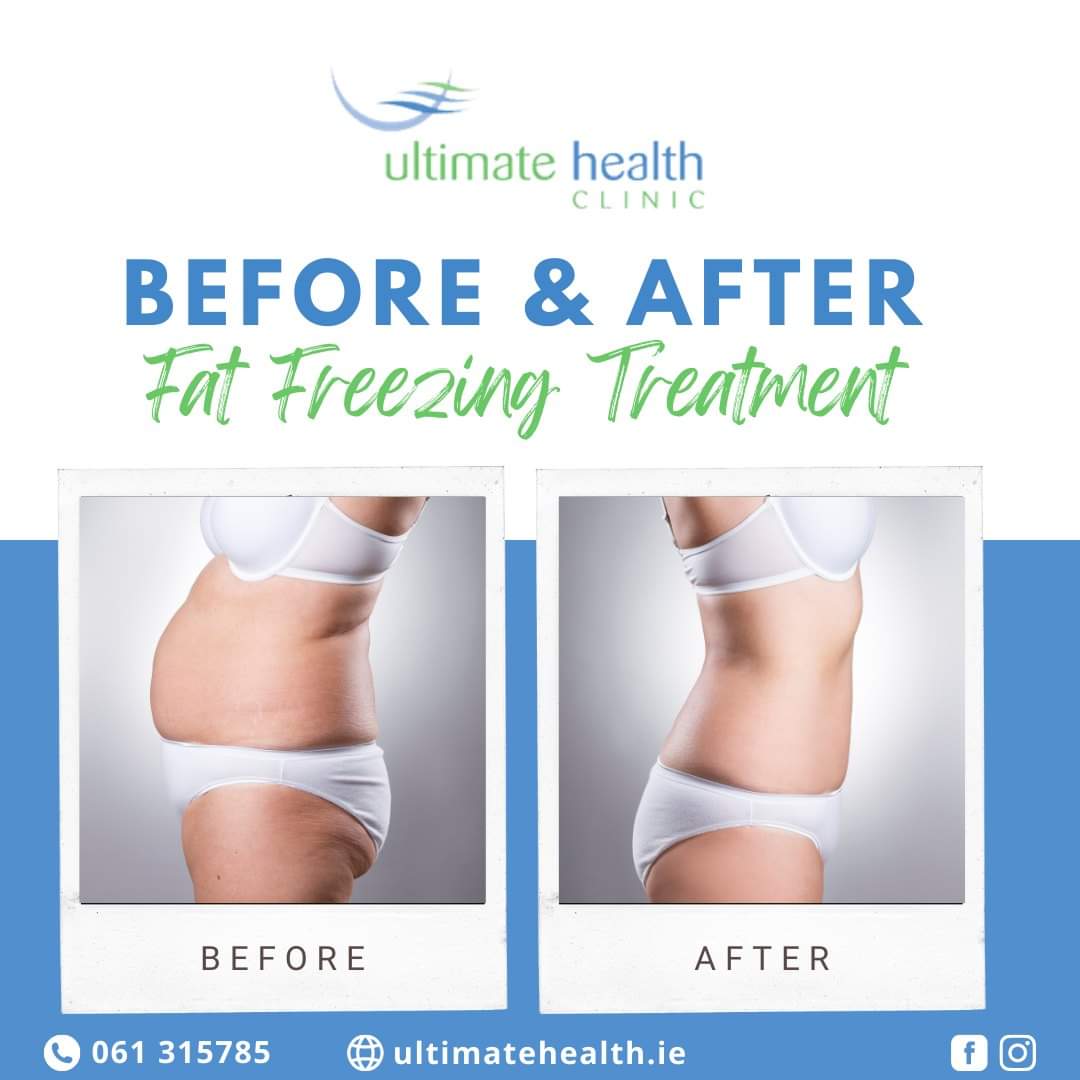 13/02/2023 0 CommentsWant to eliminate stubborn fats that just won't respond to diet and exercise?Read More
Then, our fat-freezing treatment could be the solution you're looking for!
-
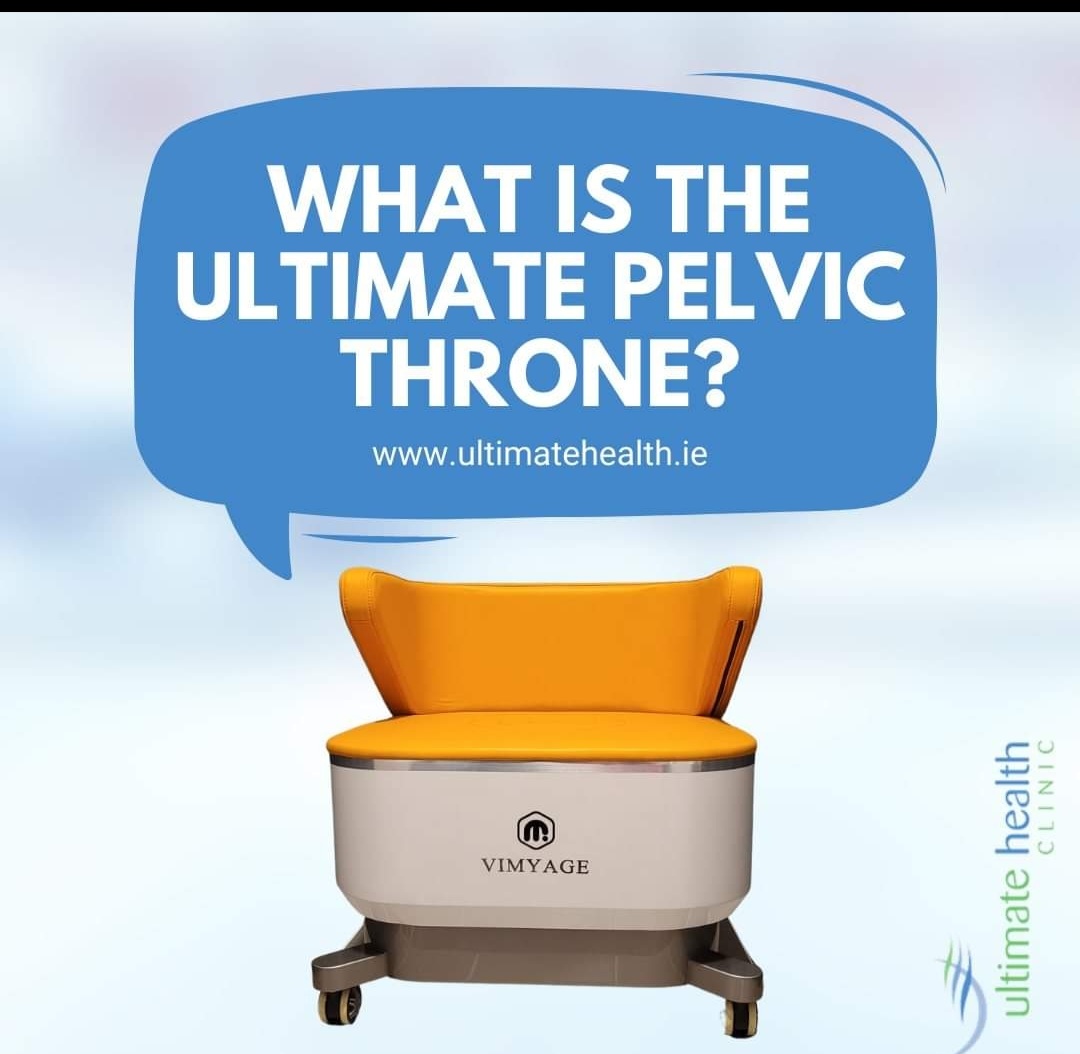 07/02/2023 0 CommentsWhat is The Ultimate Pelvic Throne?Read More
The Ultimate Pelvic Throne is a high-intensity focused electromagnetic technology,
-
 06/02/2023 0 CommentsHow does Colonic Hydrotherapy compare to an enema?Read More
There are a few key ways in which colonic hydrotherapy compares to an enema.
-
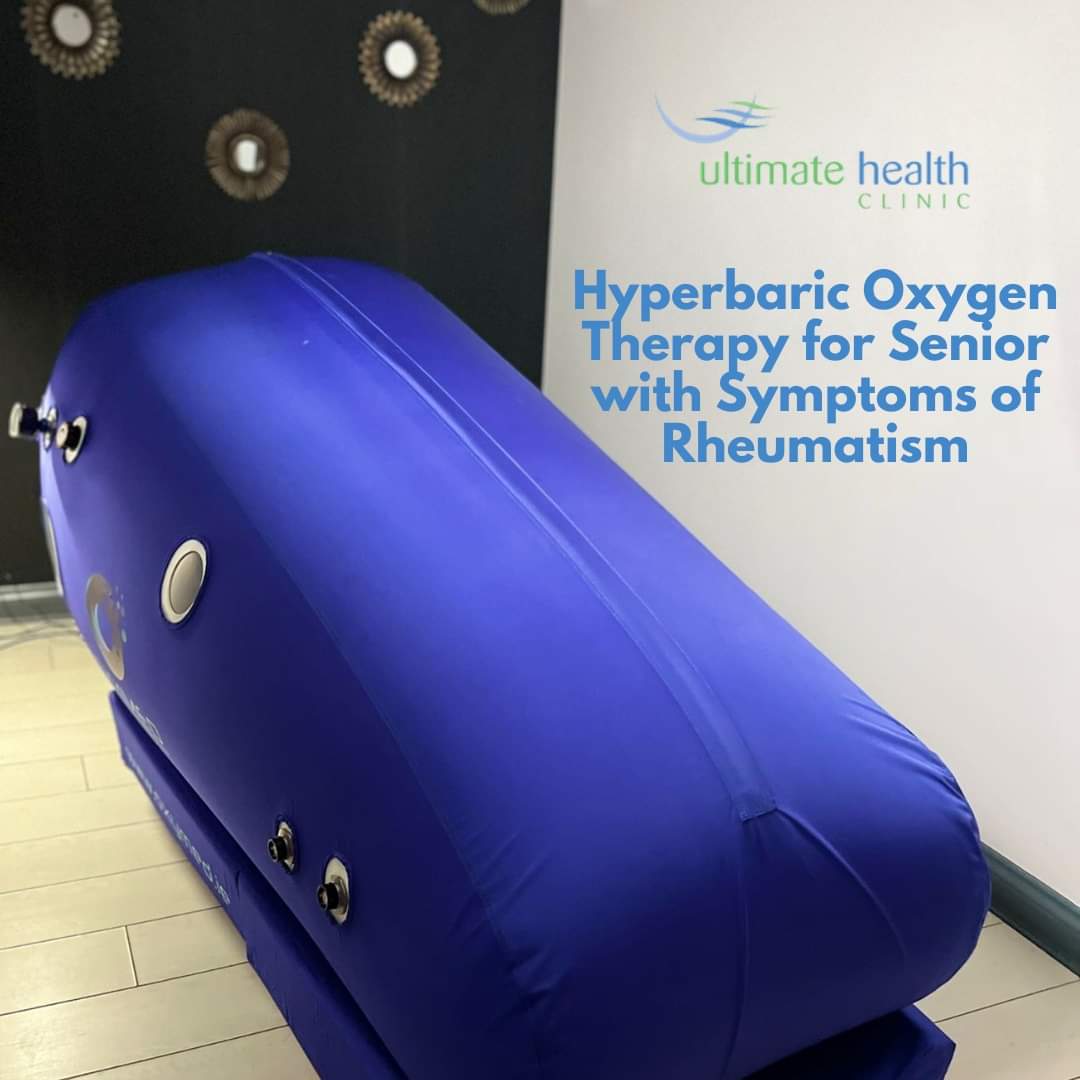 27/01/2023 0 CommentsHyperbaric therapy has been shown to be effective in reducing the symptoms of rheumatismRead More
Hyperbaric therapy has been shown to be effective in reducing the symptoms of rheumatism, especially for seniors.
-
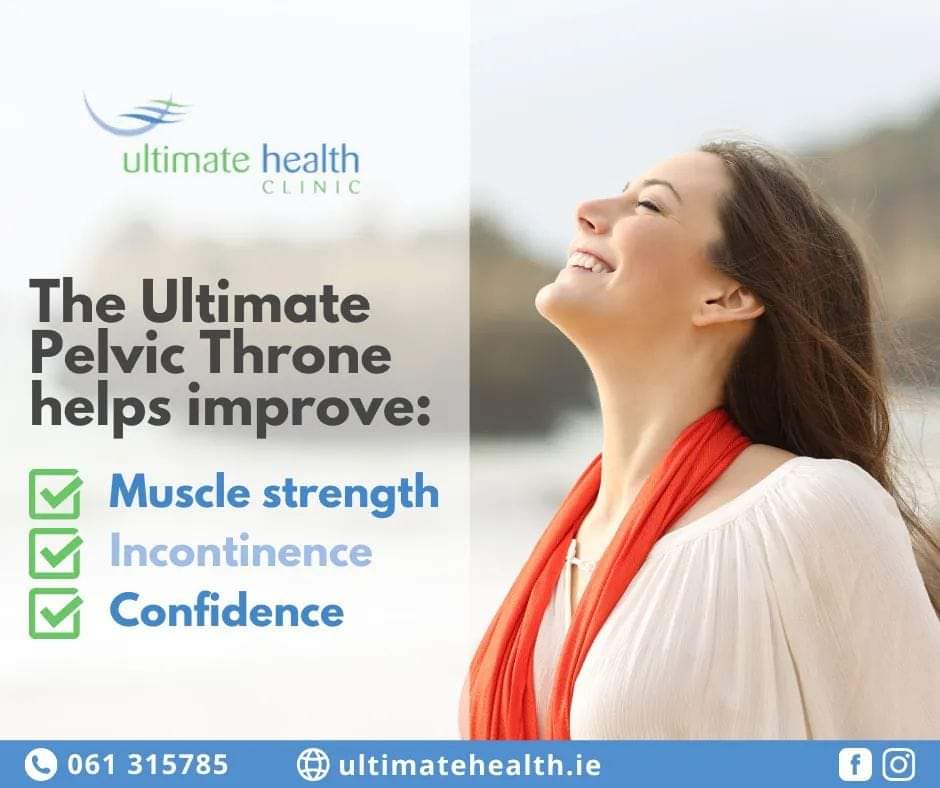 26/01/2023 0 CommentsOur Ultimate Pelvic Throne/Chair helps improve:Read More
Dealing with urinary incontinence can decrease one's happiness and self-confidence.
-
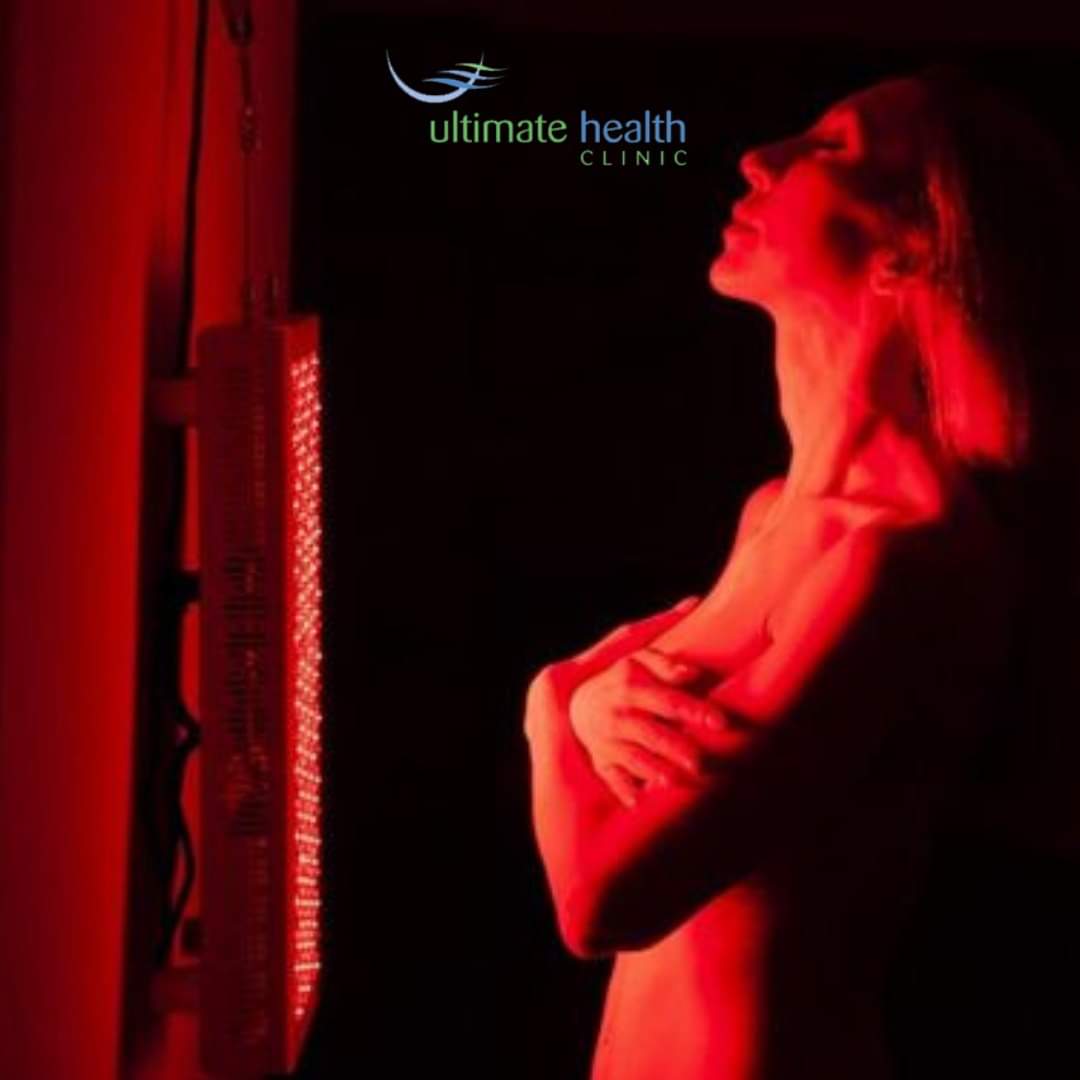 25/01/2023 0 CommentsRed light therapy is a great way to rejuvenate our skinRead More
Our skin is our largest organ, and it's constantly exposed to the elements, so it's no wonder that it can start to show signs of wear and tear as we age.
-
 25/01/2023 0 CommentsWhat is urinary incontinence?Read More
Urinary incontinence is a type of urinary dysfunction that results in the involuntary leakage of urine.
-
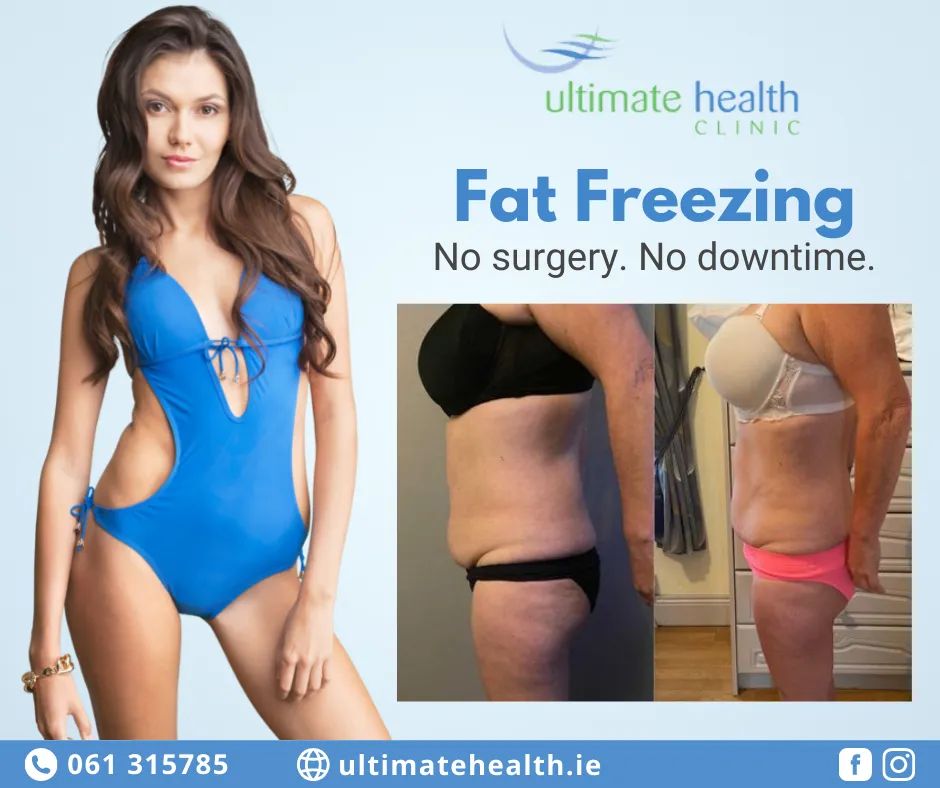 25/01/2023 0 CommentsFat Freezing! No surgery. No downtimeRead More
Fat Freezing is an innovative, painless treatment that helps reduce body fats permanently.
-
 12/01/2023 0 CommentsWays to deal with your incontinence and our Ultimate Pelvic ThroneRead More
There are ways to deal with your incontinence and our Ultimate Pelvic Throne is one way to treat it.
-
 04/01/2023 0 CommentsSuffering from excess gas and bloating?Read More
Our colonic hydrotherapy may be the treatment you're looking for!
-
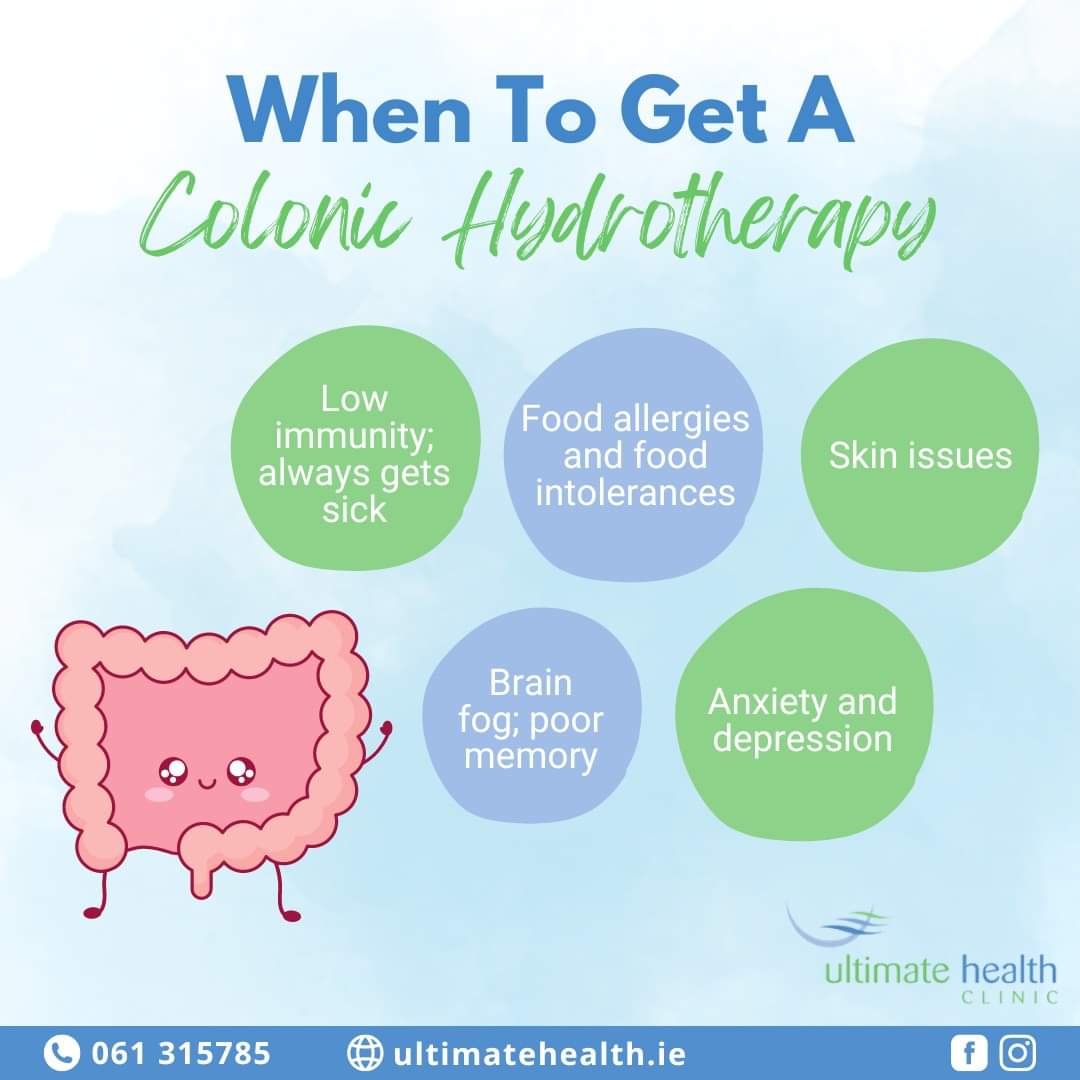 16/12/2022 0 CommentsWhen to get a Colonic HydrotherapyRead More
There is no one-size-fits-all answer to the question of when to get a colonic hydrotherapy.
-
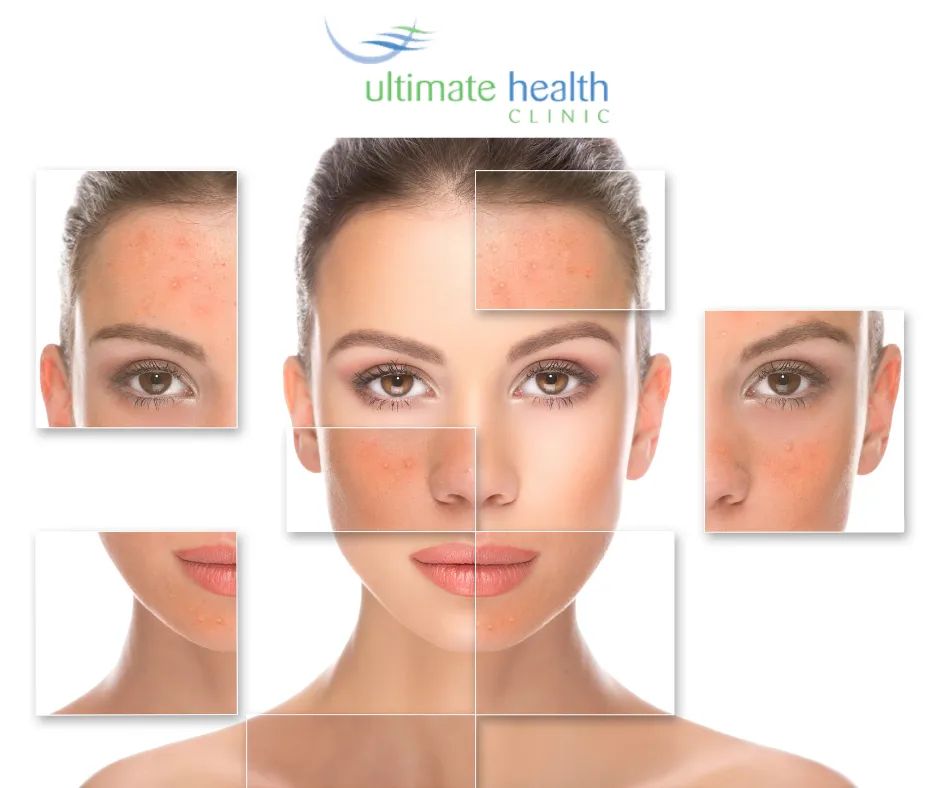
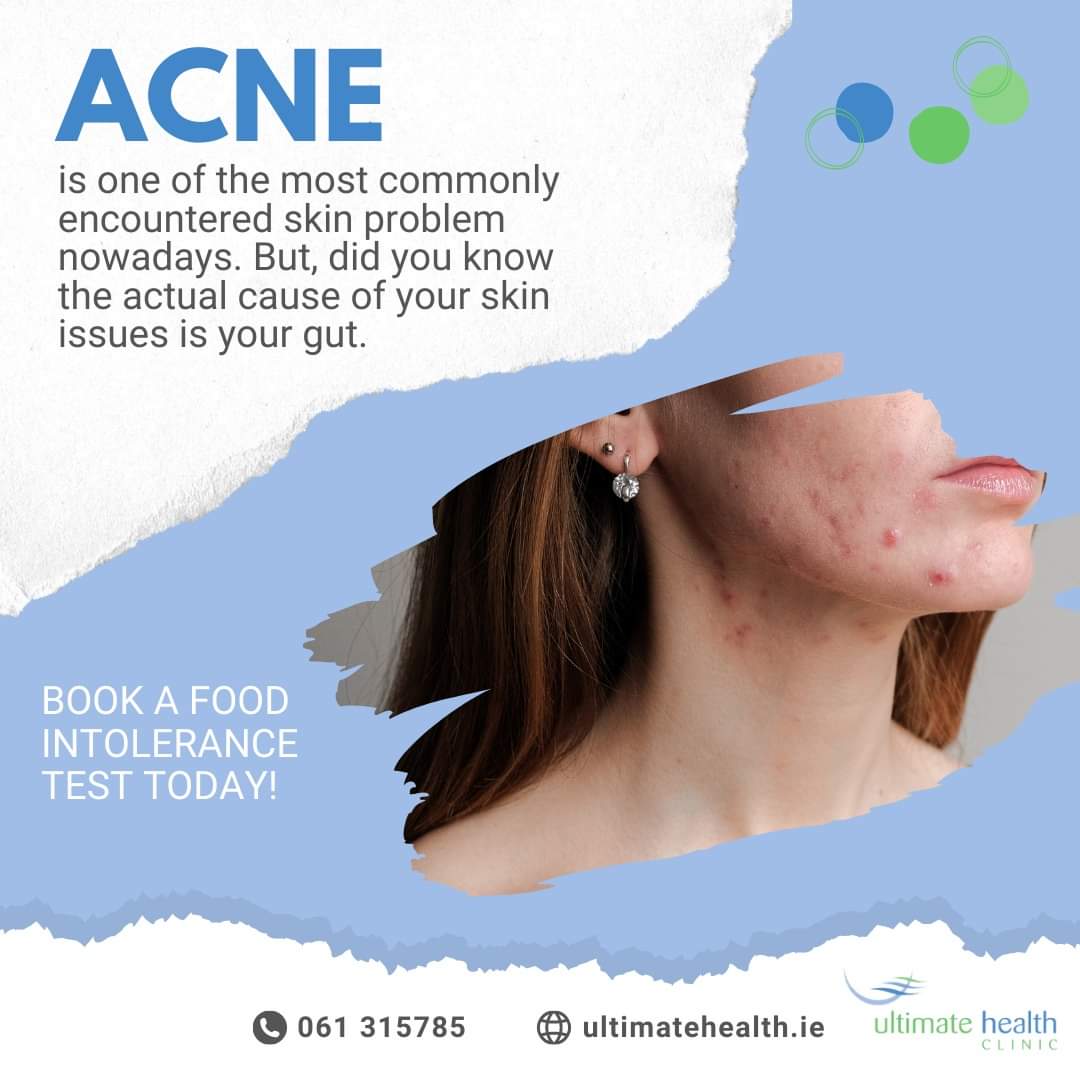 13/12/2022 0 CommentsAcne skin problemRead More
Acne is one of the most commonly encountered skin problem nowadays. But, did you know the actual cause of your skin issues is your gut?
-
 06/12/2022 0 CommentsHow do I know if it is Food Intolerance?Read More
There are a few ways to determine if one has food intolerance.
-
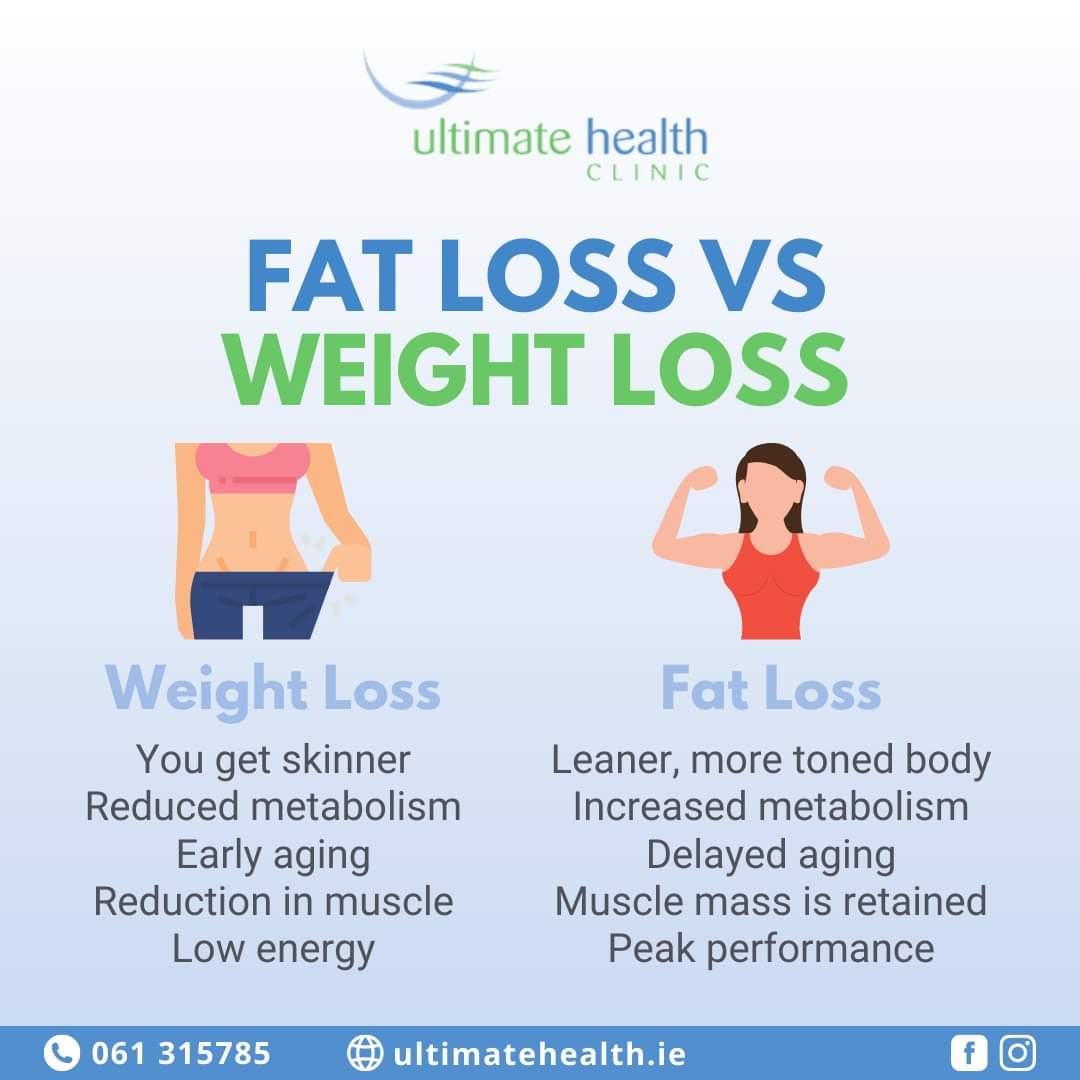 02/12/2022 0 CommentsFat Loss vs Weight LossRead More
That's the message from many experts who say that the focus should be on losing fat, not necessarily weight.
-
 01/12/2022 0 CommentsThere are a few ways to determine if one has food intoleranceRead More
Many people have digestive symptoms, such as bloating, gas, abdominal pain, or diarrhea, after eating certain foods.
-
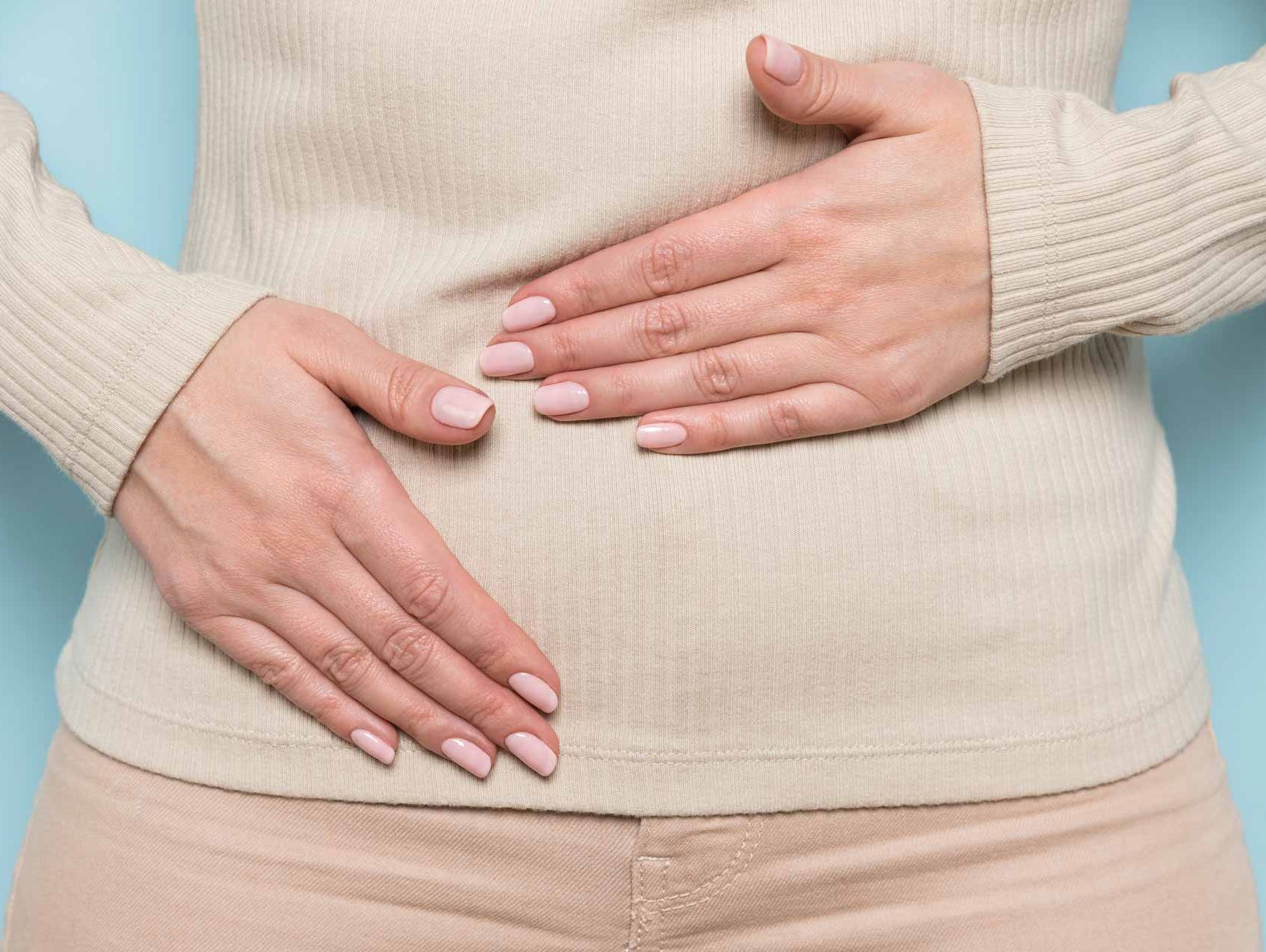 29/11/2022 0 CommentsFeeling bloated? Try colonic hydrotherapy!Read More
Colonic Hydrotherapy involves flushing the colon with water in order to remove toxins and waste.
-

-
 18/11/2022 0 Comments🔥 Make your body a top priority in 2022 🔥Read More
We can help you achieve the figure that you are already working so hard on through non-invasive body contouring treatments.
-
 18/11/2022 0 CommentsThis is your sign to visit us here at The Ultimate Health Clinic today!Read More
We provide personally tailored treatments
-
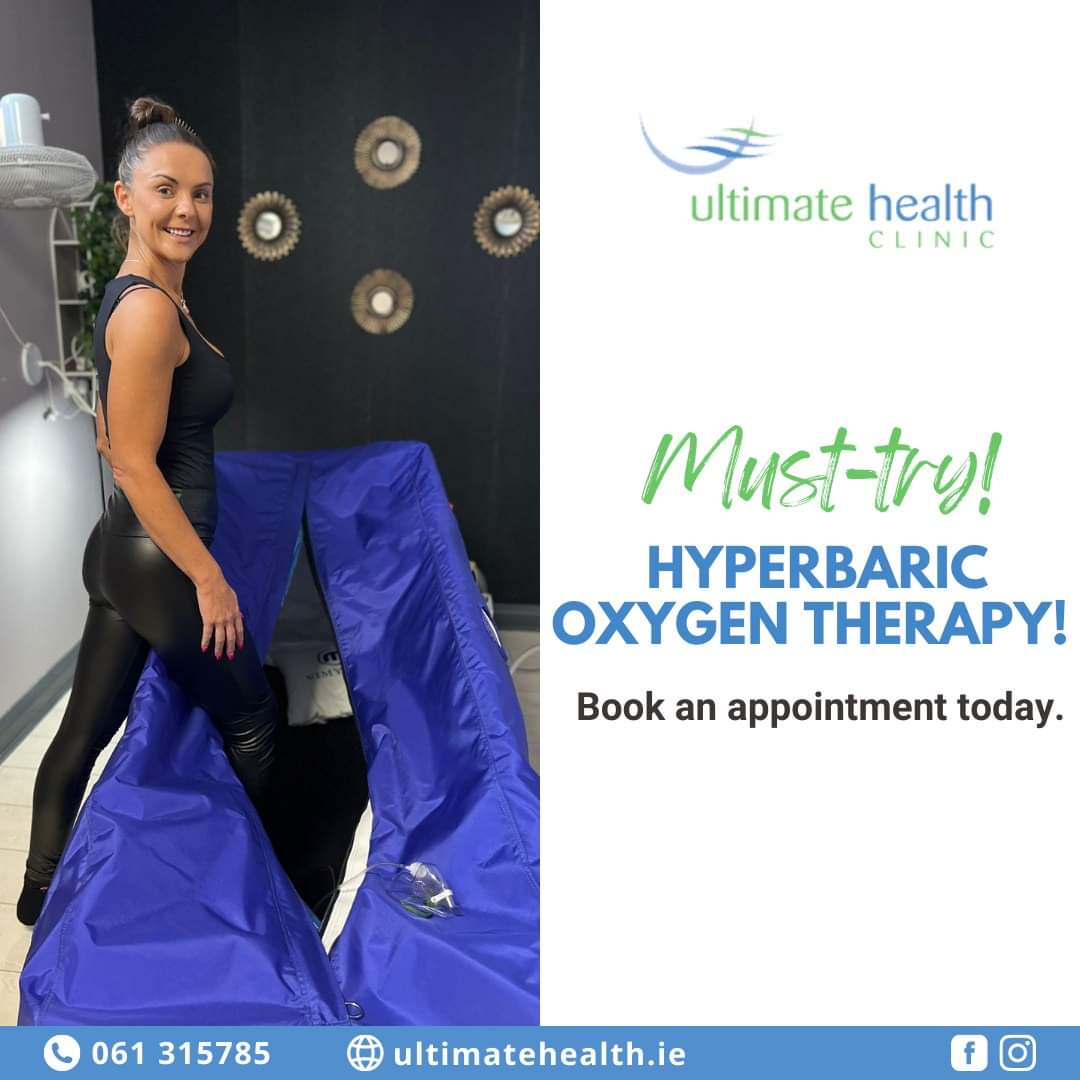 07/11/2022 0 CommentsOur new Hyperbaric Oxygen Therapy is a must-try!Read More
If you're looking for a therapy that can speed up healing,
-
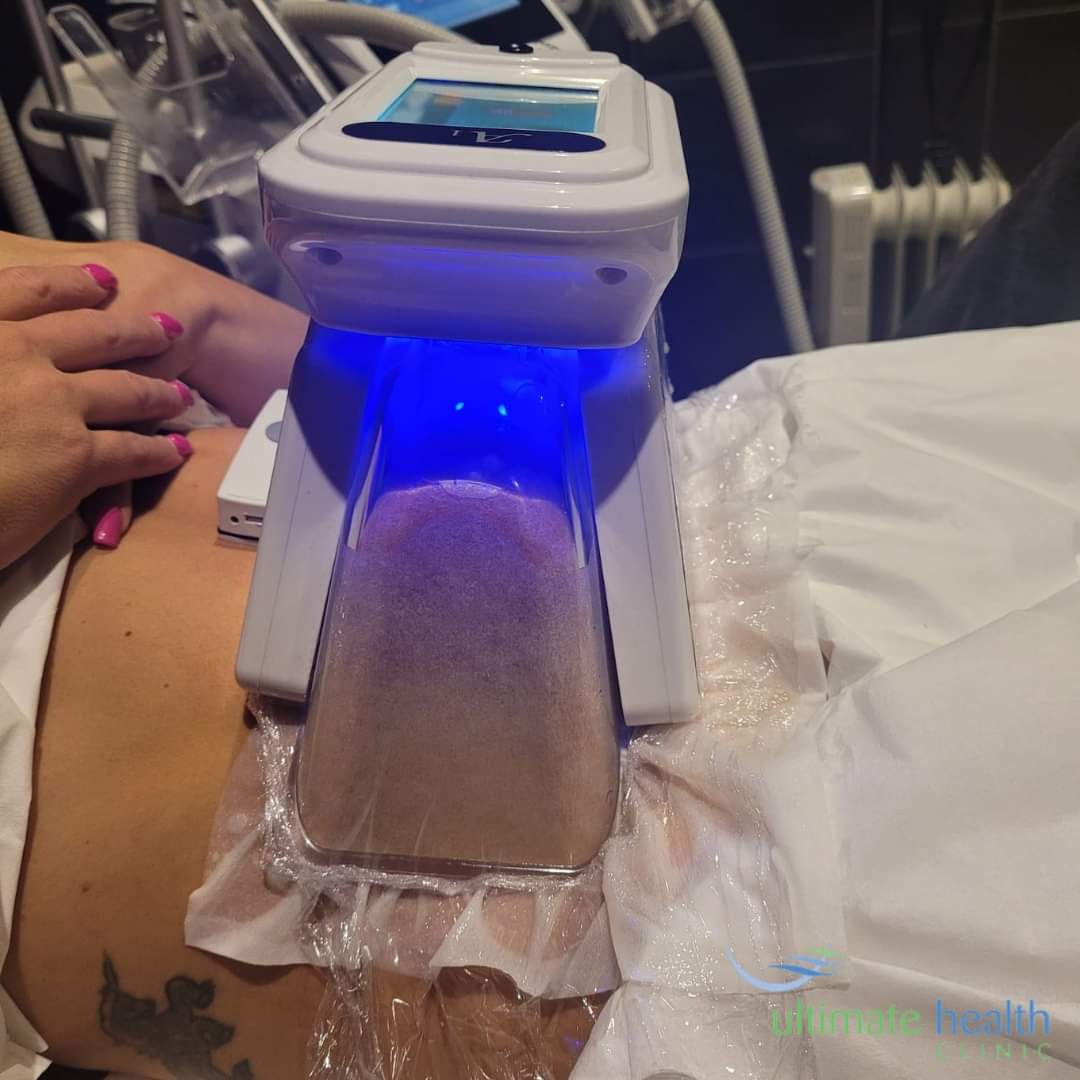 07/11/2022 0 CommentsOur fat freezing treatmentRead More
Our fat freezing treatment is a great way to get rid of stubborn fat in certain parts of the body.
-
 25/10/2022 0 CommentsDoes Hyperbaric Oxygen Therapy help long Covid 🤔?Read More
According to Hale Clinic, most Clients who have contracted COVID-19 disease recover to good health within a few weeks.
-
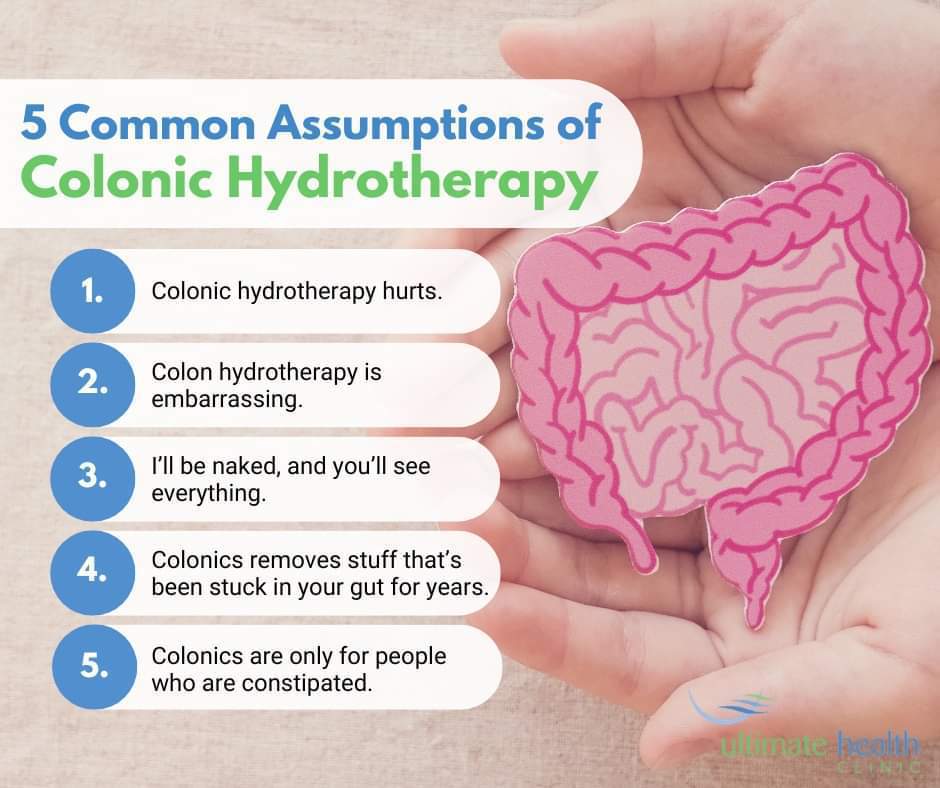 12/10/2022 0 Comments5 Common Assumptions of Colonic HydrotherapyRead More
There are many assumptions about colonic hydrotherapy, and today, we're going to address 5 of the most common ones.
-
 10/10/2022 0 CommentsWhy do we need Colonic Hydrotherapy?Read More
Colon Hydrotherapy is an incredibly beneficial way to cleanse one's colon from toxic waste.
-
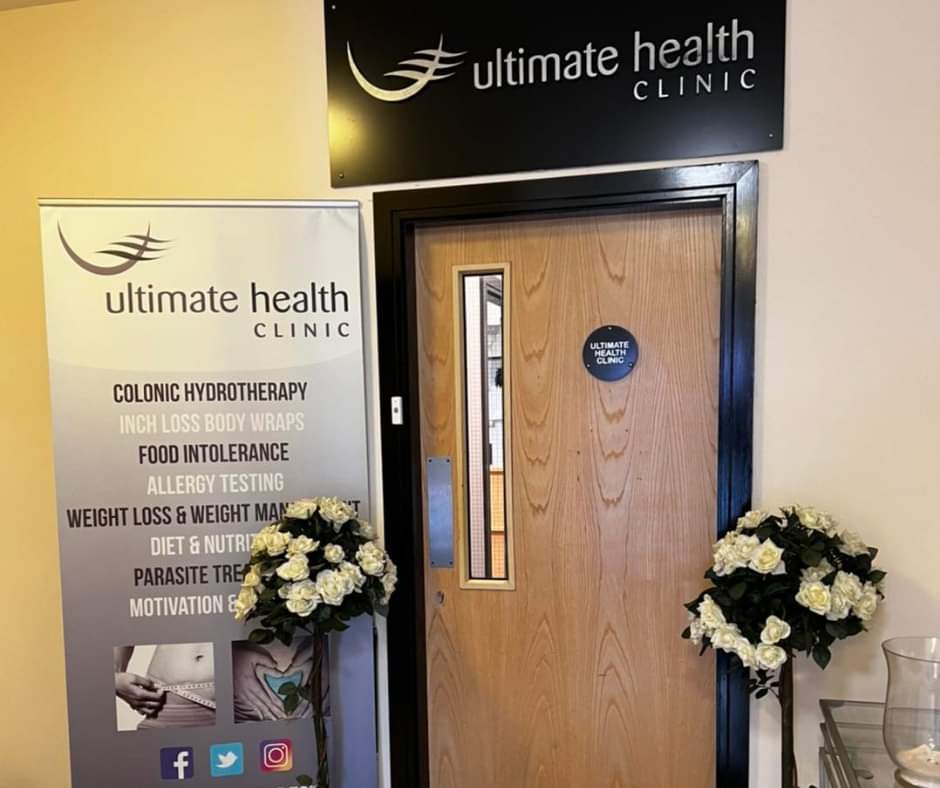 10/10/2022 0 CommentsLooking for holistic treatments 🤔?Read More
Ultimate Health Clinic provides personally tailored treatments to sufferers of muscle pain
-
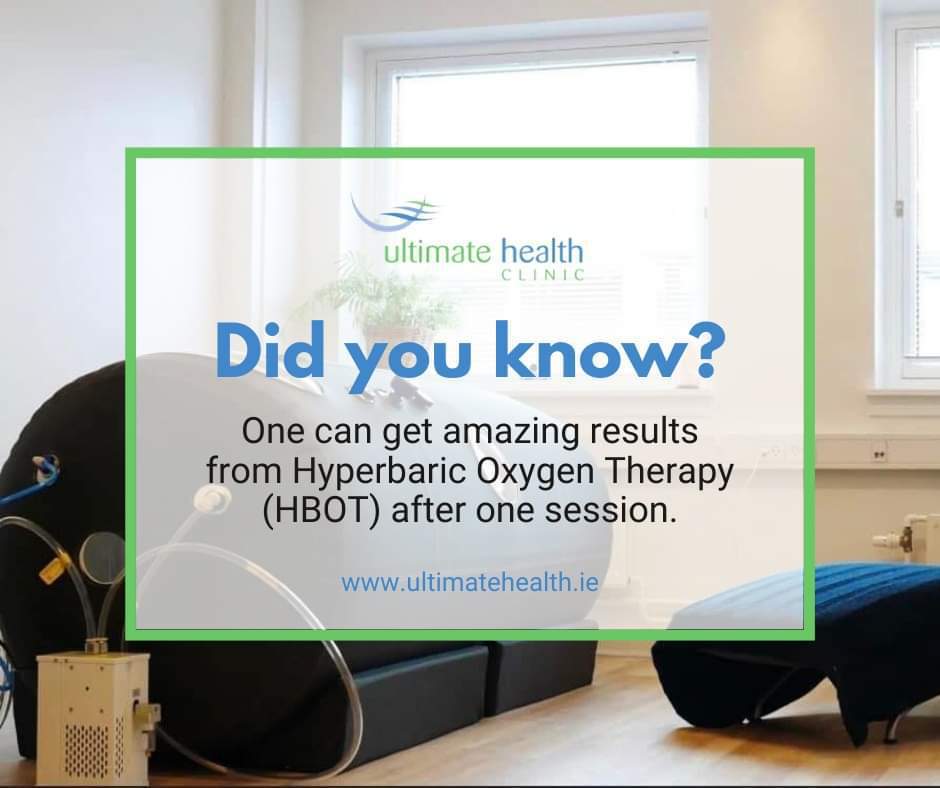 07/10/2022 0 CommentsDid you know?Read More
One can get amazing results from Hyperbaric Oxygen Therapy (HBOT) after one session!
-
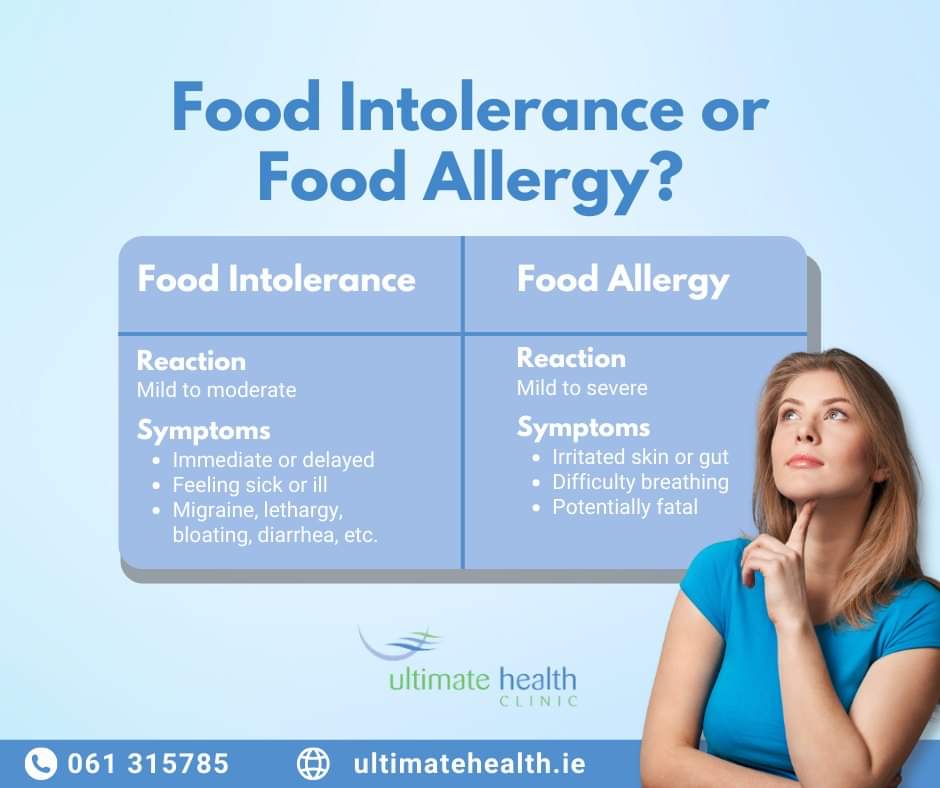 04/10/2022 0 CommentsFood Intolerance or Food Allergy?Read More
Some symptoms of food intolerance and food allergies can be related, but it's important to understand the distinction between them.
-
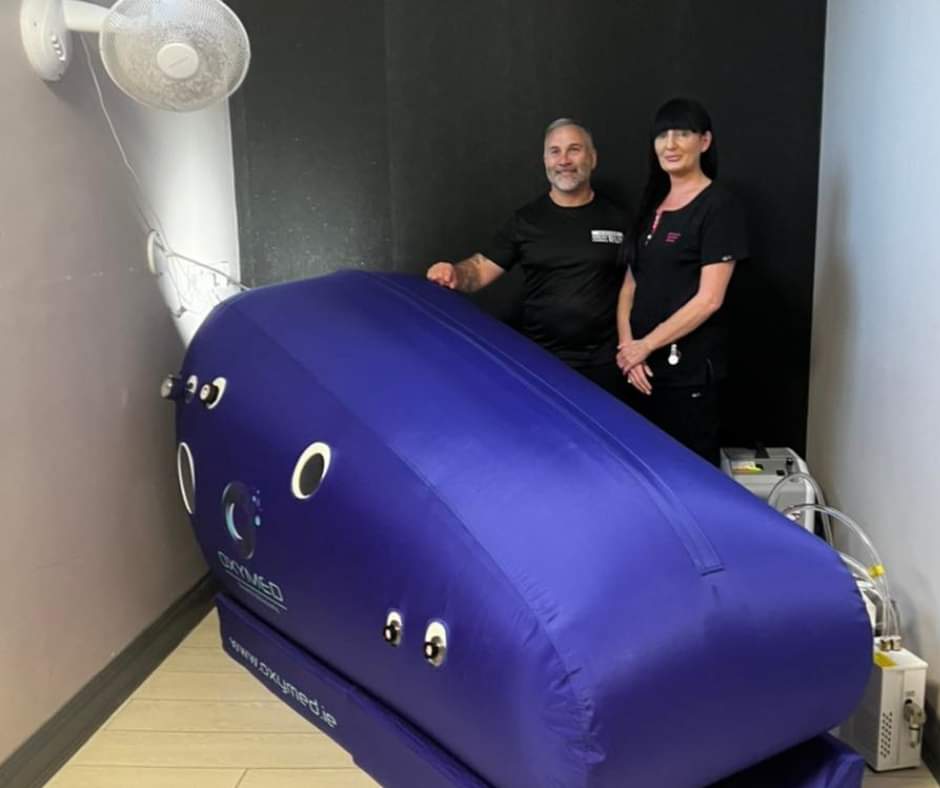 27/09/2022 0 Comments📣 Introducing, our new service here at the Ultimate Health Clinic..Read More
... Hyperbaric Oxygen Therapy! 📣 What exactly is Hyperbaric Oxygen Therapy?
-
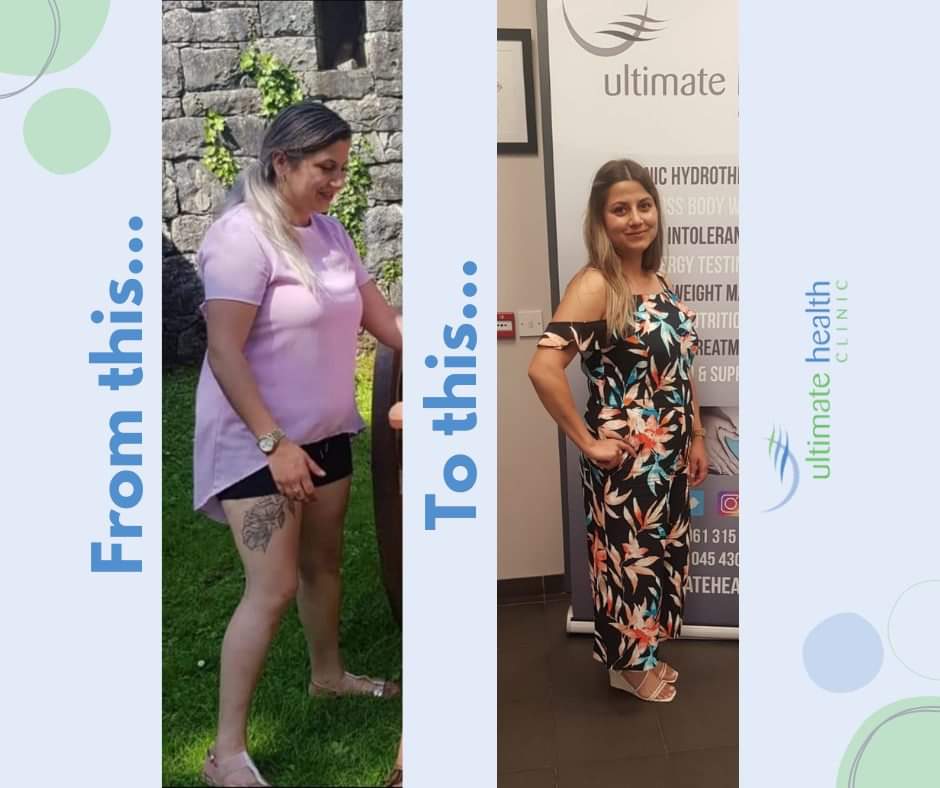 19/09/2022 0 CommentsUltimate transformation! ✨Read More
We always aim for an ultimate transformation! ✨
-
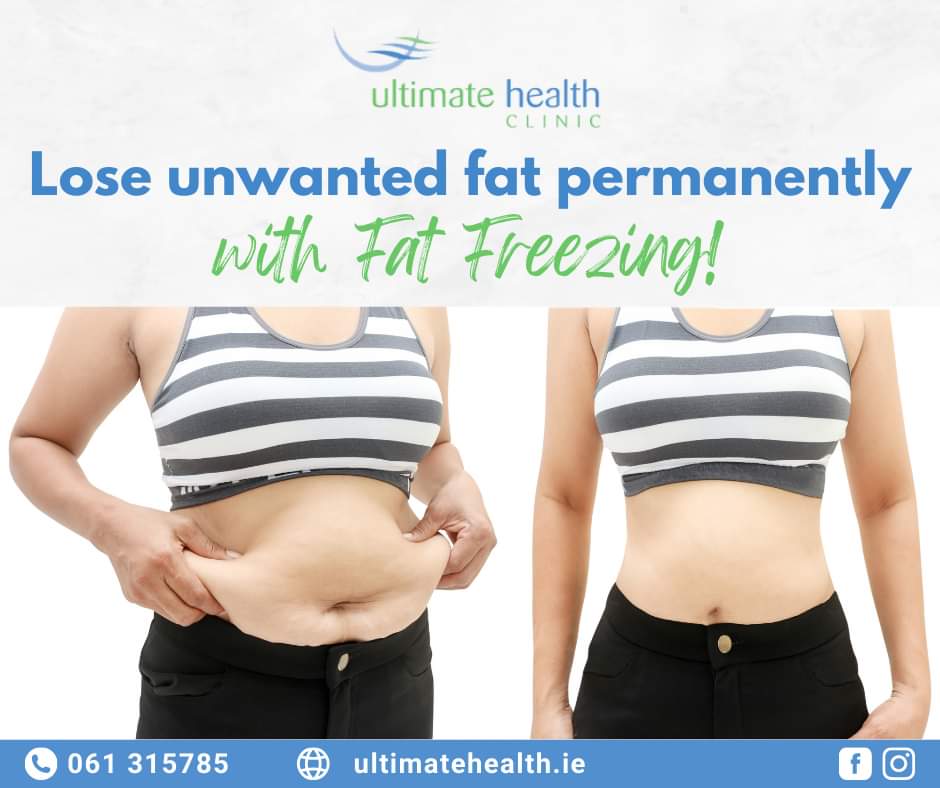 16/09/2022 0 CommentsLose unwanted fat permanentlyRead More
Lose unwanted fat permanently with our innovative Fat Freezing ❄️ treatment!
-
 12/09/2022 0 CommentsHow to eat out safely when you have a Food Allergy?Read More
When it comes to dining out, having food allergies shouldn't be a deterrent. 😉
-
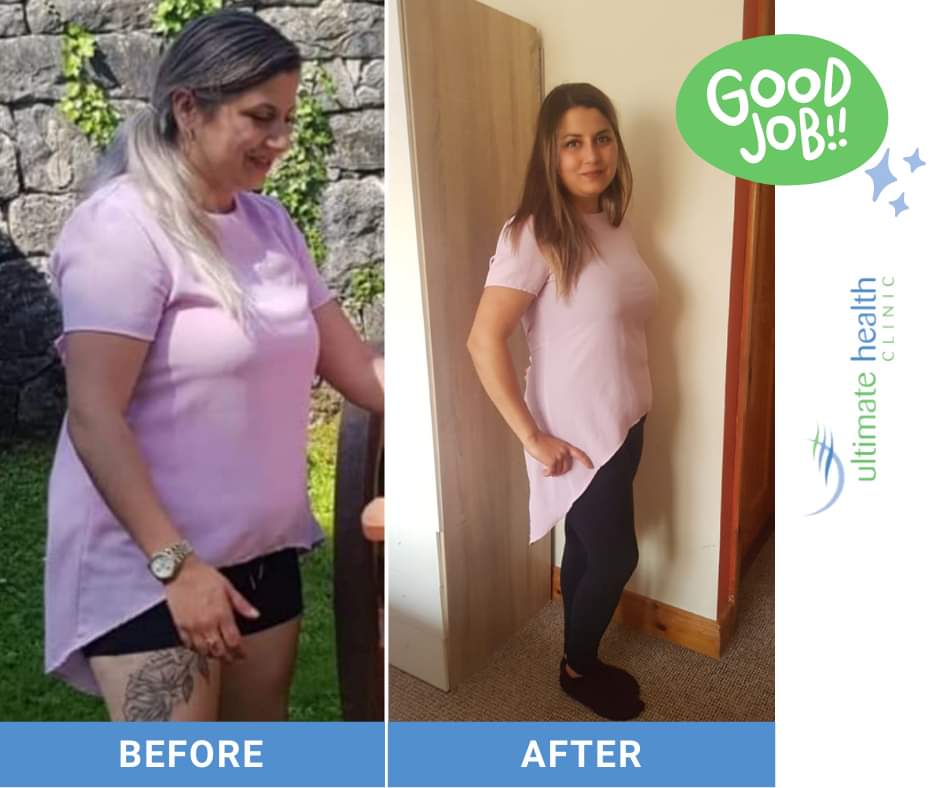 12/09/2022 0 CommentsAn ultimate transformation unfolds. 👏!Read More
We've helped our client improve her health with our holistic treatments.
-
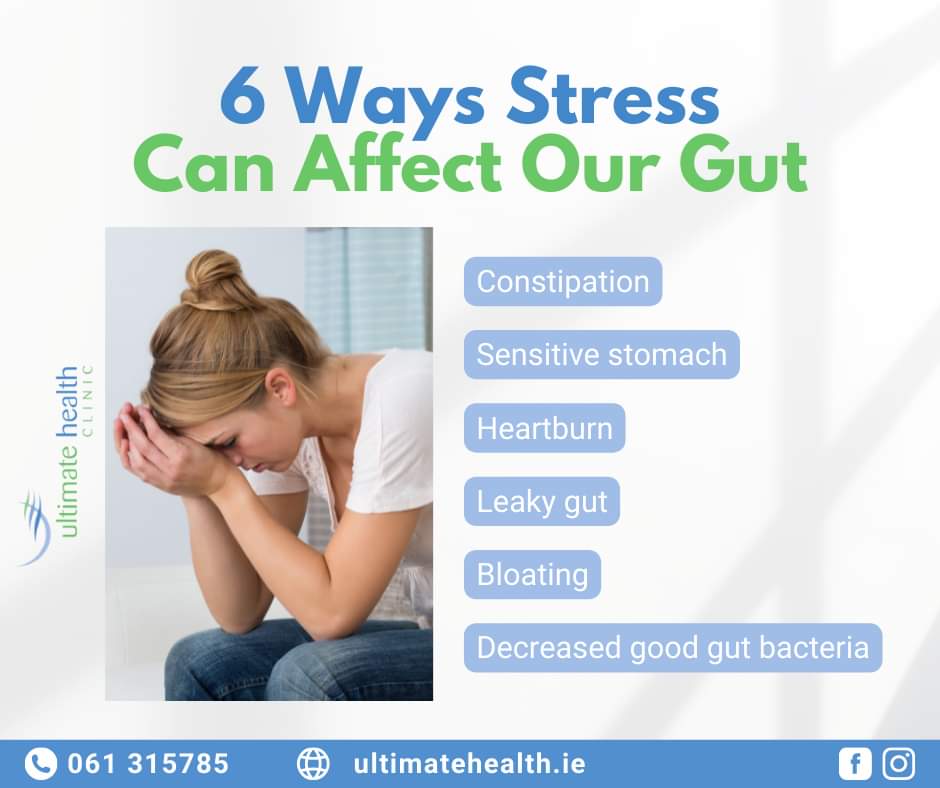 12/09/2022 0 Comments6 Ways Stress Can Affect Our GutRead More
Did you know? Stress has been shown to have negative effects on our digestive system.
-
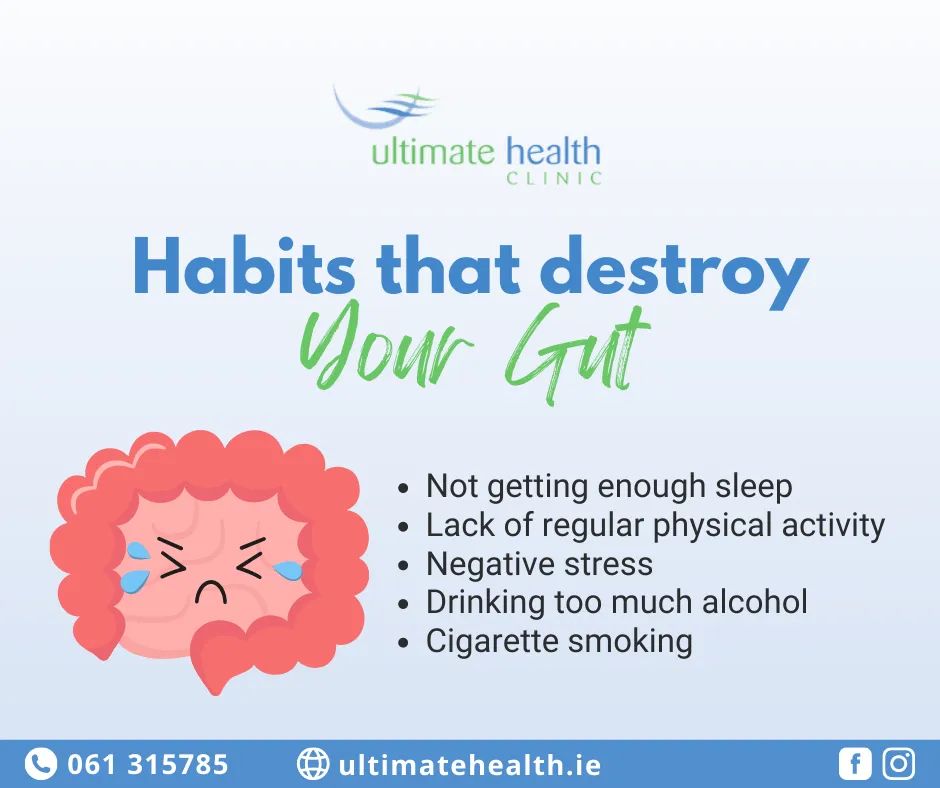 12/09/2022 0 CommentsHere's the Cold Hard Truth...Read More
Sometimes the things we do on a daily basis can be worse for us than something we may only experience once or twice.
-
-
-
 19/08/2022 0 CommentsConstipated? Consider Colonic Hydrotherapy!Read More
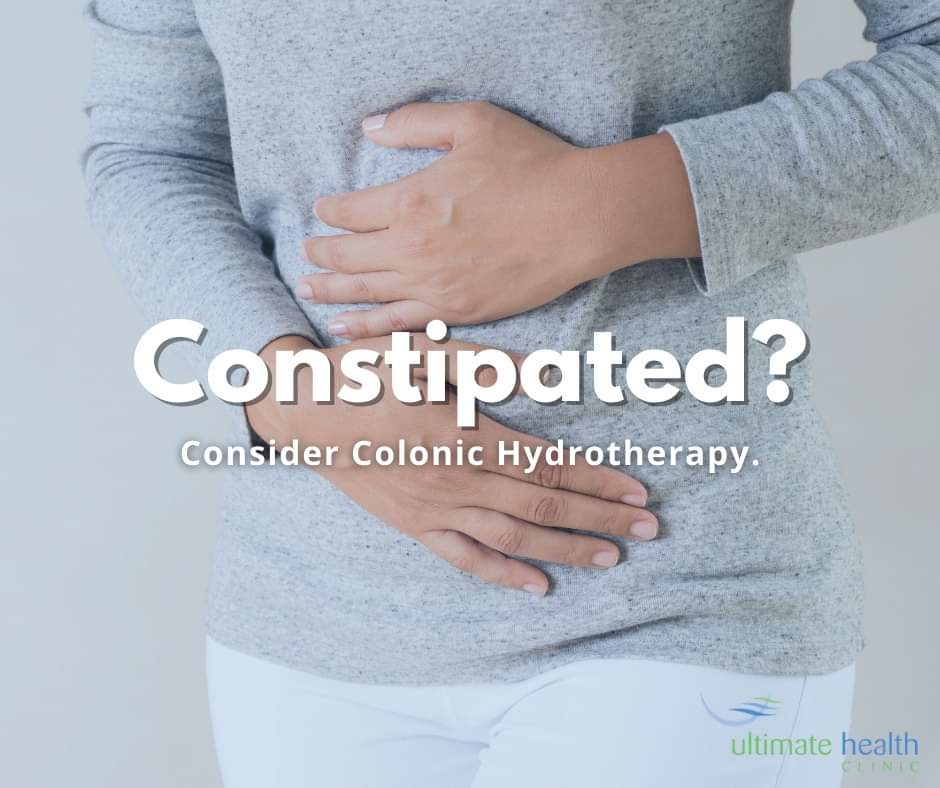
Constipated? Consider Colonic Hydrotherapy!
-
 19/08/2022 0 CommentsAllergy-testRead More
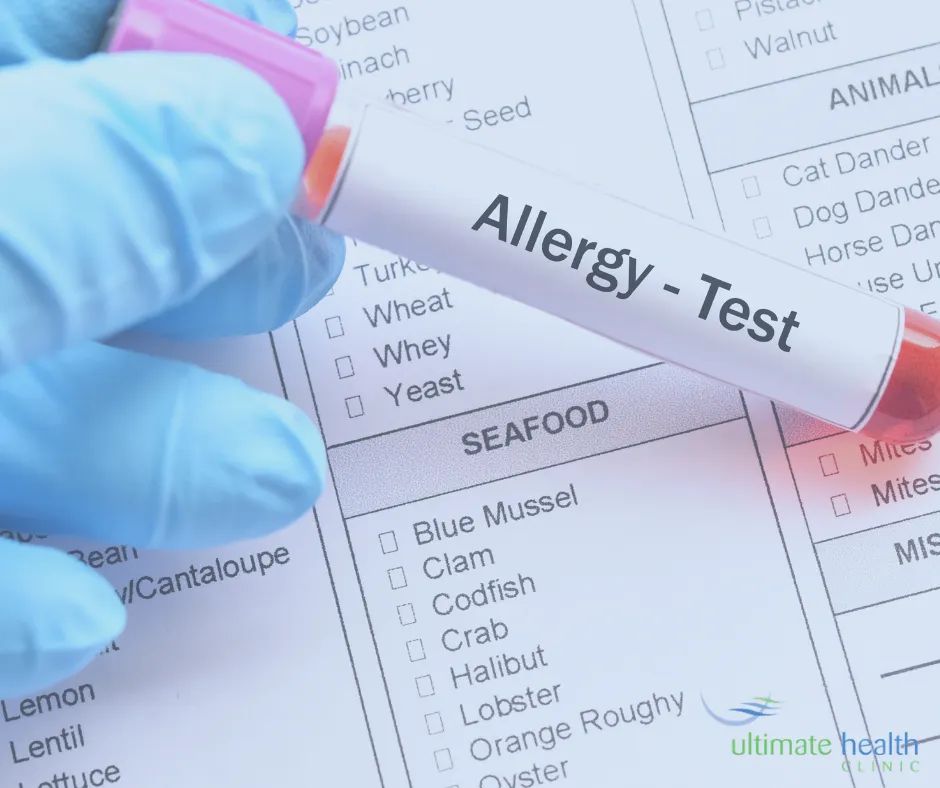
Which foods are making your IBS worse?
Diet is one of the common triggers that can worsen IBS symptoms.
-
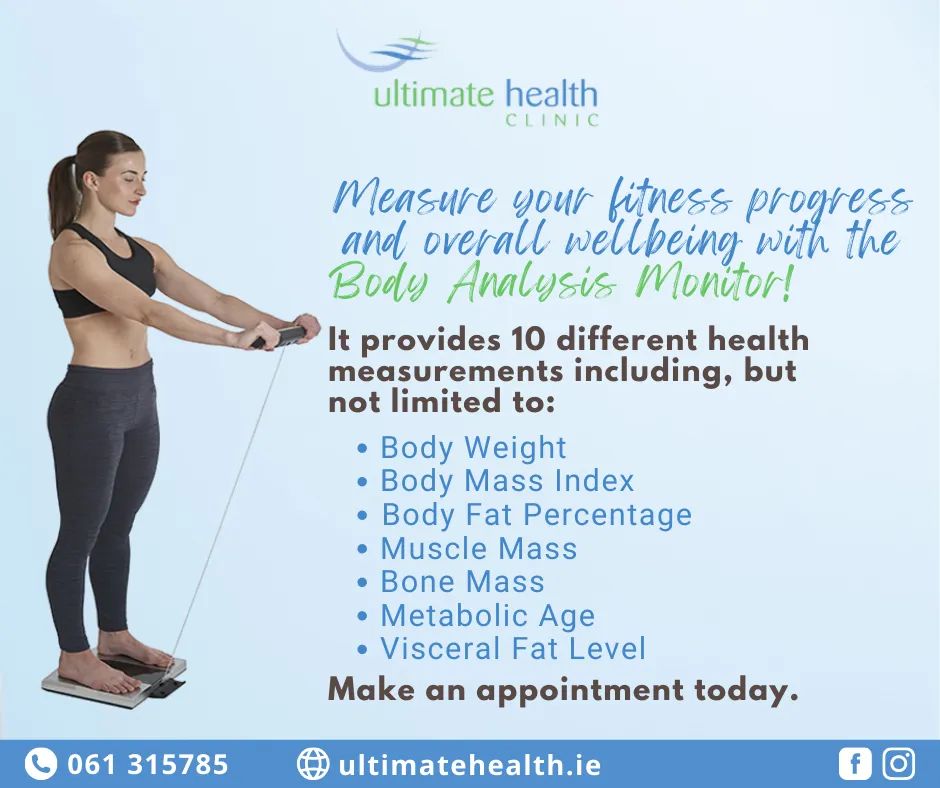 19/08/2022 0 CommentsBody Analysis MonitorRead More
Get an accurate assessment of your body's fitness and wellness with our Body Analysis Monitor! 👍👍
-
 09/08/2022 0 CommentsRed Light Therapy is one of the most innovativeRead More
Red Light Therapy is one of the most innovative new treatments for athletes, fitness enthusiasts, and people recovering from injury.
-
 09/08/2022 0 CommentsChewing is the first step in digesting food.Read More
You might be surprised to learn that experts recommend chewing food 32 times before swallowing it!
-
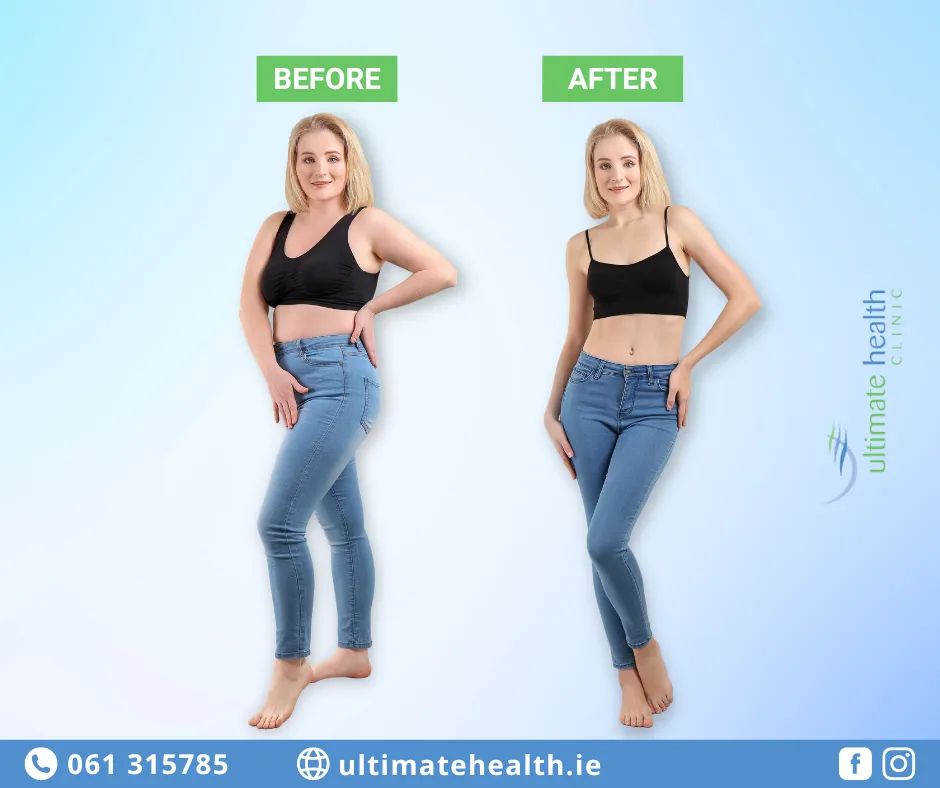 03/08/2022 0 CommentsFeeling like it's impossible to lose weight?Read More
We're here to help!
Our Ultimate Health Weight Management Programme is designed to kick-start your overall weight loss with professional treatments,
- 25/07/2022 0 CommentsColonic Cleansing: A way to lighten your load!Read More
Let's face it, when we're carrying around more than 5-25lbs of toxic waste in our colon, it can really take a toll on our mind and body.
-
 14/07/2022 0 CommentsFood Allergy TestingRead More
Is your favourite soup made from wheat flour? Are there peanuts in your salad dressing? Is there soy sauce in your stir-fry?
-
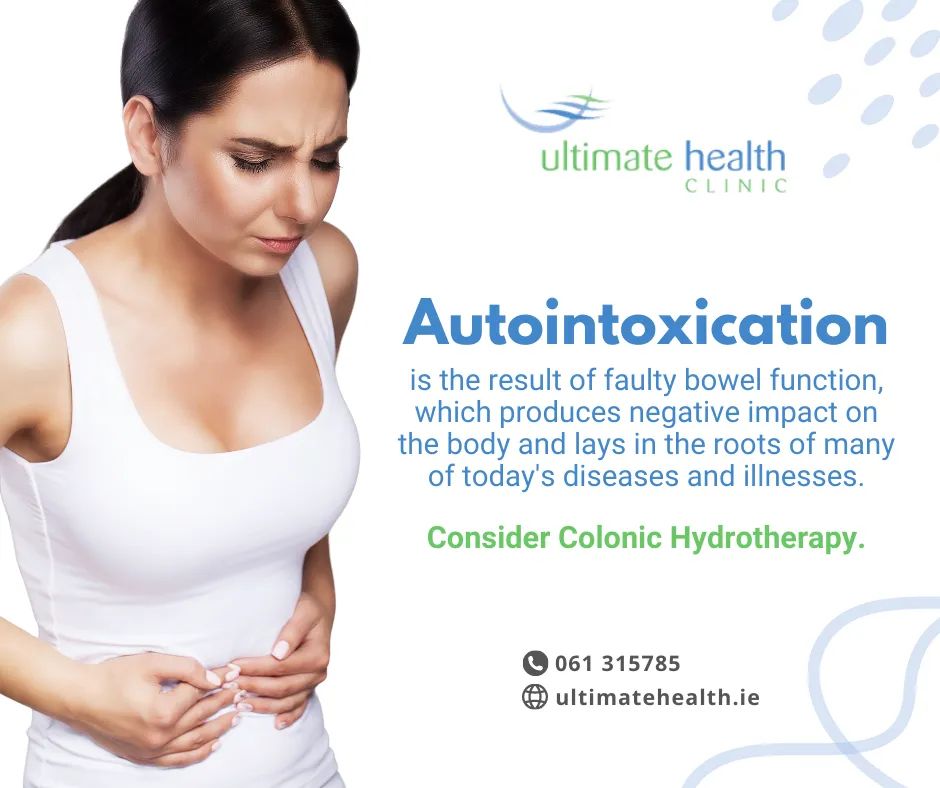 04/07/2022 0 CommentsAutointoxicationRead More
Autointoxication is the result of faulty bowel function, which produces damaging side effects on the body,
-
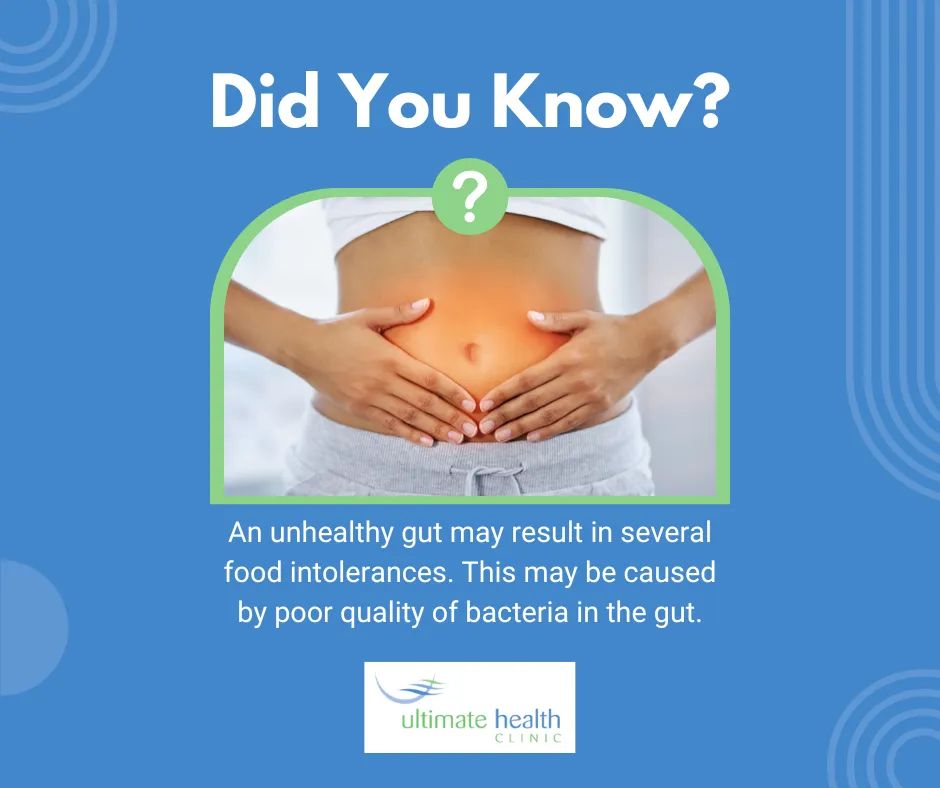 04/07/2022 0 Comments💡 Did you know?Read More
Poor quality of gut bacteria can cause people to develop food intolerances.
-
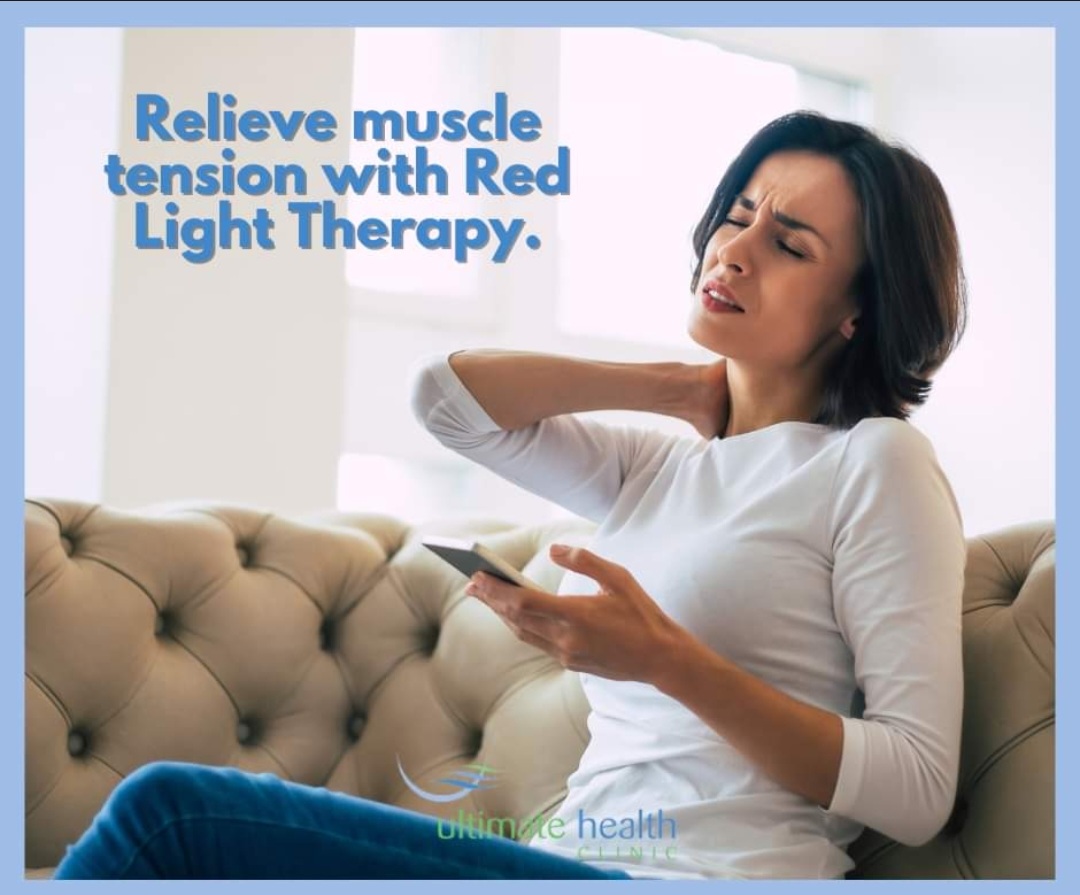 04/07/2022 0 CommentsRed Light Therapy treatmentRead More
Red Light Therapy has increasingly becoming popular for its ability to promote muscle and bone healing,
-
 30/06/2022 0 CommentsLactose intolerance and dairy allergy are not the same thing.Read More
Here are their differences:
-
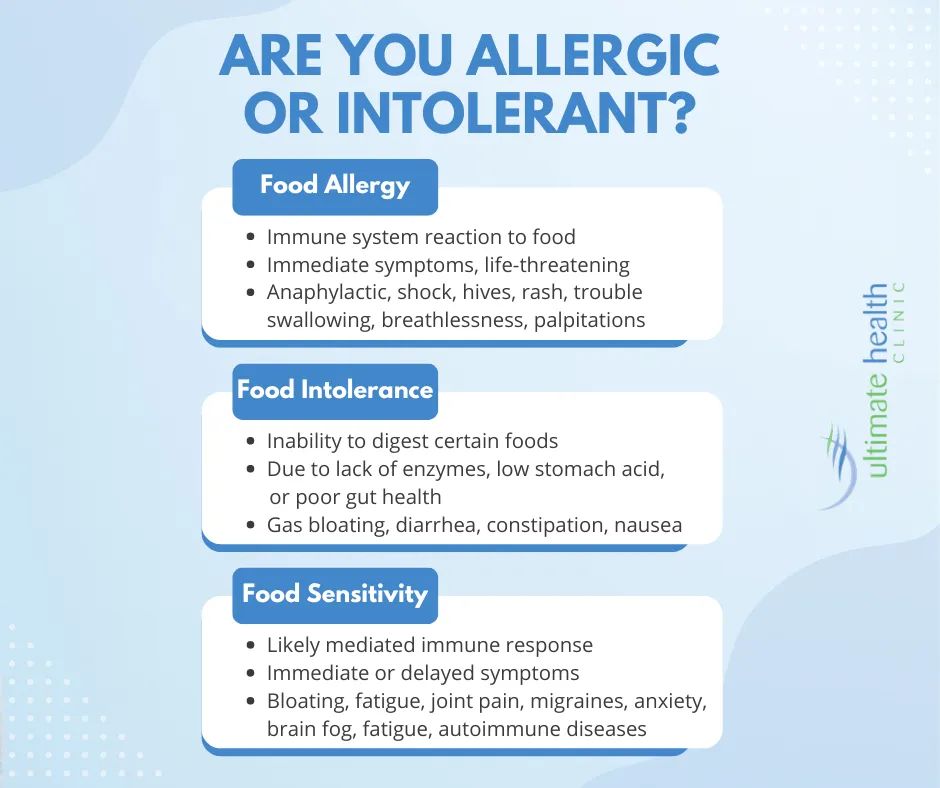 03/06/2022 0 CommentsAre you allergic or intolerant?Read More
Here's a simple infographic showing the differences of food allergy, food intolerance, and food sensitivity.
-
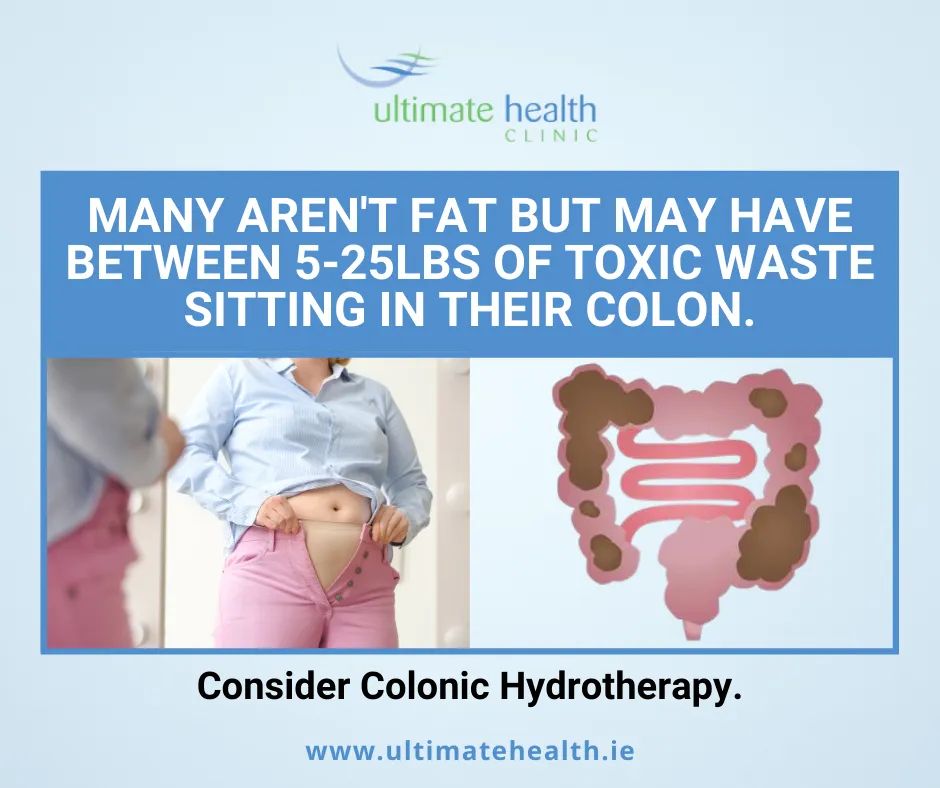 02/06/2022 0 CommentsConsider Colonic HydrotherapyRead More
Carrying around more than 5-25lbs of toxic waste 🦠 in our colon, can really take a toll on our mind and body.
-
-
 17/05/2022 0 CommentsConstipationRead More
Constipation can begin when there are changes to the child’s diet or routine.
-
 13/05/2022 0 CommentsBecome a slimmer,healthier and happierRead More
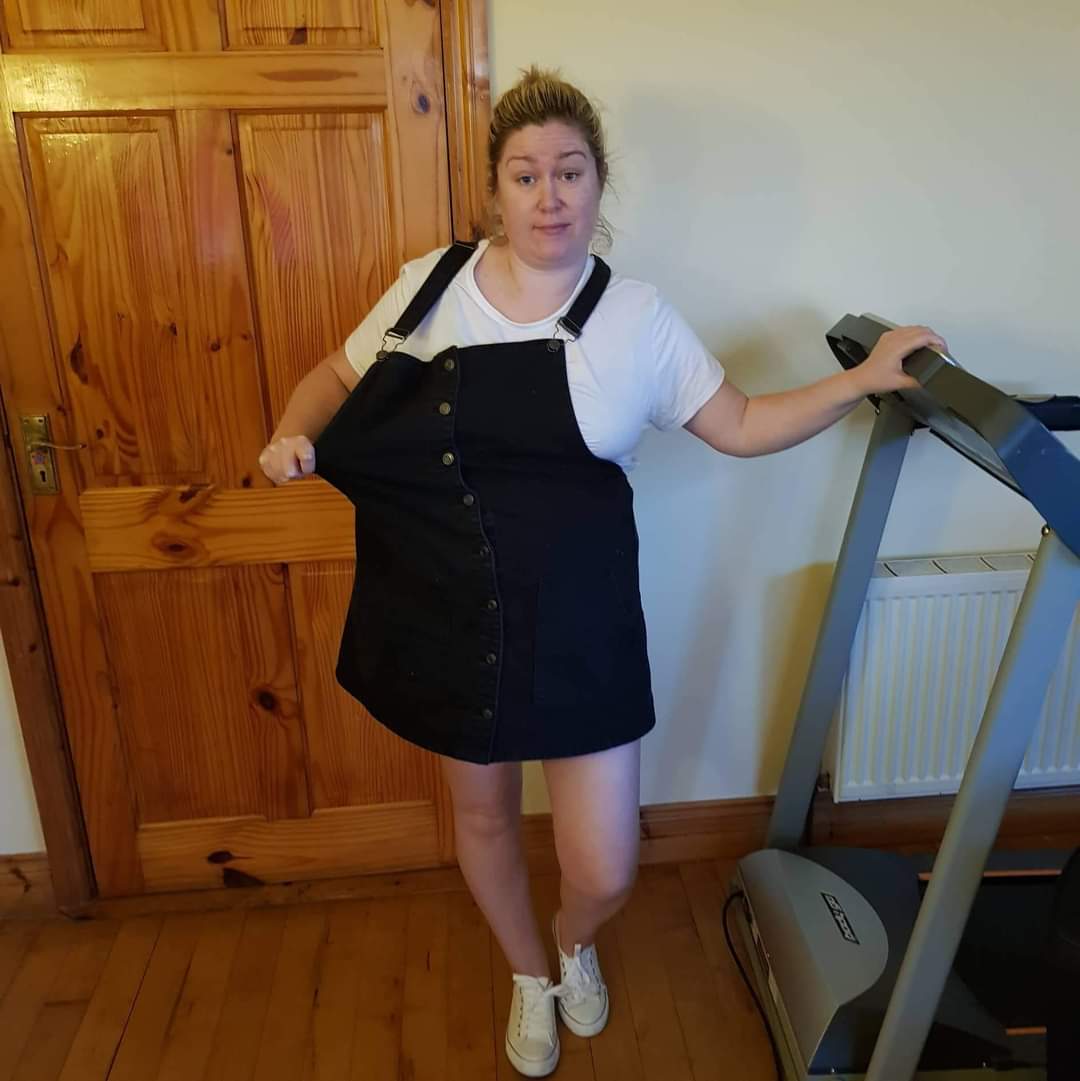
Excuse the tired head....late night and early morning (cannot even blame a child lol)...mind in overdrive....
-
 03/05/2022 0 CommentsFantastic Testimonial from this Beautiful ClientRead More
Massive Results after just 3Weeks.
Have a read and if you are feeling how this Client was feeling...Give Ultimate Health a Call..😁😁😁
-
 03/05/2022 0 CommentsHow Can Intolerances effect us??Read More
In many cases, symptoms which feel like acid reflux (indigestion, belching, gas, heartburn etc)
-
 19/04/2022 0 CommentsColonic HydrotherapyRead More
The human body is home to an estimated 100 trillion bacteria. That's more than the number of cells in our entire system!
-
-
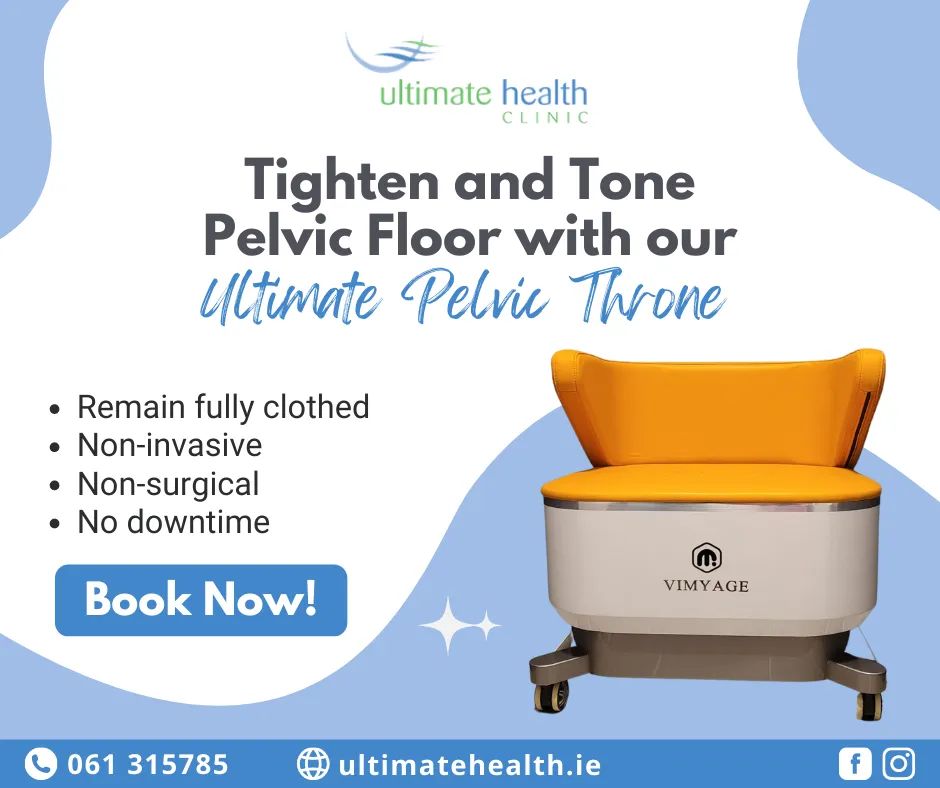 04/04/2022 0 CommentsUltimate Pelvic ThroneRead More
Emotional and physical well-being begins with a strong pelvic floor 👍.
-
 01/04/2022 0 CommentsHealthy Gut, Healthy YouRead More
A healthy digestive system is the foundation for everything else that makes us feel good 😉.
-
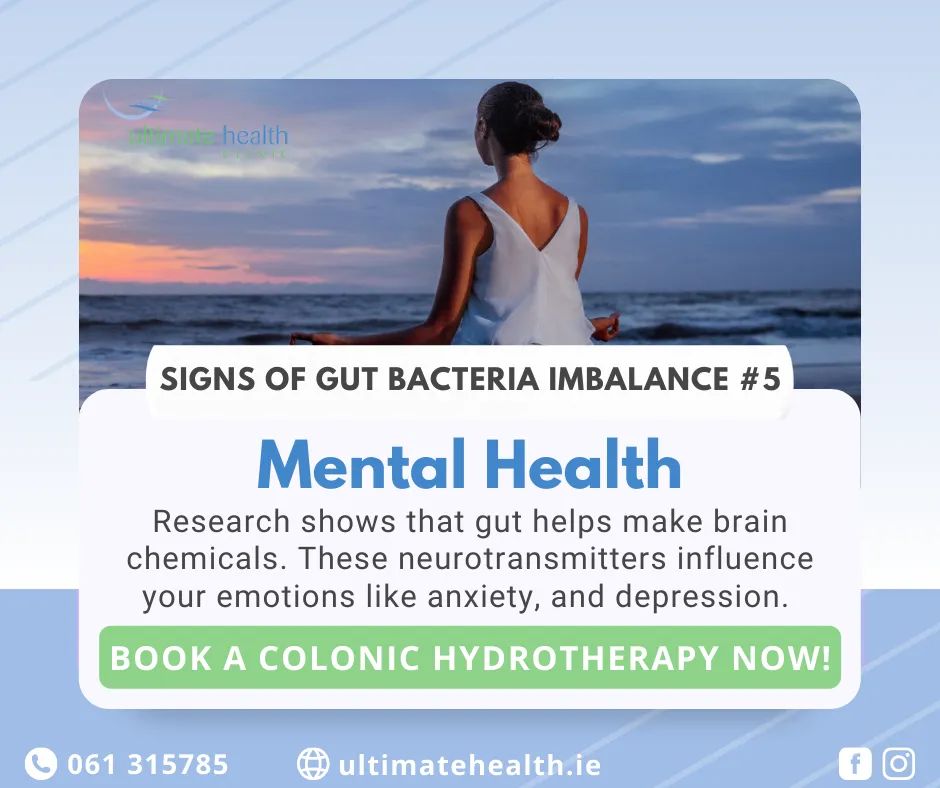 30/03/2022 0 CommentsMental HealthRead More
Gut-brain communication is an important process in determining how you feel.
-
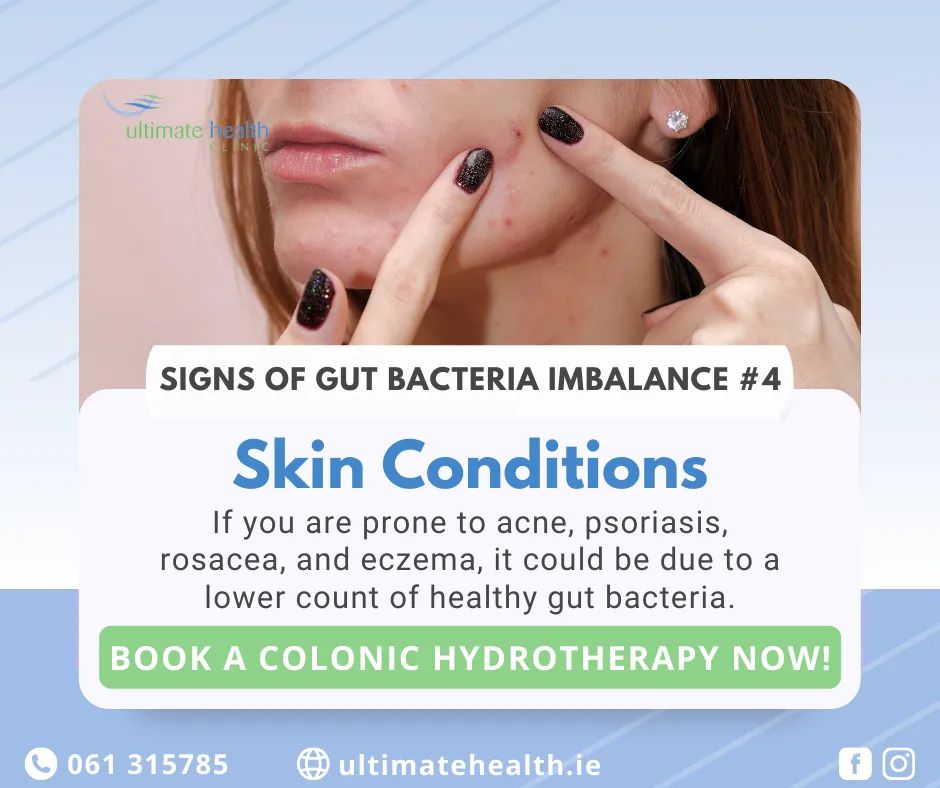 24/03/2022 0 CommentsSkin conditionRead More
We all know how it feels to have certain skin conditions, especially when we have no control over when and where these would happen.
-
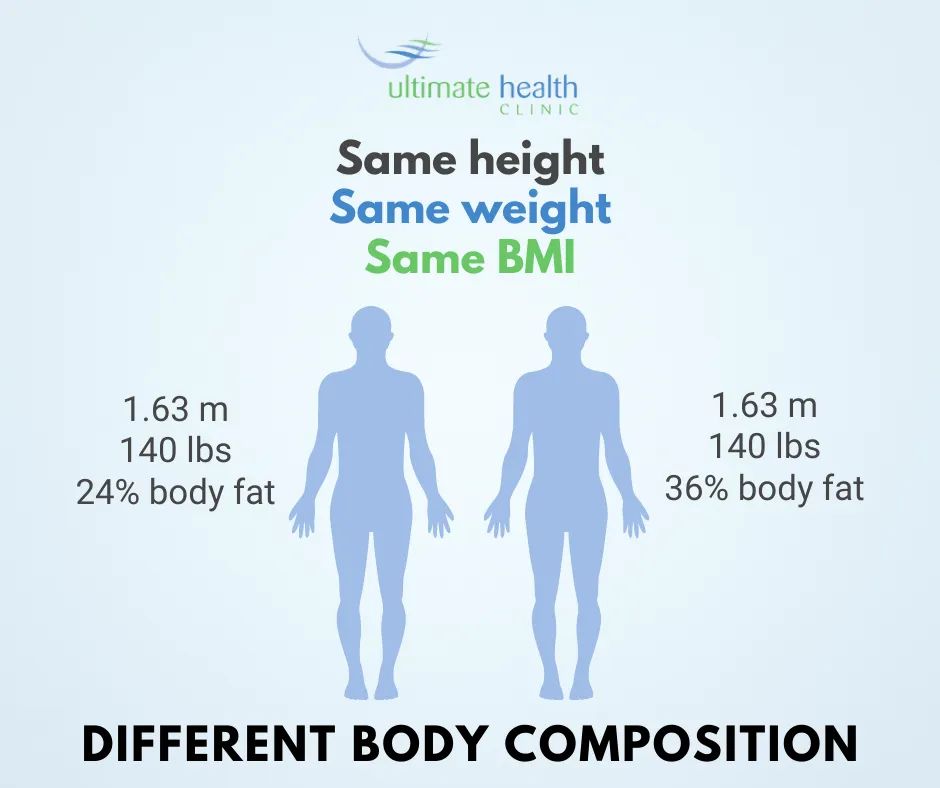 21/03/2022 0 CommentsDifferent body compositionRead More
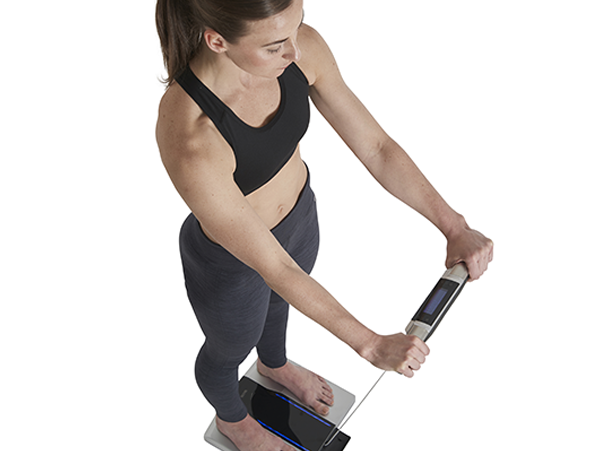
The numbers on a regular weighing scale don't always tell the full story. But what does?
-
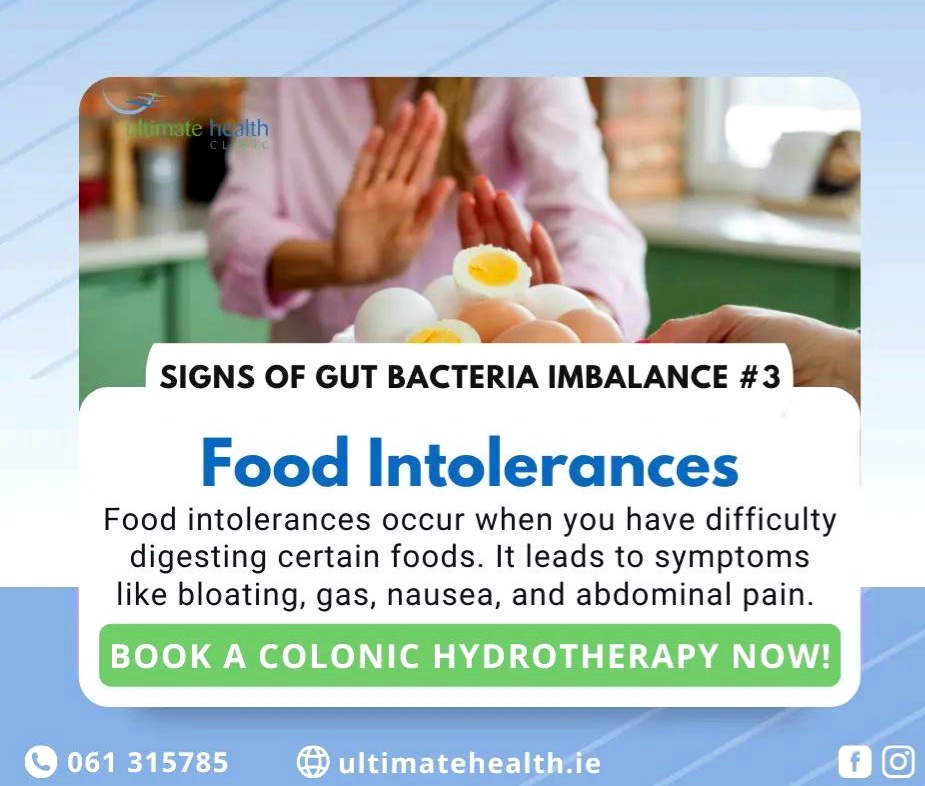 14/03/2022 0 CommentsSigns of gut bacteria imbalanceRead More
Did you know that food intolerances are one of the signs that your gut bacteria is out of balance 🤔?
-
 10/03/2022 0 CommentsWhat's the big deal?Read More
We all know that our gut health is important, but why focus on it 🤔?
-
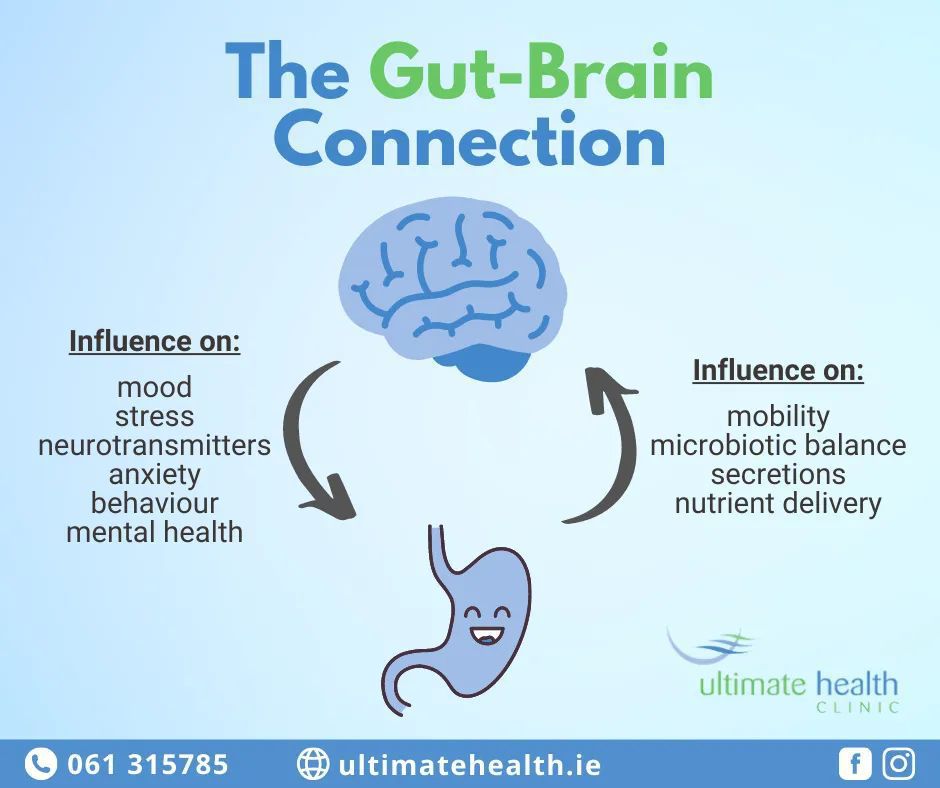 07/03/2022 0 CommentsThe Gut - Brain ConnectionRead More
We all know that our guts are connected to the brain, but did you also realize how this connection can affect your health?
-
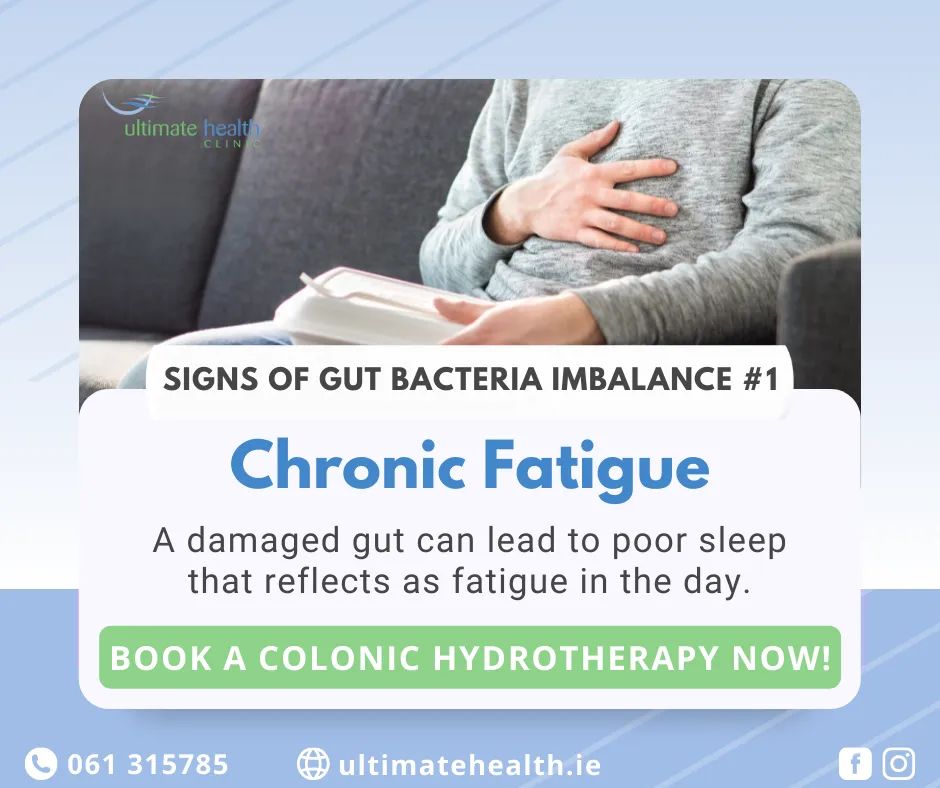 25/02/2022 0 CommentsChronic FatigueRead More
The connection between gut health and how you feel is more than just a hypothesis. It's reality!
-
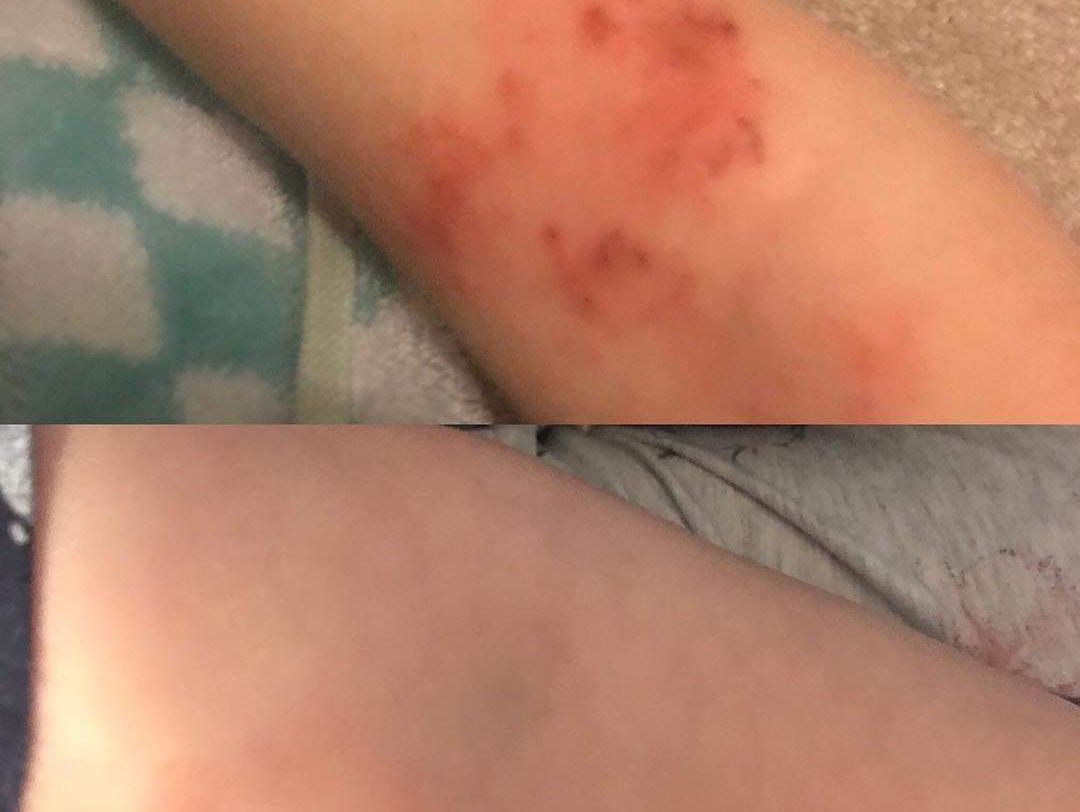 21/02/2022 0 CommentsThink your child could have a Food Intolerance????Read More
Have a read😁😁😁
Since I stopped breastfeeding, about 10/11 months old; he is now 3, he has suffered with bad eczema.
-
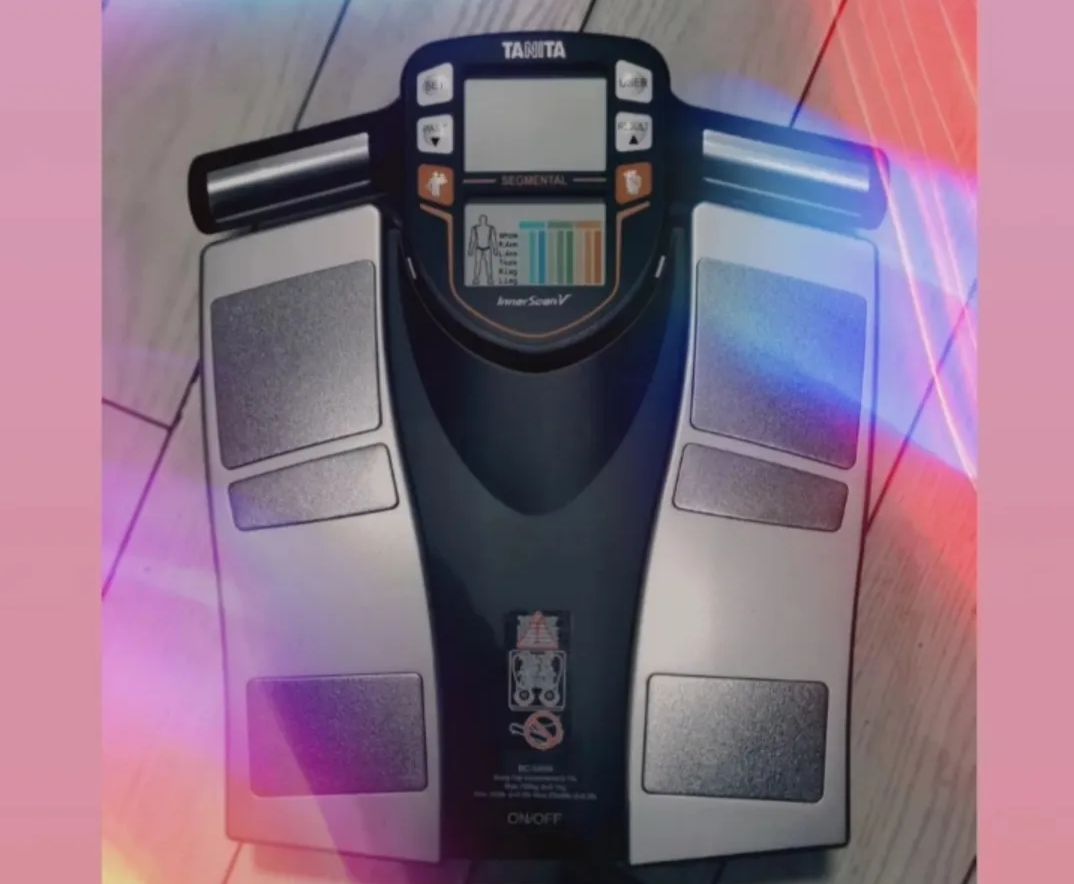 18/02/2022 0 CommentsNew Tanita Weighing ScalesRead More
Super Excited 😁😁😁 Our New Tanita Weighing Scales has arrived....
-
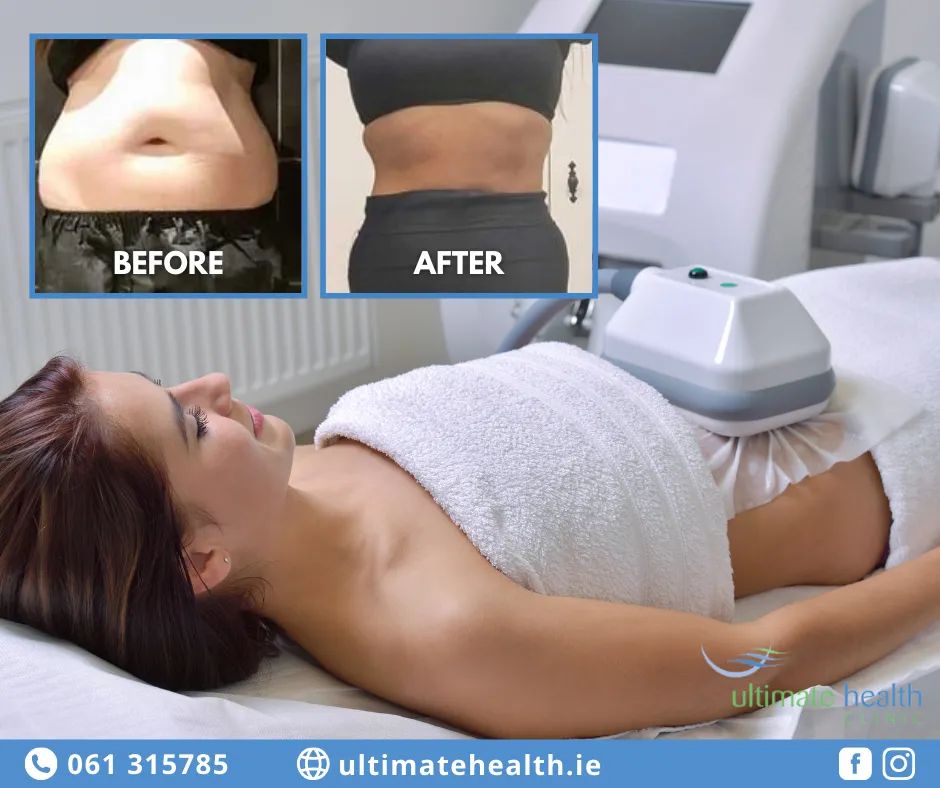 18/02/2022 0 CommentsBefore and After Fat Freezing Treatment 🙌Read More
See our client's body transformation! Amazing reduction in size, only in just a few sessions 😉.
-
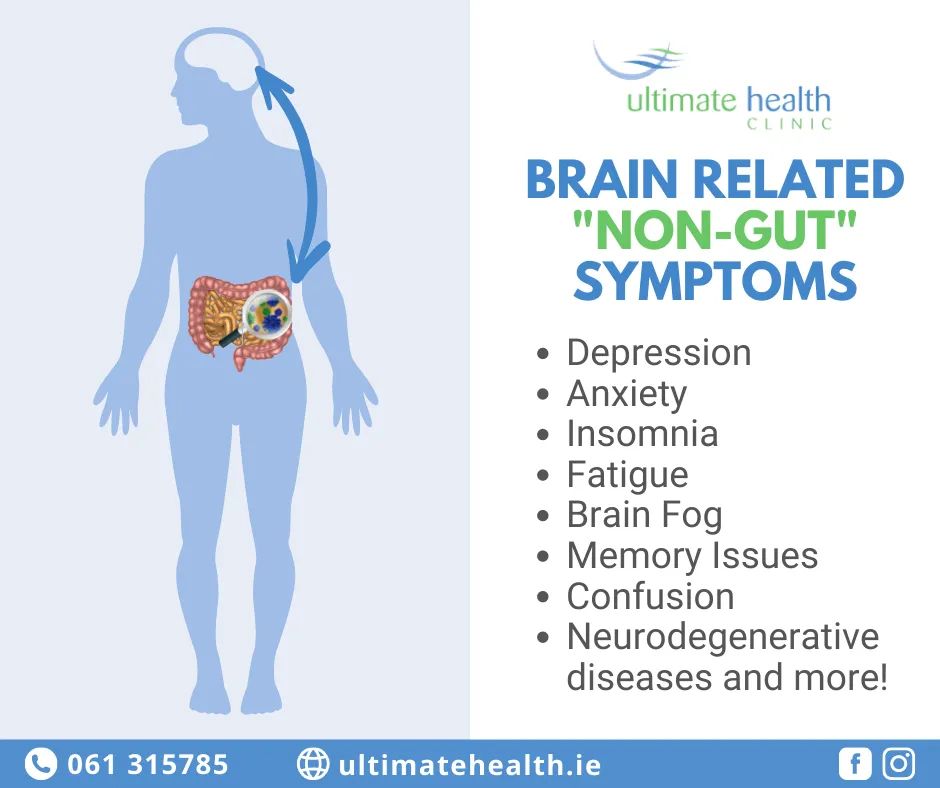 17/02/2022 0 CommentsThe gut and the brainRead More
The gut and the brain are closely linked, so any problems in one can affect both systems simultaneously.
-
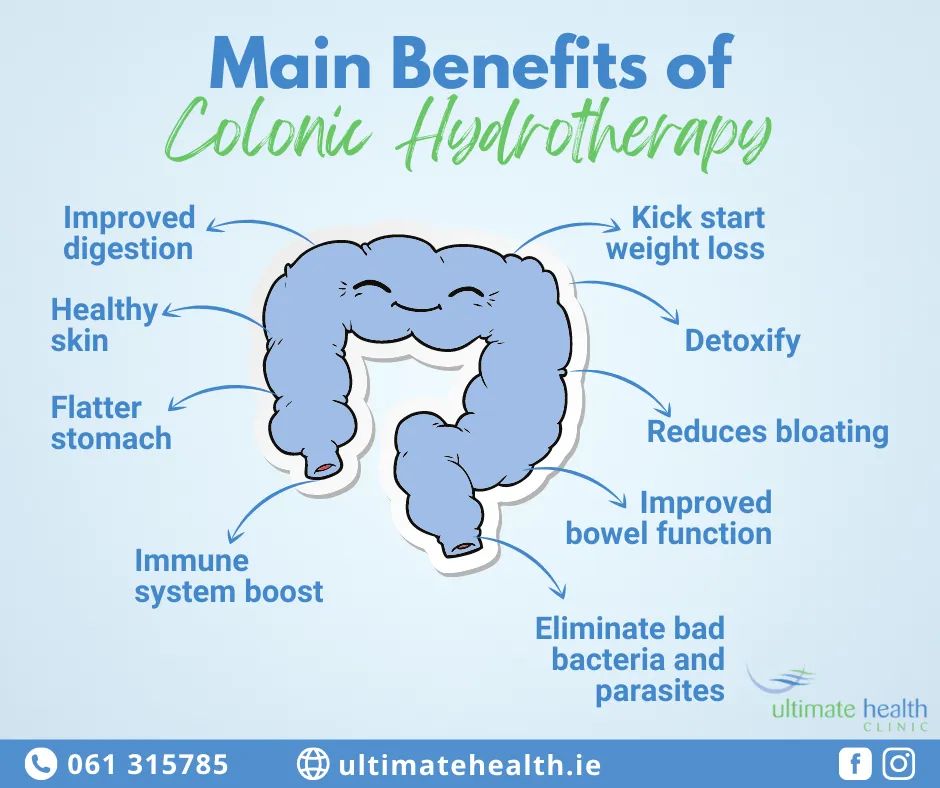 14/02/2022 0 CommentsColonic Hydrotherapy treatmentRead More
Colonic hydrotherapy is an ancient treatment to help promote wellness and maintain good health.
-
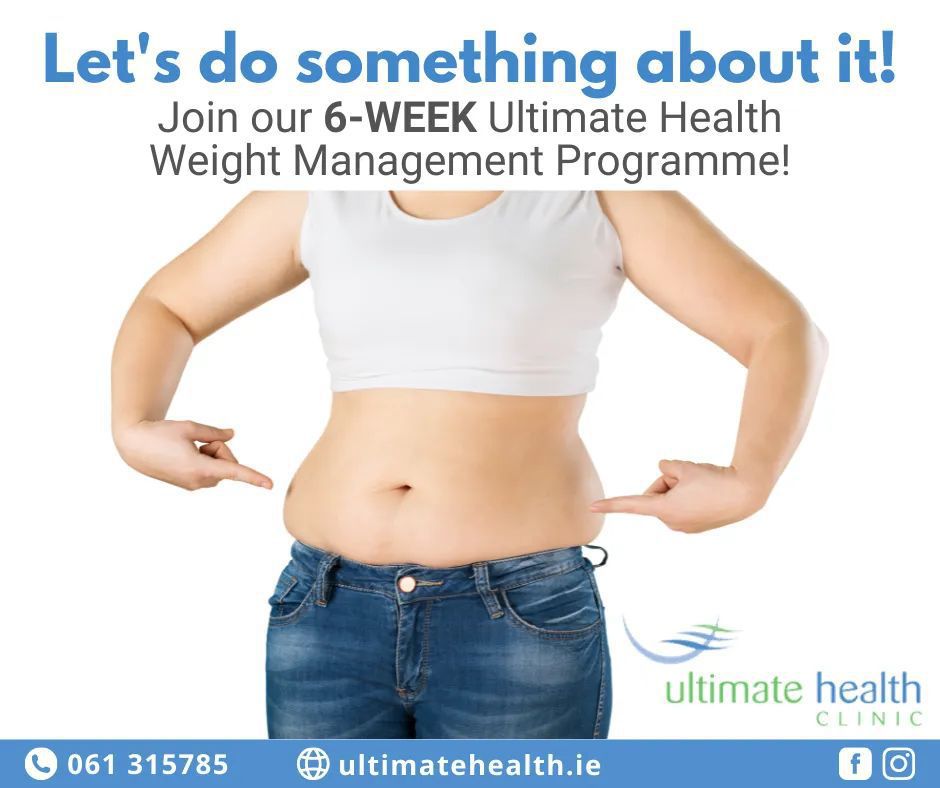 10/02/2022 0 CommentsLose weight and get in shape!Read More
Join our 6-WEEK Ultimate Health Weight Management Programme, now!
-
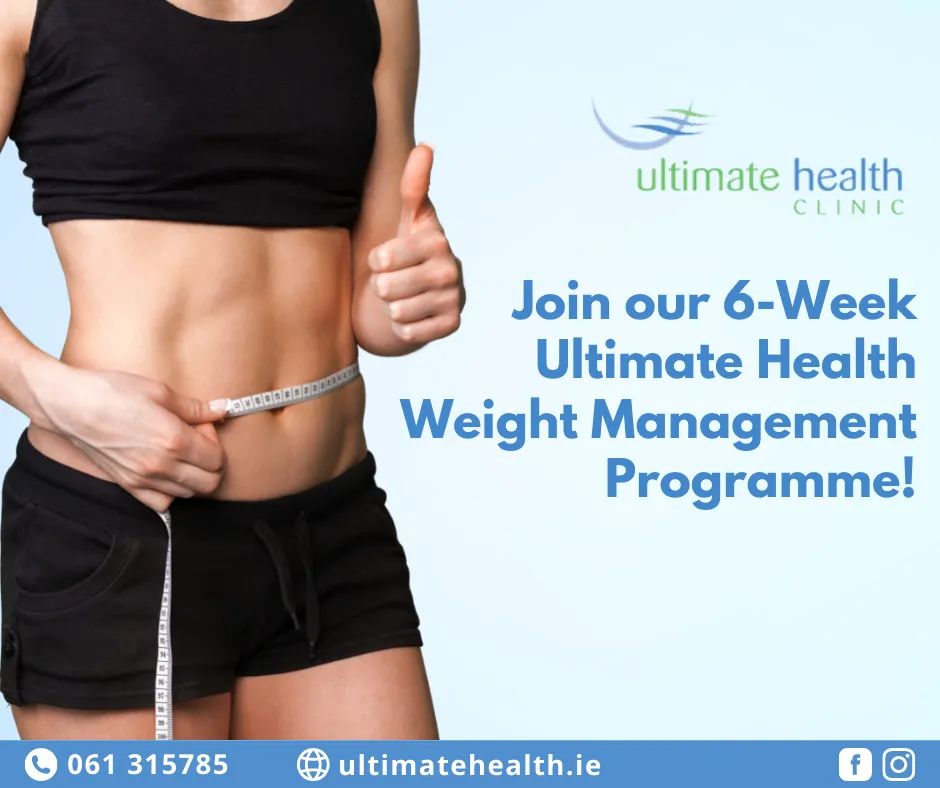 09/02/2022 0 CommentsFeel better. Sleep better. Eat better. Look betterRead More
Realise your health goals in as early as 6 weeks! Join our Ultimate Health Weight Management Programme now.
-
 08/02/2022 0 Comments💕Valentines Offer💕Read More
€100 off 4 sessions of Fat Freezing for Valentines.
-
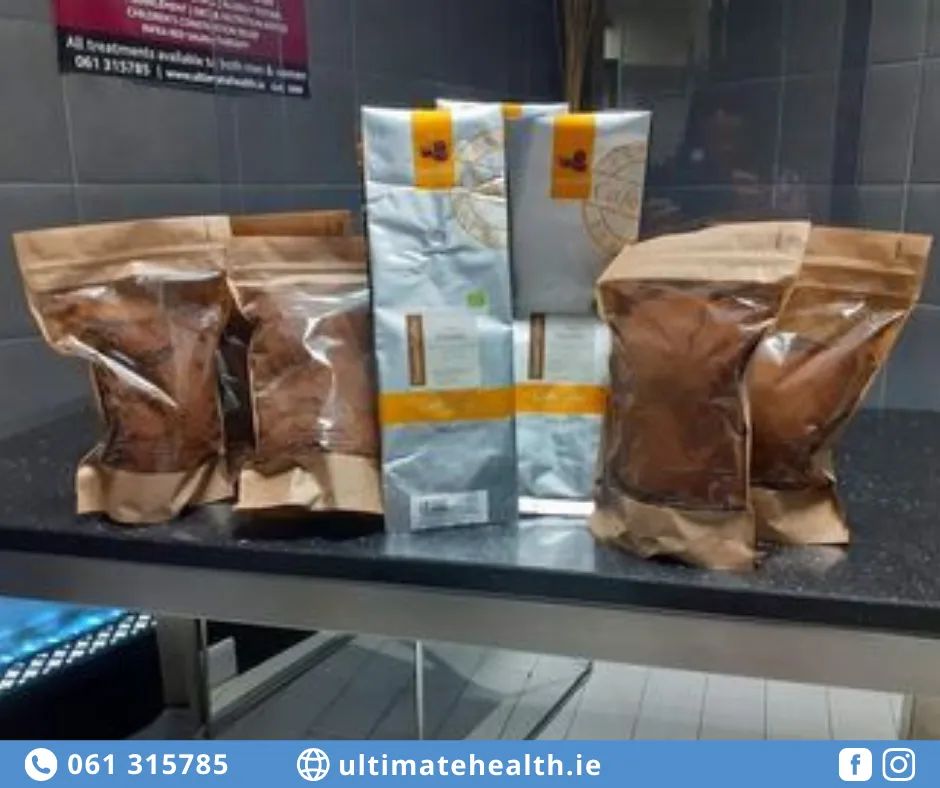 07/02/2022 0 CommentsYour wellness is our top priorityRead More
Coffee enemas have been used for centuries as an effective way to stimulate bile flow, which helps with the production of detoxifying antioxidants like glutathione!
-
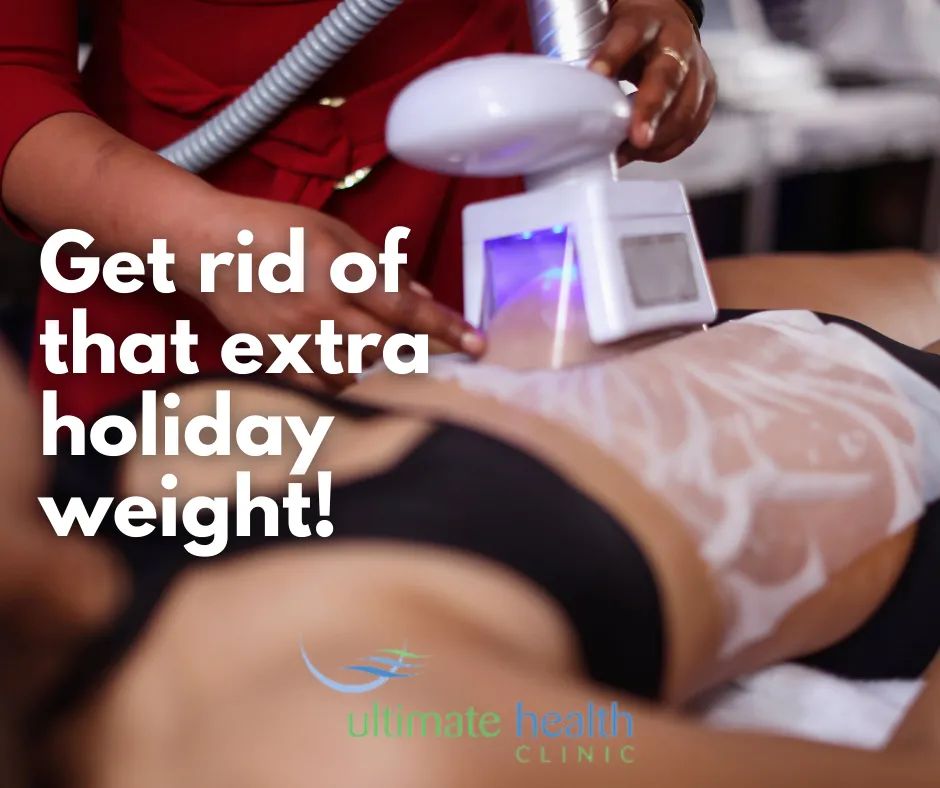 01/02/2022 0 CommentsIt’s time to get rid of those extra pounds!Read More
Our innovative Fat Freezing treatment is a non-invasive way to permanently remove extra body fat.
-
 28/01/2022 0 CommentsFood Intolerance TestingRead More
Creating a diet without foods you are sensitive to can drastically increase your energy, as food sensitivities cause fatigue.
-
 21/01/2022 0 CommentsJudy Moloney - PsychotherapistRead More
Happy New Year! I have some very exciting news.
-
-
 12/01/2022 0 CommentsFat FreezingRead More
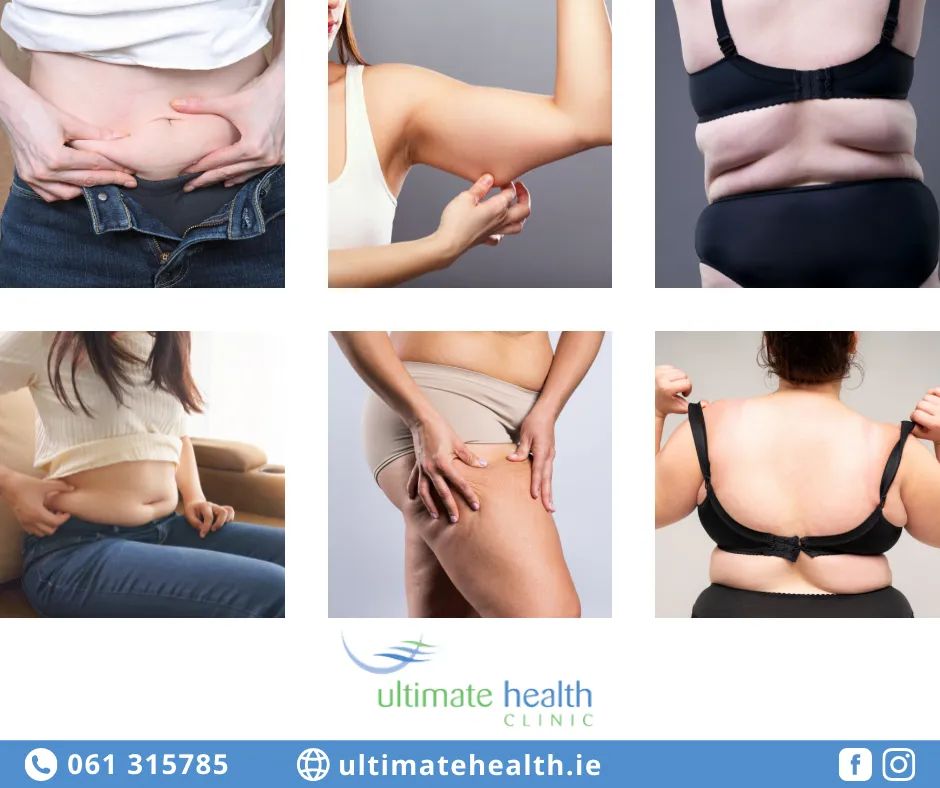
The stomach, belly, and abdominal area are the most common areas that are treated with Fat Freezing.
-
-
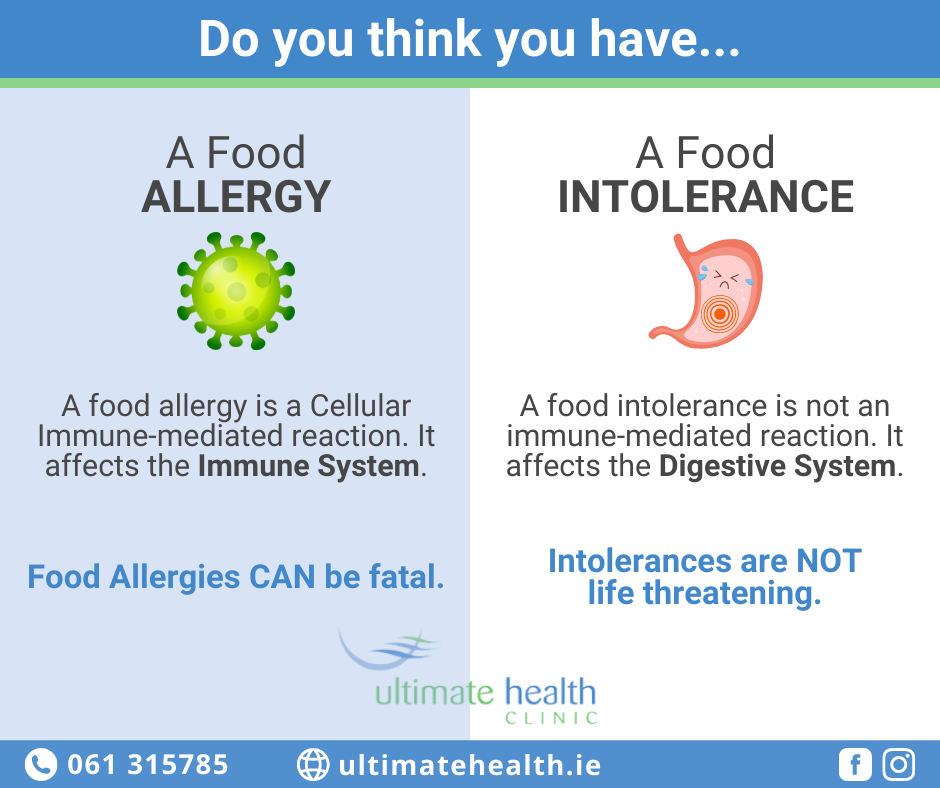 06/01/2022 0 CommentsFood allergy & food intoleranceRead More
Studies show that almost 20% of adults believe they have a food allergy, but half of them are wrong.
-
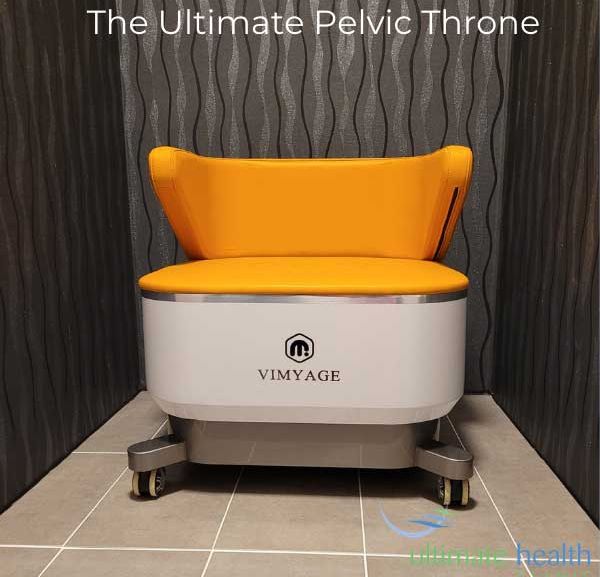 06/01/2022 0 CommentsThe Ultimate Pelvic ThroneRead More
Have you seen our new hero product? The Ultimate Pelvic Throne is loved by our clients and staff.
-
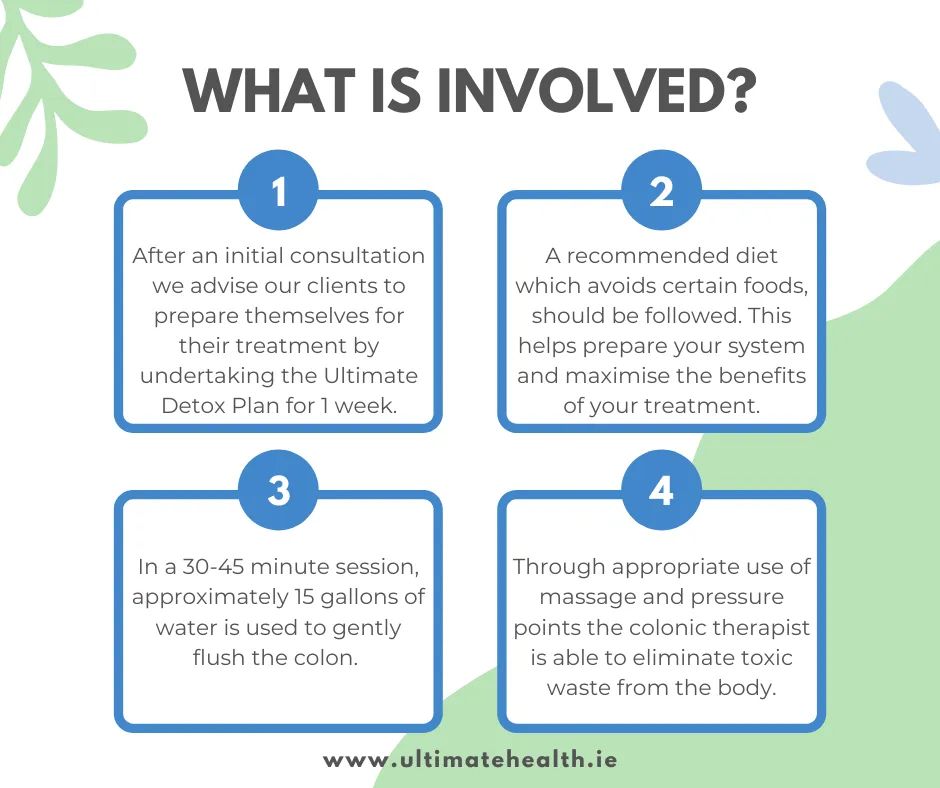 28/10/2021 0 CommentsColonic Hydrotherapy - What is involved?Read More
Hydrate your insides with a Colonic Hydrotherapy session. The process is simple, and it will leave you feeling refreshed and full of energy!
-
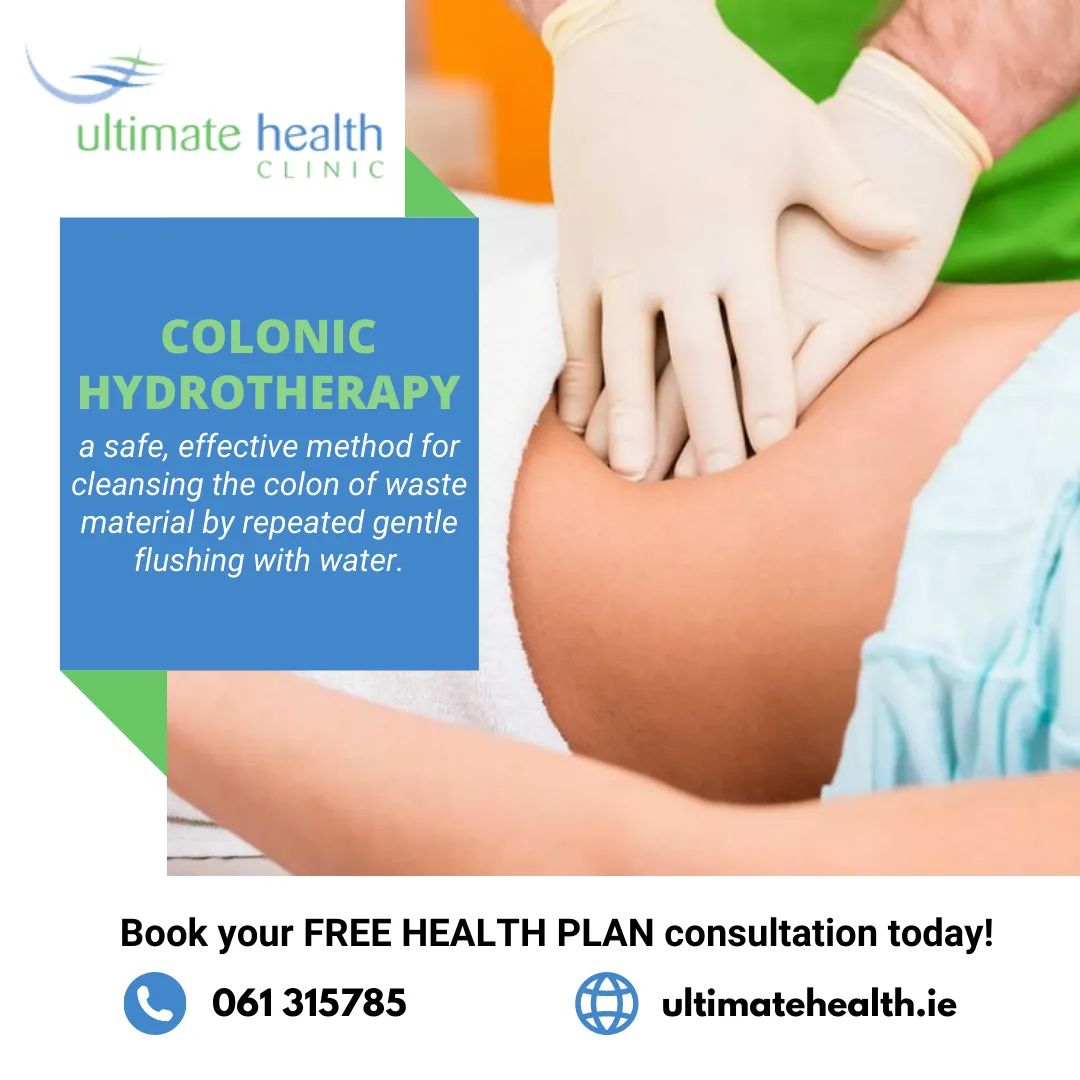 28/10/2021 0 CommentsColonic HydrotherapyRead More
Colon cleansing, also known as colonic hydrotherapy, is a popular alternative remedy that involves flushing the colon with water to remove waste and toxins.
-
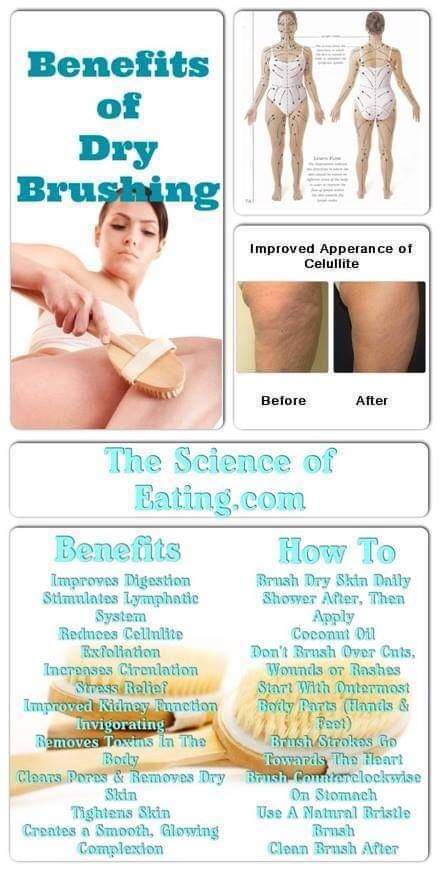 19/10/2021 0 CommentsDo you dry brush?Read More
Why you should..."On the outside, dry body brushing unclogs the pores and exfoliates the skin, leaving it looking brighter and feeling beautifully smooth and soft.
-
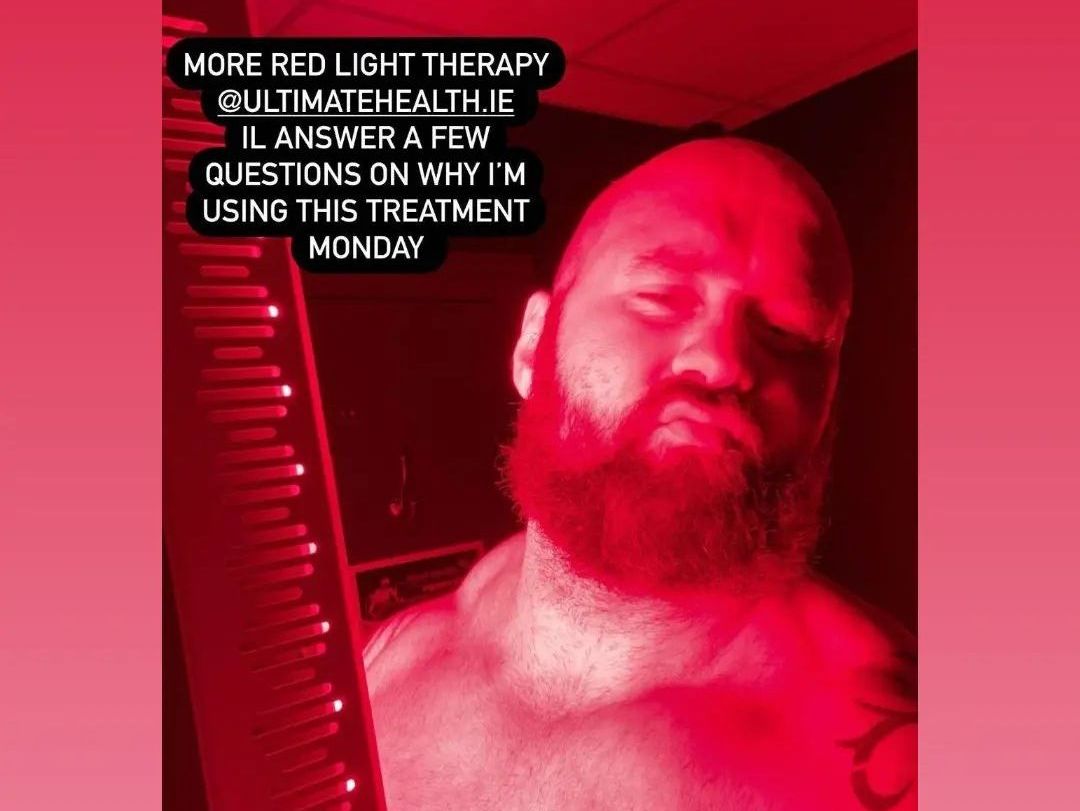 12/10/2021 0 CommentsPa O Dwyer....Irelands Strongest Man 😁Read More
Pa O Dwyer....Irelands Strongest Man 😁 using Red Light Therapy for Muscle Recovery...
-
 04/10/2021 0 CommentsOur mother was rightRead More
Breakfast really is the most important meal of the day. Having your first meal within an hour of waking snaps your body out of fasting mode and revs up your metabolism, so you burn more calories throughout the day.
-
 30/09/2021 0 CommentsBe careful not to overdo it when it comes to how much you eat before exerciseRead More
The general guideline:
Large meals. Eat these at least three to four hours before exercising.
-
 09/09/2021 0 CommentsWe are living in a toxic environmentRead More
We are living in a toxic environment, from the air we breathe, to the water we drink and the food we eat, we are being overloaded with chemicals and toxins that did not exist in such high quantities years ago.
-
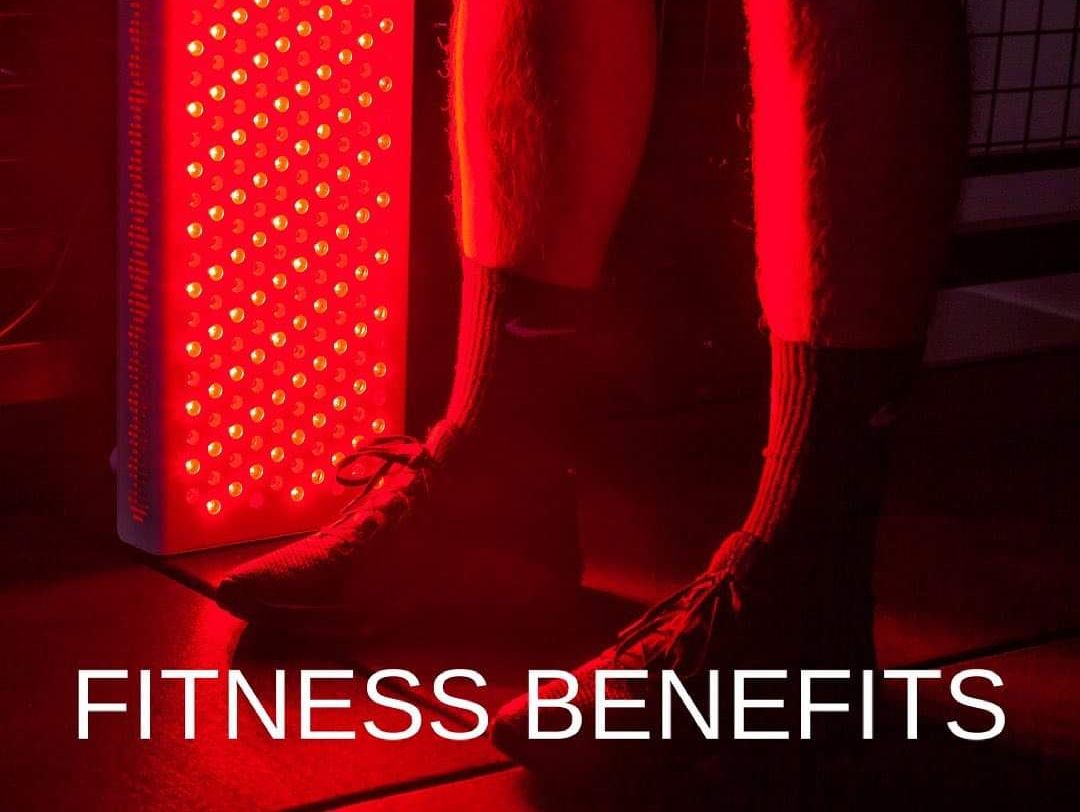 03/09/2021 0 CommentsFITNESS BENEFITS OF RED LIGHT THERAPY💪🏋:person_with_ball:🏄Read More
🚨Increased muscle gain: Red light therapy applied before, during, or after weight training can increase strength and muscle mass.
-
 02/09/2021 0 CommentsHealthy EatingRead More
For effective weight loss it's best to avoid fad diets. These diets can make promises of fast and easy weight loss and often involve eliminating certain food groups which is a really unhealthy way to lose weight.
-
 30/08/2021 0 CommentsBack to schoolRead More
Back to school is a busy time for all of us, it is especially busy for our children getting used to a routine again after the summer break. Your child may ignore the urge to have a bowel movement because he / she is afraid of using the toilet in school, or doesn't want to leave playtime.
-
 18/08/2021 0 CommentsSo if you think you need a colon cleanse....Read More
So if you think you need a colon cleanse, or you just want to look into the idea, dont put it off. With additives in our food, pesticides on our crops, and pollution all around us many might say we live in a toxic age.
-
 16/08/2021 0 CommentsWhy is healthy eating important?Read More
There is good evidence that eating a healthy diet can reduce your risk of obesity and illnesses such as diabetes, heart disease, stroke, osteoporosis and some types of cancer.
-
 16/08/2021 0 CommentsIs a Food intolerance causing your bloating?Read More
Food intolerance is different from food allergy in that it is a delayed reaction to a food, rather than an immediate response of itching, swelling or anaphylaxis.
-
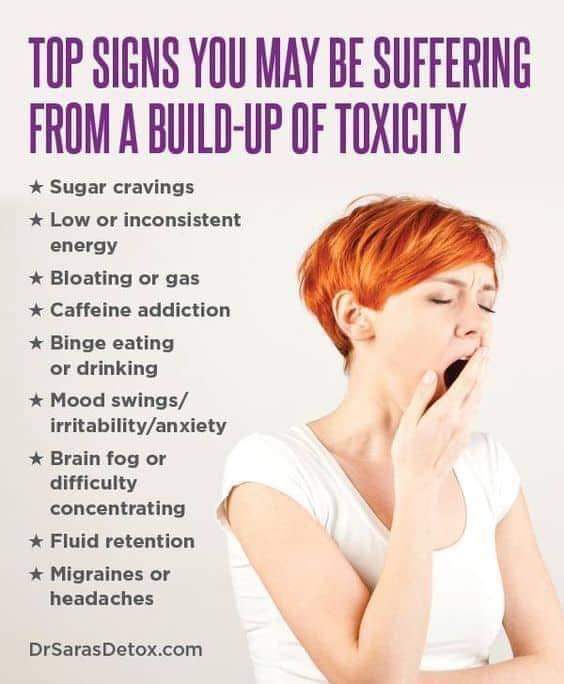 05/08/2021 0 CommentsWe always try and fix what is wrong on the outside of our bodies.Read More
Trying to look beautiful, but in our own eyes we will never be what we want to look like
-
 04/08/2021 0 CommentsIBS symptomsRead More
IBS symptoms vary a lot from person to person and tend to come and go with stress and other lifestyle changes.
-
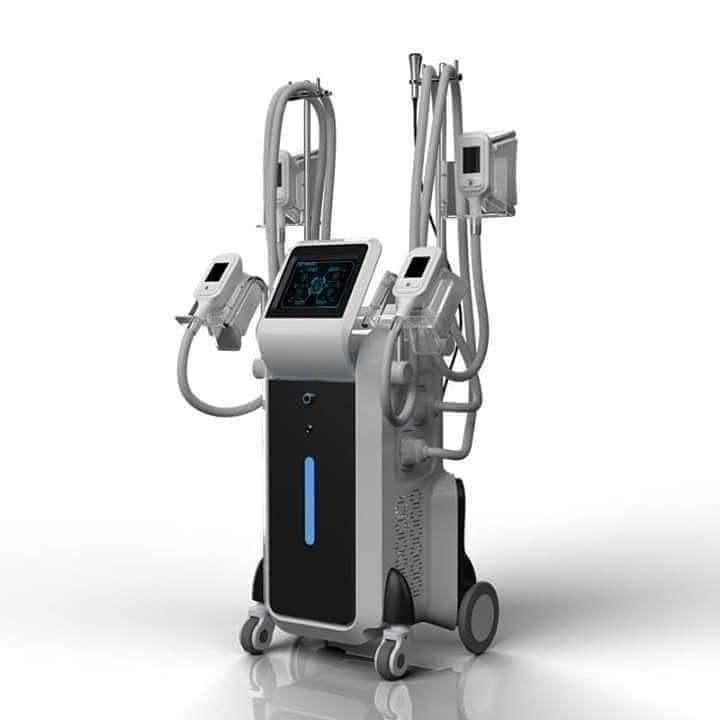 04/08/2021 0 CommentsRadio FrequencyRead More
1 Session Fat Freezing, 3 Sessions of Cavitation, Radio Frequency
-
 26/07/2021 0 CommentsStressed Out? Three Ideas for ReliefRead More
Rare is the day that doesn’t have some stress, at least for most of us. Whether it is meeting school deadlines, keeping family schedules running smoothly, or dealing with an issue at the office, there are usually sources of tension in every day.
-
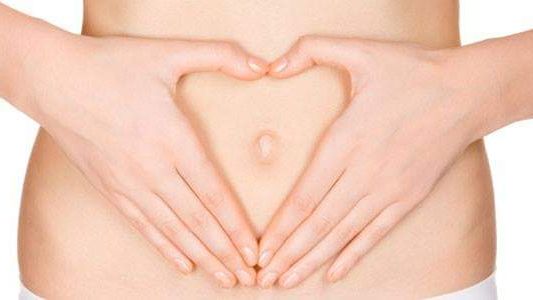 20/07/2021 0 CommentsWhat to Expect On Your First Colonic......Read More
I heard lots about the treatment and said it would be a great way to get prepared for Saturday night and of course feel better in general. Its an amazing way to cleanse your system and rid your colon of lodged waste.
-
 19/07/2021 0 CommentsBe physically activeRead More
Exercise can help you stay healthy.
To get the most benefit, exercise for at least 30 minutes, 5 days of the week. If that seems like too much, start out slow and work your way up.
-
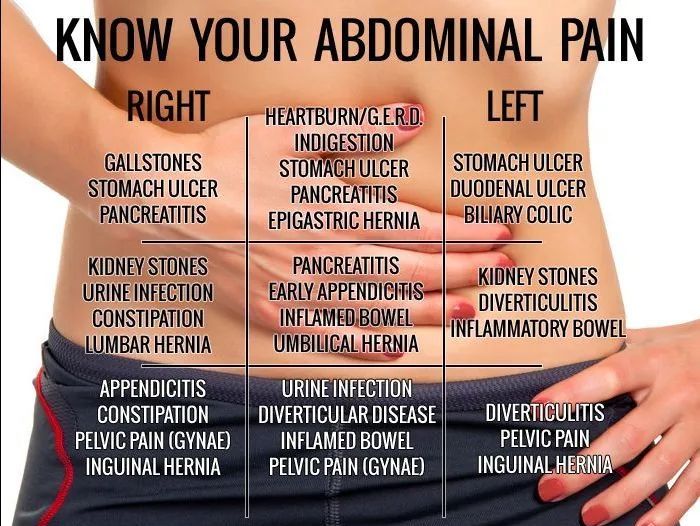 19/07/2021 0 CommentsKnow Your Abdominal PainRead More
Abdominal pain can come from a variety of causes.
-
 12/07/2021 0 CommentsMake a small change today and reap the benefits!Read More
We all know that there is a strong link between what we eat and being well. However, demands of work and family life as well as food or lifestyle preferences can get in the way of healthy eating.
-
 07/07/2021 0 CommentsColon Hydrotherapy is the way to go!Read More
So if you think you need a colon cleanse, or you just want to look into the idea, dont put it off.
-
 05/07/2021 0 CommentsBreathing exercisesRead More
Breathing exercises can help you relax, because they make your body feel like it does when you are already relaxed.
-
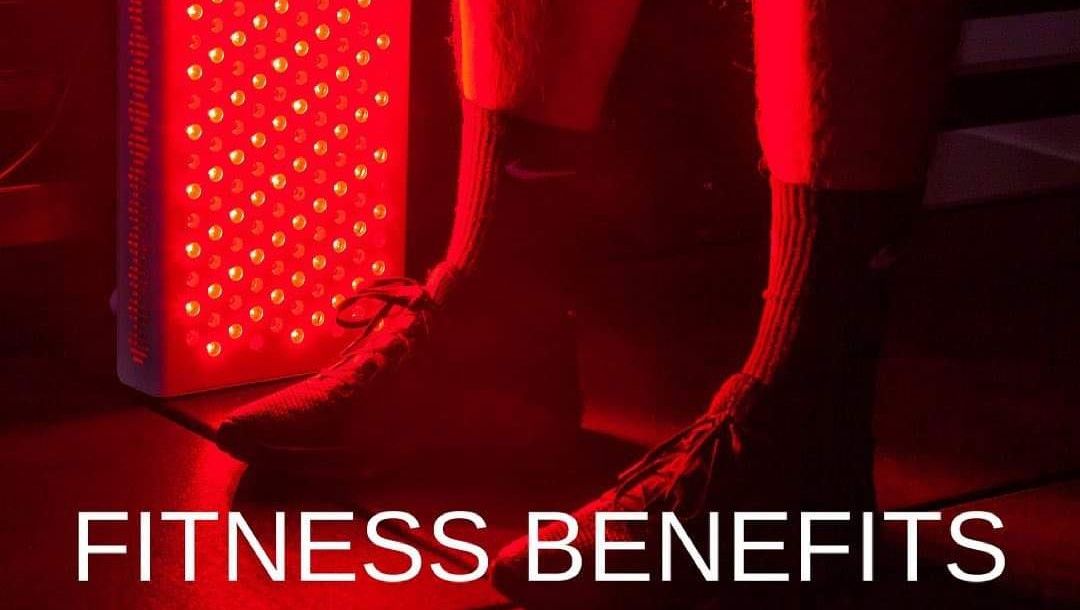 24/06/2021 0 CommentsRed light TherapyRead More
Red light Therapy is one of the most beneficial treatments to heal & protect your body. Treatments are only 20mins. We have made the treatment very affordable for Everyone 😁😁😁 061 315785
-
 22/06/2021 0 CommentsI Know its long but have a readRead More
I have something to say to people everywhere who regularly "hate" on Colonic Irrigation and supplements and the people who recommend them. Some of these individuals, on both sides of the debate, have impressive academic credentials. I want to set the record straight and give you the plain facts.
-
 16/06/2021 0 CommentsDo your weights workout firstRead More
Experts say weight training should be done first, because it's a higher intensity exercise compared to cardio.
-
 08/06/2021 0 CommentsLaxatives are not the solution!Read More
Please be aware that Laxatives are not the answer! We have so many Clints who rely on these.
-
 04/06/2021 0 CommentsPractice Healthy Holiday CookingRead More
Preparing favorite dishes lower in fat and calories will help promote healthy holiday eating. Incorporate some of these simple-cooking tips in recipes to make them healthier.
-
 28/05/2021 0 CommentsToxic BowelRead More
Several factors contribute to this but one of the biggest factors is what we eat and in we have an intolerance to them.
-
 28/05/2021 0 CommentsFood Intolerance TestingRead More
Did you know that the adult digestive tract contains up to two and a half pounds of living bacteria.
-
 28/05/2021 0 CommentsHow we can help your child find relief from constipationRead More
Constipation is defined by either a decrease in the frequency of bowel movements, or the bowel movements are painful.
-
 17/05/2021 - 0 CommentsHow Often Should I Use Red Light Therapy?Read More
One of the most frequently asked questions about red light therapy is: How long and how often should I do it? Read all about it on the Rouge Blog.
-
 17/05/2021 0 CommentsMake a small change today and reap the benefits!Read More
We all know that there is a strong link between what we eat and being well. However, demands of work and family life as well as food or lifestyle preferences can get in the way of healthy eating.
-
 17/05/2021 0 CommentsTip for today: One thing we all find embarrassing but sometimes cant be helped FARTINGRead More
It is normal to have occasional gas. But continual wind,bloating, and flatulence is not normal.
-
-
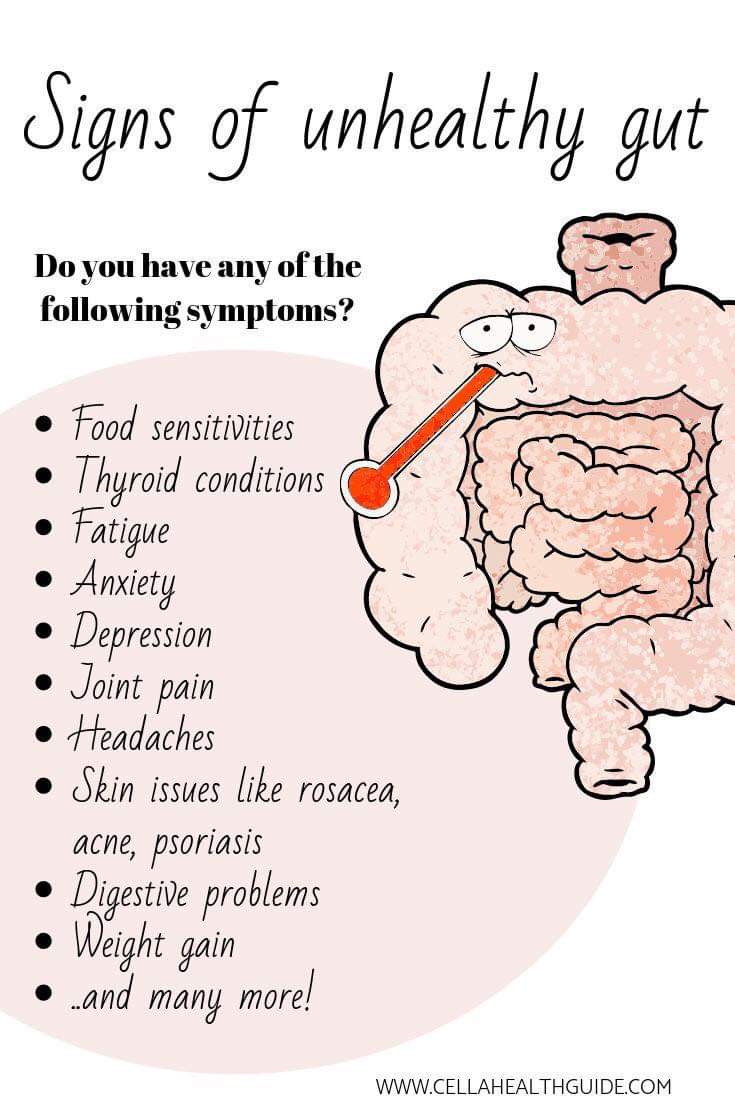 10/05/2021 0 CommentsDid you know that digestive and Bowel disorders are not the only signs of an unhealthy gut, and that colonic hydrotherapy can help improve these symptoms.Read More
We are Doing FREE Zoom/Phone Consultations
-
 10/05/2021 0 CommentsOxygen TherapyRead More
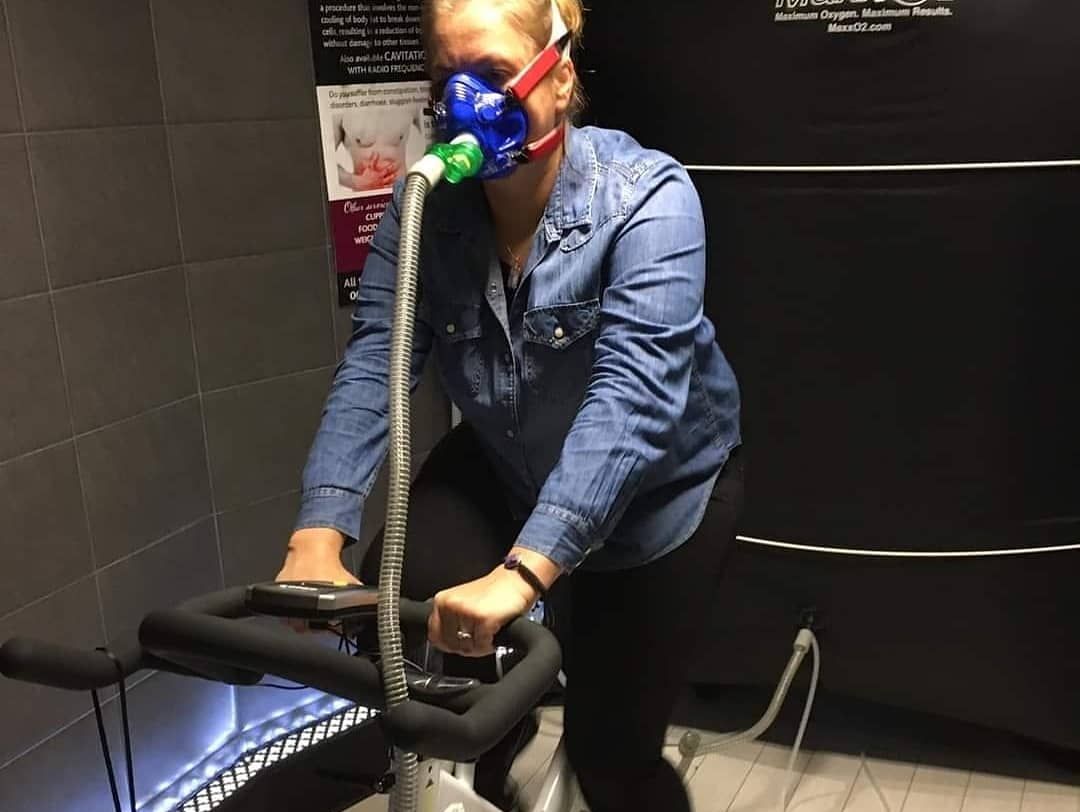
Oxygen Therapy simply means increasing the concentration of just the same oxygen we breathe normally in air.The technology is very well established. Oxygen therapy has a hundred year history, but doctors have only recently recognised that even when the level of oxygen in the blood is normal there can be a severe deficiency in the tissues. Now that the science is understood this use of oxygen is expanding rapidly around the world.
-
 26/04/2021 0 CommentsWhat is IBS?Read More
IBS stands for Irritable Bowel Syndrome.
It is not a disease or physical problem, like Crohn's, and there is usually no obvious infection, deformity or inflammation that would explain the symptoms. The gut is perfectly healthy, but for some reason it simply does not function as it should.
No one knows what causes IBS and so there is no cure.. -
 22/04/2021 0 CommentsOxygen TherapyRead More
Many people have been prescribed using oxygen therapy while they exercise, because they aren’t bringing in enough oxygen while performing strenuous physical activities. Not getting enough oxygen while exercising can be very dangerous and become life threatening very quickly. The more you move, the more oxygen your body is using up. If you’re not bringing in enough oxygen to meet those needs, you will be in a lot of trouble.
-
 29/01/2021 0 CommentsRed Light Therapy aids our Biological ClockRead More
There is a theory called the Mitochondrial Theory of Aging, which postulates that the mitochondria are the body's main source of free radicals that are linked to aging. Free radicals are linked to aging because they specifically damage the mitochondria (and the mitochondria's vulnerable DNA).
-
 08/01/2021 0 CommentsCoronavirus: How to Boost Your ImmunityRead More
The novel coronavirus strain COVID-19 has been spreading quickly and infecting people so rapidly, that it is now formally a world-wide pandemic. Like other virus strains, it causes ailments ranging from the common cold to acute respiratory syndrome.
-
 16/11/2020 0 CommentsWinter crisp mornings, cosy nights in and warm comfort foodRead More
A magical Winter can be created, charmed with healthy warming rituals that support our immune system from the inside out.
Some suggestions below to inspire us to feel our best.
-
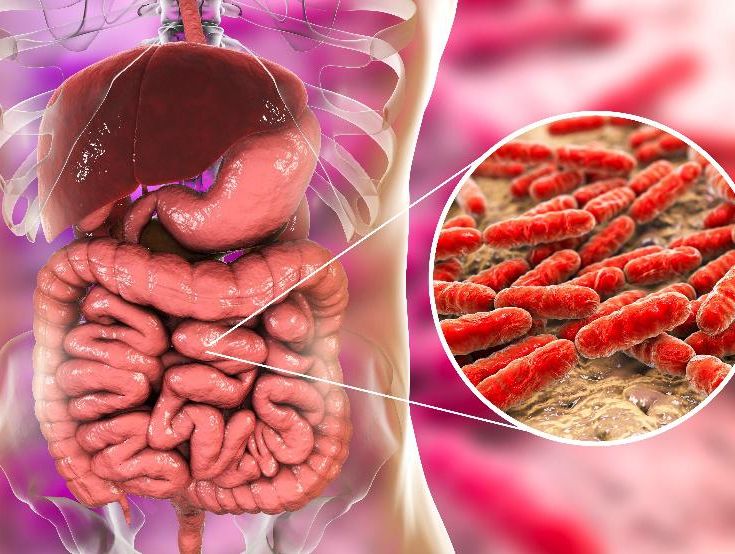 27/10/2020 0 CommentsHealthy Gut – Healthy MindRead More
We often say ‘Trust your Gut’. There is a lot to this saying, have you ever felt nauseous or have a tension in your stomach area or get butterflies and can’t understand why?
Well intestinal tract is very sensitive to emotion. -
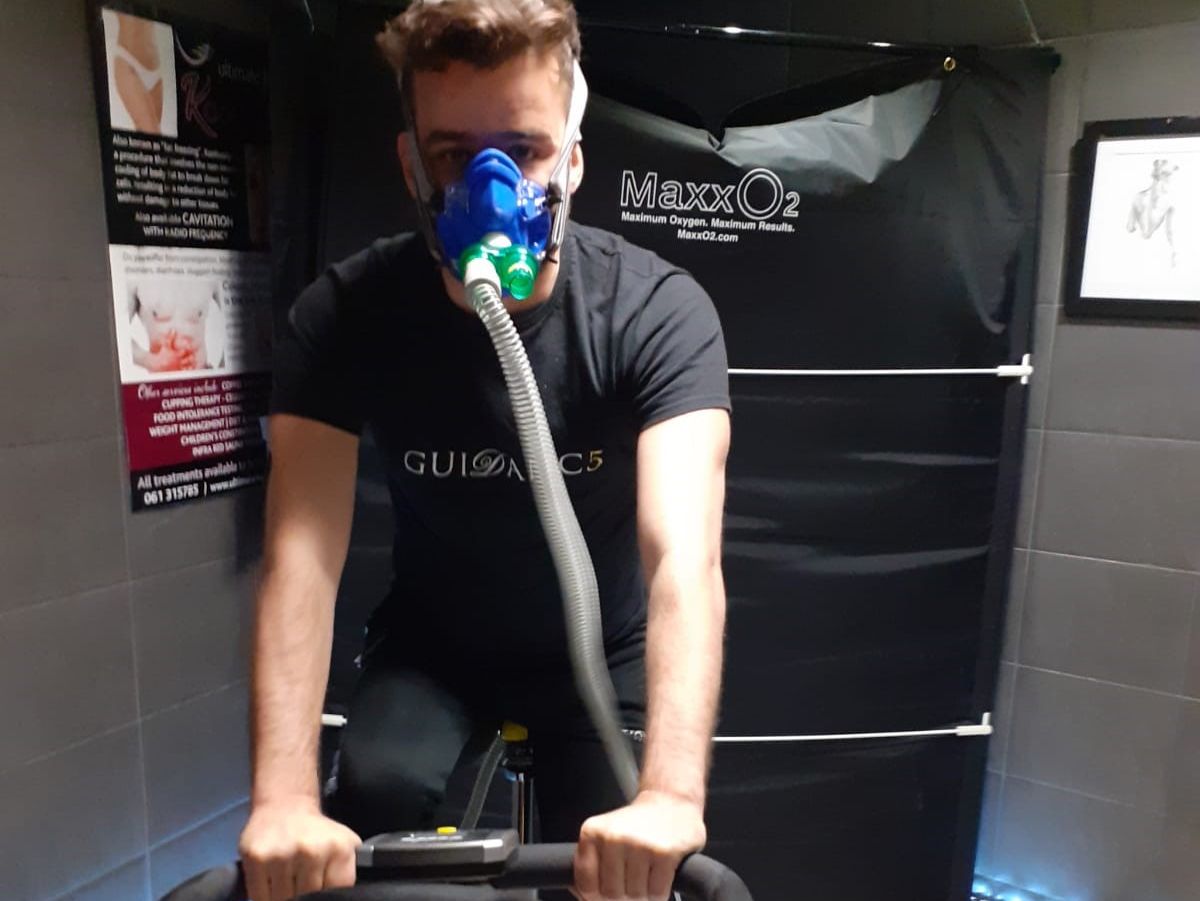 15/10/2020 0 CommentsOxygen TherapyRead More
Health consultations and learning how to maintain our optimum health is essential, especially in todays world. If you find you have no energy, no ‘get and go’ – then Ultimate Health Clinic have just the solution. Caroline has researched this therapy for years and has seen first hand outstanding results and the huge list of benefits it has on a persons health.